

I scroll my social feeds on a lazy Saturday afternoon and stumble across a video of a “Chicano mailman” (his words, not mine) walking through a neighborhood in the scorching summer sun. His décolletage, framed by the baby blue USPS button-up, glistens with sweat. It’s hot. So I tap on his profile, which leads me to a link in bio, which leads me to … well, you know. In less than a minute, I’ve leapt from the innocence of blue-collar TikTok to the OnlyFans home page of “an honest mailman trying to support his wife and two kids,” where he’ll show me “the package I’ve really been waiting for” if I cough up $14 and subscribe.
Between 25 percent and 40 percent of Americans (and over half of millennials and Gen Z) have a side hustle, depending on which surveys you reference. And for some, that extra income comes from turning a camera on and taking clothes off. Adult creatorship is certainly one of the riskier side hustle options; diamonds are forever, and so is the internet, so the decision to dip into adult content creation feels like a point of no return, with very real professional implications. There’s also that part where, in an effort to monetize our interests, we sometimes end up ruining them instead.
With so much of gay digital culture adjacent to sex, it’s hard to navigate queer life without encountering references to platforms like JustFor.Fans, OnlyFans, and cam sites. One can’t help but wonder: What’s it like for people who do this? Did the wave already crest during pandemic-era quarantines, or can someone start today and still make a viable income? And should they?
Curious, I asked several current and past adult content creators what it’s like.
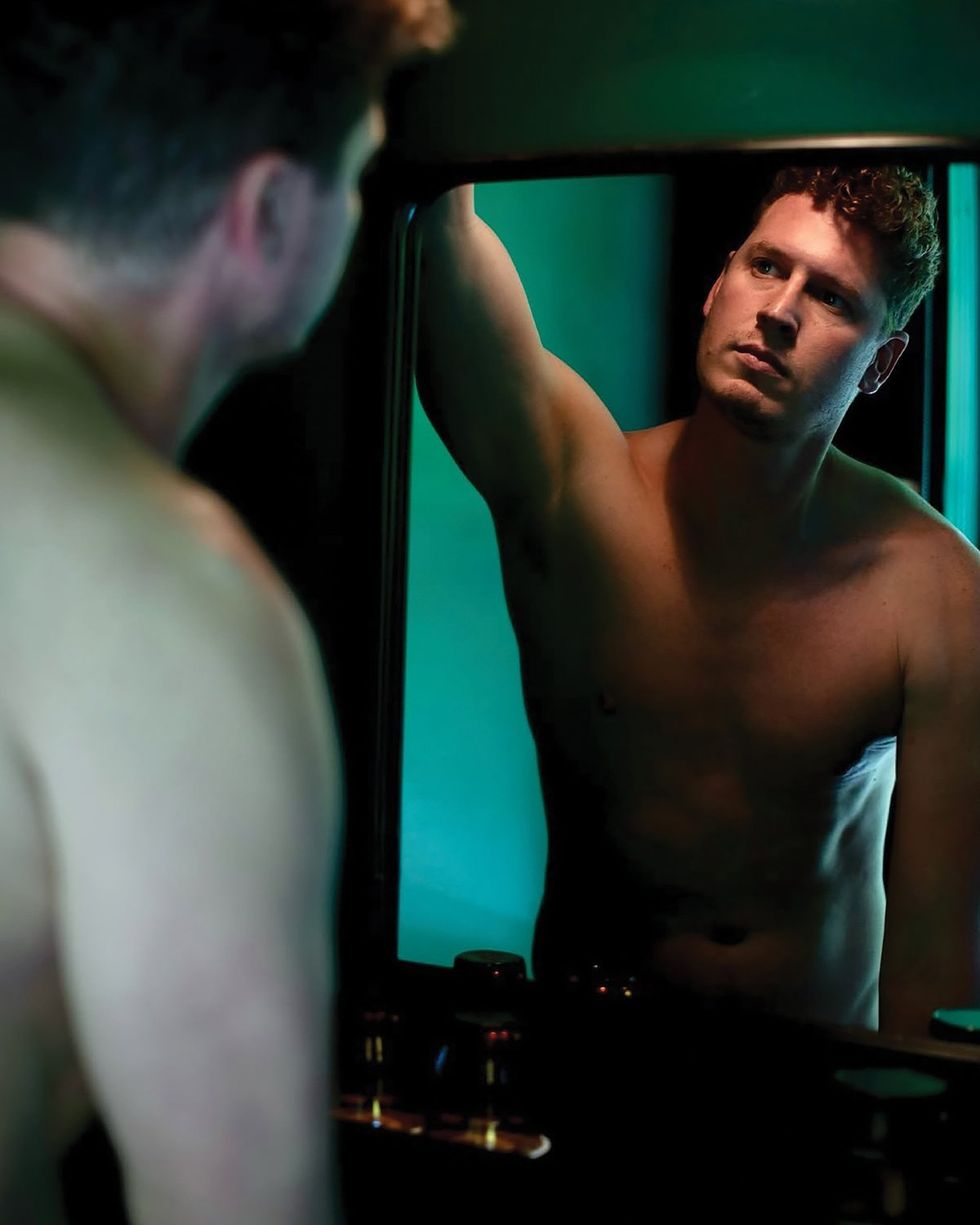 Thomas Long chose to leave the field of medicine for a career in adult entertainment.Alex Blythe
FROM PHYSICIAN IN TRAINING TO PORN STAR
In 2020, Thomas Long (@thomaslongxxl) was finishing up medical school. And yes, I can confirm (through, uh, online research) that the schlong is indeed long. But doing clinicals in 2020 understandably sucked, Long says — “no one [in hospitals] wanted to work with students at the time” — and the arrival of COVID-19 opened his eyes to how his chosen career path could lead to a life of long hours and internal bureaucracy.
“I made the decision when I finished school that I wasn’t going to practice medicine,” he says. When a friend suggested he look into OnlyFans, Long notes that the financial timing was a big factor. Payments on his student loan debt were paused, a suspension that lasted nearly three and a half years, and he had savings from previous work, so he didn’t have to make a full-time income right away. He says he had enough runway to give it a try.
“It was difficult. I didn’t really know what I was doing,” says Long.
The inexperience didn’t matter because quarantines limited our in-person activities, which led many of us to be chronically online, the perfect petri dish for rapid online audience growth. Long says he only made a couple of hundred dollars in his first few months, but his subscriptions steadily grew, and eventually he saw potential to go full-time. Collabs helped; one video he did with a top studio creator led to 900 new subscriptions, the equivalent of several thousand dollars a month in additional income.
However, he also says online fame can take an emotional toll.
“Being so vulnerable and open on the internet, I 100 percent feel like some of my life isn’t my life anymore,” he told me. “OnlyFans has definitely given me more confidence in some aspects, but it’s also changed my internal dialogue. I grew up in the humble Midwest; I’m trying to guard myself and prevent any of this from changing who I am at the core.”
Long says he’ll milk his platforms and content for as long as he can, but subscriptions aren’t what they used to be since the November election, and he’s planning his soft exit. He also says the online landscape is much tougher now.
“The Twitter takeover and changing of the algorithm messed things up,” he says. “A friend of mine in real estate asked me about OnlyFans the other day. He said he wanted to start one. I thought to myself, You shouldn’t.”
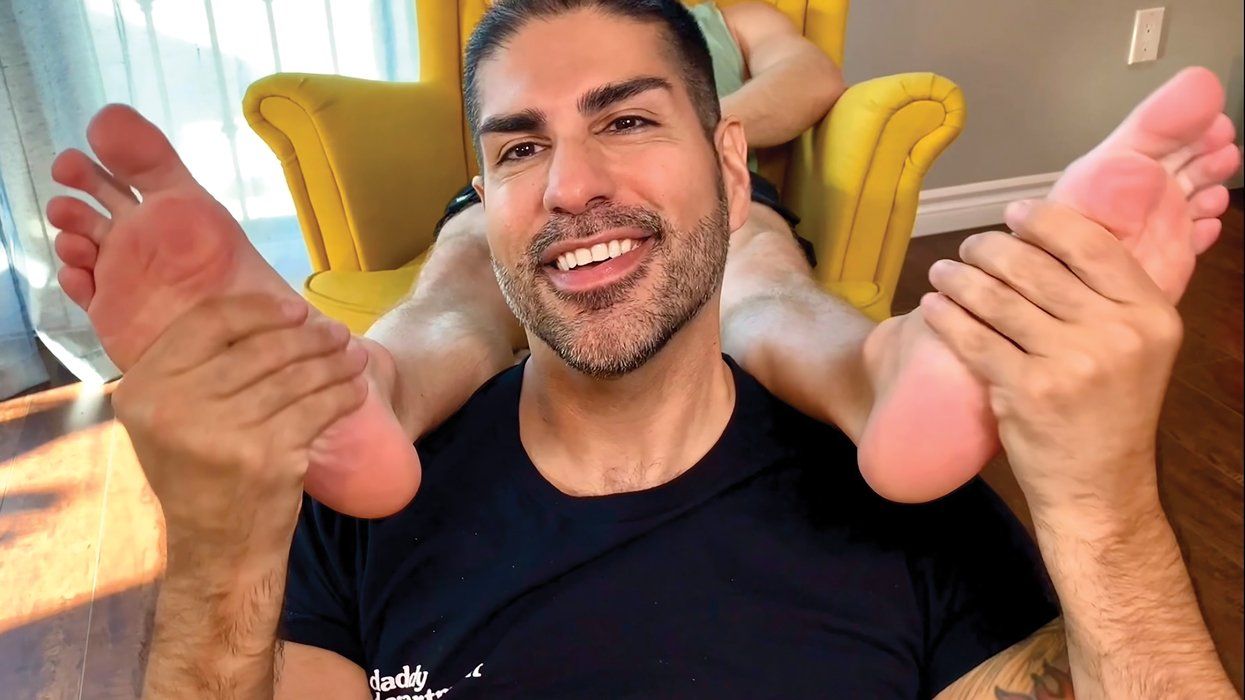
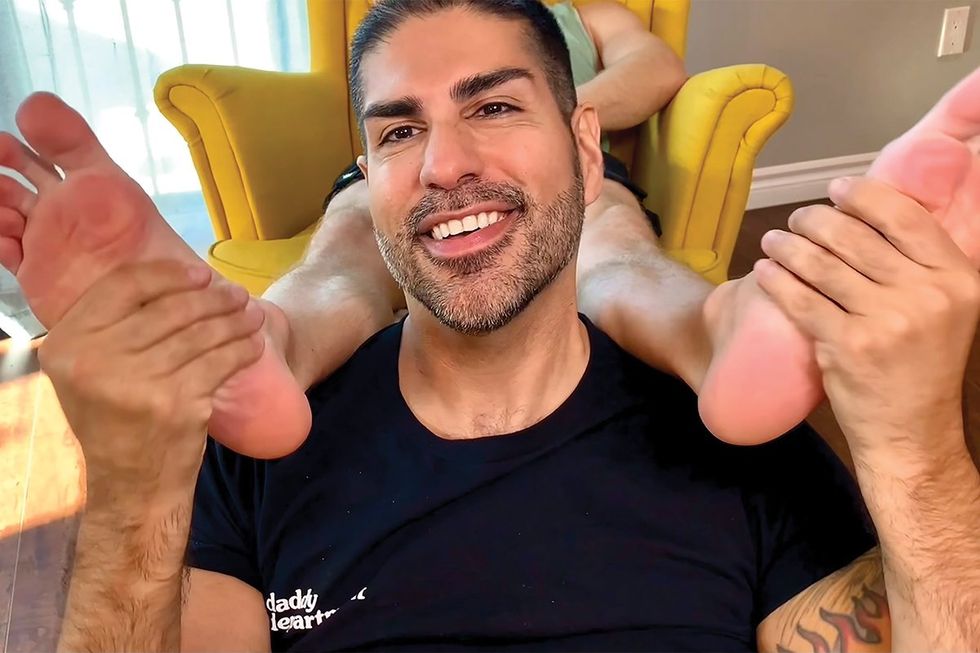 Guy Ruben's OnlyFans foot fetish account serves as a second source of income.Courtesy DJGuyRuben
MAN IN FINANCE (WITH A SIDE OF FOOT FETISH)
For Guy Ruben (@djguyruben), OnlyFans is squarely a secondary source of income. He’d been making foot fetish videos with hookups for his private enjoyment for years, but never shared anything publicly, instead using his social media handles to promote DJ gigs. Then COVID-19 rolled in.
“When the pandemic happened, I was like, ‘Well, the world’s gonna end. Why not just put my videos on OnlyFans and see if anybody is interested?’” he says. As he posted sneak peeks of his foot fetish content on Twitter, his following picked up rapidly. He says he had about 2,000 followers at the time, compared to just over 54,000 followers today, but agreed it’s harder now to get preview posts seen. Rather than lead with subscriptions, he keeps his OnlyFans account free, then sells individual videos in a pay-per-video format.
Ruben notes that he’s had a full-time corporate job in finance this whole time, and that although some months have been good, he’s never made more money in a month doing OnlyFans than he has at his day job. He also monitors his online presence regularly. “If you Google my real name, none of this comes up,” he says. “I check it all the time. I even checked it the other day.”
I thought about the fear of being discovered, how it lingers in the background, and how that feeling might be anxious in some moments and thrilling in others. “If it were to ever come up [at work], I don’t know how I would navigate it,” he says. “I guess they’d just fire me, and I’d have to figure it out.”
Overall, though, his experience seemed positive. “I genuinely love it,” he says.
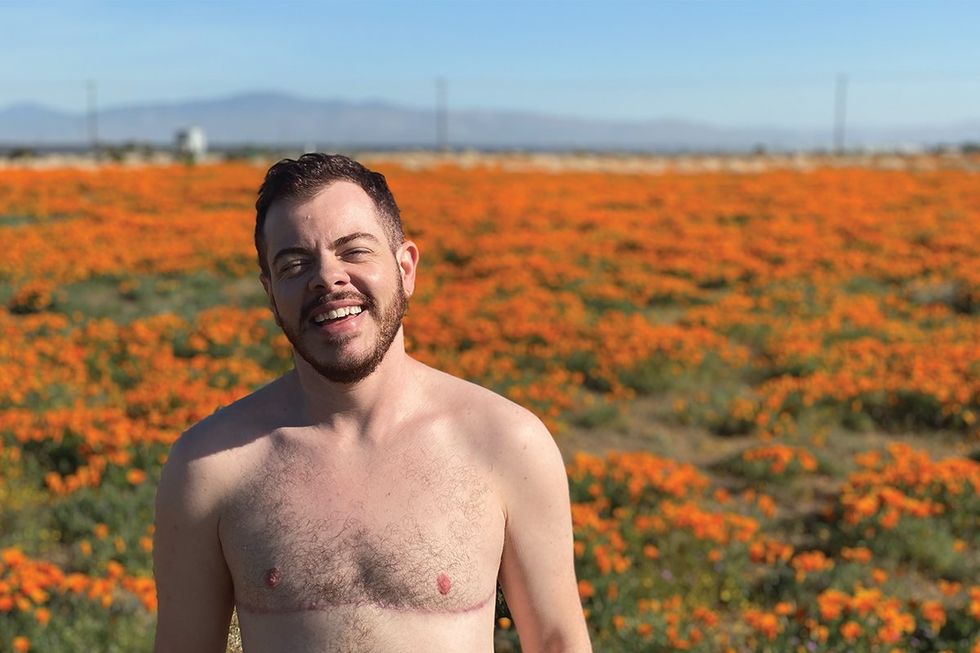 Dylan CotterCourtesy Dylan Cotter
AN ONLINE VANISHING ACT
Dylan Cotter says the way he arrived in the adult business directly reflects his lived experience as a gay trans man. After transitioning in 2016, he says his network changed dramatically, and it became harder to find work as a marketing consultant, a challenge that compounded during the pandemic.
“I lost a lot of people in my life. It was very disappointing,” he says. “When the pandemic hit, I thought to myself, Wow, how am I ever going to survive this?” Cotter says he signed up for OnlyFans, JustFor.Fans, and others to do solo content creator work. He declined to share numbers but says what he was making on platforms was enough to cover his living expenses and that he could do so without having scene partners.
“Fem performers gave me a lot of great advice about boundaries and just standing firm on what you believe and to not feel bad about them,” he says. “A lot of the time, people just think of you as a sex object that exists on their phone.” After a few years, he exited the industry and used his reputation management skills to remove videos and cover his digital tracks. He now focuses his energy on non-adult work and trans activism, including writing a memoir that came out this year.
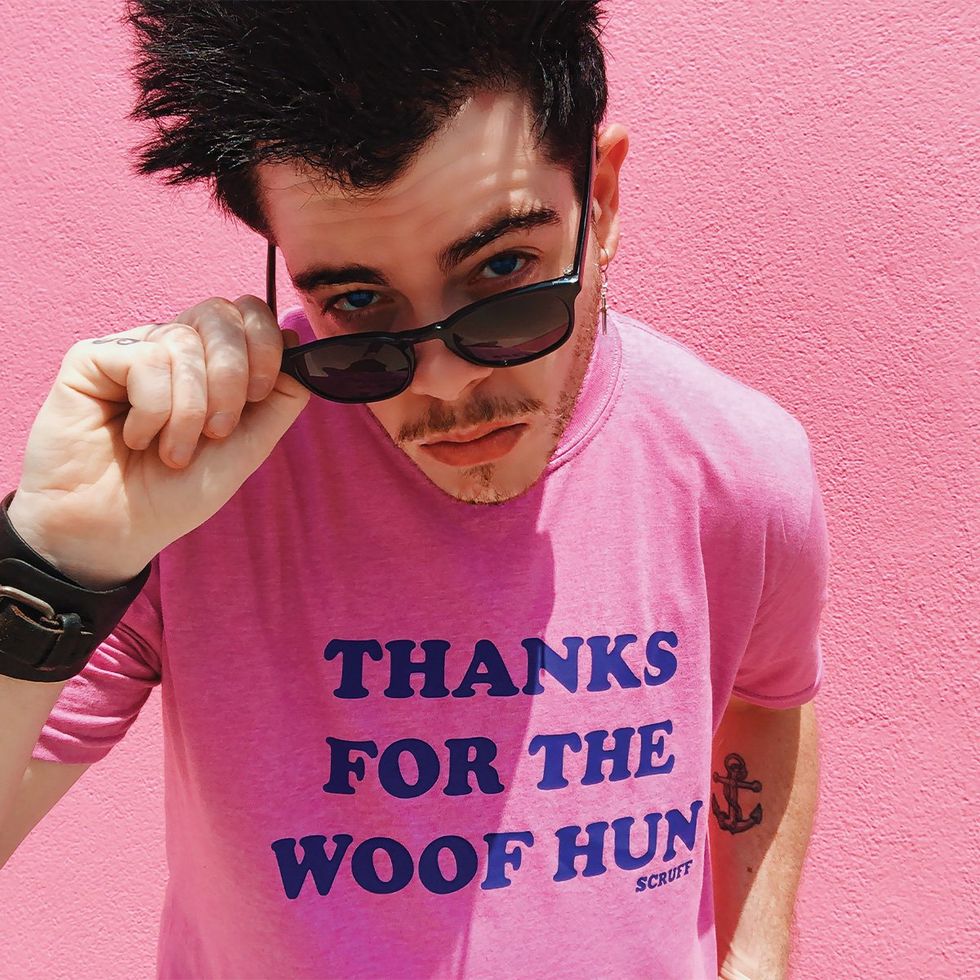 Dylan CotterCourtesy Dylan Cotter
“SOMETHING I’M NOT READY FOR”
Others who like to show off their sexiness on platforms like Instagram and X have no interest in taking the adult content monetization route. HornHulk, a Seattle-based arts professional and adjunct professor, explains that part of his job involves mentoring young adults, and that even if he were to create something paywalled that wasn’t overtly sexual, the stigma of having an account on an adult platform would do more harm than good.
“I don’t want that to be findable to my students,” he says. “Doing full-on porn for other people to watch is something I’m not ready for yet and maybe won’t ever be.”
At the time of this writing, OnlyFans is up for sale, with a price tag of up to $8 billion. And while technocracy is a mood right now, one could argue adult creator platforms have enabled a higher degree of safety and control for those who choose to pursue this line of work. The nuance comes in the creator’s motivation: Some arrive through curiosity, whereas for others it can feel like an act of survival.
That’s kind of the vibe our entire economy is giving these days. Wealth gaps are widening, billionaires are vacuuming up all the profits, and it sometimes feels like our bodies and minds are the only assets we get to own anymore (although the right to bodily autonomy is being questioned now too).
I’ll never knock someone down for hustling up a few bucks as long as they’re not causing harm to others. And we should continue to be critical and educate ourselves on how capitalism has led us to this landscape. In the meantime, if someone wants to monetize their body or mind to improve their financial situation, who are we to judge?
This article is part of Out's Sept-Oct issue, which hits newsstands August 26. Support queer media and subscribe — or download the issue through Apple News, Zinio, Nook, or PressReader starting August 14.