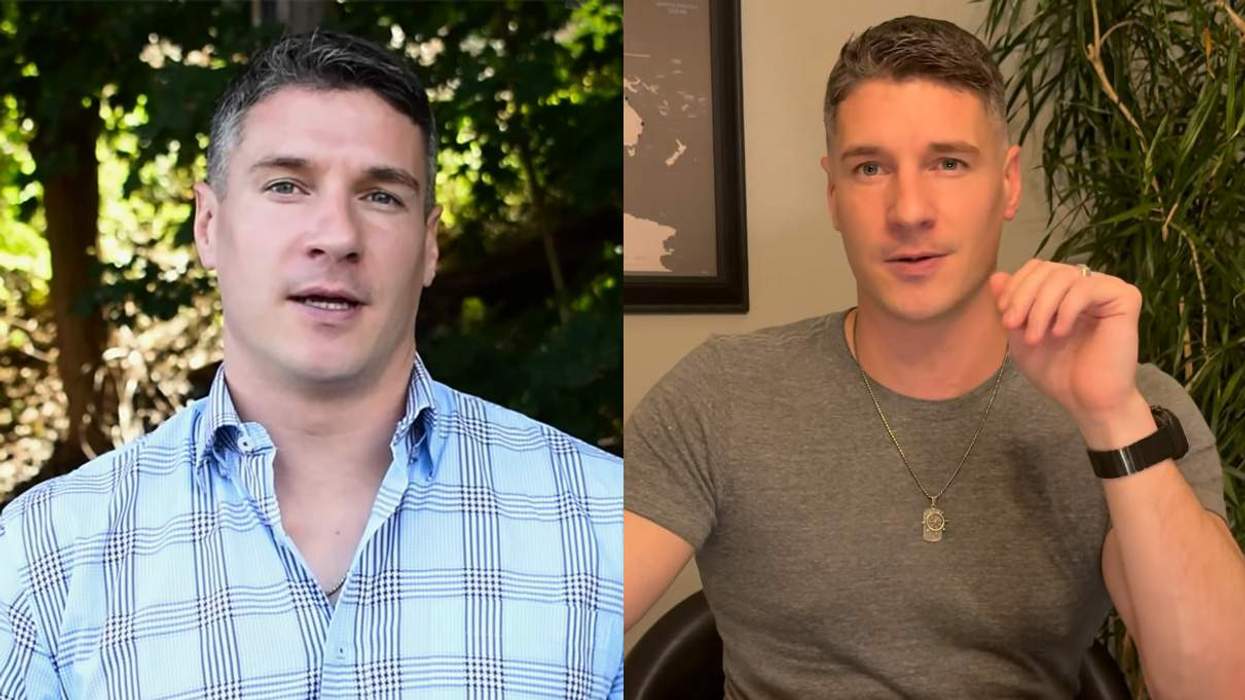


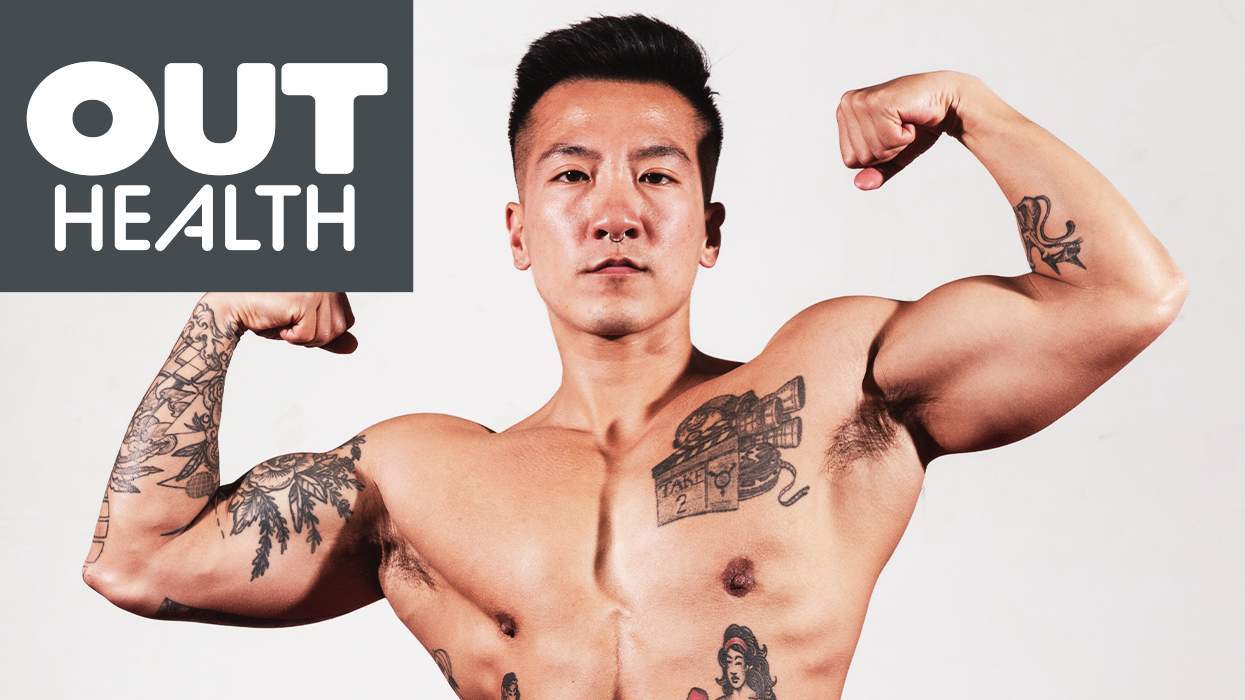
Landyn Pan knows firsthand the power of fitness. The transmasculine, nonbinary strength and nutrition coach discovered confidence, gender euphoria, and the power to de-stress through healthy eating and workout routines.
“For me, fitness became a way to be my authentic myself and to better myself. It helped me feel more aligned and in tune with my body — mentally, spiritually, and physically,” they share. “It didn’t just change how I looked; it changed how I felt. I feel strong now, and that feels more like who I truly am.”
“Now I get to help other people break through their own mental hurdles so they can experience the benefits too,” they add. “A lot of our clients come in scared of the gym — sometimes because of anxiety, sometimes because of gender-related reasons, sometimes because the fitness industry feels too narrow, and they don’t see themselves in it.”
Pan is working to make sure LGBTQ+ people see a place for themselves in the fitness world. Ahead, the Seattle-based trainer offers insights to keeping on track with New Year’s goals and advice to queer and trans bodies seeking strength and sanity in a wild world. And they also outline a killer arm workout.
Learn more about Pan and their work on Instagram @fitlandyn and at landynpanfitness.com.
(EDITOR'S NOTE: This interview has been edited and condensed.)
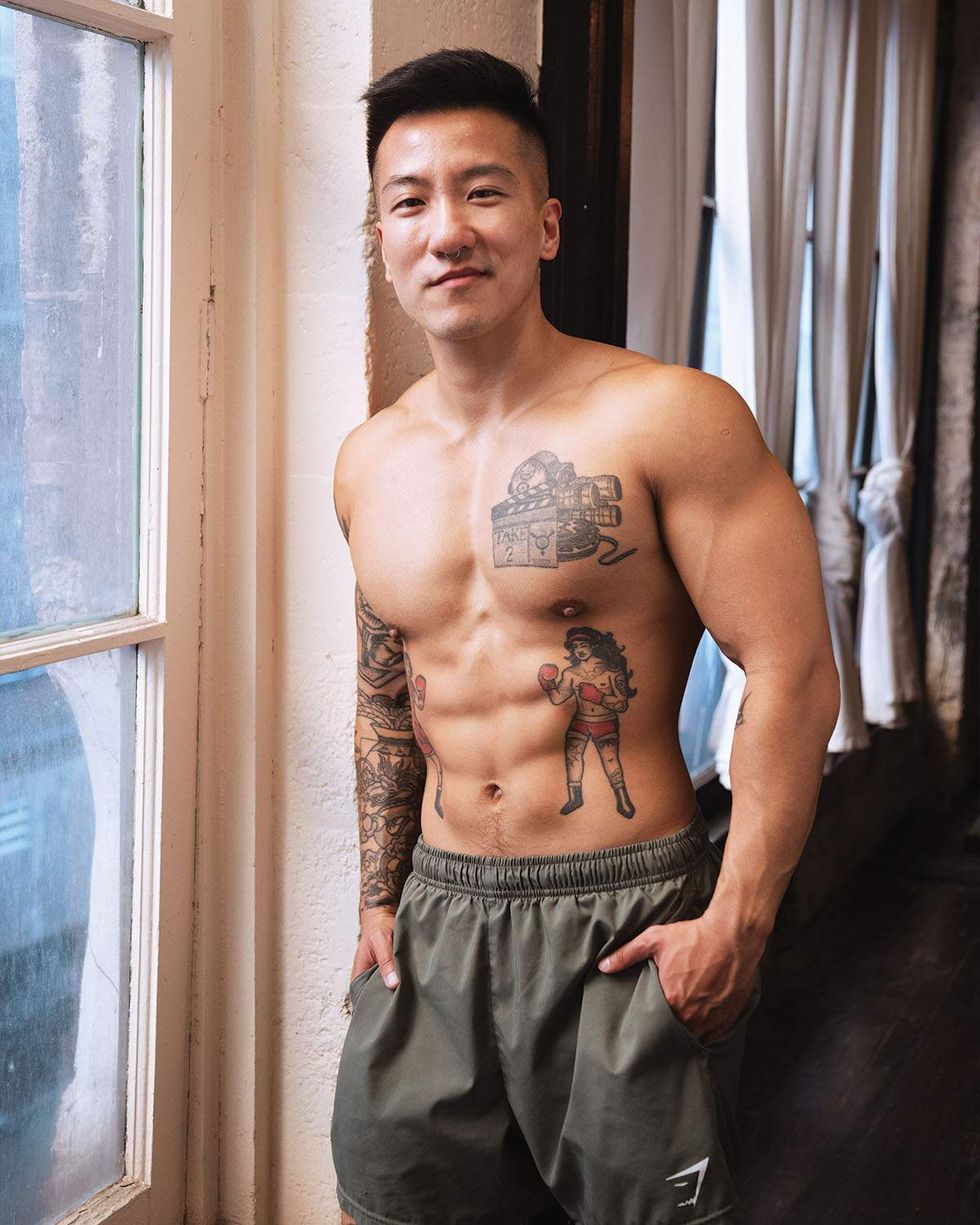 Landyn PanMadison Kirkman
Out: As a trainer, what achievable fitness New Year’s resolutions do you recommend to your beginner clients?
Landyn Pan: Everybody always says SMART [specific, measurable, achievable, relevant, and time-bound] goals, but I [think] setting intentions works even better. SMART goals are great too, but I find for a lot of folks, they can be too rigid and outcome-oriented, and if you don’t succeed, it feels discouraging. Too many people have goals without intentions, and not enough people have intentions (or goals and intentions — you can have both!). Intentions are rooted in the present. They’re centered around how you want to feel, and they focus on the actions you want to take. And I believe they give you a lot more flexibility.
A goal is outcome-oriented: I need to lose 20 pounds in six months.
An intention might be: I want to prioritize my health. I want to eat high-protein meals. I want to move my body consistently so I feel energized and strong.
These intentions take the pressure off the outcome, which is going to reduce stress and anxiety around the process and help you stay more positive and engaged. Life is going to throw you curveballs — and we want to anticipate that. We want to think about how to stay consistent in the midst of chaos and imperfection. Intentions allow us to adjust without feeling like we failed.
It can be hard for folks to be faithful to their goals beyond January. What are some tips for sticking to new routines?
A key thing we teach our clients is dial mentality versus on-and-off mentality. A lot of people treat health and fitness like an on/off light switch — when life gets busy or stressful, it’s off; when things are calm, it’s on. But I want people to think of it like a volume dial they can turn up or down depending on what’s going on for you.
No matter what’s going on in your week, there’s always something you can do that fulfills your intention. As a baseline, I always ask clients to think about their most chaotic weeks — when your boss asks you to work late, your partner needs support, or you have back-to-back social events. Then ask: What’s achievable in that type of week?
For many people, that “busy week” is actually just their normal life. Most adults are busy — rarely do you meet someone over the age of 22 who isn’t. So we have to understand that progress is still possible even in a full life. Humans love setting goals around ideal circumstances and ideal energy levels, but life rarely works that way.
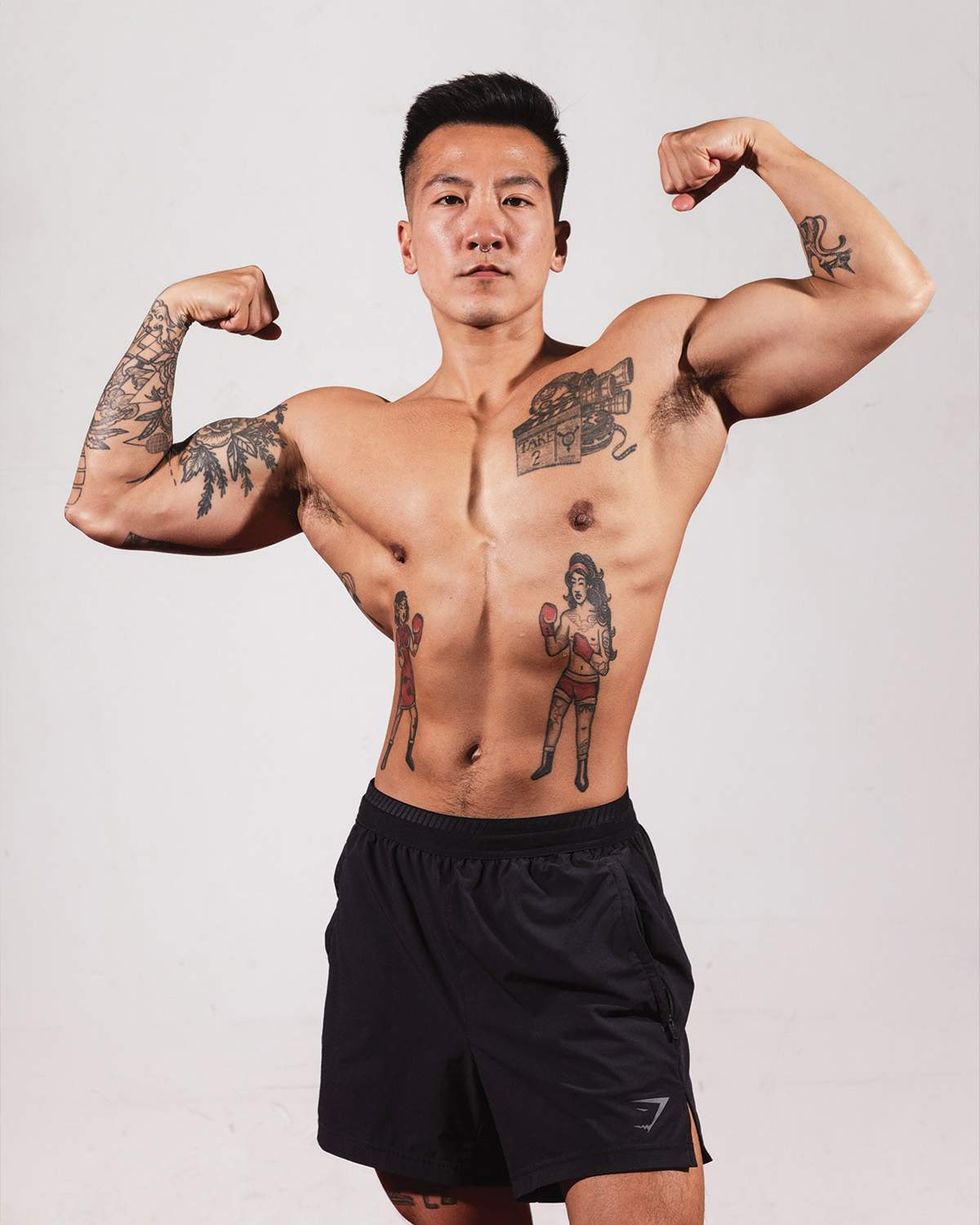 Landyn PanMadison Kirkman
From there, think about what you’ll do when you do have a little extra time — how you want to extend beyond the baseline. And then also think about the weeks that are even harder than usual — maybe there’s a family situation or a big deadline at work. What’s the bare-minimum version of movement or nutrition you can still commit to in those weeks?
I like clients to have a plan for these three scenarios: (1) normal busy weeks — your baseline; (2) chill weeks — where you can dial it up; (3) overwhelming weeks — where you keep things alive with the bare minimum.
This way, you focus on what you can do instead of what you can’t. If you anticipate the challenges and game-plan in advance, you’ll be more prepared when the situation arises. If you wait until the situation is here, you won’t have any time or energy to game-plan.
For many transgender people, exercise is a key part of their transition. How did you change your routine during your own journey, and how did it impact your mental health?
I actually didn’t do any weight lifting before I came out as trans or even for several years after I started my physical and medical transition. I don’t think I was ready yet. I had to get to a place where I could even think about my body more honestly and reflectively to even realize what I was missing.
Before being on testosterone and even for the first few years, I barely thought about my body at all. I focused on other things. In high school and college, I was much more into art — everything I loved was very cerebral, not physical. And I don’t think I wanted to think about my body back then. That’s how strong the disconnection to my own body was.
But after taking testosterone for a few years and getting top surgery, those changes helped me develop a better relationship with my body. And that opened up space for me to think about the next step for myself. At that point, I could finally recognize that yes, my body was in a much better place than before — but I also wanted more for myself. And that desire is ultimately what led me into fitness.
Mental health-wise, I’d say fitness transformed everything. I didn’t necessarily have poor mental health before — my life felt fulfilling in so many ways. I had a lot happening artistically, community-wise, socially. But fitness opened up an entirely new world for me.
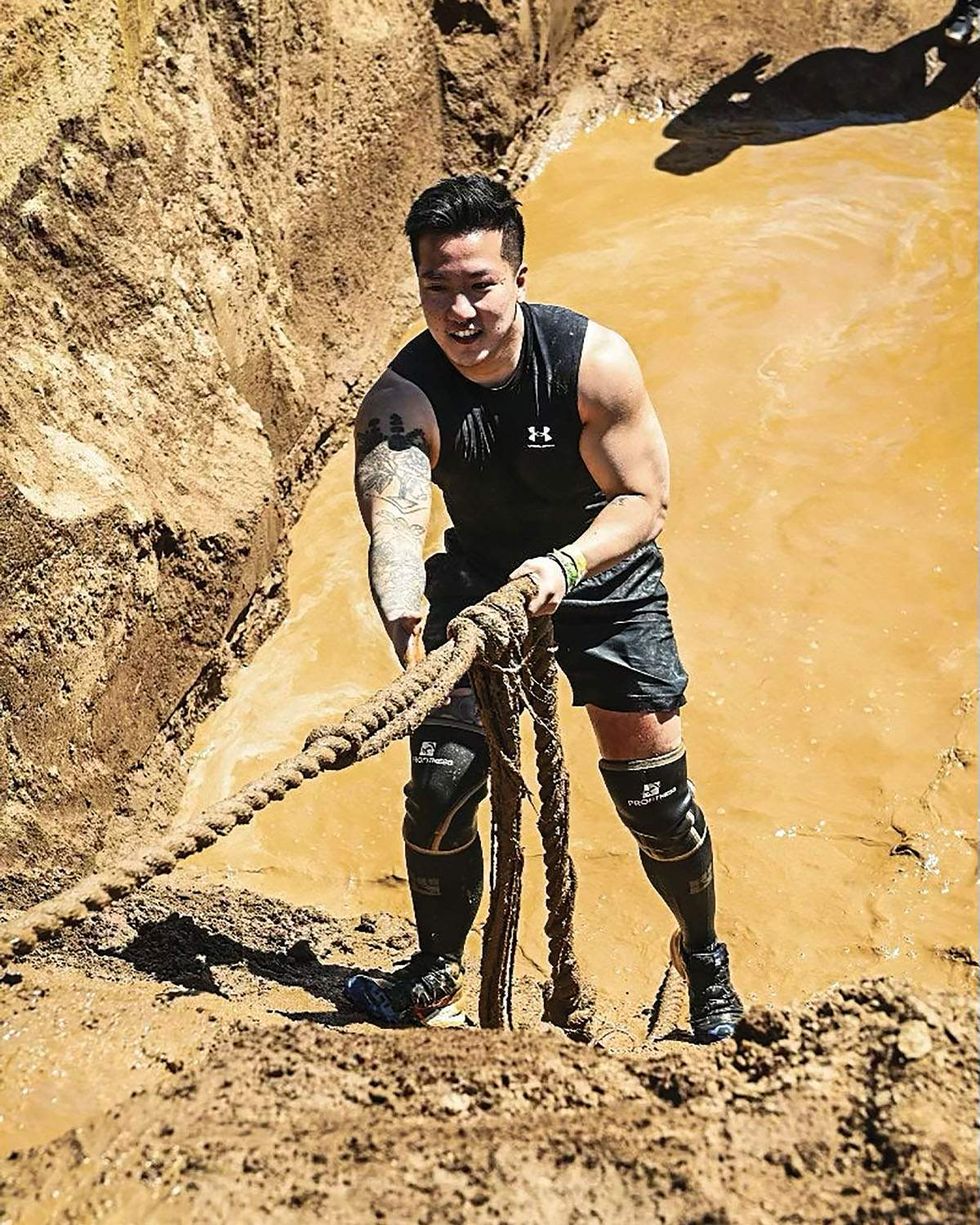
Like I mentioned, everything I loved before was cerebral, not physical. Fast-forward several years, and now I’m deeply into outdoor activities — camping, hiking, playing in bodies of water, all of it — and I really love this version of myself. It feels very joyful, playful, and youthful. Fitness has only made life richer, and I wish I got into it sooner.
 Landyn PanCourtesy
In what specific ways do you work with trans clients on their fitness goals?
I really believe in a holistic approach when it comes to trans and queer people, because to me, fitness is not just about fitness. It’s always deeper than that. It is so much more than workout plans. To me, my work is about transforming people’s relationships with movement, with food, and ultimately with themselves and how they show up in the world.
I could never relate to fitness the way cis straight guys do, and that was a huge barrier for me entering the fitness world. For the longest time, I just didn’t see myself in it or relate to it. Even within the trans fitness community, things can still feel rigid and overly physique-focused. And there’s nothing wrong with wanting a specific physique — I did the same thing — but I think the problem is assuming that every trans person wants that.
That’s why it’s very important to me to approach every person and conversation with curiosity. I ask a lot of questions. I never want to assume someone’s goals, why those goals matter, or why this journey is meaningful to them. I like to dig into the deeper “why” behind everything, because on the surface, people might appear to have the same one or two goals — but once you really listen, you realize everybody comes in with a completely unique perspective.
Everyone’s deeper goals are different. Why those goals matter is different. And the personal histories, identities, and experiences people bring into fitness are all incredibly varied.
How important is nutrition to you?
I think people often underestimate the power of nutrition in both how you feel and how you look. Nutrition is just as big to me as going to the gym. It’s been equal since day one.
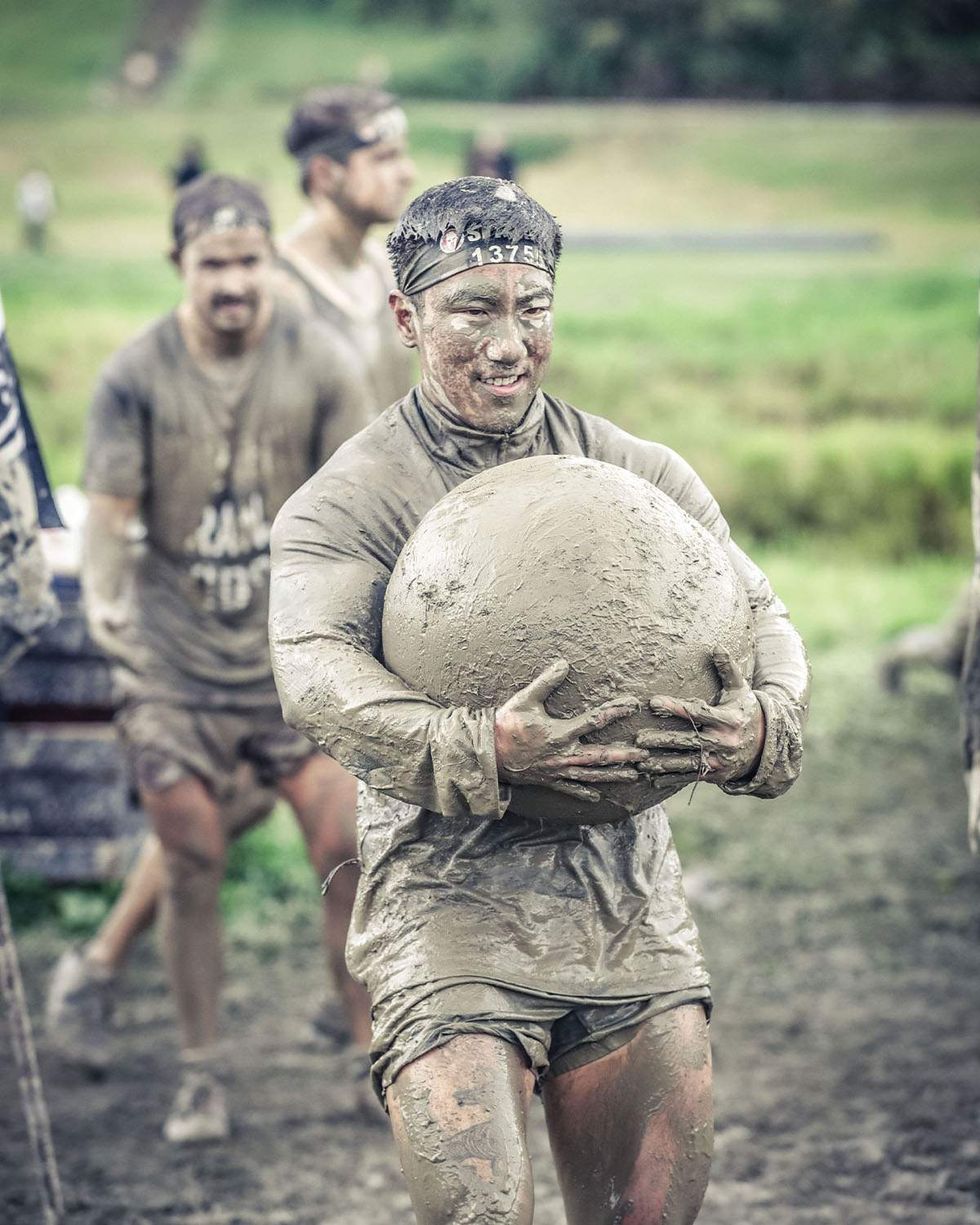
When I started my fitness journey, I barely knew how to cook. I was in my early 20s and only knew how to make a handful of things — like jarred pasta or boxed Japanese curry. I had to learn everything from scratch. And I told myself, If you really want to succeed, you have to eat well consistently. If you want to eat well consistently, you have to cook a lot. And if you’re going to cook a lot, (1) you better get good at it, and (2) you better start liking it.
So I made it my mission to find whatever it took to enjoy cooking, because it’s that big of a part of fitness — and of life in general. If you’re good at meal prep, you’re good at a life skill: grocery shopping weekly, making lists, choosing meals, picking the right ingredients. That will serve you at every stage of life.
 Landyn PanCourtesy
We are constantly engaged in an algorithm-controlled, AI-littered landscape that promotes body dysphoria and unrealistic standards. Amid this, how do you advise clients, particularly LGBTQ+ folks, to achieve healthy goals and be proud of them?
Step away from whatever is making you feel off. For me personally, as a trainer, I like exploring all sides. I’ve read tons of anti-diet literature — books, podcasts — I’ve learned from science-based nutritionists and trainers, and I’ve also listened to what the bodybuilder meatheads have to say, just because I’m curious. And then from all of that, I form my own opinion. You can do that too and decide what type of content you want to consume.
Do you believe there’s a link between body-shaming and anti-LGBTQ+ stigma?
Yes, I definitely think body-shaming is connected to anti-LGBTQ+ stigma. You know, the unfortunate thing right now is the country — and it feels like the whole world right now in this time — is swinging right (politically). And with that, some queer people are swinging right too. Body policing, at the end of the day, goes back to telling people what they should or shouldn’t look like or do with their bodies, a lot of times based on gender.
In the trans community especially, there’s growing pressure to be the kind of trans person who feels “palatable” enough to win acceptance to protect our rights — or I hate that I have to say this now — gain back our rights. It’s so disheartening to see trans people thinking like that or spreading that type of rhetoric because there’s truly no one right way to be trans. Being trans should be a freedom from gendered expectations.
At the end of the day, telling trans people there’s a specific way we need to look or be is anti-trans. To me, it all ties back to bodily autonomy — the right to make choices about our bodies without shame, whether that’s about gender expression, fitness goals, medical transition, or reproductive justice. It’s a human right to choose what we do with ourselves.
What is the importance of fitness to you in today’s political climate?
At the end of the day, [right-wing forces] want trans people to fail, to feel miserable, and to feel afraid, and finding yourself through fitness or taking the driver’s seat when it comes to your health is a way to go against that. People talk about collective community and activism, which I believe in. But you can’t do anything if you yourself are run-down and dull without energy.
The time is going to pass anyway, and a lot of things are going to happen anyway because they’re not in our control. But this — ourselves, our bodies — this is one of the things we do have control over.
 Landyn PanMadison Kirkman
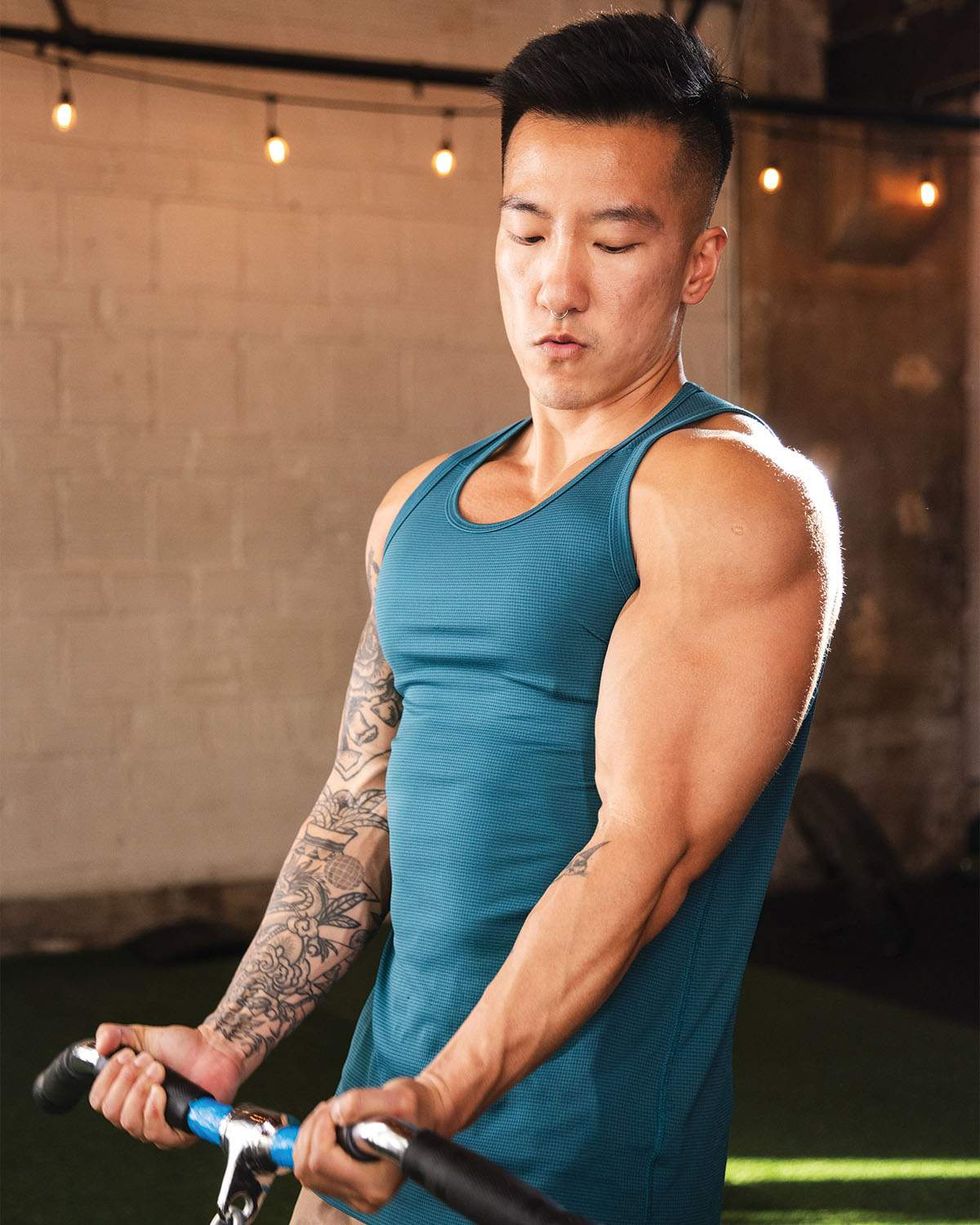
Landyn’s Big Arm Workout
Here’s a simple arm day. This is 10 isolation sets each of biceps and triceps:Here’s a simple arm day.
Superset A: 3 x 10-12 reps
Cable EZ bar bicep curl
Cable EZ bar tricep push down
Superset B: 2 x 10-12 reps
DB incline curl
DB overhead tricep extension
Superset C: 2 x 10-12 reps
DB preacher curl
Cable tricep rope pushdown
Superset D: 2 x 10-12 reps
Cable rope hammer curl
Cable tricep rope overhead extension
This article is part of OUT’s Jan-Feb 2026 issue, which hits newsstands January 27. Support queer media and subscribe — or download the issue through Apple News+, Zinio, Nook, or PressReader.