

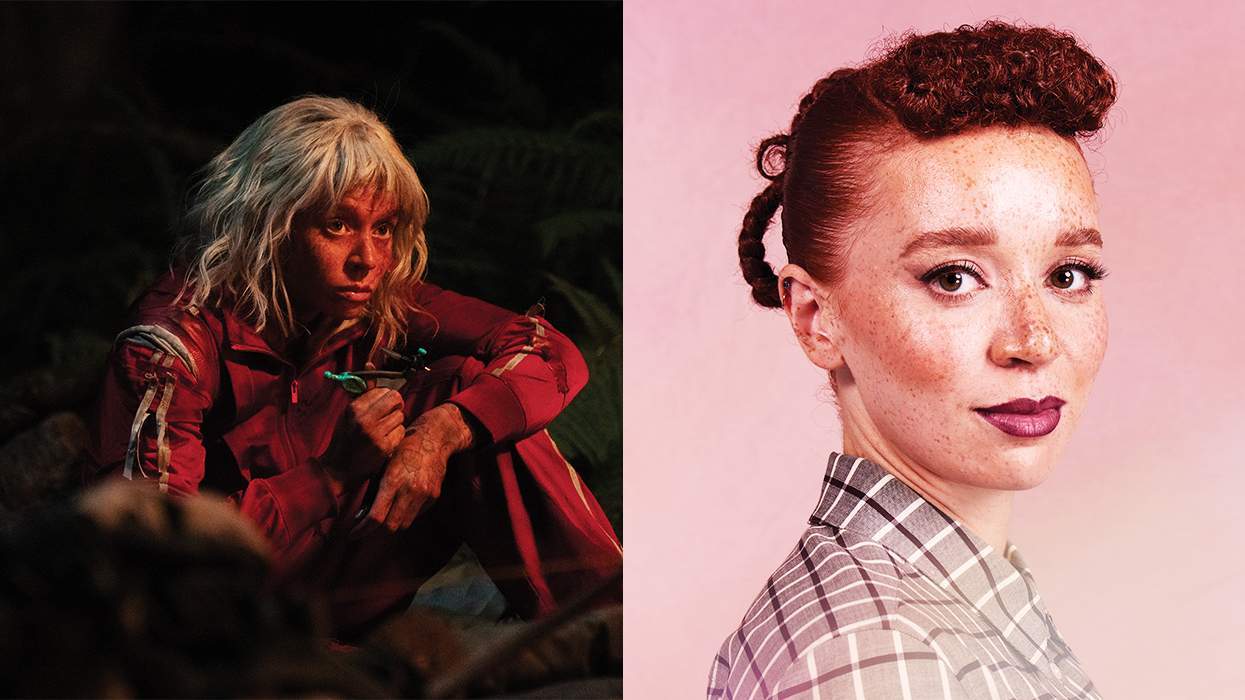

Ten years can feel like a lifetime in the entertainment industry, a sentiment that rings particularly true for the rise of Erin Kellyman. It was in 2015 that the British actress first appeared on-screen in the quirky U.K. sitcom Raised by Wolves, a debut that showcased a raw, naturalistic talent far beyond her teenage years. In the decade since, the now-27-year-old movie star has navigated a career trajectory that most actors only dream of, leaping from the cobblestones of British drama to the hyper-speed lanes of Hollywood’s biggest intellectual properties.
Since her debut a decade ago, Kellyman has battled across a galaxy far, far away in Solo: A Star Wars Story, led a revolution in Marvel’s The Falcon and The Winter Soldier, and wielded a sword as a queer romantic lead in Disney+’s Willow. Recently, she found herself under the direction of Scarlett Johansson in the June Squibb-starrer Eleanor the Great, a collaboration that Kellyman cites as a career peak.
“Honestly, working with Scarlett Johansson recently has been, I mean, it’s insane,” says Kellyman. “I didn’t ever think I’d be in a room with her, so to be directed by her was incredible.”
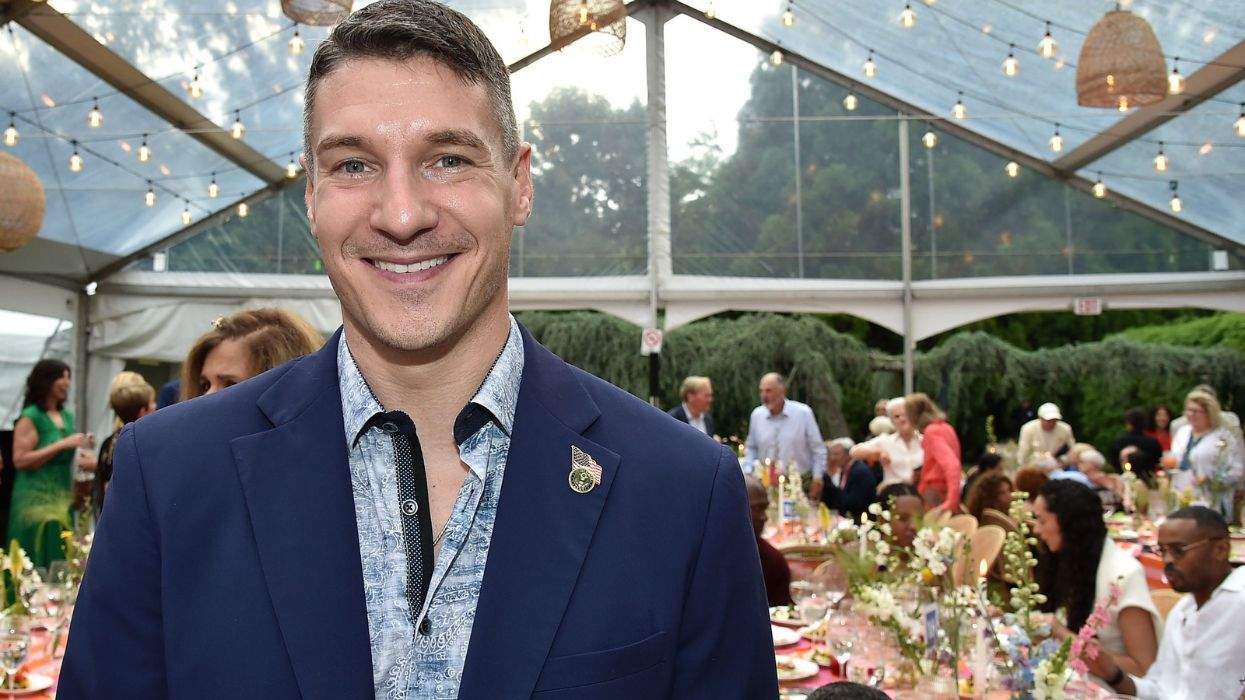
 Erin KellymanDerek Reed/Getty Images
However, her immediate future lies in a darker, more terrifying realm. This January, Kellyman stars in 28 Years Later: The Bone Temple, the fourth installment in the 28 Days Later franchise initiated by filmmaker Danny Boyle and writer Alex Garland about a post-apocalyptic world where a pathogen threatens to turn humanity into zombies. She plays Jimmy Ink, a character she describes as “extremely complicated and extremely traumatized.”
“She’s like part of a cult, and she has been part of that since she was maybe like 8 years old. And you follow her on a journey to waking up. I think I decided that her survival technique is dissociation,” Kellyman reveals. “So when I say ‘waking up,’ it’s sort of snapping out of that fog that she’s put over herself to keep herself safe.”
The Bone Temple marks a departure for Kellyman, who admits she is usually terrified of the horror genre. “I’m not great with horror,” she confesses.
As for the film itself, Kellyman describes it as “wild, weird, and scary.” “Honestly, but it’s also just deep,” she adds. “There’s so much more than just jump scares. It’s about humanity and hope. There’s a lot going on.”
This latest installment, directed by Nia DaCosta, produced by Boyle, and also starring Ralph Fiennes, promises to address the divisive tonal shift seen at the end of 28 Years Later, where a group of highly trained youths dressed in tracksuits and blond wigs — the “Jimmies” — make their head-scratching appearance. During that final scene, Kellyman’s character is glimpsed performing a flip as her faction dispatches a horde of infected in a hyper-violent, albeit cartoonish way. (Note: The two films were shot back-to-back, with the former directed by Boyle.)
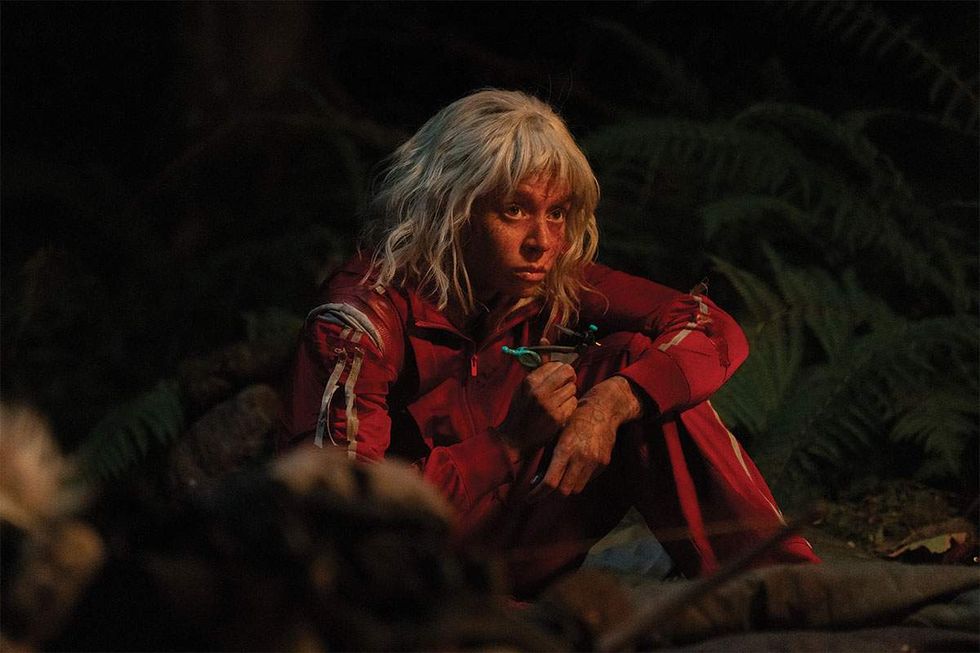 Kellyman as her character Jimmy Ink in '28 Years Later: The Bone Temple'Sony Pictures
Kellyman defends the shift as an injection of necessary chaos. “I found it exciting to have that flash of colors: blond, blues, and reds — like, just chaos at the end of the film. ... You see these Jimmies — this group of teenagers — just completely whoop them with their eyes closed. To me, that’s exciting.”
Given her prominent roles in 28 Years Later, Solo, The Green Knight, Willow, and the Marvel Cinematic Universe, one might assume Kellyman is a die-hard devotee of sci-fi and fantasy. But her personal tastes lean much closer to home.
“I think I was always more drawn to sort of movies like This Is England and movies that were super realistic and super naturalistic,” she explains. “Things about everyday people going through everyday things. I think that’s what I’m most drawn to, and I’d like to branch out into more of that too.”
One of the most significant chapters in Kellyman’s recent career was the “honor” of portraying Jade Claymore in the 2022 Disney+ series Willow. As a queer woman playing a queer character in a high-fantasy setting, Kellyman brought a layer of authenticity to the role that resonated deeply with audiences. For her, the “bravery” wasn’t in the performance but in the normalization of queer love.
“I remember speaking to somebody on the production about it. He was saying how brave it was. And I was like, ‘It’s not brave. I’m just being me.’ I do this every single day as a queer woman,” she recalls. “It was brief, but I’m happy that there was that normality shown on screen.”
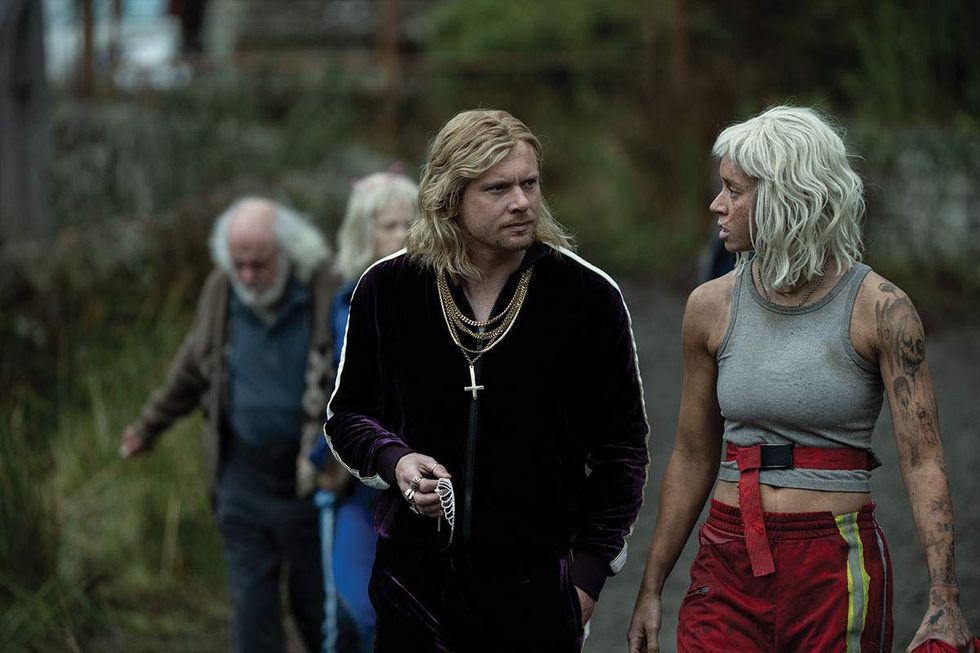 Kellyman with costar Jack O’ Connell in a scene from 'The Bone Temple'Sony Pictures
Kellyman credits show creator Jonathan Kasdan for writing a world where sexuality wasn’t a source of angst or plot-driven taboo. “Jon had made it so there wasn’t really much stigma around it. It’s just people love who they love, and no one has to come out,” she notes. “The only reservation that they had was ruining a friendship — it wasn’t questioning if they were queer or not. And I just think that it’s beautiful to have queer representation shown in a safe space.”
As she looks toward the next decade, Kellyman is returning to the basics of her craft. This February, she will make her stage debut in Evening All Afternoon at the Donmar Warehouse in London. It is a challenge she finds both intimidating and exhilarating.
“I’m so terrified but so excited just to sort of like strip everything back,” she says. “I think theater is solely about the acting rather than anything else.”
Despite a fleeting interest in writing and directing, Kellyman remains steadfast in her primary identity. The girl who started as a teenager “bouncing off the walls” with excitement when she landed her Raised by Wolves gig is still present in the woman now commanding the screen alongside Hollywood legends.
“I see myself as an actor forever. I can’t imagine doing anything else,” she concludes.
28 Years Later: The Bone Temple is in theaters everywhere January 16.
This article is part of OUT’s Jan-Feb 2026 issue, which hits newsstands January 27. Support queer media and subscribe — or download the issue through Apple News+, Zinio, Nook, or PressReader.