
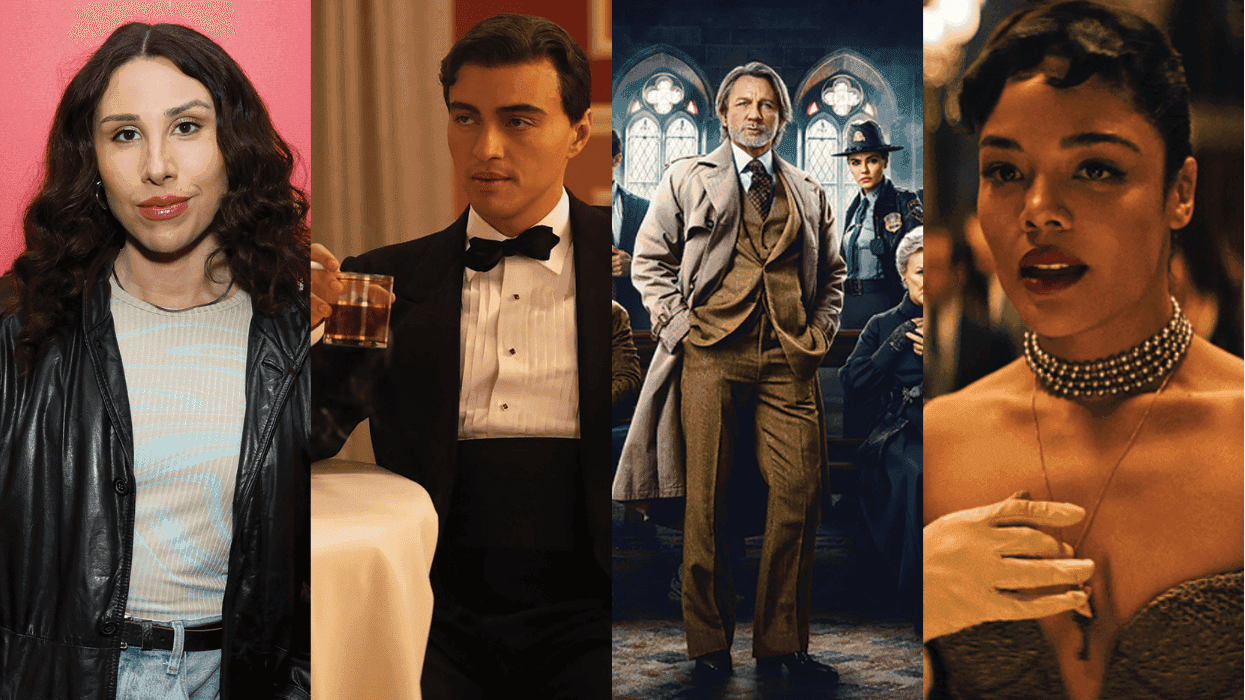
Best Original Screenplay:
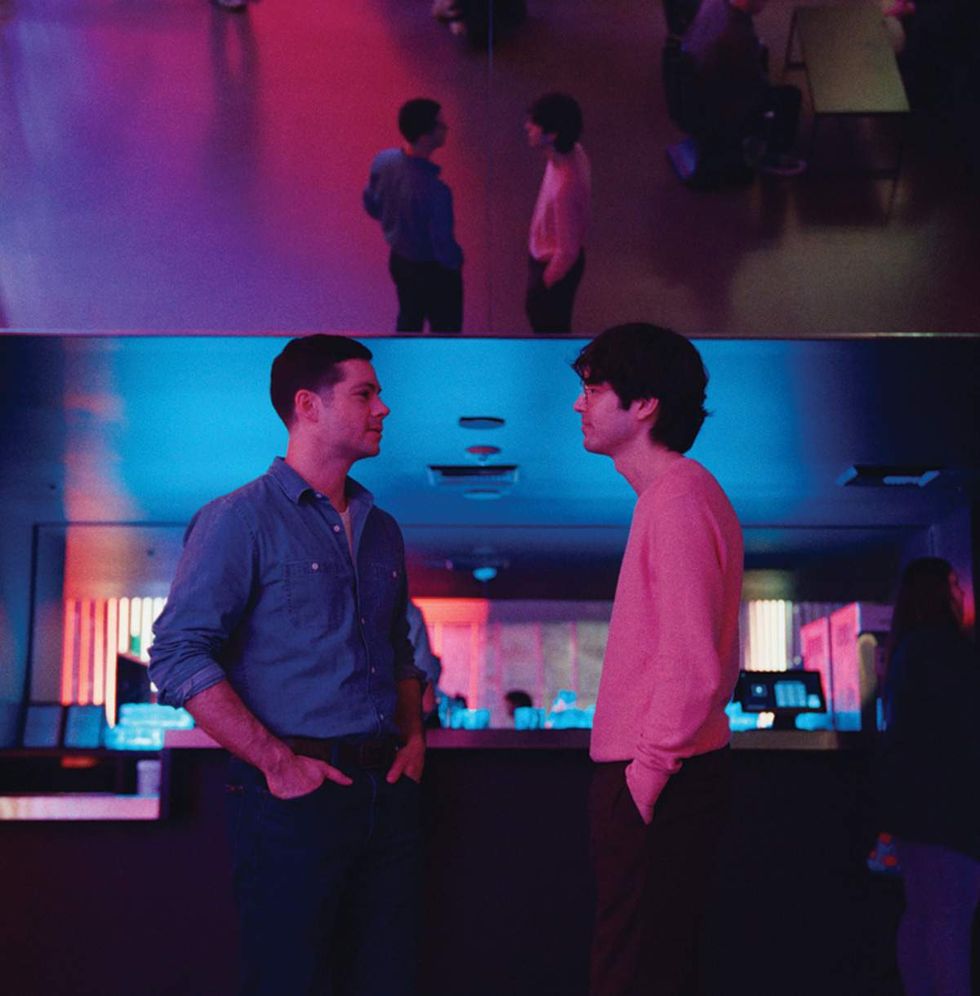
Dylan O’Brien (left) and James Sweeney in a scene from the movie 'Twinless'
courtesy Roadside Attractions
James Sweeney / Twinless
James Sweeney is a filmmaker to watch. The gay writer, director, and actor’s latest film, Twinless, is one of the year’s most darkly hilarious, wildest, and best-written movies. Sweeney stars as Dennis, an unassuming gay man with a pathological lying issue who befriends a young man named Rocky (Dylan O’Brien) in a support group for people who have lost a twin. It’s twisty, depraved, and funny, and keeps audiences on the edge of their seats. This script is acerbic, sharp, and tighter than O’Brien’s body. —Mey Rude
Best Adapted Screenplay:
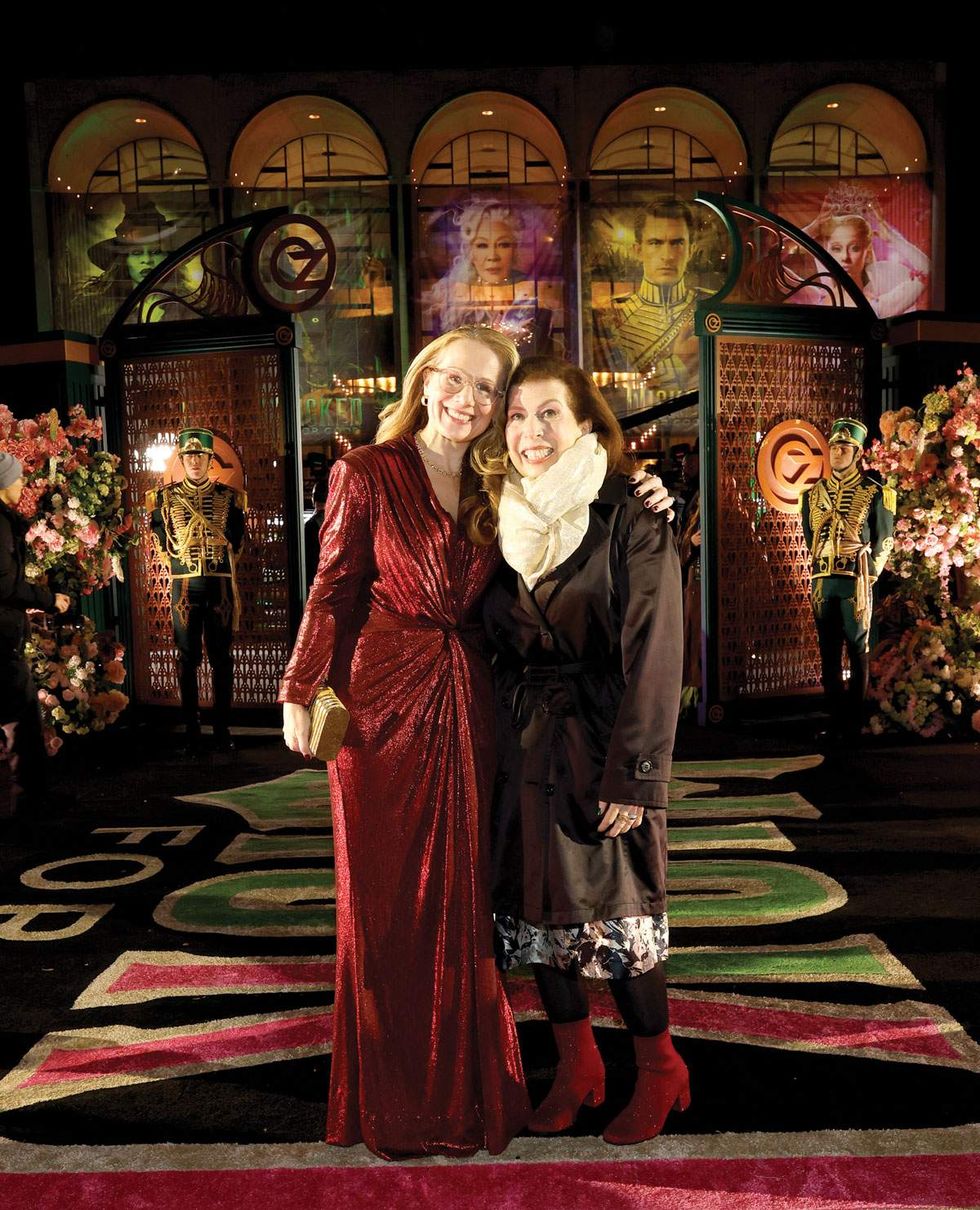
'Wicked' screenplay cowriters Dana Fox (left) and Winnie Holzman
Kevin Mazur/Getty Images for Universal Pictures
Winnie Holzman and Dana Fox / Wicked: For Good
Wicked: For Good is the momentous second installment of the franchise starring Cynthia Erivo and Ariana Grande, concluding the story of Elphaba and Glinda and their fight against fascism in the Land of Oz. Fans knew what was coming — Grande’s stirring interpretation of “Thank Goodness,” Erivo’s exhilarating version of “No Good Deed,” but most importantly, the emotionally climactic duet, “For Good.” Both women delivered performances of a lifetime in their final scene together. And the collaboration between two off-screen women — Winnie Holzman, writer of the original Broadway book, and Dana Fox — must be credited for adapting Gregory Maguire’s novel into a soaring big-screen return to Oz. —Moises Mendez II
Best International Feature:
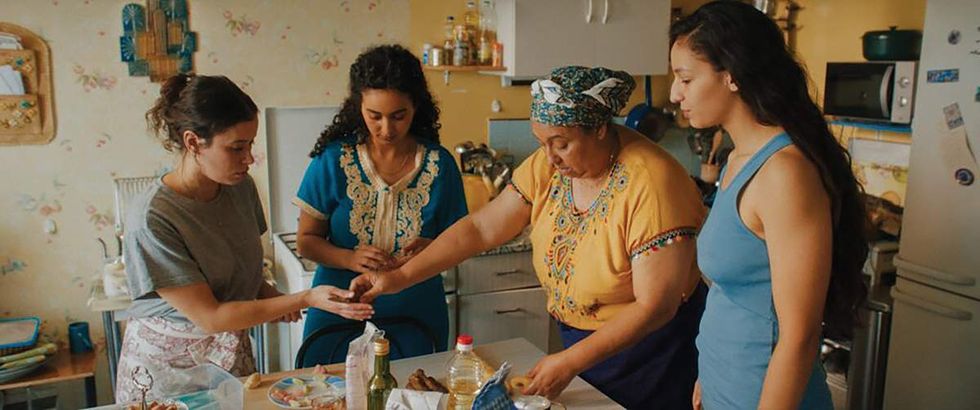
A scene from 'The Little Sister'
June Films
The Little Sister
Premiering at the Cannes Film Festival, the coming-of-age tale The Little Sister won the Queer Palm as well as Best Actress for star Nadia Melliti, who portrays a young French-Algerian woman navigating family, her Muslim faith, and queer identity in Paris. Directed and co-written by Hafsia Herzi, The Little Sister is based on the novel by Fatima Daas, a lesbian daughter of Algerian immigrants raised in the Paris suburbs. This background grounds the film with the authenticity of lived experience, which was brought to life by Melliti’s tour-de-force performance. —Daniel Reynolds
Best Original Song:
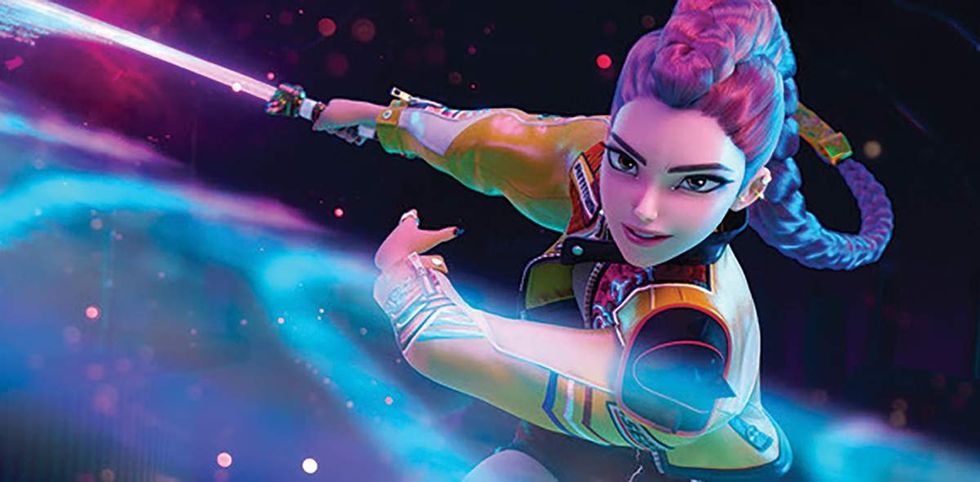
Netflix/Sony Pictures Animation
“Golden” / Kpop Demon Hunters
In less than a year, Netflix’s wildly popular animated film Kpop Demon Hunters became an undeniable smash hit after becoming the most-watched original title ever on the streaming service, racking up over 325 million views. Part of the movie’s critical acclaim came from its stunning animation and visual style, but much of its success came from the original songs and the voice actors’ performances. One of those songs, “Golden,” co-written by Out100 honoree Mark Sonnenblick and EJAE, became the standout hit of the movie, finding success on its own — topping the Billboard Hot 100 for months. It’s sure to be a hot nominee this awards season — and more importantly, it’s been embraced by the LGBTQ+ community as an anthem of perseverance. —M.M.
Best Documentary:

A scene from the documentary 'Come See Me in the Good Light'
Apple TV
Come See Me in the Good Light
Director Ryan White (Good Night Oppy, Coded) asked comedian Tig Notaro to bring him an idea for a documentary. Being that she’s a funny woman, he thought it would be lighthearted, but he wasn’t expecting a life-changing experience. In his latest film, White followed the Colorado poet laureate Andrea Gibson and their wife, Megan Falley, as they navigated Gibson’s medical journey with an incurable ovarian cancer. The documentary, which premiered after Gibson’s passing, is an arresting meditation on life and death — two themes that Gibson often grappled with in their spoken word poetry. It’s not a movie about the end, but a celebration of existence that deserves to be played over and over. —M.M.
Best Animated Film:
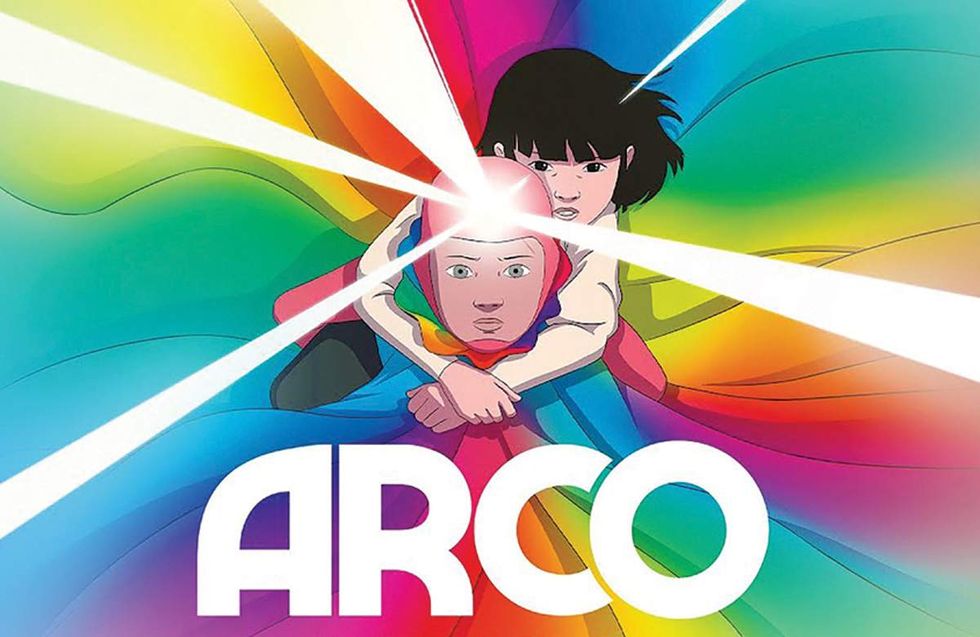
Neon
Arco
In Arco, a moving animated film from French director Ugo Bienvenu, a young time traveler from the far future named Arco gets stuck in the near-distant future of 2075. There, he meets a girl named Iris, who tries to help her lost friend find a way home. With a voice cast that includes Natalie Portman, Mark Ruffalo, and Will Ferrell, Arco is the kind of children’s movie that’s rare nowadays; it’s beautifully hand-drawn, and it’s also unafraid to speak to kids about serious issues. (Climate change plays a big part in the story, as the near-future world is ravaged by fires and storms.) Arco’s rainbow suit, which gives him the ability to move through the years, will also symbolically resonate with queer kids (and queer kids at heart) who ever felt like they never fit in their eras either. —D.R.
Best Actor:
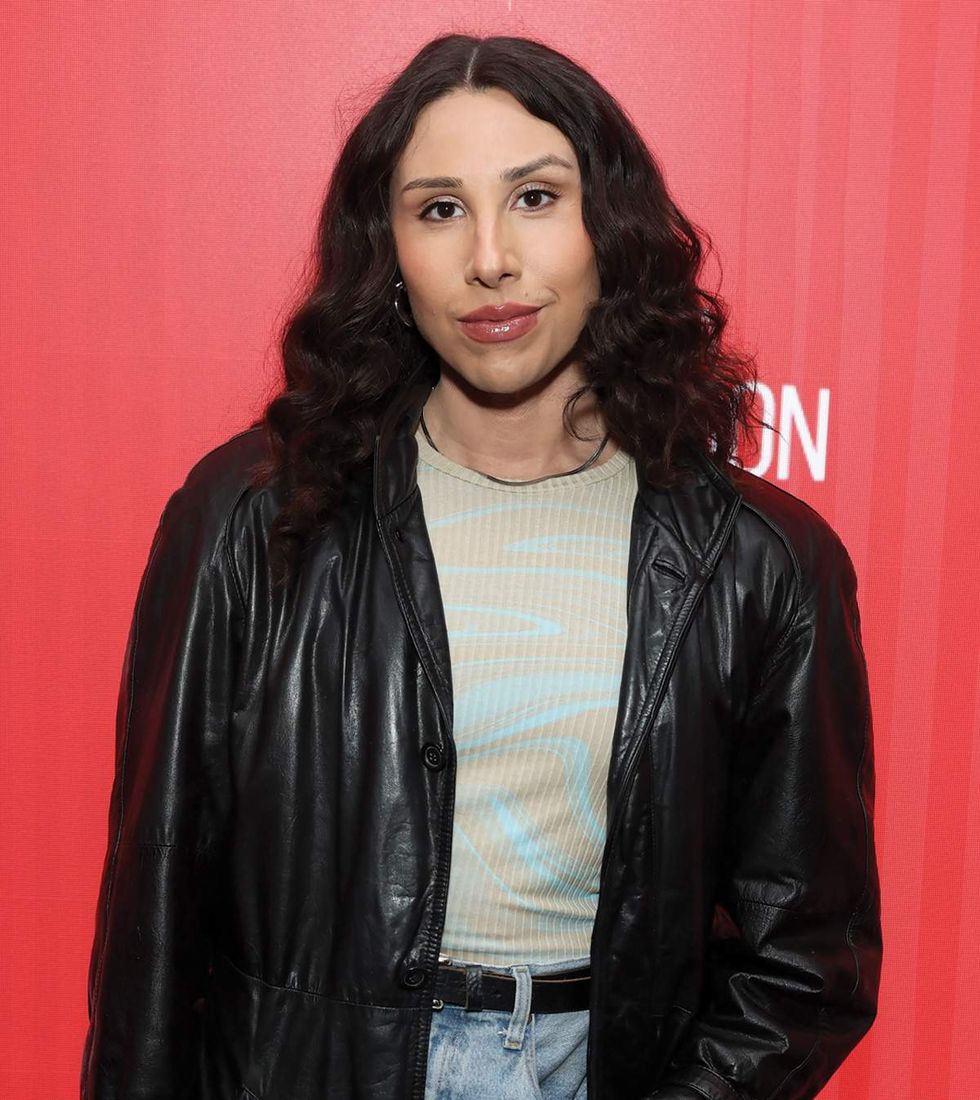
River Gallo, writer and star of 'Ponyboi'
Dominik Bindl/Getty Images
River Gallo / Ponyboi
Just try to watch Ponyboi and not fall in love with River Gallo. Gallo, who wrote the film and plays the titular character, an intersex sex worker who goes on the run from the mob. The character is one part Marissa Tomei, one part young Al Pacino, and 100 percent electric. As an actor, Gallo has the type of magnetism that can’t be taught and instantly elevates any film they are in — the kind that true movie stars have. Ponyboi — which also features a fantastic ensemble that includes Dylan O’Brien, Victoria Pedretti, and Murray Bartlett — takes place over one frantic Valentine’s night, and no matter how intense things get, Gallo is the lodestone that keeps it all grounded. —D.R.
Best Supporting Actor:
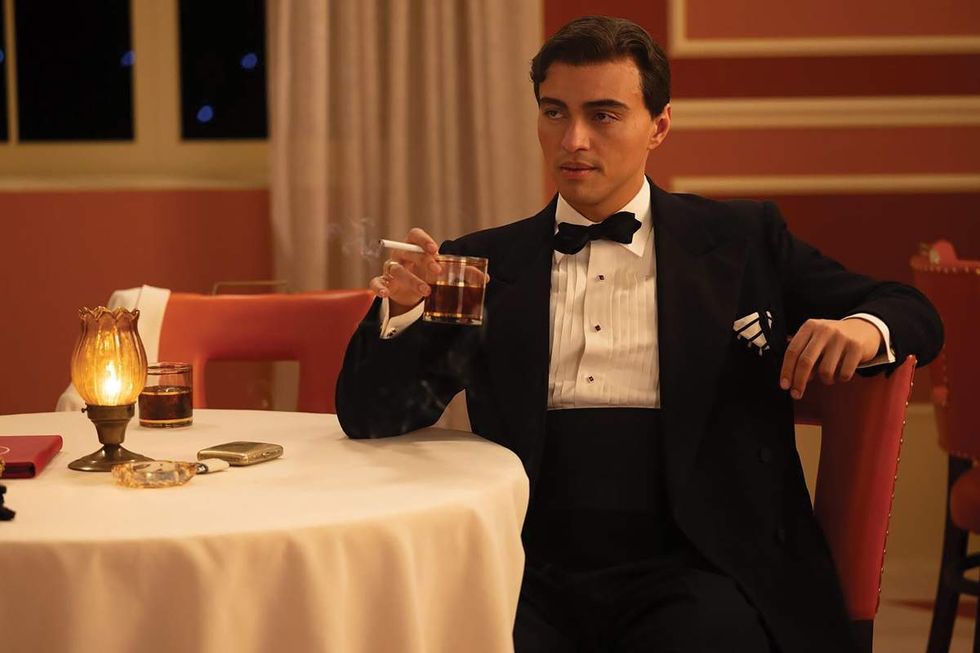
Tonatiuh in 2025's Kiss of the Spider Woman
courtesy Roadside Attractions
Tonatiuh / Kiss of the Spider Woman
Tonatiuh excelled at not one but two roles in Kiss of the Spider Woman, Bill Condon’s (Chicago, Dreamgirls) adaptation of the 1992 Terrence McNally stage musical. They played a queer prisoner in Argentina, Luis Molina, who escapes the terrors of confinement by recounting the plot of his favorite film, starring Ingrid Luna (Jennifer Lopez), to his cellmate, the political revolutionary Valentin (Diego Luna). Tonatiuh goes head-to-head with Luna in their harrowing, pressure-cooker prison scenes — in between dancing toe-to-toe with Lopez in their dazzling musical fantasy sequences. This acting tango, coupled with the film’s politically resonant message of resistance in an era of repression, elevates Tonatiuh’s performance to one of the year’s best. —M.M.
Best Supporting Actress:
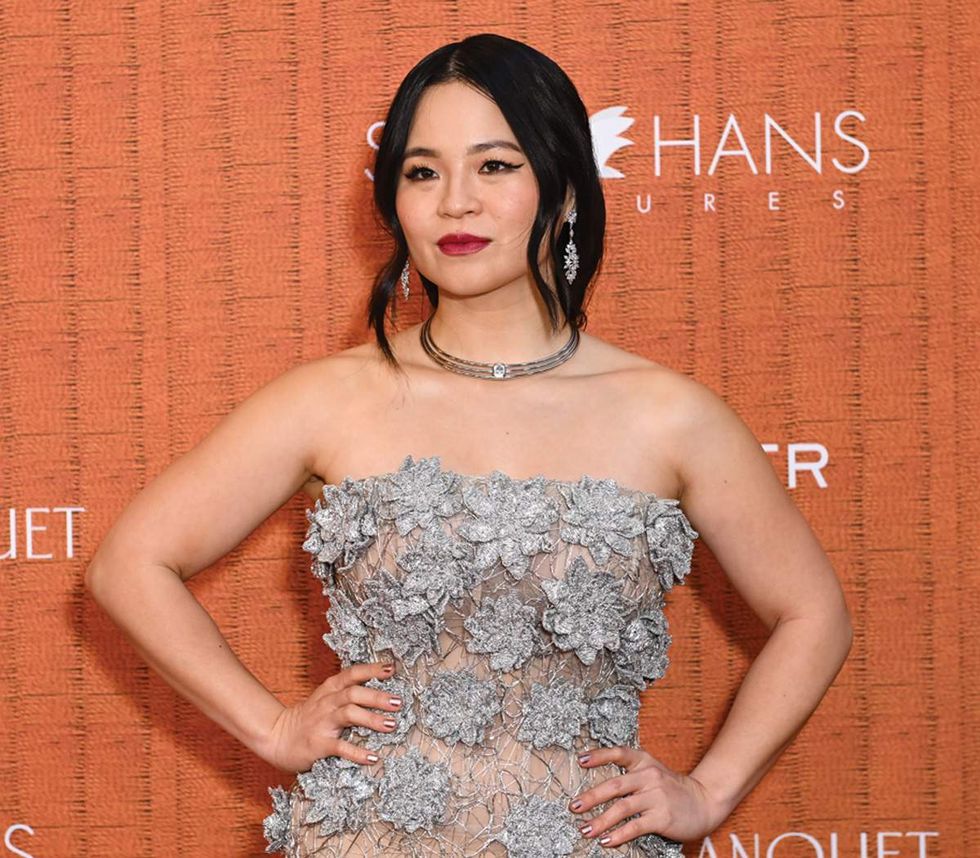
Kelly Marie Tran
Olivia Wong/WireImage
Kelly Marie Tran / The Wedding Banquet
The Wedding Banquet offered a new type of role for Star Wars breakout Kelly Marie Tran, who had the opportunity to stretch her comedic and dramatic skills as a lesbian scientist attempting to become pregnant with her partner, Lee (Lily Gladstone). Opposite Joan Chen as her too-enthusiastic ally mom, Tran is the emotional heart of Andrew Ahn’s film, drawing viewers in with her delightful charm and delivering emotional punches when needed. The role is even more personal for Tran as she came out as queer after filming the movie; she was also able to explore her relationship with her own mother through playing her character in the film, adding another layer of realism. —M.R.
Best Actress:
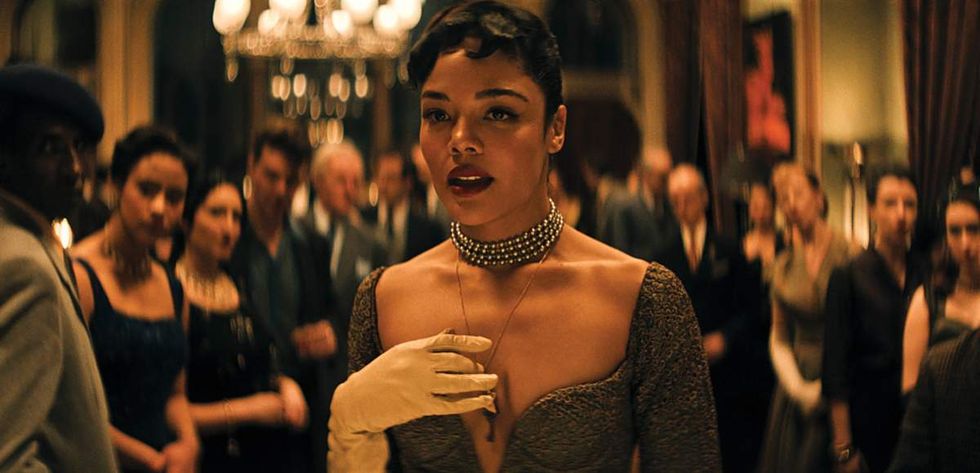
Tessa Thompson in a scene from 'Hedda'
Amazon Studios
Tessa Thompson / Hedda
The 1891 play Hedda Gabler, from Norwegian playwright Henrik Ibsen, is considered one of the masterpieces of the theater canon. And its Prime Video film adaptation starring Tessa Thompson as the titular character does not disappoint, with Thompson delivering a performance for the ages. In this adaptation from director Nia DaCosta, Hedda is a Black queer woman living in 1950s England. She convinces her academic husband, George (Tom Bateman), to throw an opulent party, where she plays dangerous games with her ex-lover (and George’s academic rival) Eileen (Nina Hoss). Thompson is captivating as Hedda as she grapples with feelings for an old flame, a husband she doesn’t love, and a fabulous party destined to end in flames. —D.R.
Best Director:
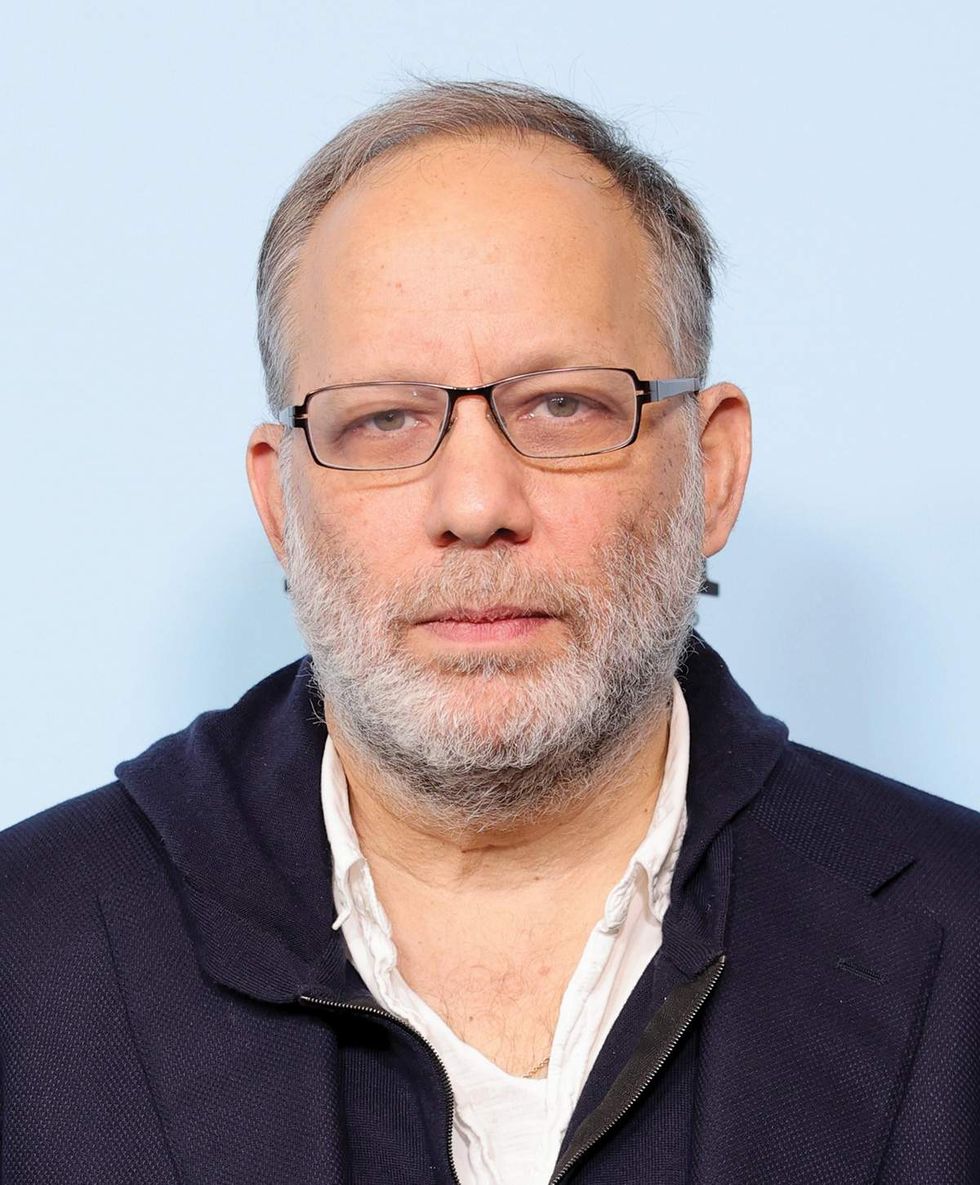
Director Ira Sachs
Maya Dehlin Spach/Getty Images
Ira Sachs / Peter Hujar’s Day
A good director imparts a memory that will last a lifetime, but a great director transports viewers to a time and place they’ve never experienced before. That’s the case with Ira Sachs’s latest film, the intimate and tactile Peter Hujar’s Day, based on a real-life day that famed gay photographer Peter Hujar (Ben Whishaw) spent with his writer friend Linda Rosenkrantz (Rebecca Hall). The film features only two actors in one location, but feels as though it creates an entire universe. Sachs’s impressive control turns his story into a time machine, transporting viewers to one magical day in 1970s New York City. —M.R.
Best Picture:
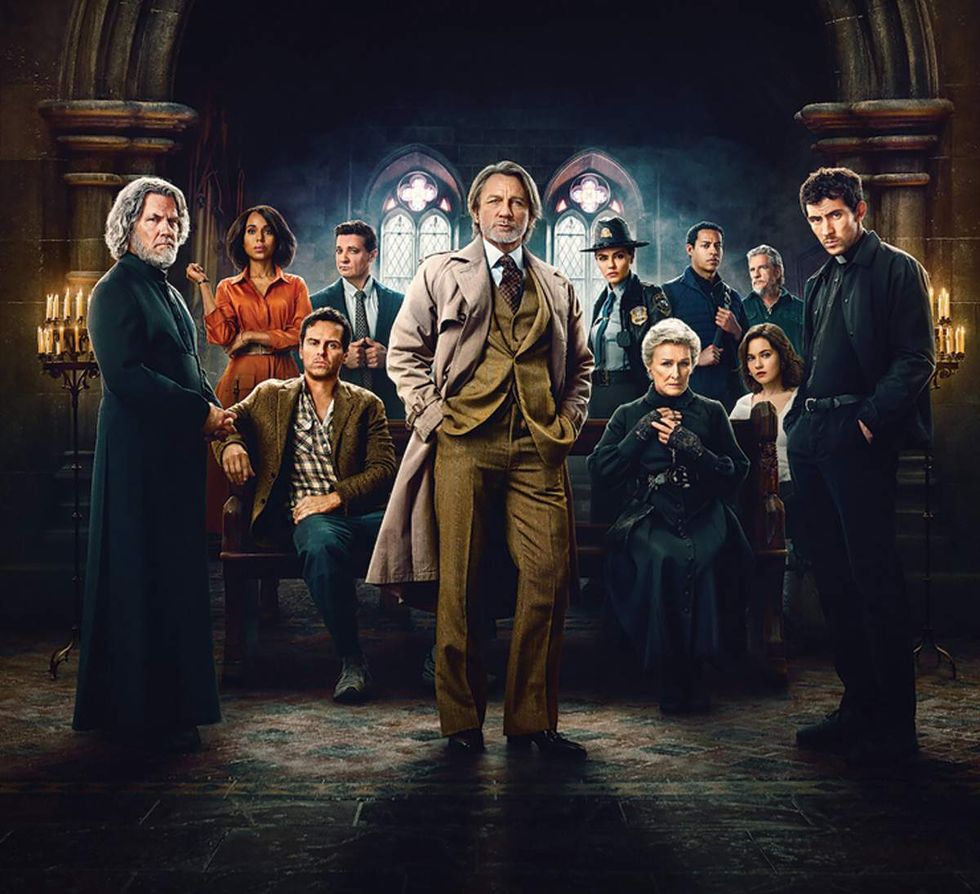
Netflix
Wake Up Dead Man: A Knives Out Mystery
Netflix’s Wake Up Dead Man may seem like a surprising choice for Out’s Best Picture. But Rian Johnson’s latest murder-mystery installment is undeniably his strongest. By putting flamboyant detective Benoit Blanc on the case of a murdered priest, Monsignor Jefferson Wicks (Josh Brolin), Johnson deftly dives into this era’s thorniest political and cultural issues. Placed opposite the true-believing young priest Father Jud (Josh O’Connor), Blanc is a great defender of reason in a world where faith in that power is slipping. After “coming out” in the prior installment, Glass Onion, Blanc is now able to more firmly assert his point of view as a queer character, pointing out to Jud early on how the church’s homophobia, misogyny, and hypocrisy have driven him (and many others) away from organized religion. But the film is also camp at its finest, with an A-list ensemble seizing every opportunity to chew the scenery. Andrew Scott is a particular standout as a writer slipping into QAnon territory, but none can rival Glenn Close, who delivers a monologue worthy of an Oscar nomination. —D.R.
This article is part of OUT’s Jan-Feb 2026 print issue, which hits newsstands January 27. Support queer media and subscribe — or download the issue through Apple News+, Zinio, Nook, or PressReader.