

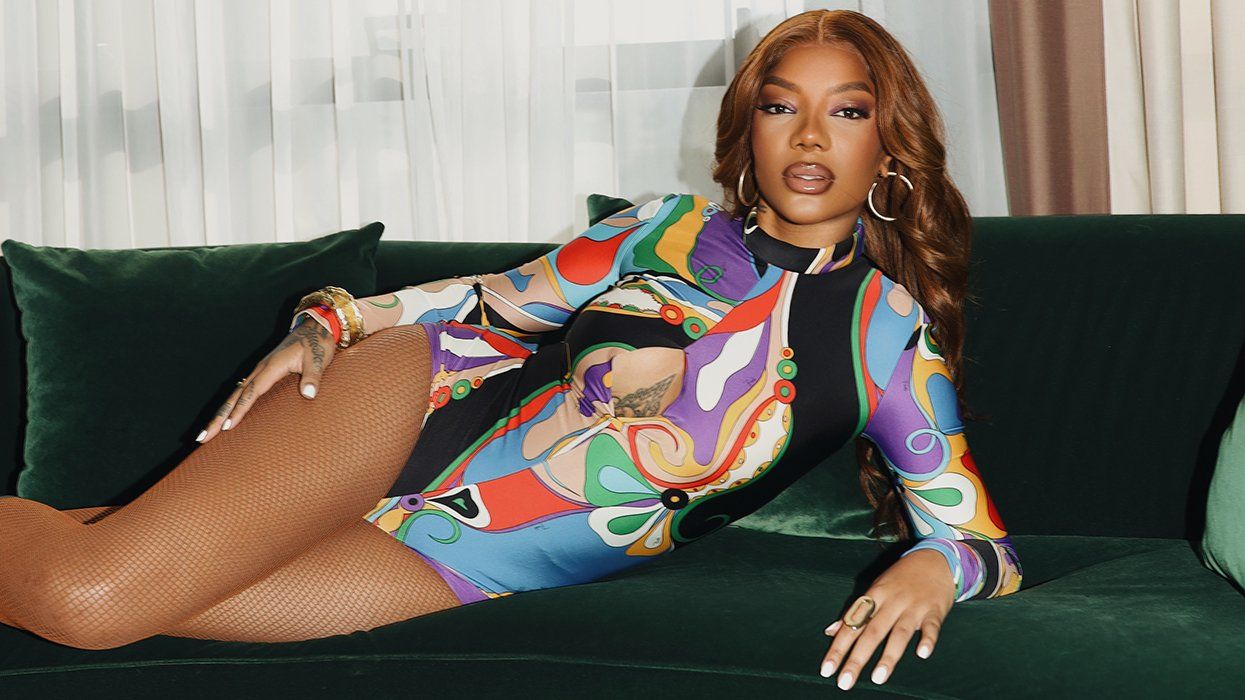
This week, Brazilian superstar Ludmilla and R&B icon Victoria Monét dropped their sexy, hip-moving single "CAM GIRL," a bilingual song celebrating self-expression. Out chatted with bisexual performer Ludmilla ahead of the release, discussing music, romance, and her aspirations.
Out: For those who may not know or follow you, tell our readers a bit more about yourself.
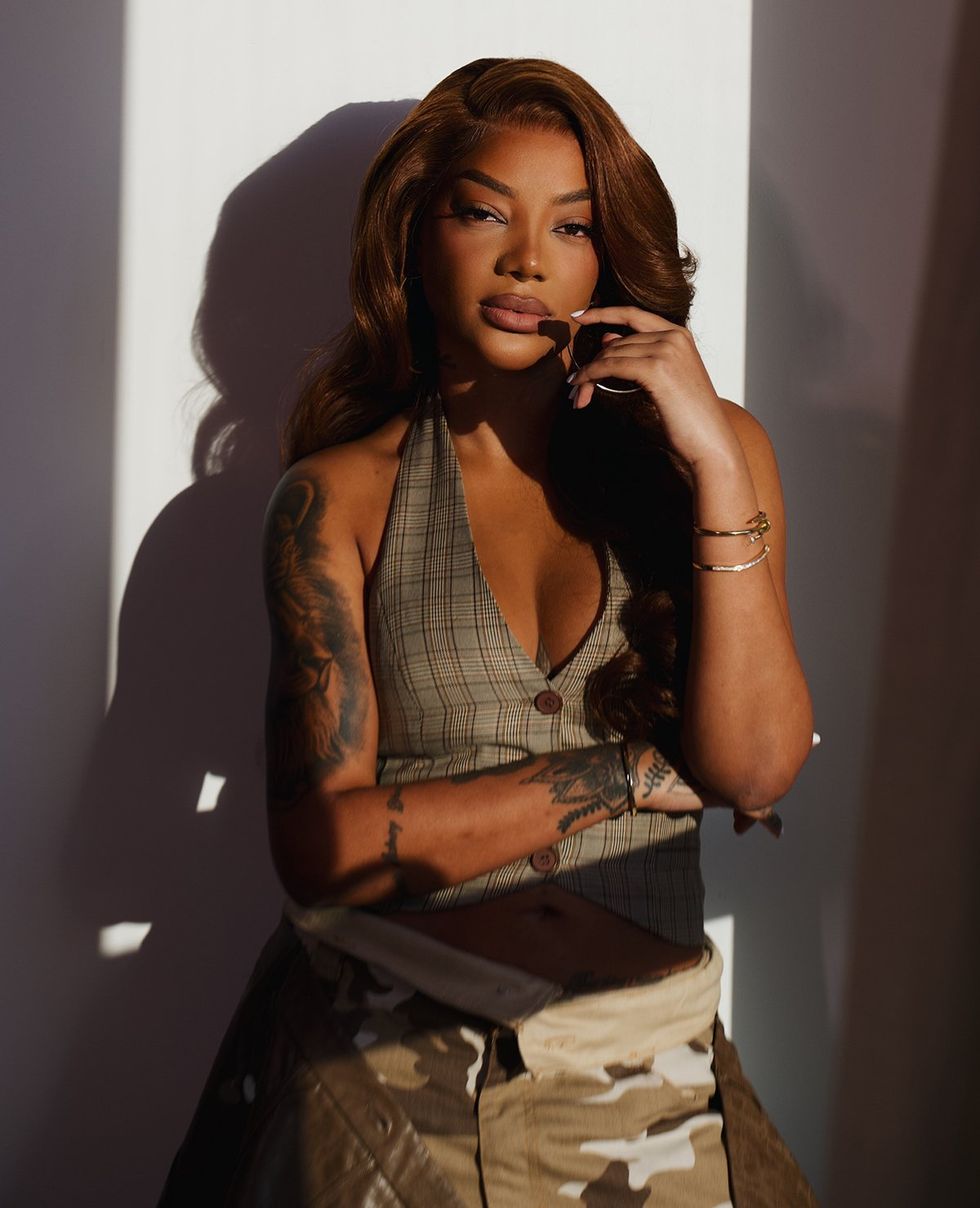
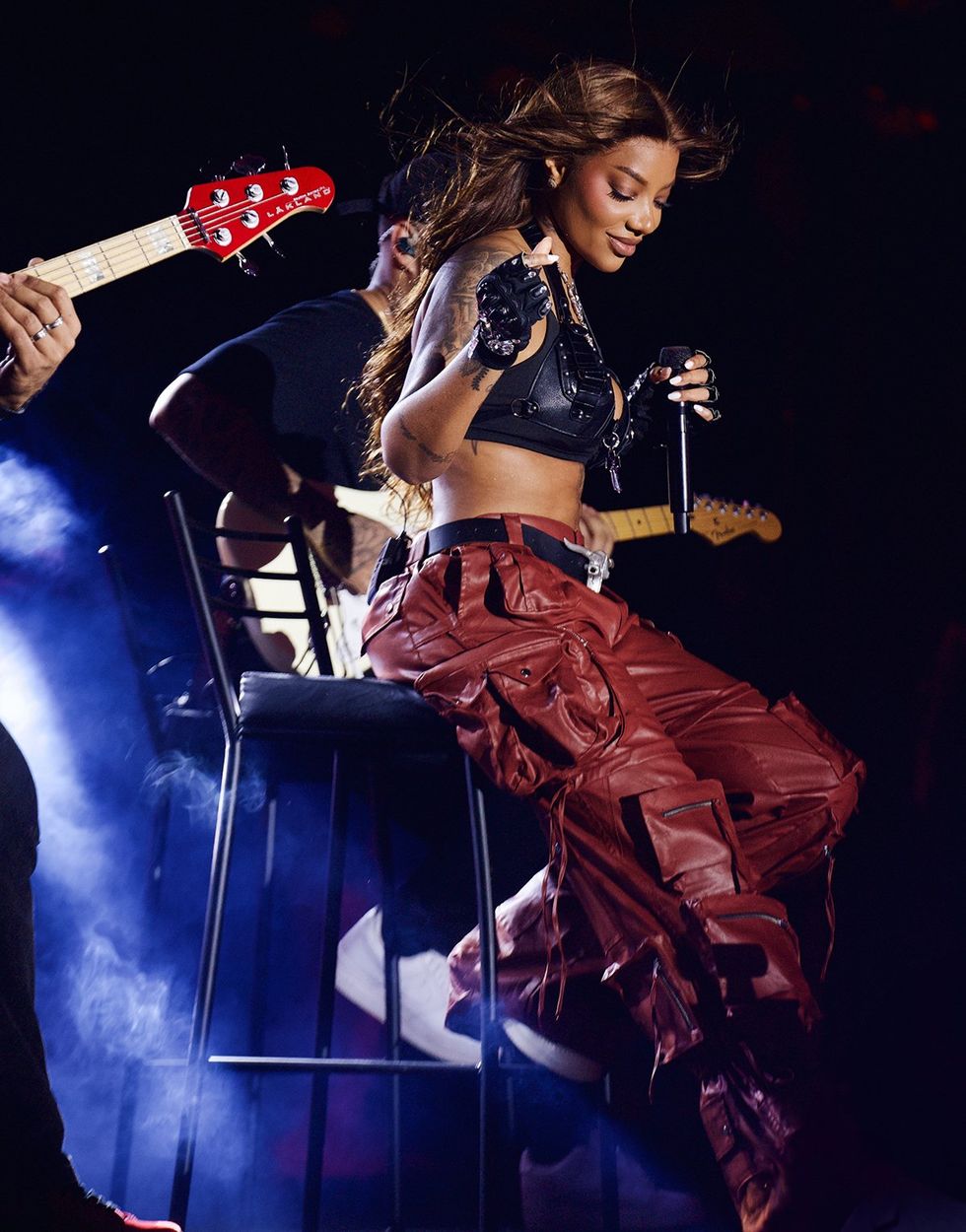
Ludmilla: I’ll try to keep it short (laughs). I’m Ludmilla, a singer, songwriter, and entrepreneur from Duque de Caxias, in Rio de Janeiro. I started out singing funk when I was still a teenager, but quickly expanded my career into other genres like pop and pagode, where I’ve made a significant impact. That genre has always been dominated by men and had its peak in the ’90s, but it has lost momentum in recent decades. With my project Numanice, I brought it back to the mainstream with a modern, pop-driven approach that resonates with younger generations. The Numanice 3 tour, which I wrapped up last month, was recognized as one of the biggest shows in Brazilian entertainment, and that fills me with pride and gratitude. I was also the first Afro-Latina artist to perform on Coachella’s main stage, a historic win. Today, I’m the most listened-to Black artist in Latin America, with over 15 billion streams.
Ludmilla
Steffanie Lima (provided)
Congrats on reaching more than 15 billion streams! What were your thoughts when you heard the news?
Thank you! I was thrilled when I found out. It was my team who told me; they’re always keeping track of everything on the platforms. That number is way beyond anything I could’ve imagined when I first started dreaming of making a living through music. But more than just a number, it means my art is reaching a lot of people. It means people from all kinds of places are connecting with my music and feeling represented. That honestly moves me. It gives me even more strength to keep doing what I do with love and full dedication.
Ludmilla
Steffanie Lima (provided)
How does it feel to be the most listened to Black female artist in Latin America?
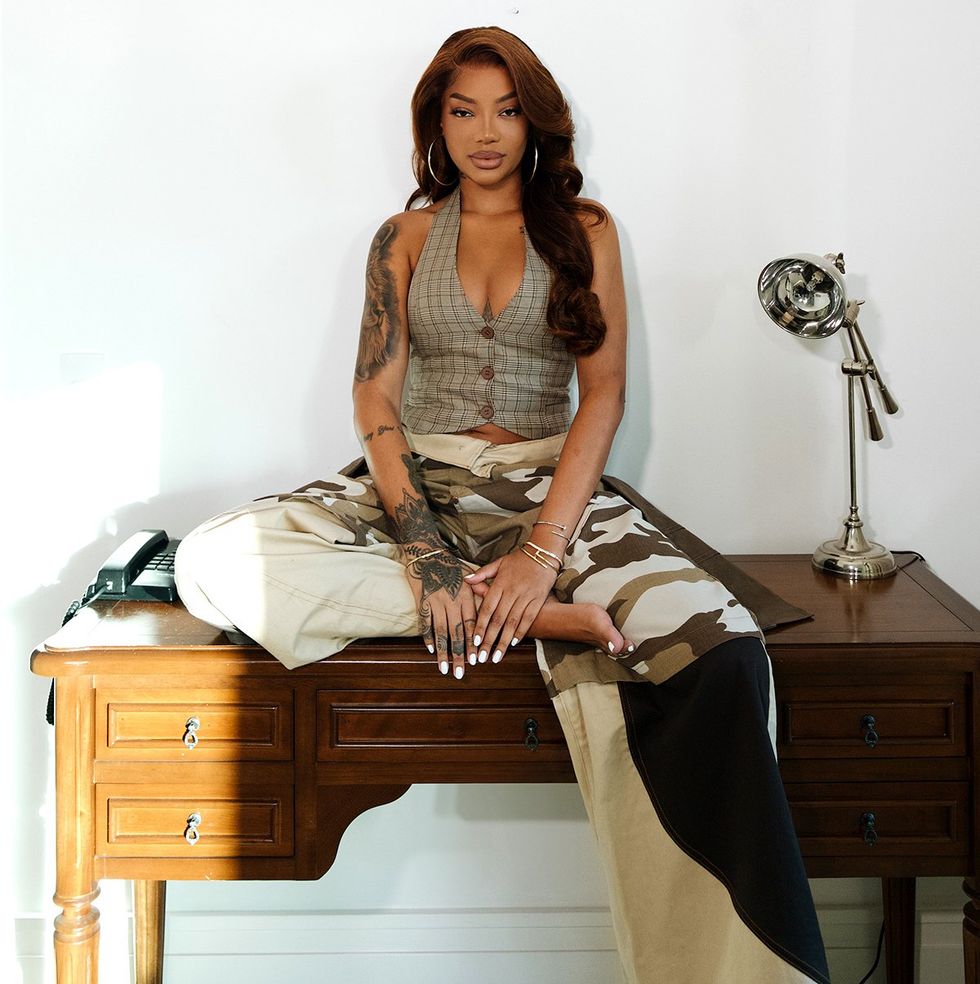
Being a Black, bisexual woman from the outskirts and getting to this place means a lot. We still live in a very unequal world, and the music industry is no exception. I had to break a lot of barriers, hear a lot of “nos,” and push through to get here. On one hand, it’s shocking to realize that, despite the presence of many talented Black women in the Latin music scene, very few receive the attention and recognition they deserve. Being in this position is also about paving the way for those coming after me. I want a young Black girl hearing my story to know that it’s possible to win and that her place is wherever she wants it to be.
Ludmilla
Steffanie Lima (provided)
You’ve been open about your marriage to your wife, Brunna Gonçalves, and what that visibility means in the public eye. Why was it essential for you to share your love publicly, and what do you hope that representation offers to others, especially in Brazil’s queer community?
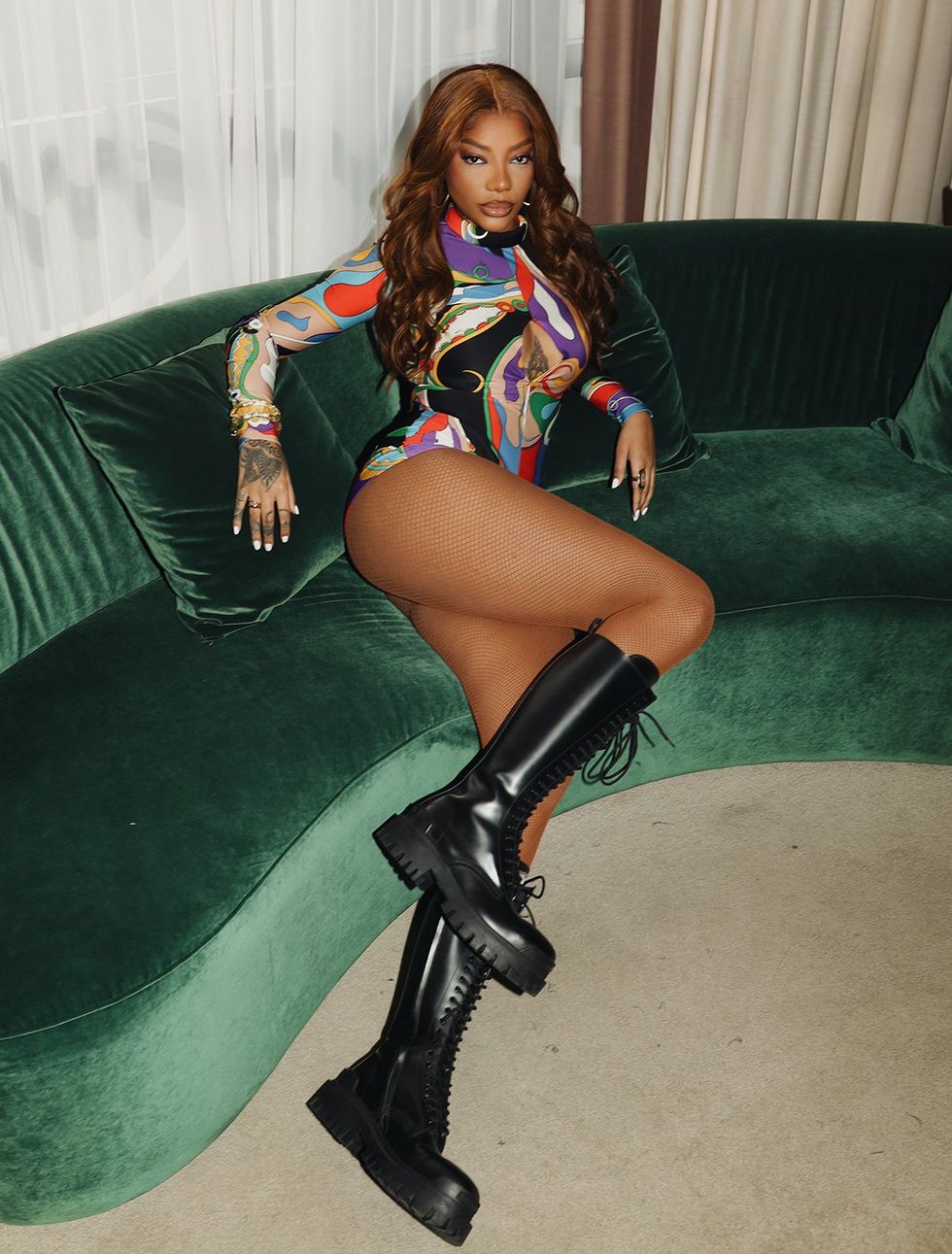
At first, many people advised me to keep the relationship a secret. They said it could hurt my career, that people wouldn’t accept it. But I never wanted to live in hiding. Loving Brunna transforms me every day. It’s a love that’s light, strong, and beautiful, and it deserves to be lived without fear or shame. When we come out, we inspire. We show that it’s possible to be happy, to love, to build a family while being true to who we are. Today, our love has grown with the arrival of our daughter, Zuri. She’s living proof that love is what truly matters.
Ludmilla
Steffanie Lima (provided)
How are you hoping to make a cultural impact both in Brazil and beyond?
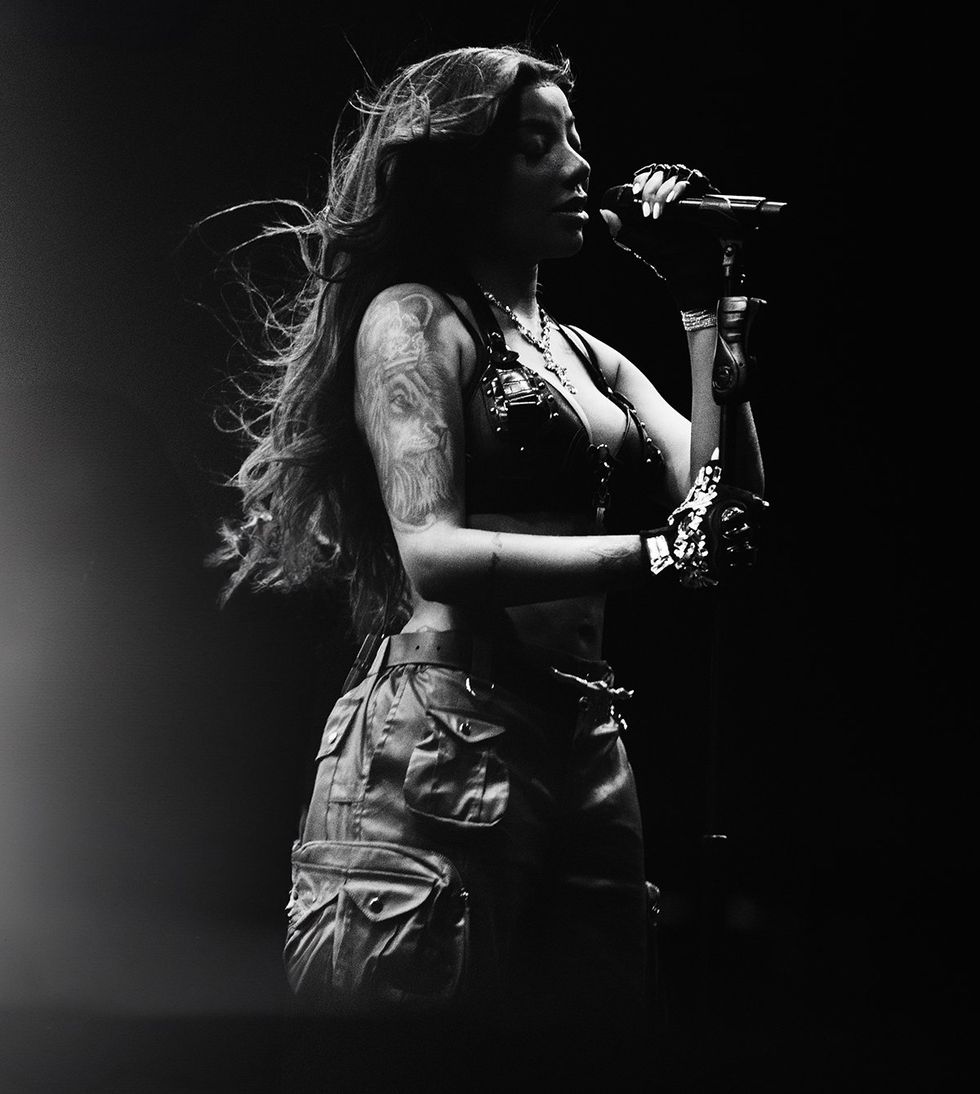
Honestly, that impact has already begun. I receive messages daily from fans who say my music has changed their lives. They feel seen, respected, stronger, freer, and more represented after watching me on stage or listening to my songs. That means everything to me. That’s why moments like Coachella, where I was the first Afro-Latina to perform on the main stage, are so symbolic. I also feel this cultural power in festivals I’m joining in August, like Afrofuture, alongside prominent names in Black music, and Mutha, which celebrates the LGBTQ+ community.
Ludmilla
Steffanie Lima (provided)
Do you have any upcoming projects you’re excited about?
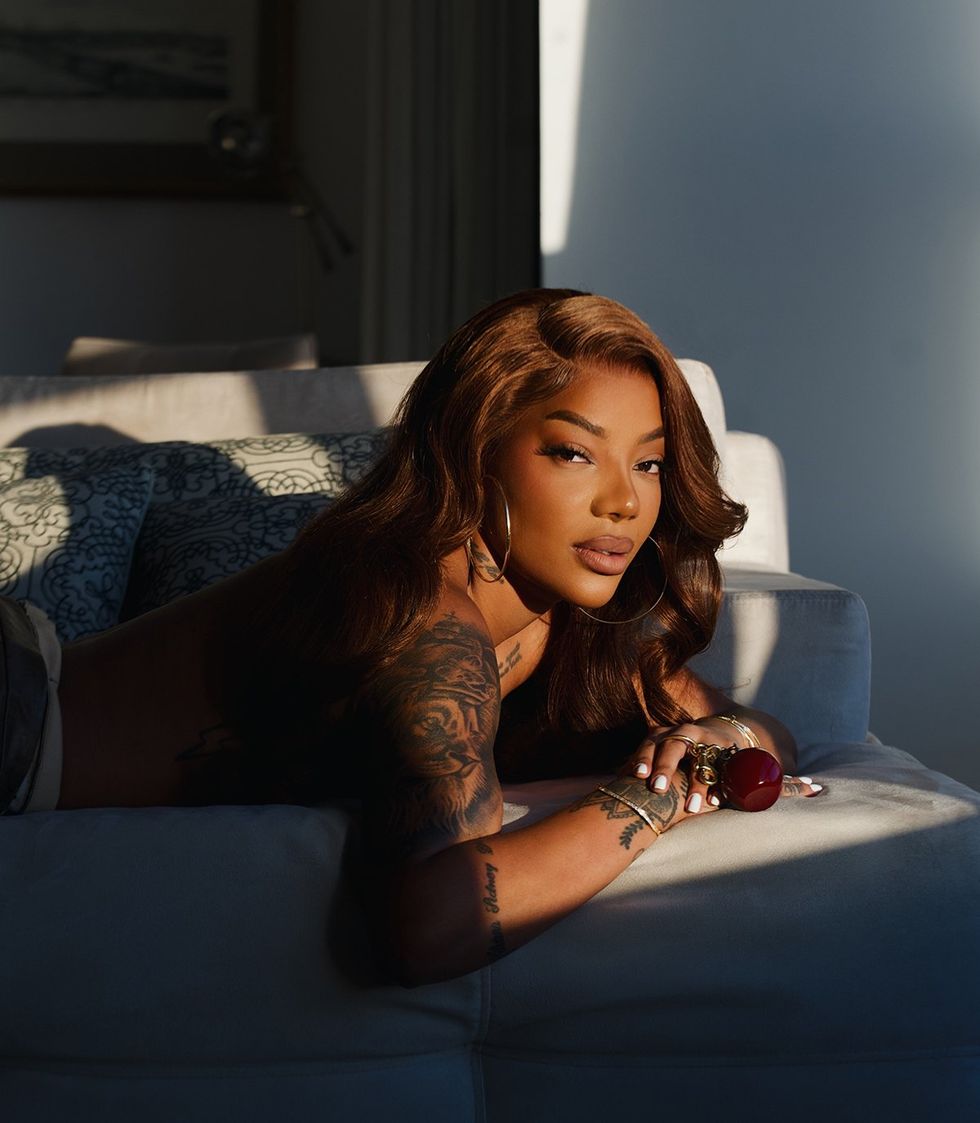
Absolutely! I’m finishing up my new R&B album, a very special project where I’m looking to reinvent the genre through my own identity, blending it with Brazilian rhythms. I’ve been flirting with R&B since my very first album. OnVilã I, I had a track called "Sintomas de Prazer" that was embraced by the public. And the positive reception of "Paraíso," the first single from this new project, has only motivated me more. R&B still doesn’t have the space it deserves in Brazil, and I want to change that to create room for it in the Brazilian mainstream, just like I did with pagode. My next single ("CAM GIRL") is on the way, and it’s a collaboration with an incredible artist, a Grammy-winning, highly respected name in R&B (Victoria Monét). The track blends R&B with funk and trap. It’s sensual, powerful, and full of attitude. I’m super excited to show the world what I’ve been working on!
Ludmilla
Steffanie Lima (provided)
What’s the one message you’d like to give queer listeners to your music?
That you have the right to exist entirely. To love, to feel, to take up space, to shine. I know how hard it is to affirm yourself in a world that often tries to erase our existence. But I also know the strength we gain when we see ourselves in others. If my music hugs you, empowers you, or simply lets you dance fearlessly for a few minutes, then I’m already fulfilling a big part of my purpose. There’s still a long road ahead, but we must keep walking it together, with courage, with voice, and with pride.