
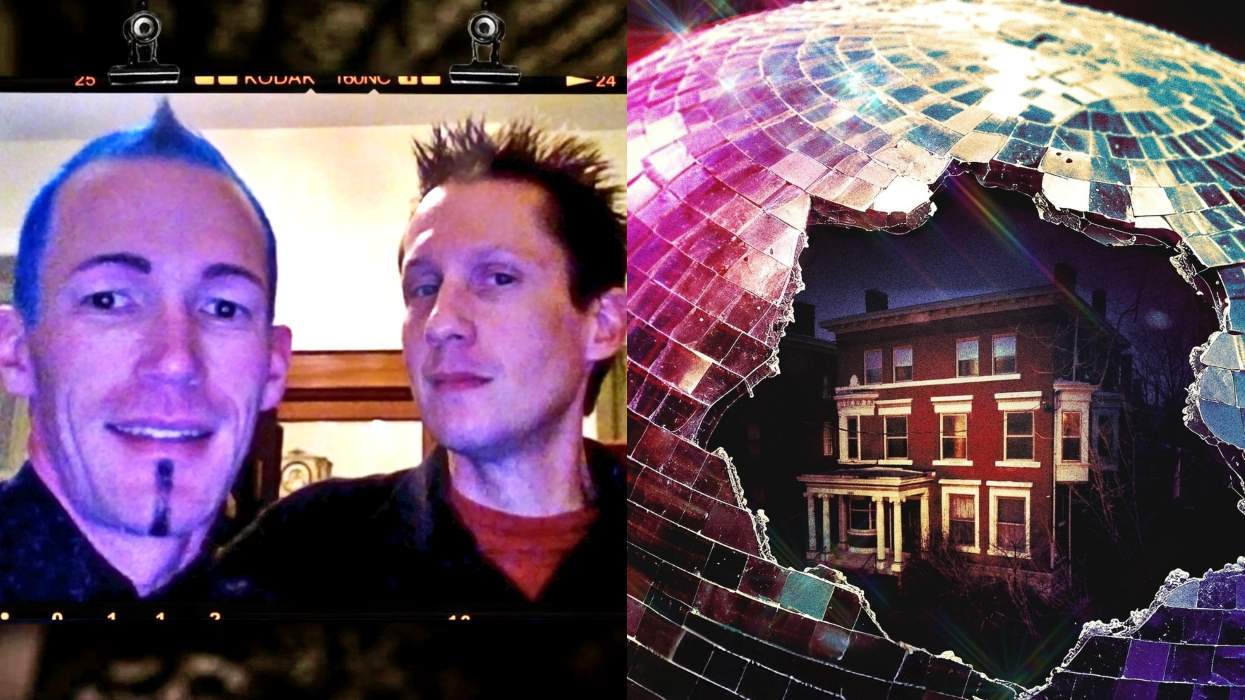

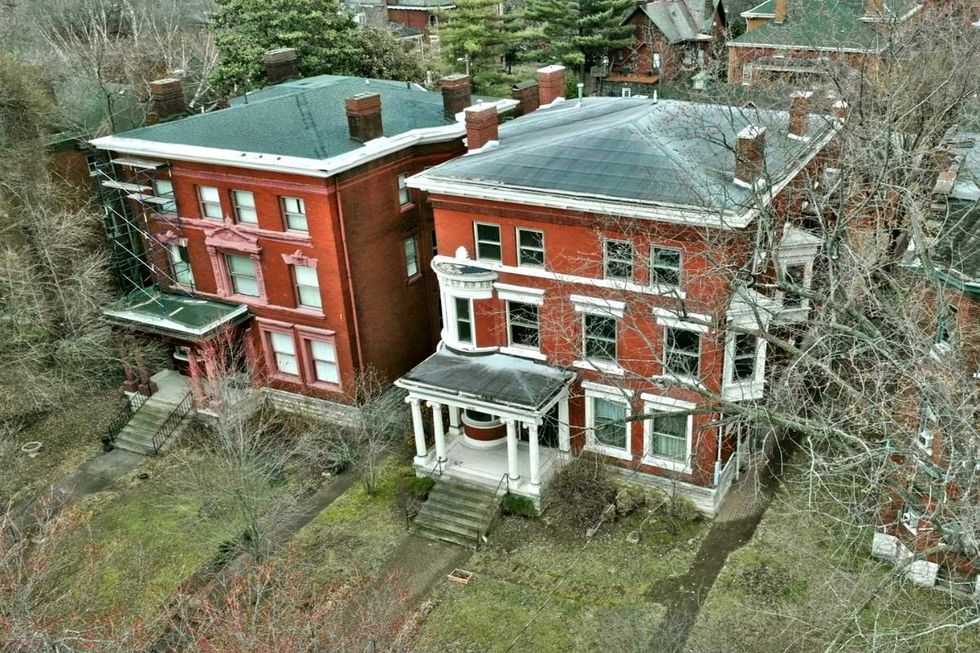
The brand-new HBO documentary Murder in GlitterBall City tells an unconventional story, even within the true-crime genre. Picture it: June 2010. A man named Jeffrey Mundt owns a property at 1435 South Fourth Street in Louisville, Kentucky. Mundt lives there with his boyfriend, Joseph Banis (Joey), and it's no secret that they're a gay couple.
The official trailer for the two-part documentary starts with footage of Banis recording himself and reading a statement from a piece of paper. "This is to any concerned persons regarding my death," Banis says. "I'm holding my boyfriend hostage because I have failed him. I've done terrible things which I can never recover from. This includes killing someone."
That chilling footage is just the tip of the iceberg, however, as the story surrounding the murder of James Carroll (Jamie) widens, deepens, and expands throughout this visceral and effervescent documentary based on David Dominé's 2021 nonfiction book A Dark Room in Glitter Ball City.
Who could possibly have the vision, the sensibilities, and the cultural cache to tell the nuanced story of a gay couple from Louisville, Kentucky — connecting the location to the "Glitter Ball City" nickname for Newport, KY, a region that reportedly produced an estimated 90 percent of all mirror balls sold in the U.S. during the 1970s disco craze — as the two main suspects behind the confusing and absolutely horrifying murder of a drag performer known as Jamie Carroll?
Well, you call the queer folks responsible for the 1998 documentary Party Monster: The Shockumentary about the rise of Club Kids in New York City, the 2003 feature film Party Monster starring Macaulay Culkin, the talk show Night Fever hosted by James St. James, and the RuPaul's Drag Race reality competition series that was turned into a hit global franchise and became an Emmy Awards juggernaut: World of Wonder cofounders Randy Barbato and Fenton Bailey.
Murder in GlitterBall City
HBO
The WOW producers tell Out that they traveled to Louisville to experience the city for themselves after being approached by HBO about the project. "When we went to Louisville to kind of connect with it, we fell in love with the city and with the characters. That really was the impetus for us doing this project," Barbato says. "In some ways, it's sort of a love letter to Louisville. For us, it was also, 'How can we tell a true crime story in a different way?' We realized it had to have character, and heart, and go beyond the procedural elements of the crime."
Barbato, born in New Jersey, highlights Louisville's "deep connection" with the LGBTQ+ community "for many years," noting that the preservation of neighborhoods such as Old Louisville is a testament to queer stewardship. During their trip, the producers developed an even deeper understanding of Louisville's queer history. Bailey, born in Portsmouth, United Kingdom, felt particularly inspired by the origin story of the disco/glitter ball being invented in the region during the early 1900s. That discovery, Bailey explains, felt almost like "a blessing, or a permission, to do" the documentary.
A few years ago, Hollywood experienced a fabulous surge of LGBTQ-centric projects that were romantic, funny, heartfelt, and queer-led, both on and off screen. That abundance of unrealistically positive characters prompted audiences to crave queer villains in mainstream media, which informed the viral effect of "these gays [who were] trying to murder" Jennifer Coolidge on HBO's The White Lotus season 2. Alas, the overall history of LGBTQ+ representation in Hollywood is still plagued by cruelty, death, and abuse, with a current administration at the White House that is actively trying to erase queer and trans identity, history, voices, and sense of pride.
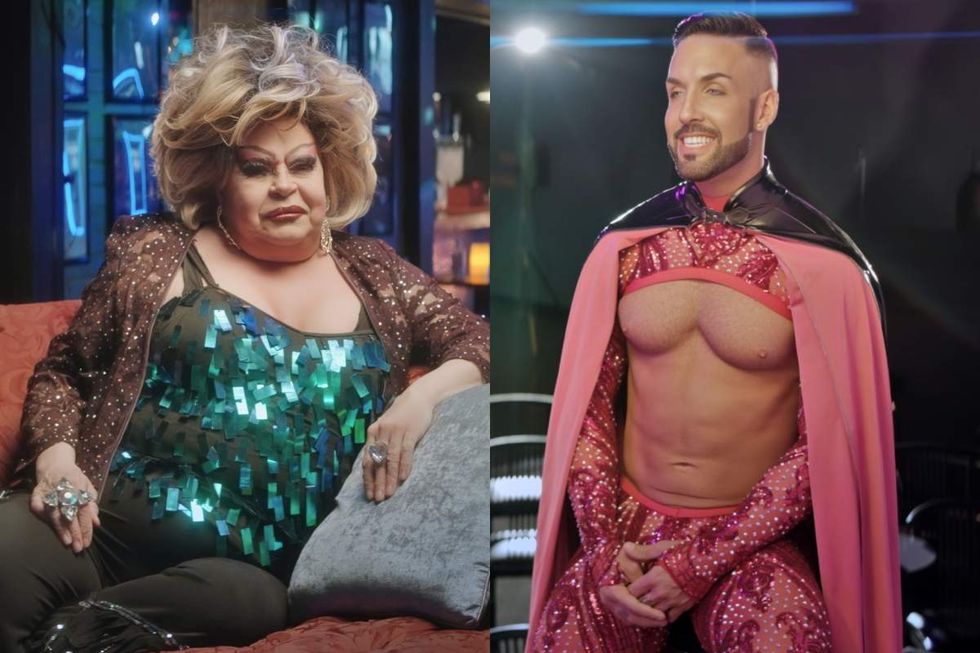
Hurricane Summers; Mykul Valentine on Murder in GlitterBall City.
HBO
Both the historical and current perspectives meant that the blessing to do this documentary came with a sense of responsibility. "Jamie Carroll was a hairdresser, and a drag queen, and he was a murder victim," Bailey remarks. "We felt a little sort of maternal instinct to protect and honor all the characters in it." The story, he adds, "could so easily be done in an exploitative way. So, as queer filmmakers, we were like, 'Can we thread this needle in a way that isn't that?' And also, weirdly, that we can have some of the humor and the queer joy that could inform our work."
The documentary largely accomplishes that mission, and then some. Instead of relying on the procedural nature of true-crime content, Murder in GlitterBall City leans into the voices, the colors, and the sounds of a vibrant community of Louisville residents — the "Greek chorus of the community," as Barbato puts it — while also making room for the complexities and brutal realities of the crime itself. "At first you think, 'Well, this is it. This is a confession... guilty!'" Bailey muses. "But then it's like, 'Oh, don't be so sure!' Everything has context, or framing. You can't just look at the video and say, 'Well there it is.'"
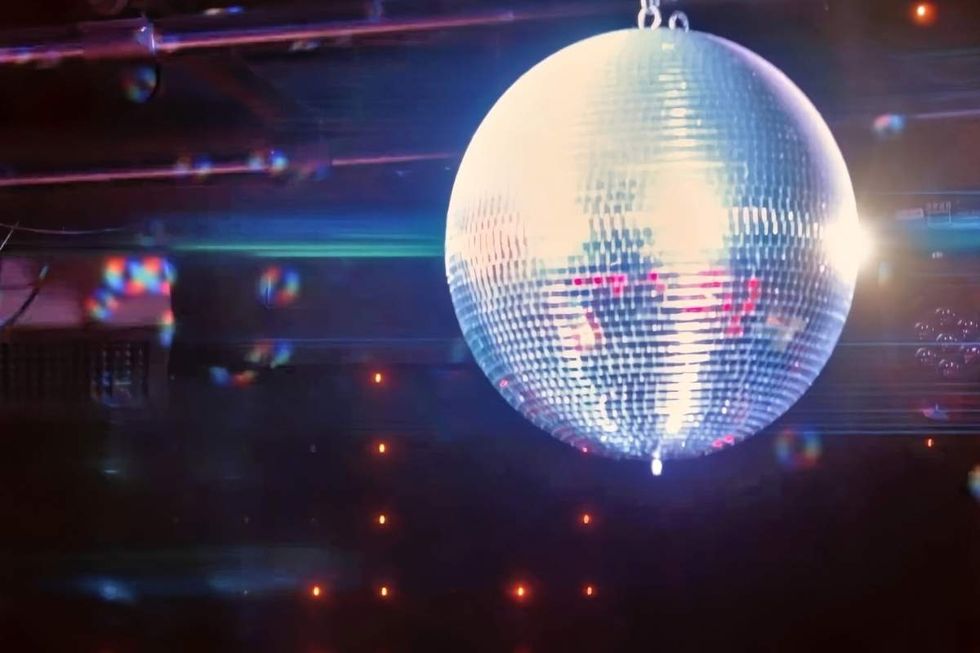
Bailey offers a brilliant analogy that ties together the story and the title of the documentary. "You've got this single event, and then, almost like the beam of light that hits the disco ball, it's like, whoosh, and everything just splays out." The story itself, as Bailey explains, feels like an intense beam of light that, once pointed at a disco ball, is multiplied into multiple beams of light reflecting back. A stunning visual that draws people in for the right and wrong reasons, and that is also impossible to resist.
Murder in GlitterBall City
HBO
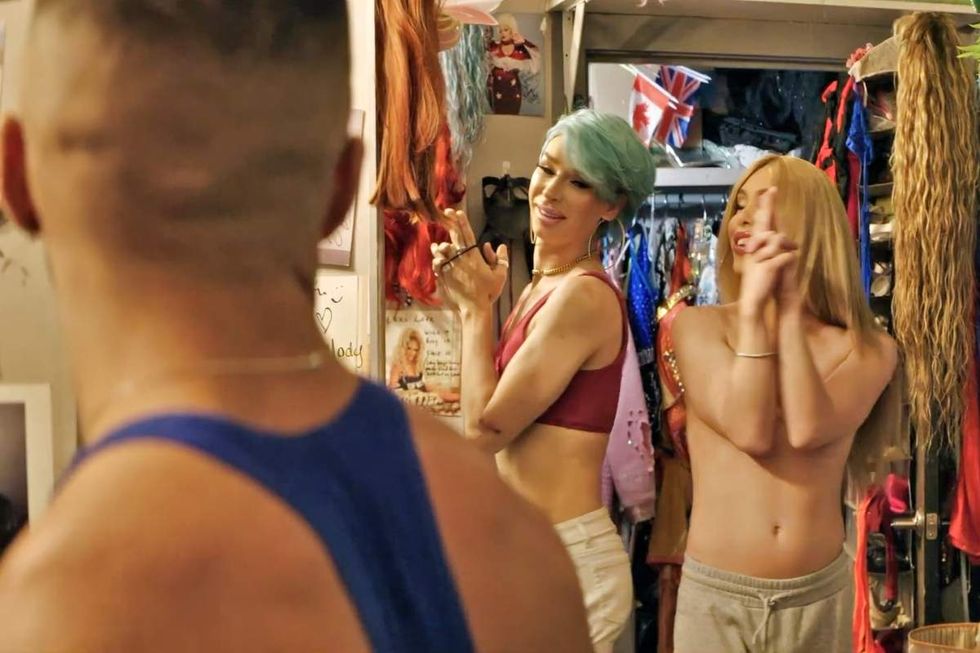
The film also explores the impact of crystal meth on the gay community, "an important story" that extends beyond the case, Barbato remarks. To the delight of many Drag Race fans, a familiar face is seen on Murder in GlitterBall City: a brief appearance from season 17 finalist Lexi Love.
"We met her before she was on Drag Race. We've been making this film for over four years," Barbato says, praising the fact that Lexi "speaks so eloquently and knowingly about the impact of crystal meth." Between her time competing on Drag Race and the release of this documentary, this feels like a full-circle moment not only for Lexi, but also for the WOW producers.
Murder in GlitterBall City
HBO
Beyond Mama Ru's ever-growing Drag Race queendom, Barbato and Bailey have been working alongside various networks, streaming services, and platforms to produce other kinds of content. For this particular project, though, the WOW founders truly feel that HBO was the perfect coproducing partner.
"We had a latitude with HBO that other outlets wouldn't let us have to tell the full story," Bailey says, recalling that previous coverage of the case was plagued by "anxiety around queerness." Overall, it was critical to "talk truthfully and honestly, without being coy or being embarrassed. And, on the other hand, without sensationalizing and demonizing" queer people for just being queer.
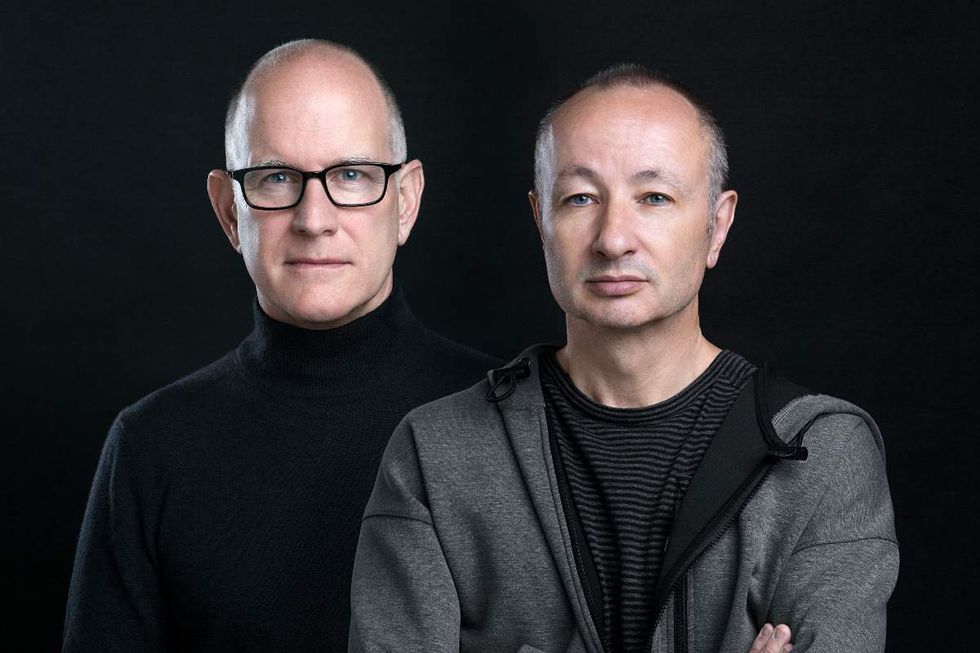
World of Wonder cofounders Randy Barbato and Fenton Bailey.
Mathu Andersen
When asked what they hope queer audiences will take away from watching the documentary, Barbato shares two wishes. "First of all, I hope they go visit Louisville, because it is an extraordinary city," he says. Otherwise, "we both feel that two people should be in prison right now, not one, so I'm hoping people consider that. And I hope they fall in love with some of the characters in the same way we did."
Bailey frames it as something larger: a reckoning that extends well beyond Louisville. "In some ways, it is a cautionary tale about justice," he observes. "At this time, in this country, some people think that certain people deserve to die, and I just don't think that's the case. It does take looking at things in their complexity, rather than just having a simplistic and prejudicial kind of judgment."
HBO Documentary Films presents Murder in GlitterBall City, a World of Wonder Production directed and produced by Fenton Bailey and Randy Barbato. Part 1 is set to air on HBO at 8 p.m. ET/PT, with Part 2 to follow at 9:20 p.m. ET/PT, as well as both parts being released for streaming on HBO Max.
Produced by Mona Card; edited by Johanna Gavard and Francy Kachler; cinematography by Huy Truong; and music by David Benjamin Steinberg. The two-part documentary also credits HBO's Nancy Abraham, Lisa Heller, and Sara Rodriguez as executive producers.
Murder in GlitterBall City premieres today, Thursday, February 19, on HBO and via streaming on HBO Max.