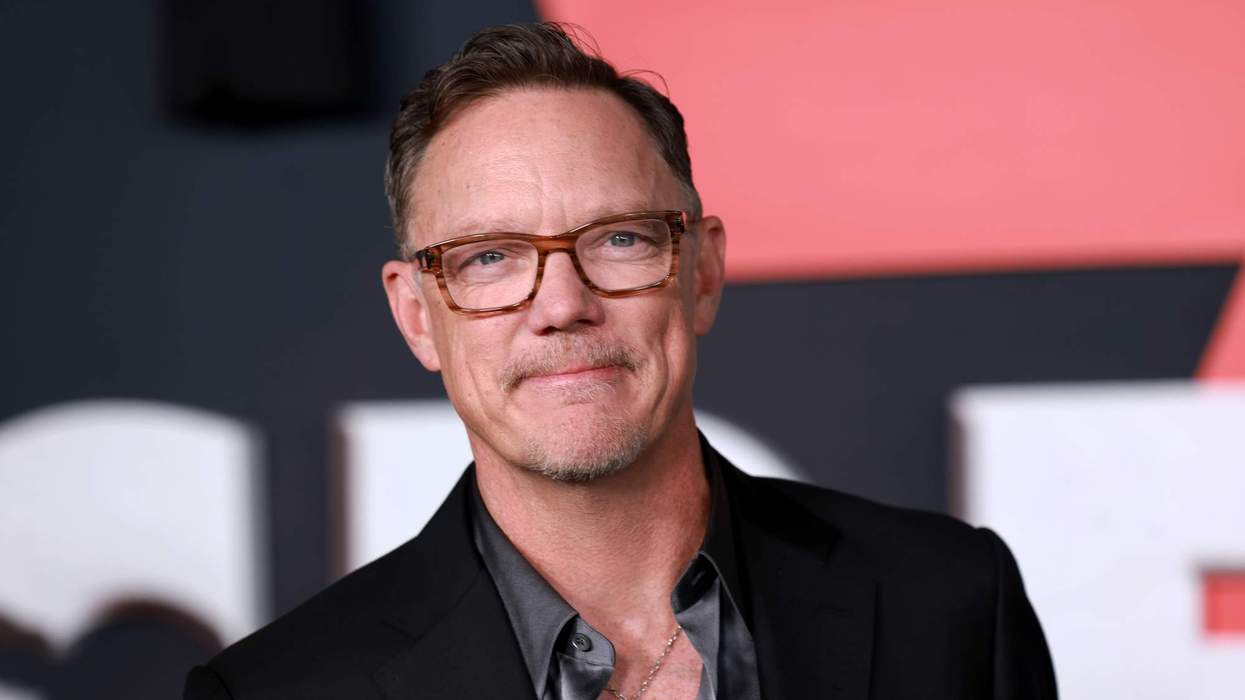


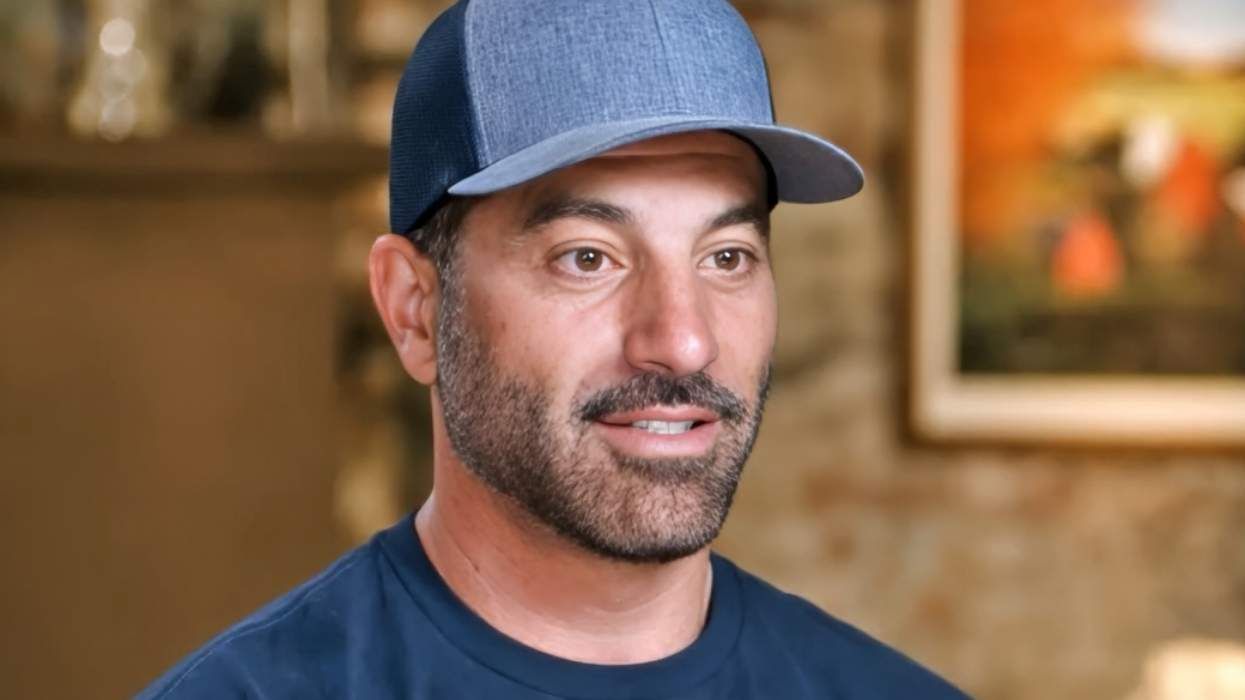

Matt Baumgartner is a lot of things. He's a self-described "serial entrepreneur," an animal lover, a farm owner, an experienced event planner, and now also the star of Prime Video's June Farms.
Located in the beautiful Hudson Valley in New York, June Farms is a property that spans 120 acres and includes a farm, restaurant/bar, and event space. Visitors from across the country come to the farm to enjoy nature, see the animals, and stay in unique rooms while being treated like royalty. Between wealthy travelers, occasional celebrities, and fancy wedding parties, June Farms is an exciting destination for people who wish to connect with nature and be transported to a different world.
At any given time, Baumgartner is seen juggling unpredictable weather, demanding visitors/clients, vendors unable to deliver on expectations, and a property where he's responsible for several animals. To do so, the June Farms owner manages a team of well-meaning young professionals that he considers to be his chosen family. Yet, like most families, there's drama — particularly when there are disagreements between the employees and Baumgartner over his intense focus on details.
In an interview, Baumgartner tells Out about his experiences growing up in the 1990s, coming out as a gay man, experiencing so many entrepreneurial journeys, and how his vision for June Farms evolved over time. Plus, the entrepreneur and TV star reveals why he thinks— despite being a successful, charismatic, and handsome man who's a bona fide expert at weddings — he'll never actually get married himself.
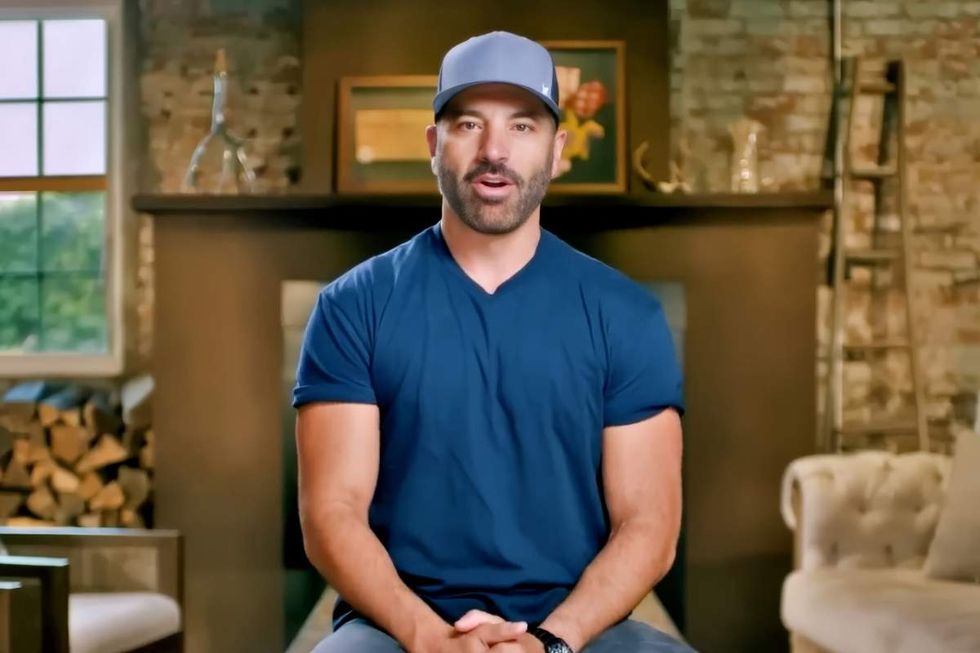 Matt Baumgartner on June Farms.Prime Video
Out: Let's start at the beginning. How would you introduce yourself and the work that you do?
Matt Baumgartner: I would say that I'm basically a serial entrepreneur. I started out in the restaurant world. Actually, I started out because I won money with a poker hand at a casino, and quit my job at General Electric, and started a very small burrito takeout restaurant. I then opened up four other burrito restaurants, and then German beer gardens, and old English pubs, and nightclubs.
I'm, like, addicted to hospitality and service. I really enjoy the bar and restaurant world, so that is what I sort of did for my whole life. I thought it would be fun to raise beef and pork for restaurants that I had, so I bought land, cows, pigs, and did that for a year… But I didn't like the harvesting of them. It was just too sad for me. So I stopped doing that and decided to invite people to the farm to walk around and visit with all the farm animals. I turned the pig barn into a bar. So people can now get a drink, or a slice of pizza, and walk around to pet cows, pet horses. It's like a very fun experience for families.
That's a really thoughtful and surprising pivot — to go from harvesting to hosting. What is it about hospitality that just pulls you in through so many different business iterations?
You know, I don't know. I think it was because of my family growing up. I come from a very social household. I'm Italian, and my grandparents always just had like tons of people over. I remember my grandmother constantly serving, and cleaning; and she was so focused on making everybody happy, and full, and giving them drinks.
It resonated with me, at an early age, of this responsibility to make people happy through food and beverage. My mom then did the same thing in the house that I grew up in. As a young adult, I just realized that I wanted to do that for a living, and it's been great. I couldn't imagine doing anything else.
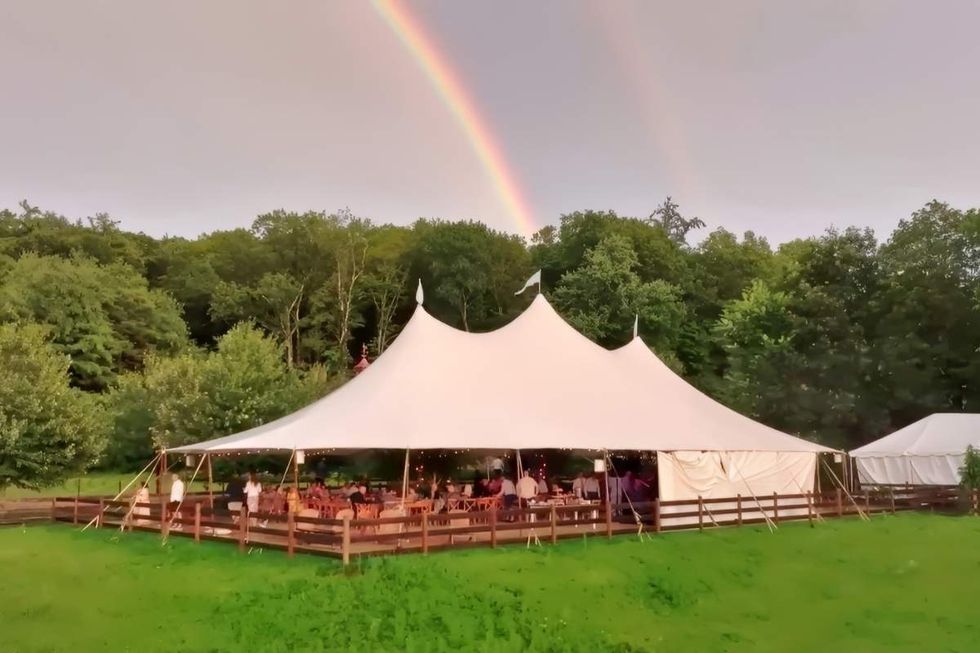 A rainbow is seen in the background of a scene on June Farms.Prime Video
You now have a TV show on Prime Video about the farm. What's it like having cameras following you around while coordinating actual events and managing actual teams?
I will say that the show, and having cameras, definitely added to the stress. I don't know if it showed me more stressed than I typically would be because I already operate at a very… I mean, I'm not running around like a crazy stressed-out person, but you can see the wheels turning, and I really do make sure that everybody does a great job.
But knowing that cameras are on — showing us as a venue, and the behind the scenes as a venue — made me very, very stressed. I was a little bit concerned as to how we would look when the show came out. But they did a great job of showing the balance of the stress and the quality of the weddings that we deliver.
Marriage equality is still in place — at least as of this writing! — and I've always been curious about "bridezillas" planning their weddings. Just as much as queer "bridezillas," no matter the gender. What's been your experience with those kinds of clients/visitors?
I will say that you always have to be careful of the person that says they're the most chill bride, or the most relaxed groom… It's usually those people who are red flags. [Laughs.] Anyone who claims to be, is usually not.
But I think it's a combination of the money — weddings are typically expensive — and it being an obviously important day to your relationship. It's also a day that typically friends and families are all meeting for the first time, you know? On both sides. The sheer nature of that can make somebody feel stressed.
So you combine that, the money, and the possibility of bad weather… It becomes a pressure cooker. It does get crazy, but it's also a good time for someone to exert control, you know what I mean? If they're not a boss in real life, this is the one time where they can start to feel like they can just call the shots.
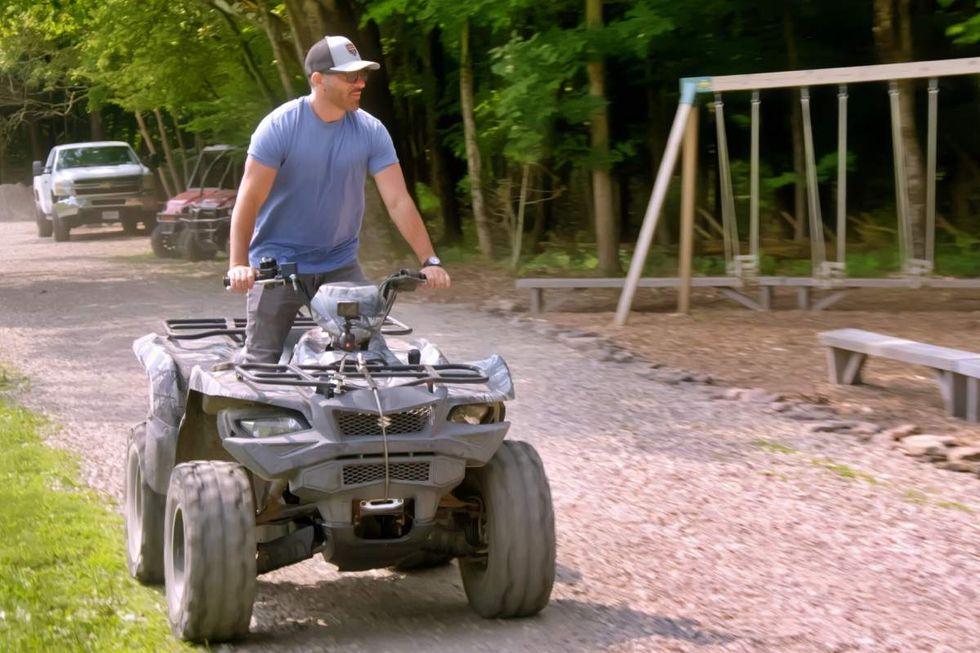 Matt Baumgartner on June Farms.Prime Video
Are you comfortable sharing your coming-out story?
I feel bad that [PR representative] has to see this. She keeps seeing me cry when I talk about stuff like this. I haven't been asked this question yet, but you [Out magazine] are obviously one of my favorite gay publications. When I was coming out, it was not easy to be gay. It really wasn't. And I didn't know anybody in Albany who was gay. It wasn't until I started working as a busboy at this restaurant, where I met a server named Jeffrey, and he was gay.
I was like, "This dude is so fun, and he's gay." I didn't even know what that really meant. I mean, he was a very out gay guy, and I just loved his company. Not in a sexual way, but I was just fascinated. He would bring us all out to gay bars, and I'd be like, "Wow, there's a whole culture out here." When I first opened up my first burrito restaurant, I had a legitimate fear that if people knew that I was gay, they would stop eating the burritos.
I remember thinking that if I'm in the back dicing the onions or something and cut myself, I thought that people would think that I'd do something to the food, or I don't know. It was a world… This is pre-PrEP, you know? This was the late 1990s. It was just stressful. It was a time when a lot of gay people lived in fear.
It's just crazy to see the progress that has happened, culturally… Not even to mention medically, you know? The advances that have been made. It feels night and day compared to the stresses of what it was like coming out then, versus what it is now. Now, I don't give a fuck who knows if I'm gay. It's so insignificant, you know?
Thank you for sharing that. It's a really powerful evolution, and I think a lot of readers will feel comforted if they have experienced similar fears as you did.
At this point in my life, if anybody's gonna have any issue with me being gay, then just don't come to my farm. Don't get married here. I don't need your business. I don't want your company. I mean, it's just a hard "no" for me.
In fact, anybody who has any homophobia, or issues with inclusivity of any type — religion, race, whatever — you're not my people. I don't have the patience for it.
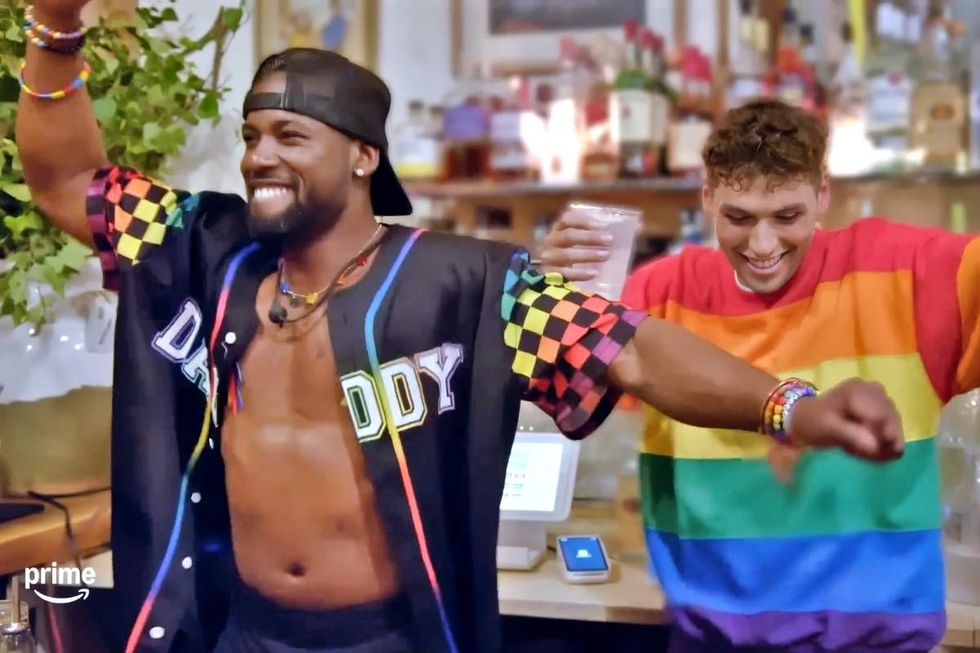 A scene from June Farms.Prime Video
As I think about your show — and your work, in general — it's interesting to consider how mainstream audiences are still accustomed to this trope of a "Magical Queer" person. Generally, the shows led by queer people assisting others with wedding planning, or being more fashionable, or redesigning a home, or even doing before-and-after transformations… I wonder what they think when they press play on June Farms and it's just, like, you — this dude who doesn't come across as a Queer Eye for the Straight Guy cast member, you know? [Laughs.]
Yeah, interestingly, I don't necessarily know if people would sort of clock me as a gay dude early on. I mean, I don't think a lot of people are necessarily getting married there because they know that I'm gay. As a matter of fact, I get a lot of phone calls from wedding couples that ask me if it's okay if they can get married there because they're gay. And that's so sad that you would even...
Ugh. Damn.
…Yeah, you know? I immediately say, "You're talking to a gay person. Yes, of course you can get married there. We're gonna throw you the best wedding." The farm is super inclusive. One of the best things about social media is that there's been so many photos and videos of other queer couples married at the farm, that I think anybody who gets married there would just obviously know that we're an inclusive farm.
I wanted to circle back to this framing of you being a queer entrepreneur who helps people plan out their weddings. On this show, you come across as like a boss. You're not here to make everyone feel warm and fuzzy. And I'm not saying that's a negative thing — I just think it subverts this idea of a queer person doing this kind of show. Was that intentional? How would you describe yourself as a boss?
I think I'm a very difficult boss, but I think I'm a fair boss. The problem that I might have is that my communication style is often very direct and it can be a little bit difficult for people who are sensitive to hear it. And I think that's part of my growth: Trying to find a way that I can communicate, equally as direct, but without being hurtful to people sometimes.
I would say that, watching the show, one of the hardest things for me to see was sort of the aftermath that I cause once I sort of yell at someone and then walk away. In real life, I typically don't see them crying, or speaking about how hurt they are to other people, you know? At that point, I've already moved on to somewhere else on the farm.
That was kind of sad for me to have to watch and see what the reaction is to the way that I speak to people sometimes. I think I could maybe approach it in a softer way.
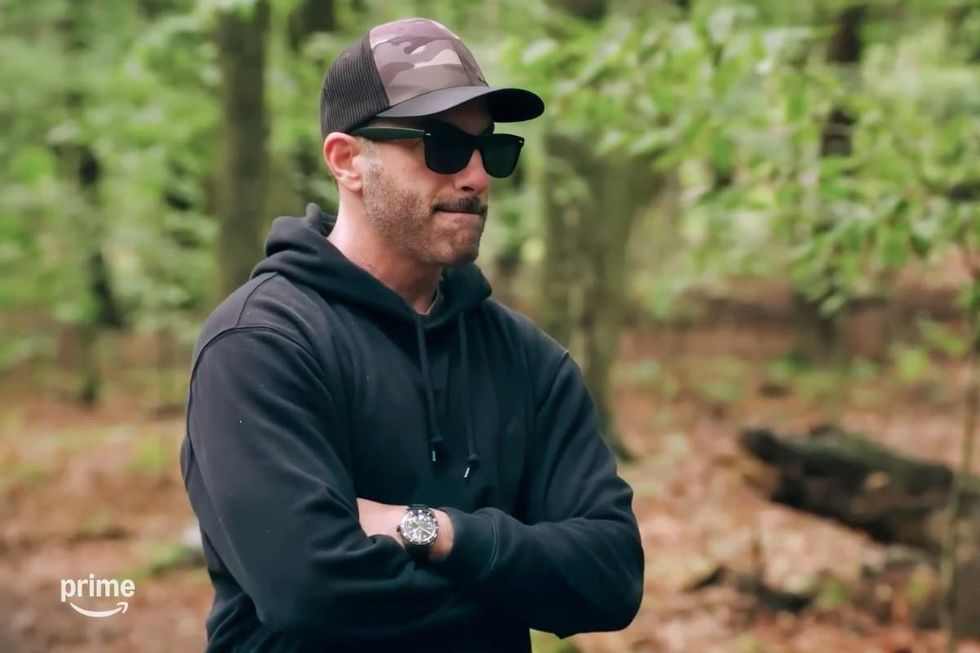 Matt Baumgartner on June Farms.Prime Video
You plan and throw weddings for a living. What's your own relationship with marriage? Do you want to get married?
Yeah, I mean… I guess… You're also the first person to ask me that. [Laughs.] But, um, I don't see it in my future. I just don't. I mean, I have a pretty good sense of where my life is headed, and I can often kind of easily visualize my future. I just don't see that happening.
Not because I wouldn't do it. I really, probably, would. I just think it would be with somebody who would be very tolerant of me, and a very calm, patient person. And I haven't found that person yet. So, you know, I don't pressure myself. I live a good life regardless of being single, so it's fine.
Do you see yourself doing June Farms for several more seasons?
Yeah, I do. The good thing about the show is that it's not filming 12 months out of the year. It's a good chunk of the year, but it doesn't feel like it's so much that it's a negative. I had a really, really good experience working with production, and I think that it was a weird tool that allowed us to get closer, as a cast. I really enjoyed it, and I would love to do more seasons.
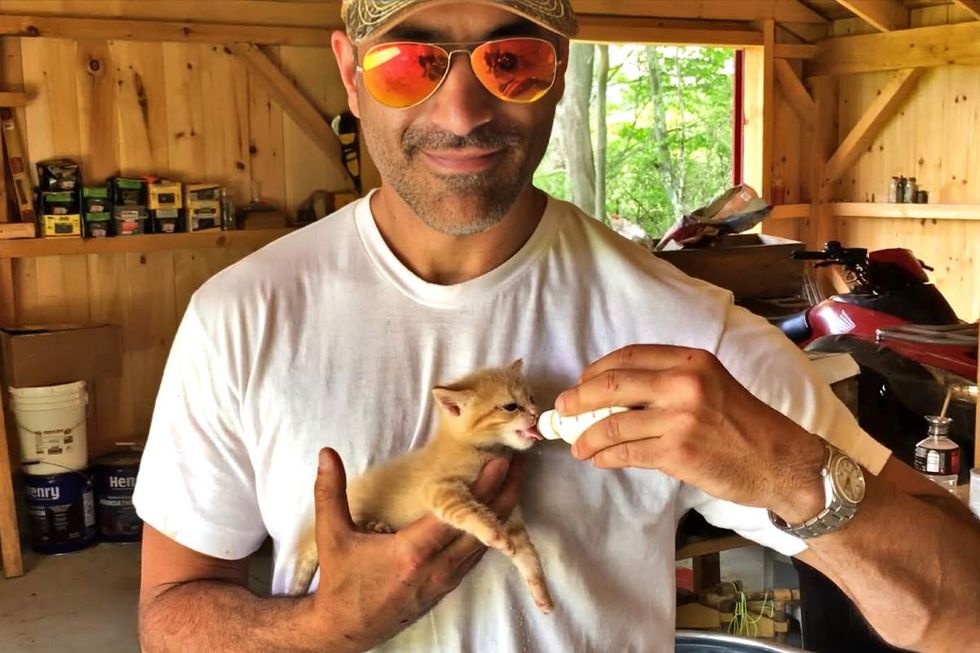 Matt Baumgartner on June Farms.Prime Video
How would you invite Out readers to check out June Farms?
It's a beautiful property — that's the one thing that I feel very confident in. The animals are so beautiful, the trees, the smells, the sounds… That's just all nature. When people show up there, especially from a big city, you can just see their faces light up. It's a joyful place, and it feels good to be part of that.
Also, everybody seems to want to be around animals. It's a very unique person that doesn't like animals. So I usually lead with that. If you're looking to feel sort of joyful in nature, June Farms is your place.
June Farms is streaming on Prime Video. To learn more about June Farms as a property, you may visit JuneFarms.com.