


If you're dreaming of selling everything, buying a one-way ticket to a far-flung Mediterranean paradise, and settling into La Belle Vie, "the beautiful life," here are some things we discovered along the way that might help should you decide to leap as we did.
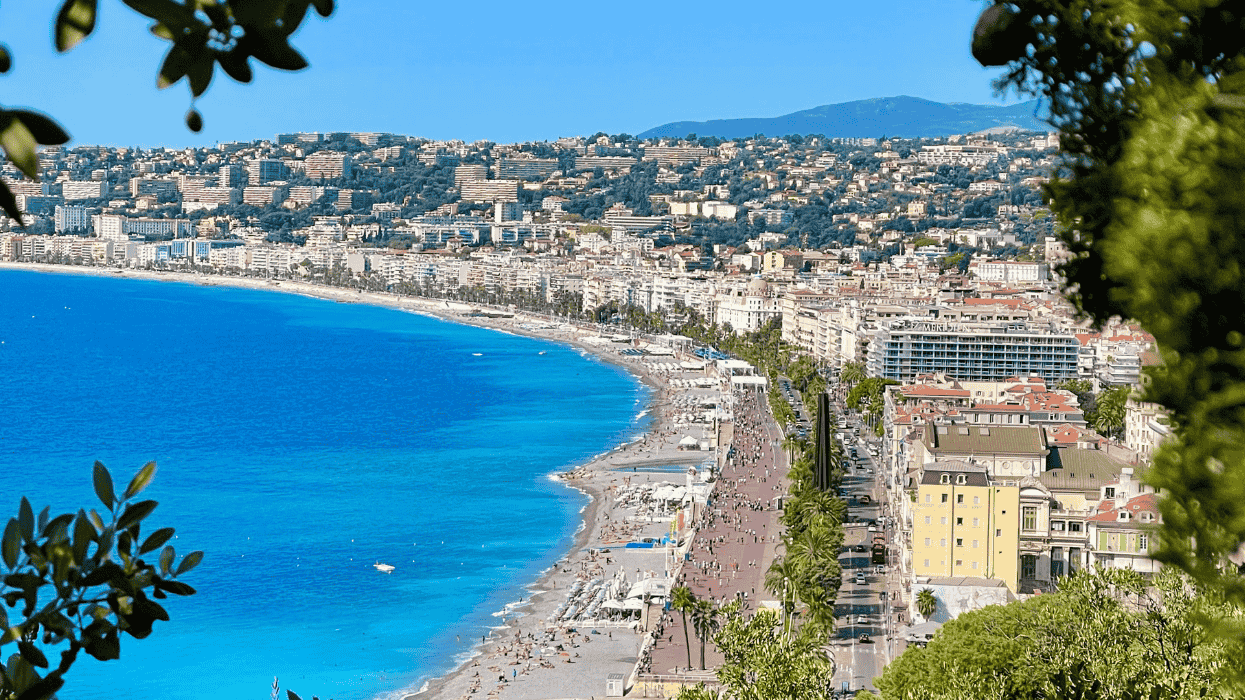
About a year ago, we applied for visas, sold our home, held an estate sale of everything but a few suitcases' worth, and moved to Nice on the southern coast of France. We chose Nice because it felt like the right-sized city and offers ample transportation options for getting around. From Nice, you can dine on pasta carbonara in Italy or stroll through a picturesque medieval French mountain village in about an hour. Before we settled on Nice, though, we needed to find a safe and welcoming home outside the U.S., which was easier said than done.
Why leave the U.S.A.? After a lifetime of travel, my British grandparents settled in Mississippi in their 50s and then applied to become U.S. citizens. All my paternal relatives live in the UK, Europe, or Brazil, so I always felt I got the short end of the stick by being gay and reared in Mississippi. My siblings and I were the second generation of our family born in the U.S., so I wasn't deeply rooted there. And, knowing I was "different" since age 5, I never felt at home in the Deep South. I didn't believe emigrating was a serious possibility until recently, when I had the financial security to do so. Together with my husband of twenty years, I had a partner who was willing to make this dream a reality.
Many of my family members worked on and around Capitol Hill. It was from them that my interest and exposure to politics began. I watched as the speaker, Newt Gingrich, rallied his Republican base toward the political tribalism we Americans live with today. Meanwhile, political strategist and advisor Karl Rove used issues to stoke fear and make "the other" the enemy. As a gay man in the U.S., I felt I was part of "the other," and open to attacks mainly from the right.
Watching the destruction of democracy and the threat to my personal liberties, it was more than I could bear. So the plan to find a suitable country became an absolute priority. But, where in the world to go?
My husband and I sought a location with mild weather and good air and rail travel connections, combined with a legal and social structure welcoming to a married gay couple. Research was centered on the Mediterranean coastal countries due to their agreeable, usually mild weather, as well as their culture, history, and natural beauty. One goal was to earn full citizenship with a passport within a reasonable number of years, allowing us the right to travel or live in any member country of the European Union.
We looked at Malta first, a limestone outcrop in the middle of the Mediterranean south of Italy, which offers a beautiful setting, history, and architecture. It also has a stellar record on LGBTQ+ rights. But we found the idea of living there full-time quite limiting due to its small size and geographical isolation. So, we kept looking. Greece offers beautiful islands, history, and architecture, but we didn't find the requirement to become proficient in the Greek language advantageous for us. While Greece gets high marks for its ongoing efforts to support the LGBT community, it falls short in transportation to European destinations on our personal travel wish list. Plus, the costs of obtaining a golden visa (residency permit based on investment in the country) in prime areas were high. And, so, the search continued.
Barcelona has always held a special place in my heart since first traveling there in my 20s. My grandmother spent much of her youth in Spain with her family, and her grandmother lived and died in Barcelona. I felt some small connection thanks to my family having lived there, and found the city romantic, vibrant, and picturesque. While I could picture myself living in Barcelona, the anti-visitor climate was already in existence when our home search got serious. Then there was Lisbon. One exploration trip for relocation reconnaissance was to Lisbon in the spring of 2022. This trip coincided with Lisbon's media blitz as the darling of digital nomads, travel writers, and well-heeled second-home buyers. Though Portugal is not technically on the Mediterranean, it fronts the Atlantic, so it ticks the box for usually mild weather. But their immigration service being so far behind on processing applications–it's been three years since we applied, and we've yet to have the first intake meeting with the government–and the government removing tax-saving provisions to their golden visa application made the move to Portugal far less lucrative.
And, so, we chose France for the win!
We found France attractive because it offers permanent citizenship after just 5 years of residency. When we applied in 2024, the cost of the long-term visa (LTV) through the French Embassy in the U.S. was 95 euros. (It has increased to 225 euros per person, but it's still a bargain!) The French process was also considerably less cumbersome. There is a transition period as you adjust to French culture: learning a new language can be challenging, but we're taking our time, as we have 5 years before we're tested for citizenship.
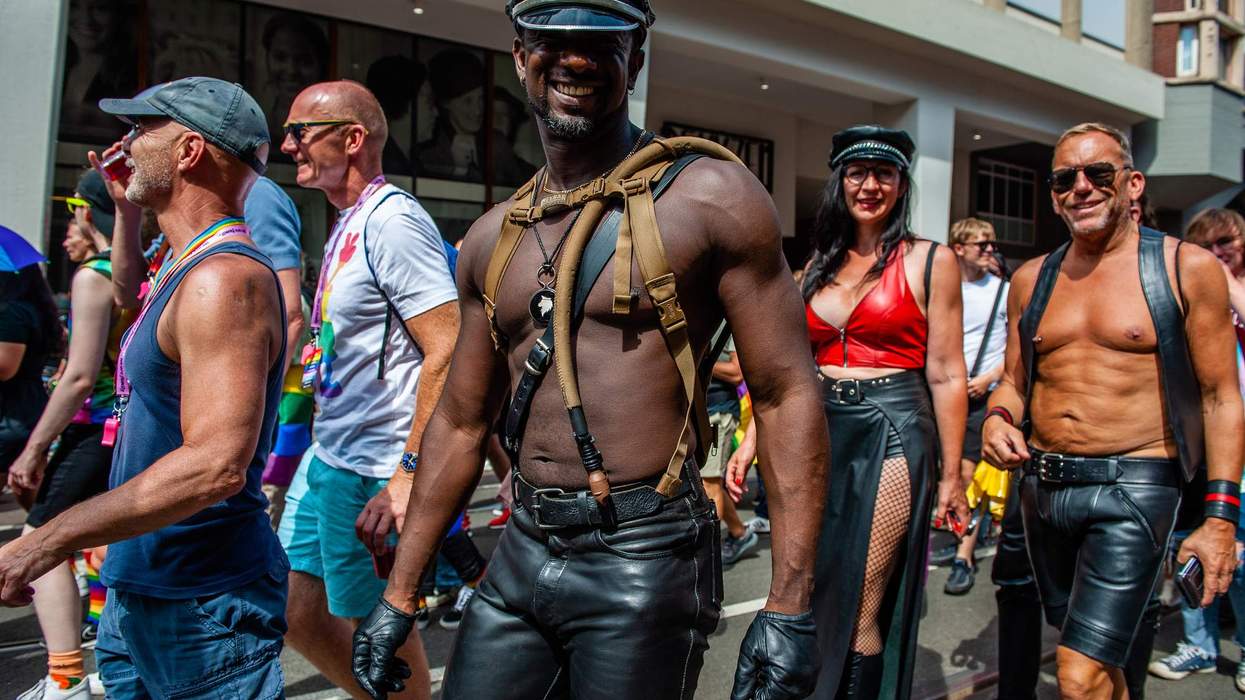
It's fun to choose a different boulangerie, patisserie, or gelateria every day. Many can be found in every neighborhood, sometimes all three on the same block! We enjoy seeing dogs in cafés regularly, whether they're part of the establishment's family or simply with their family in for a meal. We also find the LGBTQ+ and expat communities warm and welcoming, whether at a happy-hour mixer or marching in a parade along the promenade.
We love our belle vie in our new home by the sea and encourage you to leap as we did. C'mon in, the Mediterranean water's fine!
Opinion is dedicated to featuring a wide range of inspiring personal stories and impactful opinions from the LGBTQ+ community and its allies. Visit Out.com/submit to learn more about submission guidelines. We welcome your thoughts and feedback on any of our stories. Email us at voices@equalpride.com. Views expressed in Opinion stories are those of the guest writers, columnists, and editors, and do not directly represent the views of Out or our parent company, equalpride.