

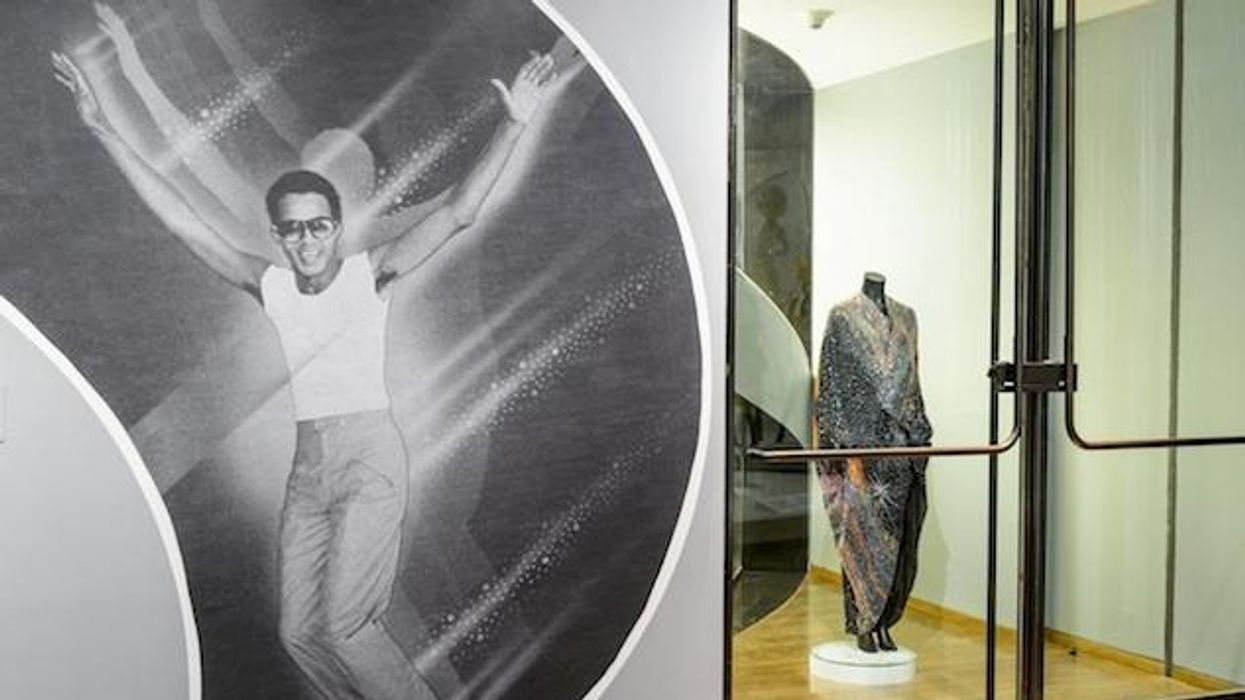

Left: Pat Cleveland in Burrows, 1972. Photograph by Charles Tracy | Photos courtesy of MCNY
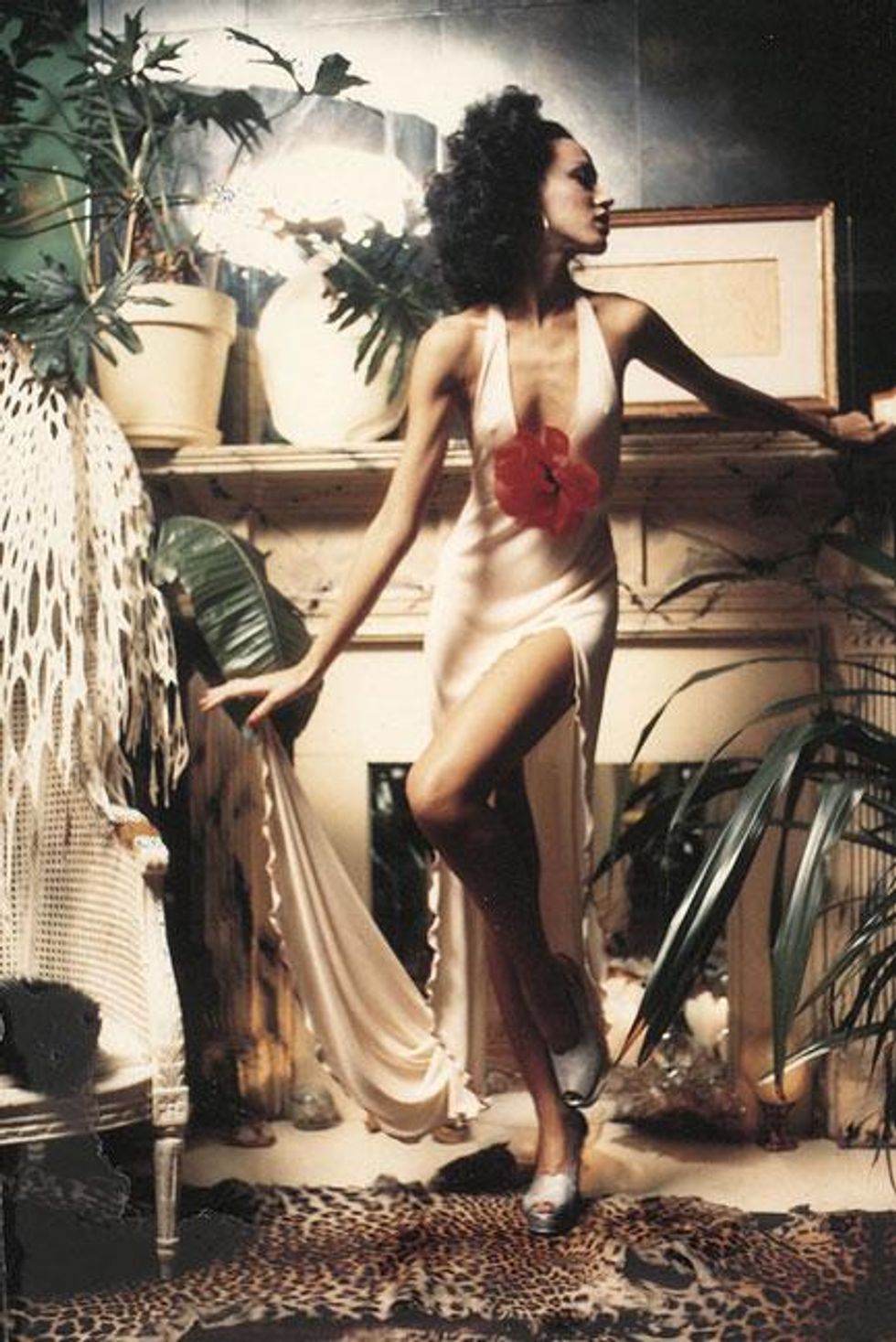 In 1977, the New York Times called Stephen Burrows the "brightest star of American fashion." He'd already participated in the infamous 1973 Battle of Versailles fashion show along with other American upstarts Oscar de la Renta, Ann Klein, Halston, Bill Blass, and Donna Karan--he stood out as the only black designer--and his bold shapes, colors and body-clinging silhouettes--he pioneered the jersey wrap dress--were credited with adding the much-needed energy to that landmark show, and a major influence the disco generation.
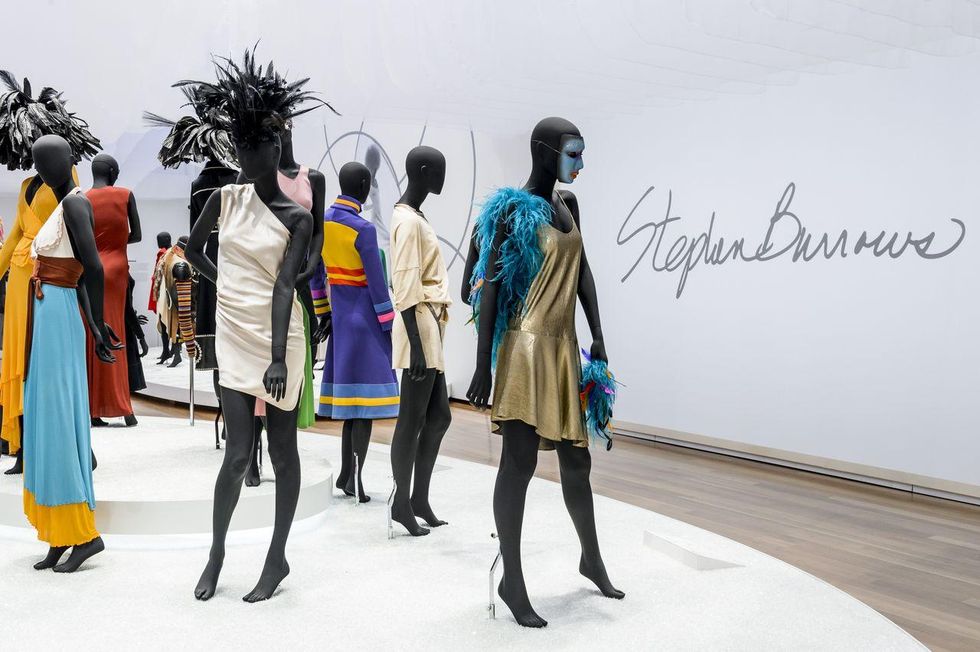
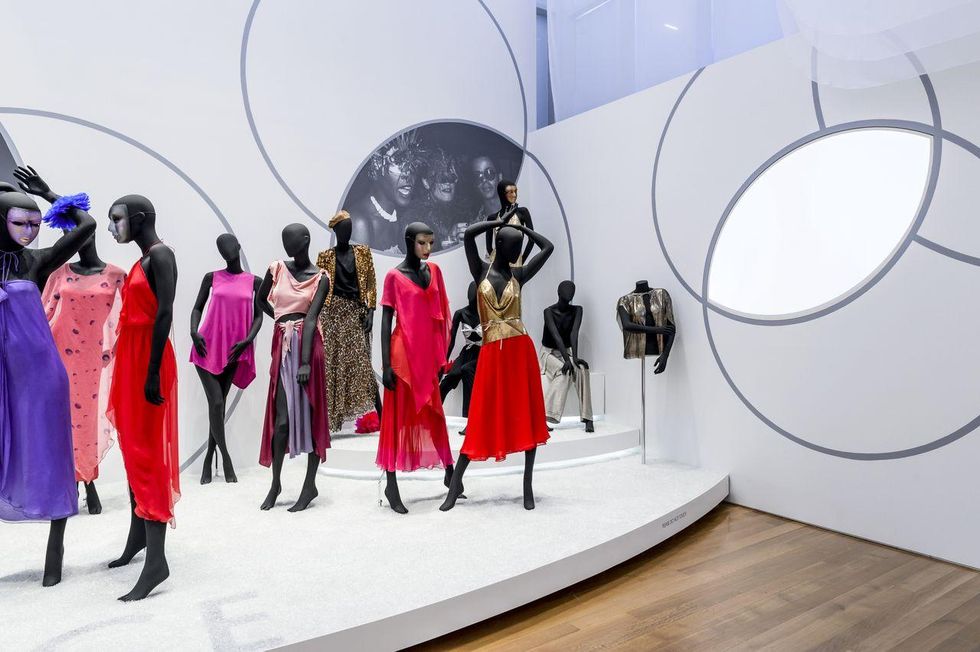
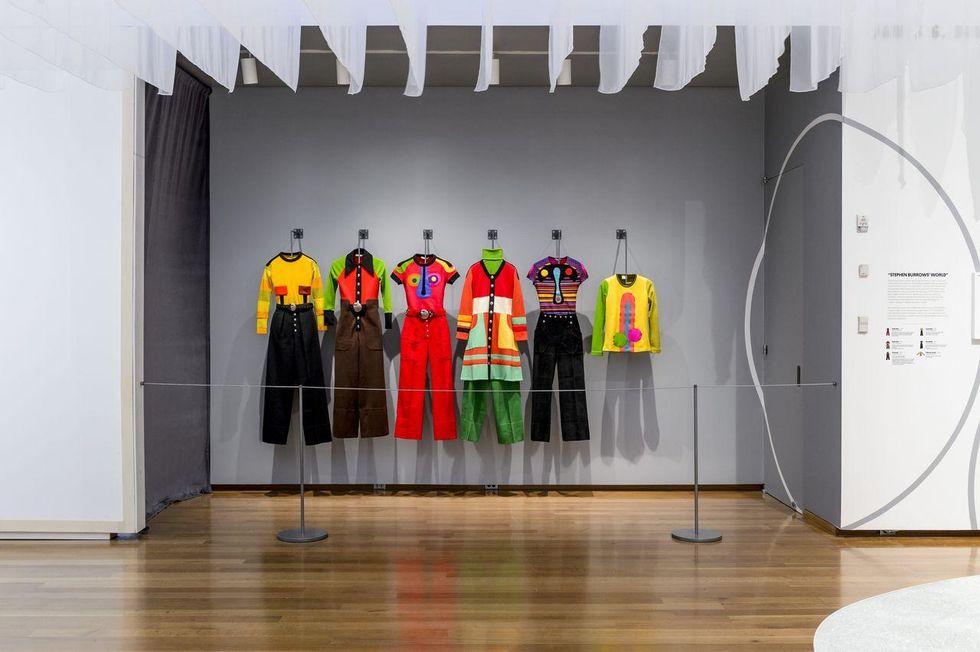
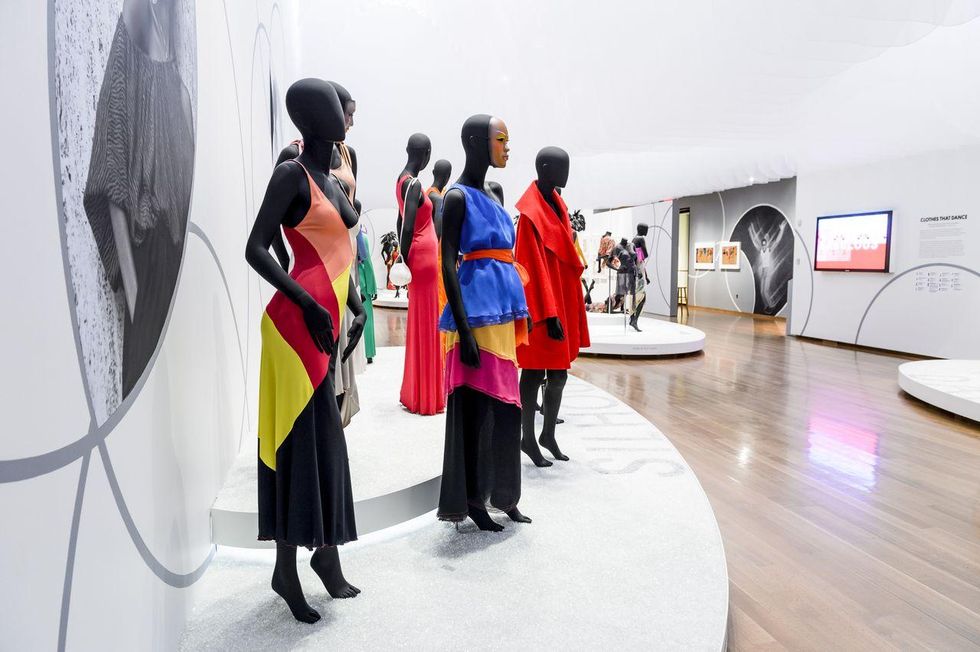
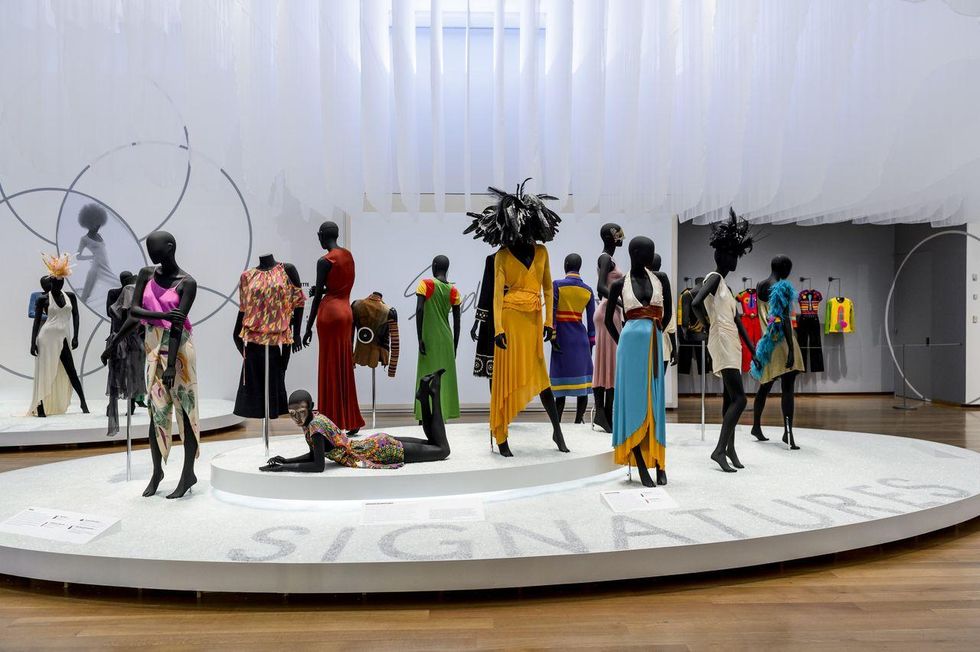
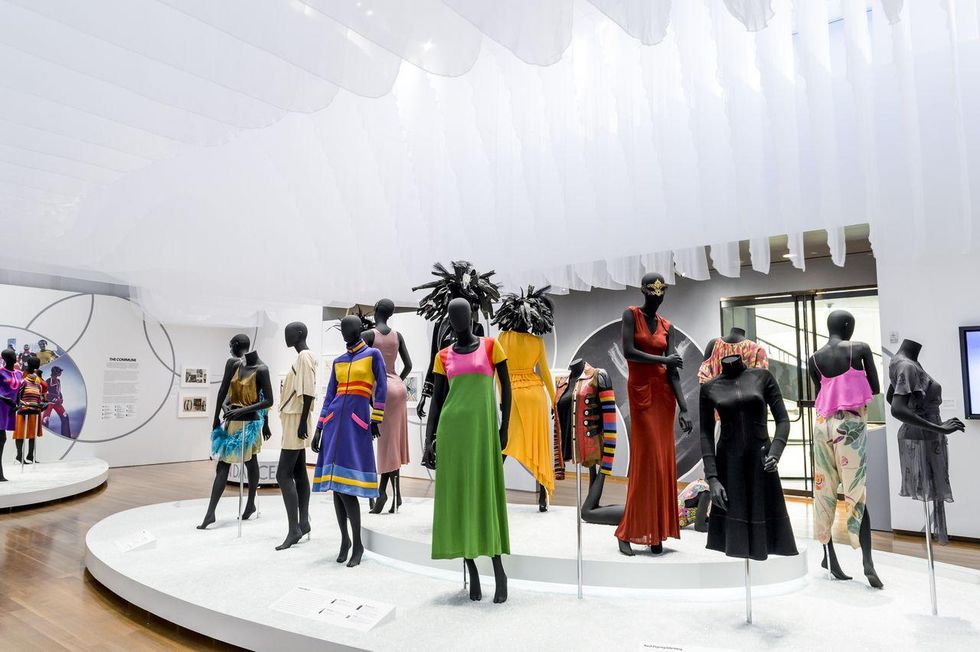
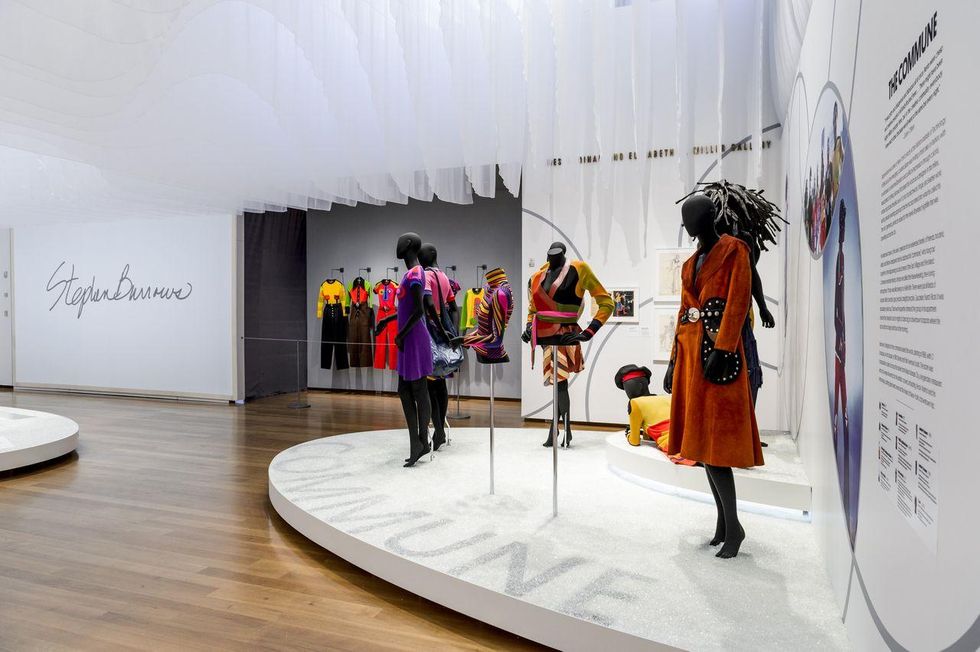
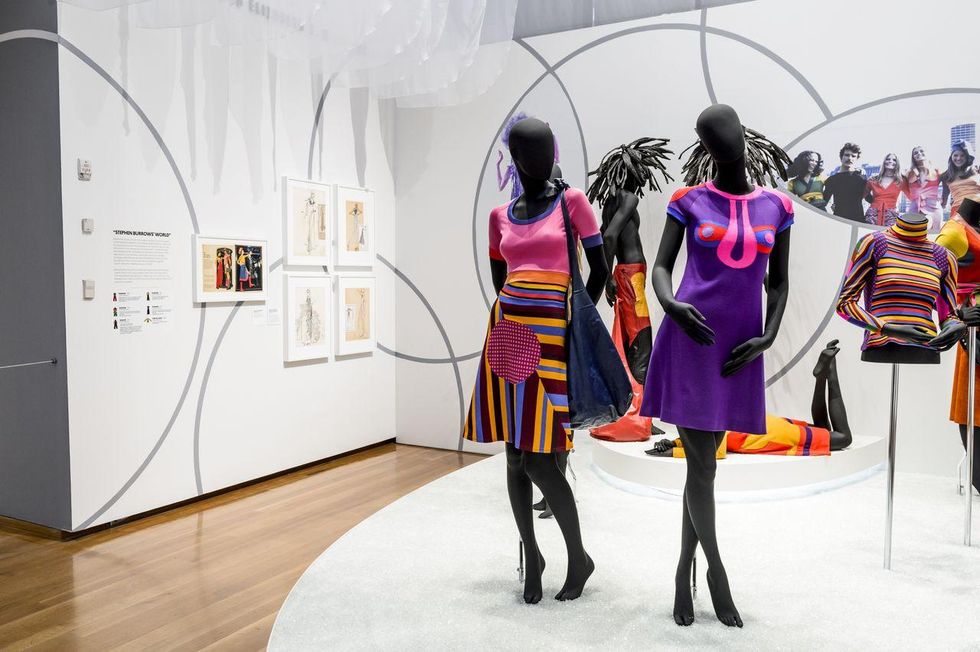
Although he was the first African-American designer to achieve international attention, these days it seems few people remember the influential designer's work. That's why it's so important that Burrows, an openly gay man long before it was fashionable, is receiving a major exhibition of his design work, titled Stephen Burrows: When Fashion Danced, at the Museum of the City of New York.
In fact, it may be time for a renaissance for the trailblazer since he was also featured in the recent documentary Versailles '73 (available on DVD and iTunes), explaining why his presence was so profound for many on the scene at the time. As model Barbara Jackson remembers, it was exciting time for her and the other black models. "Knowing I was working for a black designer was exciting for me," Jackson explained in a recent interview, when asked about how she'd worked with Burrows from the start and how he selected her for the. "His clothes fit me like a glove (at the time); they were really designed for our bodies."
On June 19, Burrows will discuss the Downtown scene in 1970s New York City, his pioneering style, and how his vibrant colors, metallic fabrics, and slinky silhouettes helped define the look of the disco generation.
Through July 28 at the Museum of the City of New York. For more information visit MCNY.org
CLICK TO SEE MORE IMAGES OF THE EXHIBIT INSTALLATION
Through July 28 at the Museum of the City of New York. For more information visit MCNY.org