


British author Philip Hensher first visited Gay's the Word, now the U.K.'s only gay bookshop, when he was an Oxford student in the 1980s. He bought Alan Hollinghurst's The Swimming-Pool Library from the cozy one-room establishment in Bloomsbury, London, and felt woozy from reading it on the bus ride home. He also thought someone ought to write a book inspired by the shop, which, since it opened in 1979, has withstood a customs raid, storefront vandalizations, and the bottom falling out of the book market. Gay's the Word celebrates its 35th birthday this year, and Hensher himself has written the very book he's longed to read.
Titled The Emperor Waltz, the novel is an extraordinary work that deals with acts of dissent. "There's something about someone setting up shop with a name that says 'Deal with it,' " Hensher says of the inspiration. "You wonder, How much bravery does that take?" A man driven to pay homage to the power of the written word, Hensher met me at Gay's the Word to find 10 must-read books.

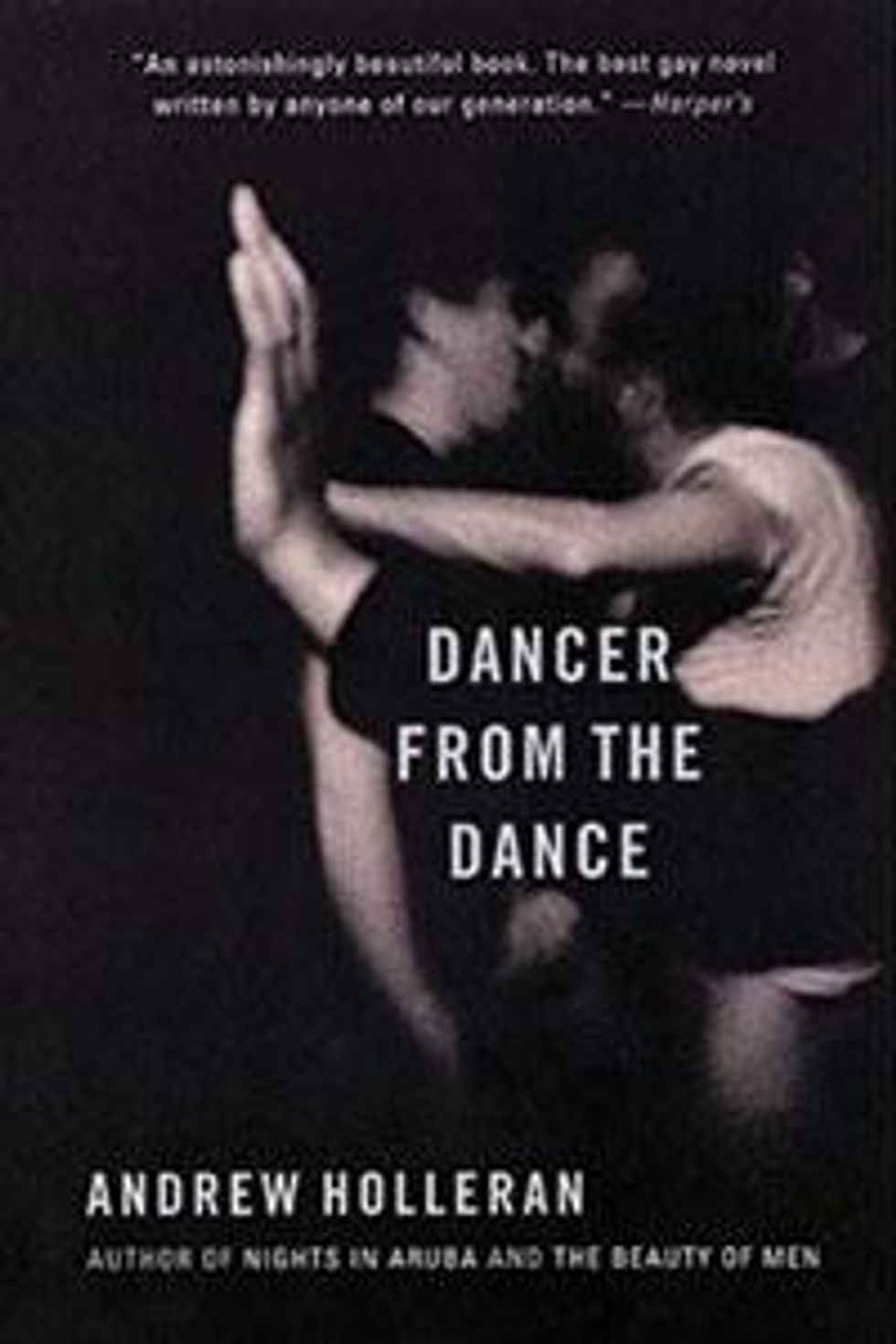 Dancer From the Dance by Andrew Holleran (1978)
Published the same year as Larry Kramer's F****ts, this is a warmer take on New York's pre-AIDS gay bar scene. "It's a beautifully written novel about a completely lost world," says Hensher.
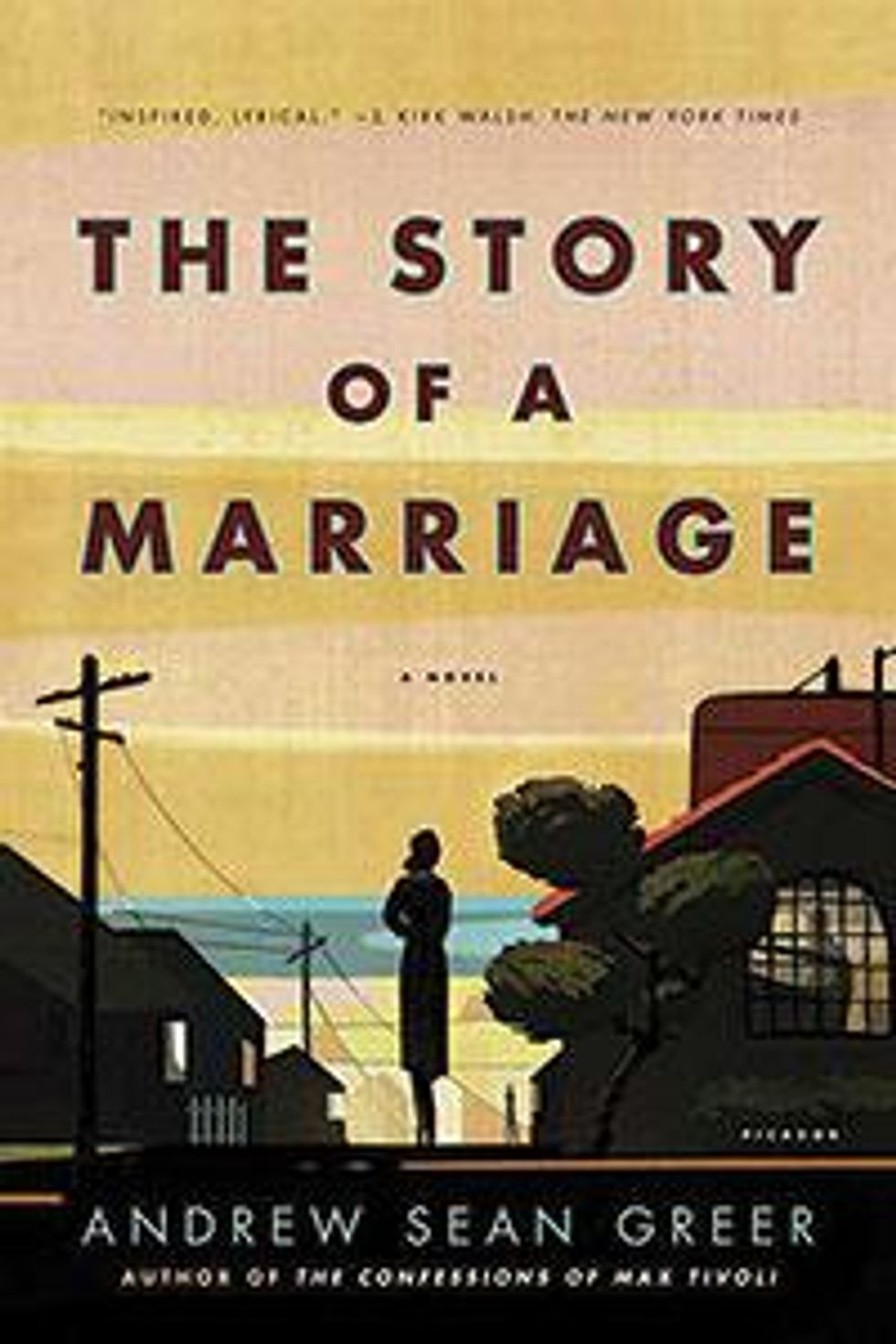 The Story of a Marriage by Andrew Sean Greer (2008)
"We think we know the ones we love," narrates Pearlie Cook, the San Francisco housewife in this revelation-laden novel. "It's a very intense story of domestic pressures," Hensher says, "with a married couple who have to deal with the husband's past."
 Maurice by E.M. Forster (1971)
Hensher read this story of same-sex love set in early 20th-century England when he was 15. "It's Forster at the height of his powers," he says. "It's an insight into how people might make sense of this desire they've got no model for. It's terribly moving and human."
 City of Night by John Rechy (1963)
"Fantastic, sexy book!" Hensher raves about this story of a young hustler's trysts across 1960s America. "Those growing up gay should have a sense that there's a bit of the outlaw in what they're doing."
 Giovanni's Room by James Baldwin (1956)
Baldwin's celebrated second novel depicts the love affair between David, an American in Paris, and the Italian bartender of the title. "Everyone should read this," says Hensher. "It's a romantic tale of being in Paris, falling in love, and not washing your sheets."
 The Bell by Iris Murdoch (1958)
Murdoch's triumphant meditation on love and freedom revolves around a religious leader's relationship with a younger man. "Murdoch was somebody who was very interested in the gay male experience," says Hensher. "The gays [in her] novels are very humanly observed."
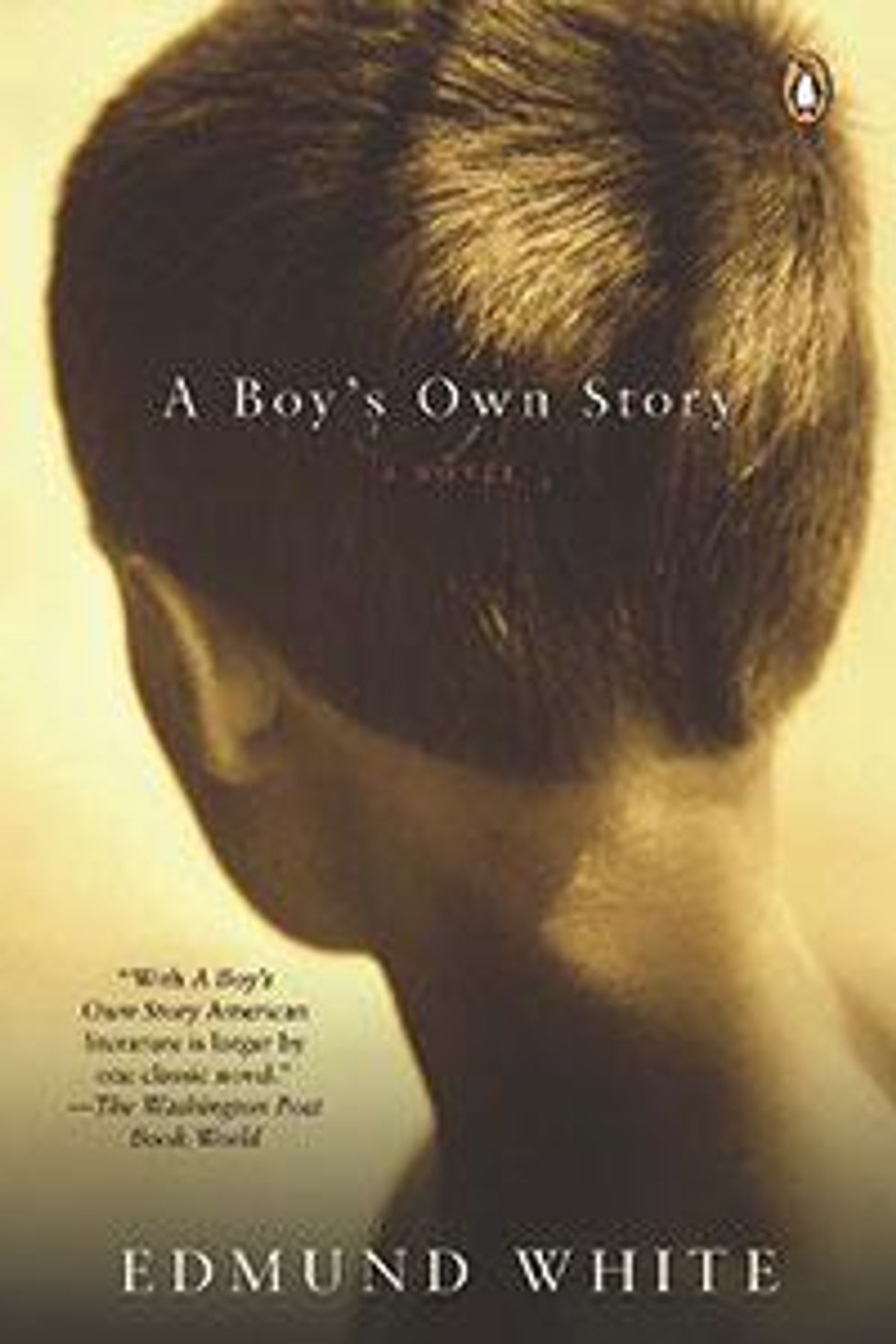 A Boy's Own Story by Edmund White (1982)
This coming-of-age novel is frank about the sexual experience between its 15-year-old narrator and his 12-year-old friend. "There's no attempt to disguise the fact that gay men are doing this stuff for pleasure," says Hensher. "There's no sense of shame."
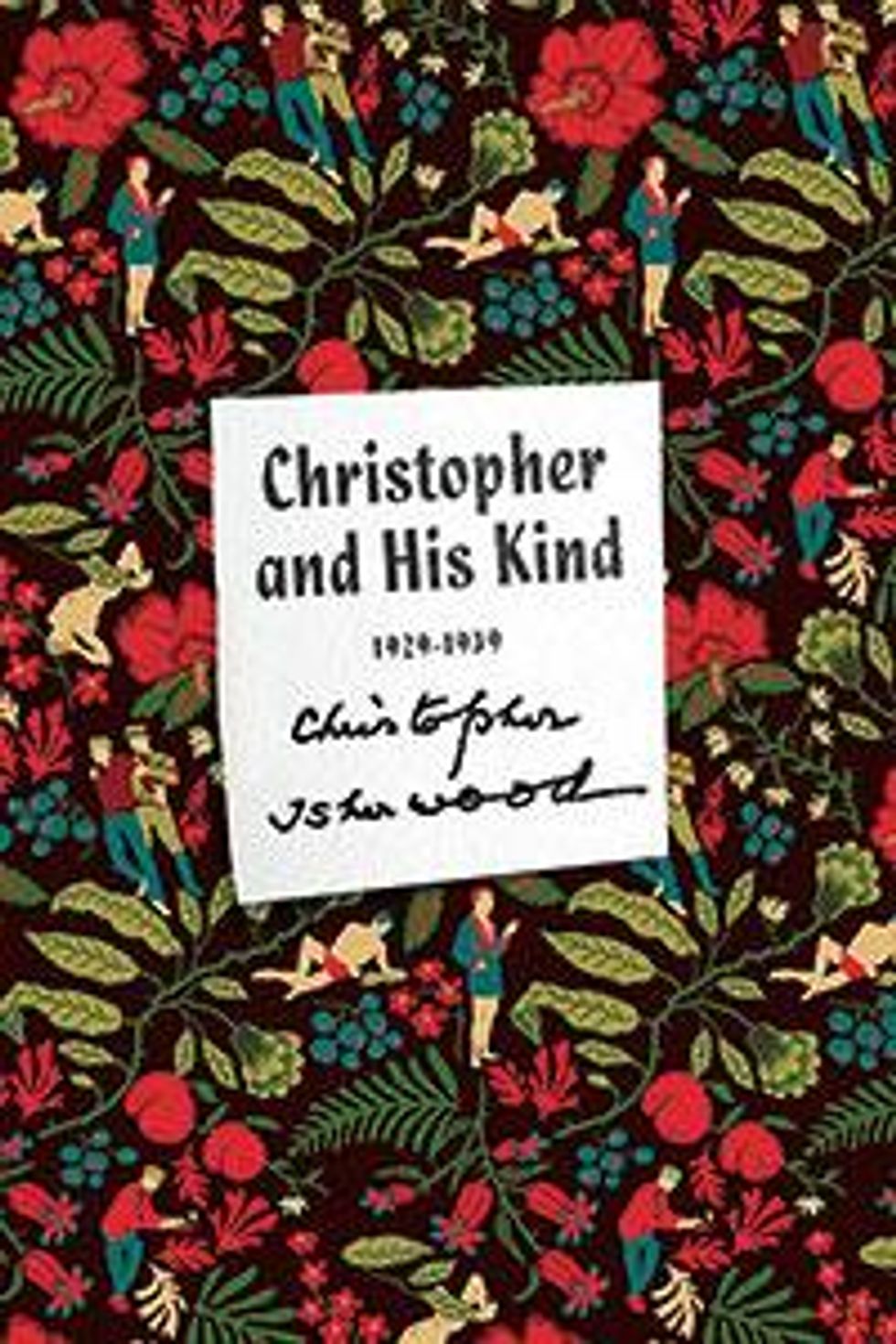 Christopher and His Kind by Christopher Isherwood (1976)
Isherwood's memoir is his most openly gay work, written to counter the British writer's less candid Berlin-set fiction. "There's a movement to dismiss his openly gay writing," says Hensher. "Critics don't mind the novels because they're fictitious," says Hensher. "But this captures a wonderful, sexy moment in 1929 Berlin."
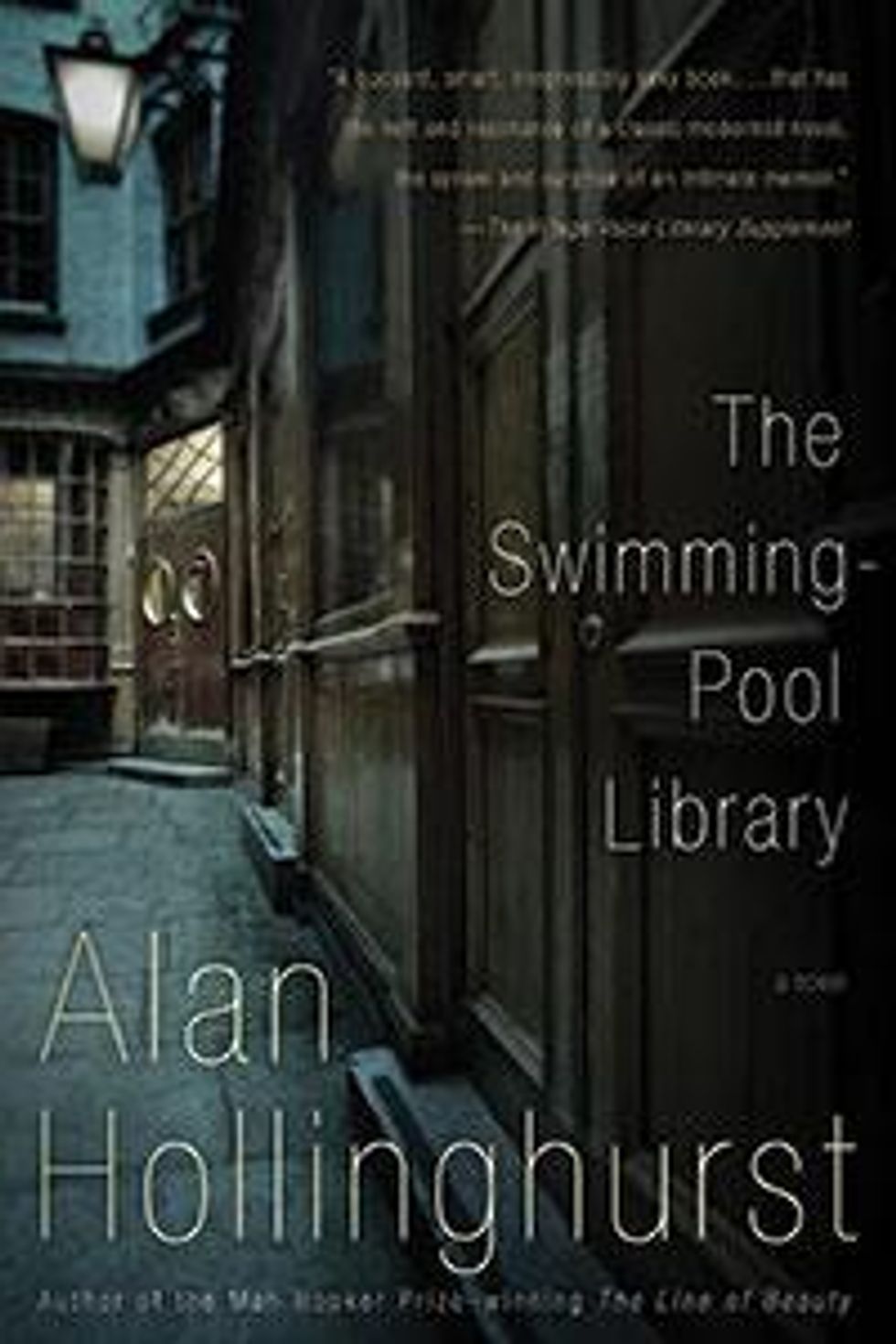 The Swimming-Pool Library by Alan Hollinghurst (1988)
Following the highly sexed Will Beckwith through a labyrinth of gay and homoerotic scenes and cultures in 1980s London, "this was a knockout novel about gay life," Hensher explains. "It's so smutty and hilarious and poignant."
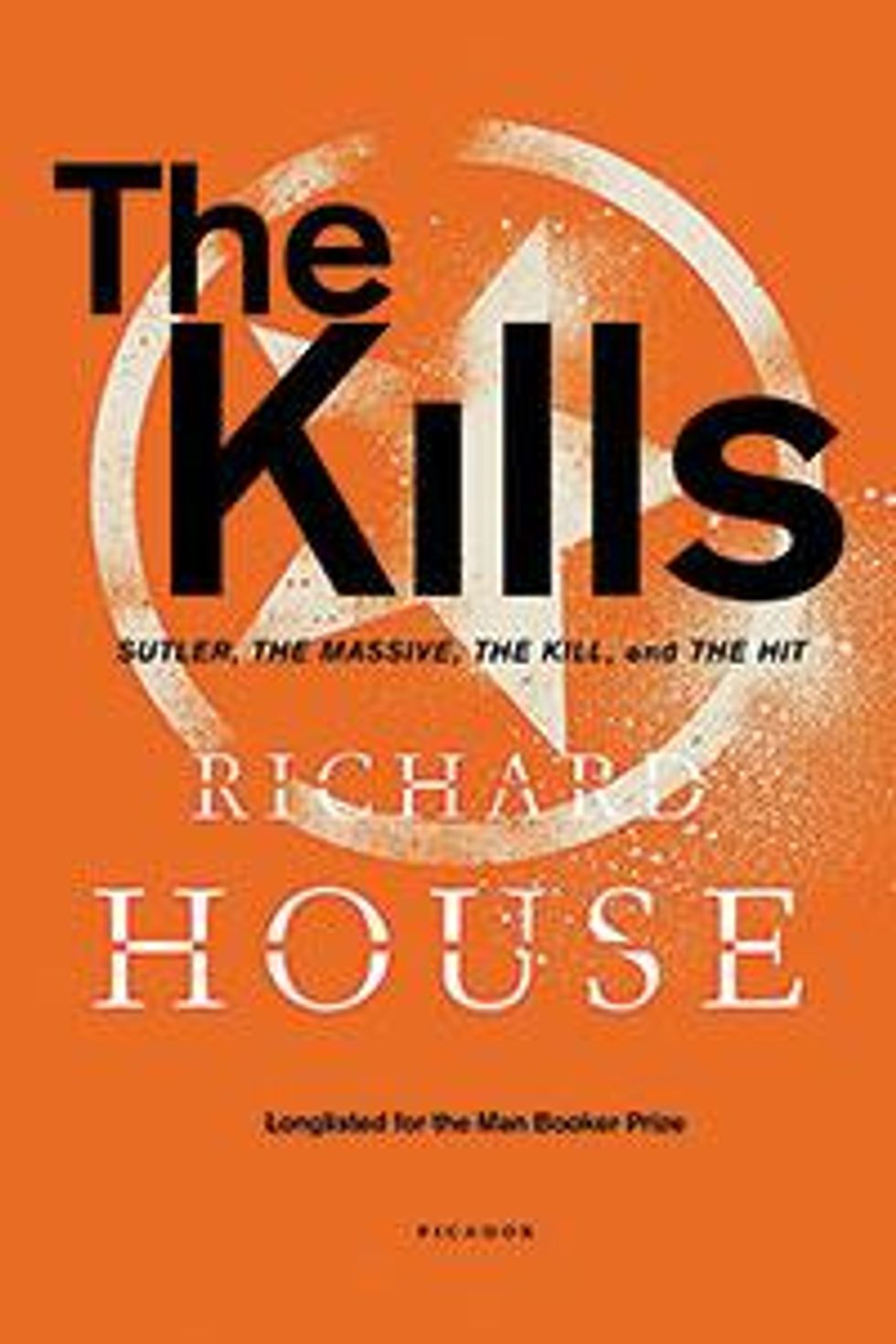 The Kills by Richard House (2013)
This four-part epic on the aftermath of the Iraq War is, Hensher says, "a big, bold statement" that points to gay fiction's future. "That gay people might write a thriller that has a gay sensibility, but isn't about limited subjects like coming out or AIDS, marks an exciting moment."