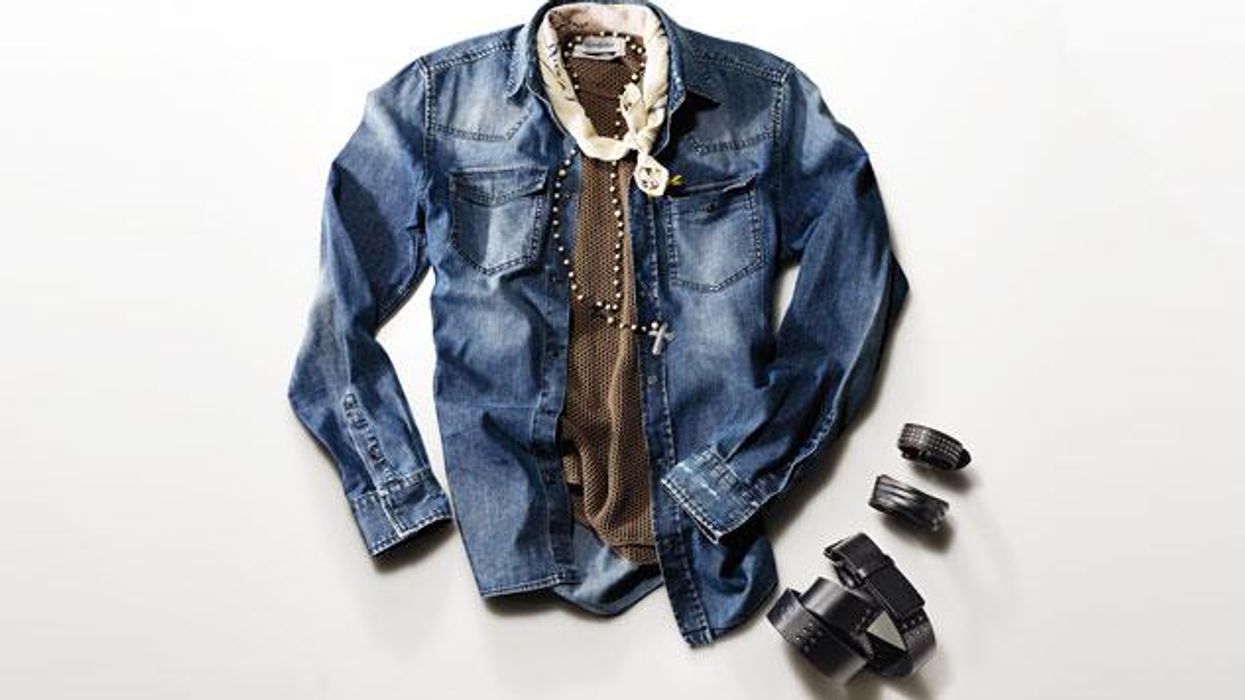
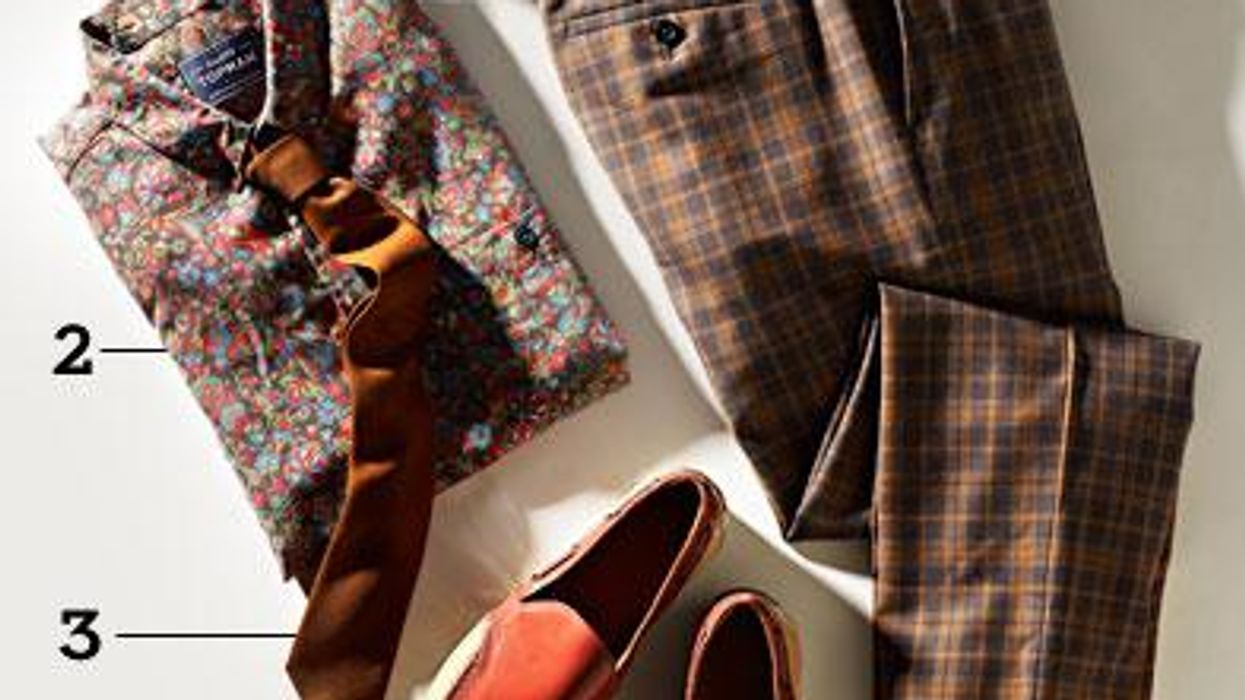
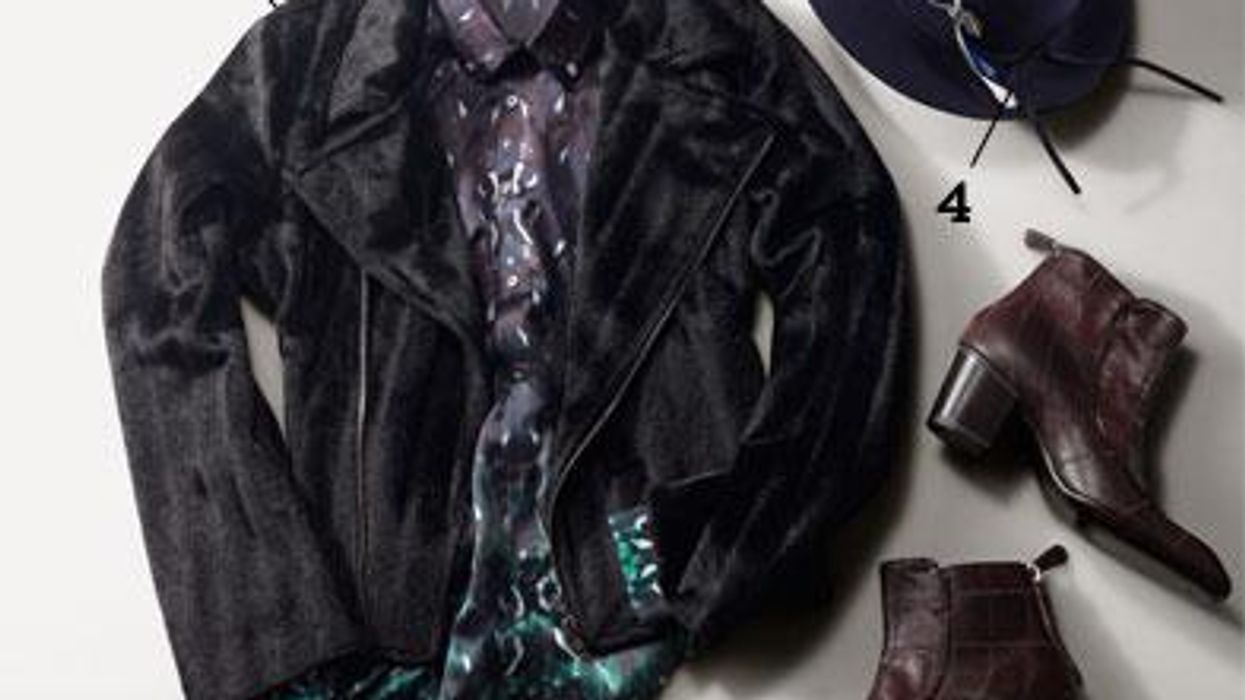
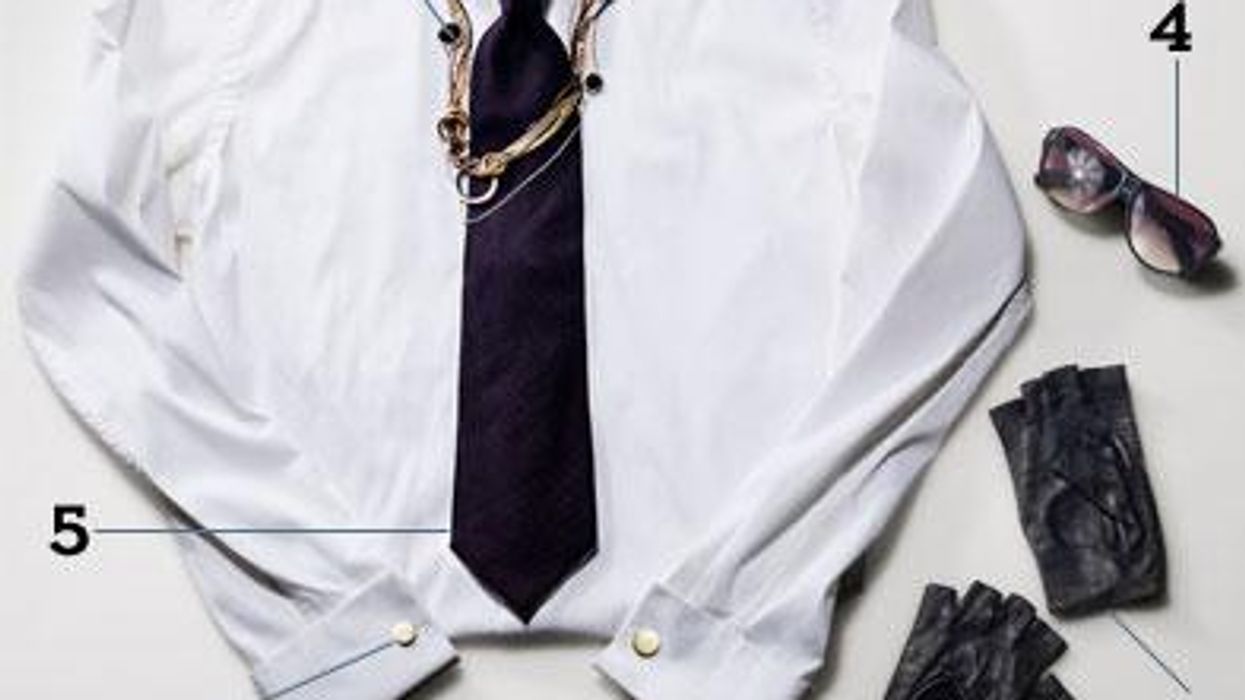
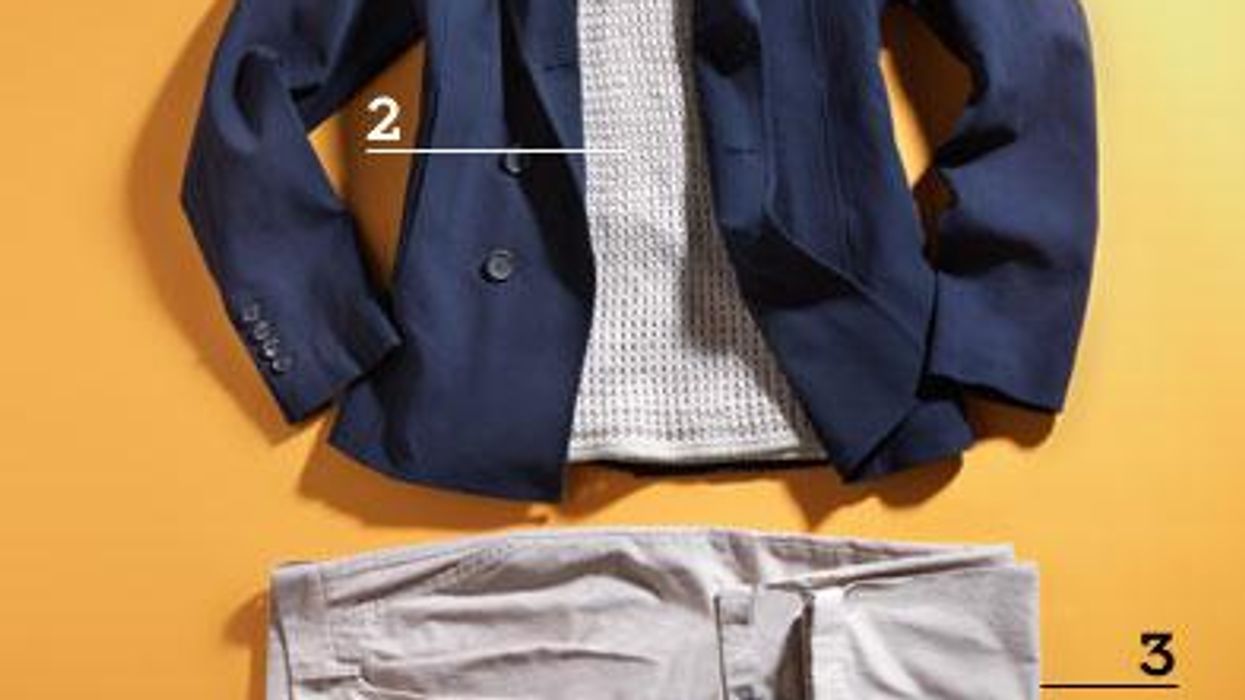
More than 20 years after his death, photographer Robert Mapplethorpe's work still smolders with a pensive eroticism. From the posed formality of his nudes to the tender curves of his floral still lifes, a candid, sometimes confrontational sensuality underscores much of his imagery. Patti Smith's 2010 memoir, Just Kids, reignited interest in the singer's singular and complex relationship with Mapplethorpe -- and the casual, yet subtly perverse, style he fostered from behind the lens. "I learned from him," Smith wrote of her lover, friend, and muse, "that often contradiction is the clearest way to truth."
Photography by Koji Yano
1. Denim shirt by Pierre Balmain, $325
2. Vintage neckerchief available at Wasteland, San Francisco, price available upon request
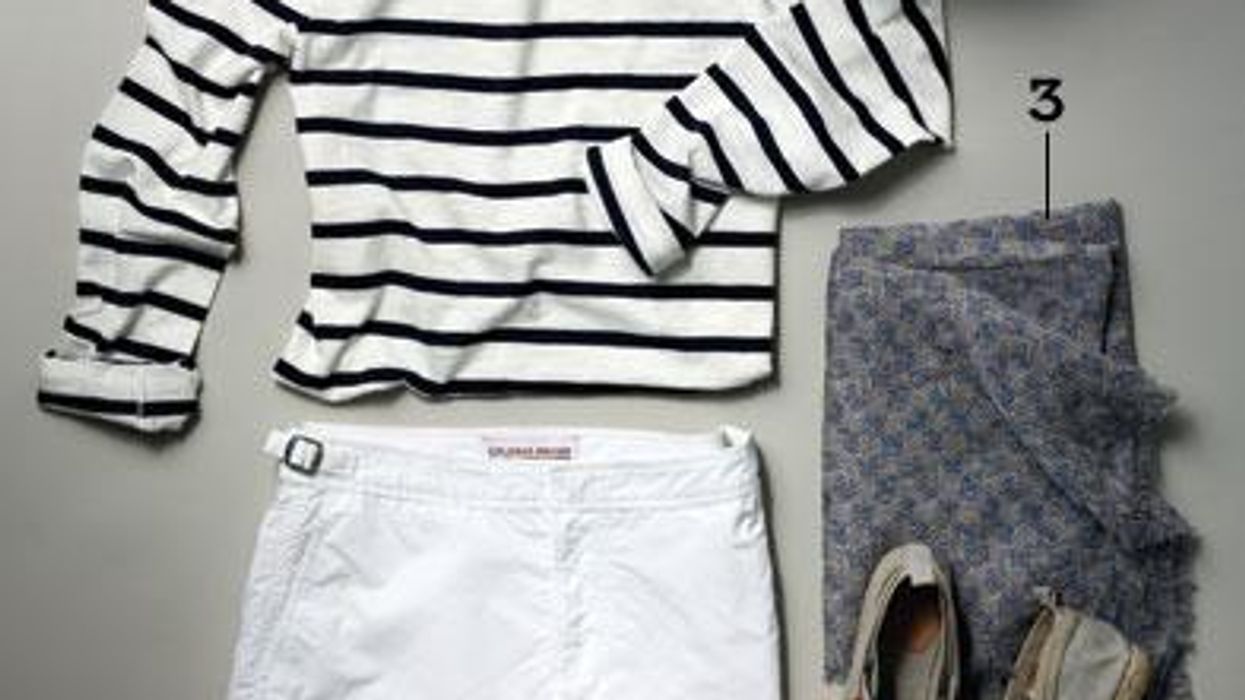
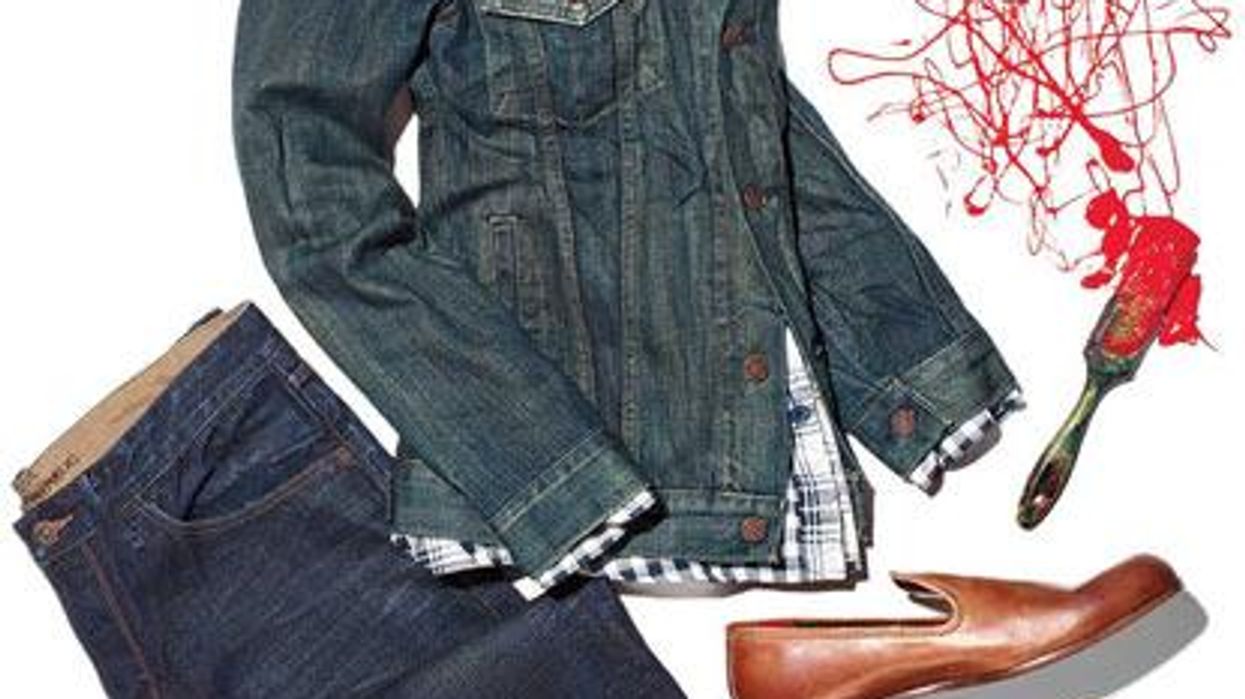
Picasso is the most celebrated figure of modern art. His 20th-century masterpieces -- often revolutionary and controversial -- included the beautiful-scary, hyper-sexualized Les Demoiselles d'Avignon and Guernica, which graphically articulated the horrors of war. The Spanish artist's coterie of mistresses and penchant for May-December romances proved the provocative nature of his work also extended to his private life. Despite this, his personal style retained a laissez-faire sensibility cultivated from his self-imposed exile to France. There, he adopted the uniform of a Breton shirt, loose shorts, and espadrilles--the perfect paint-splattered antithesis to art world pretension. Keep Reading →
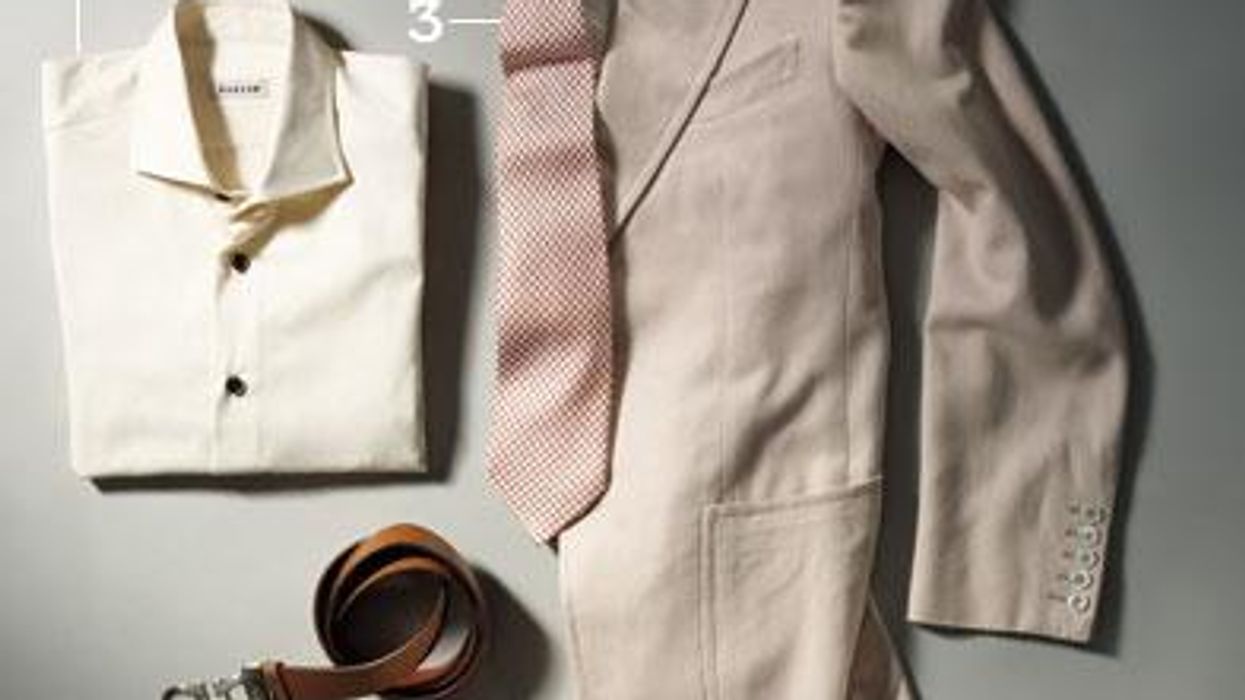
Bruce Lee will forever be remembered as a martial arts badass. Born in San Francisco but raised in Hong Kong, he parlayed physical agility and meditative ferocity into a Hollywood career before his untimely death at the age of 32. Though many hold the sinewy, bare-chested image of him from Enter the Dragon in their memory, Lee could be quite extravagant when fully clothed. He embraced '70s trends -- oversized lapels, powdery pastels, not-so-subtle accessories -- that have come back into favor. But Lee's flashy exterior belied a philosopher's mind. The man himself said it best when he quipped, "Showing off is the fool's idea of glory." Keep Reading →
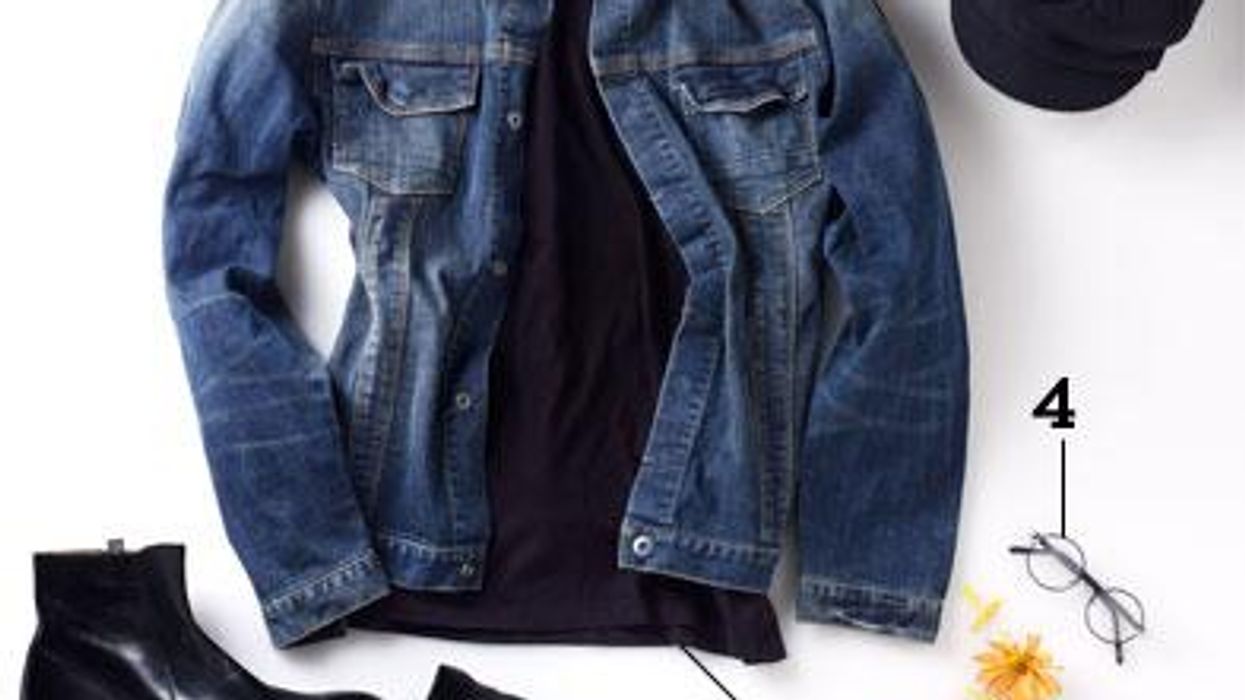
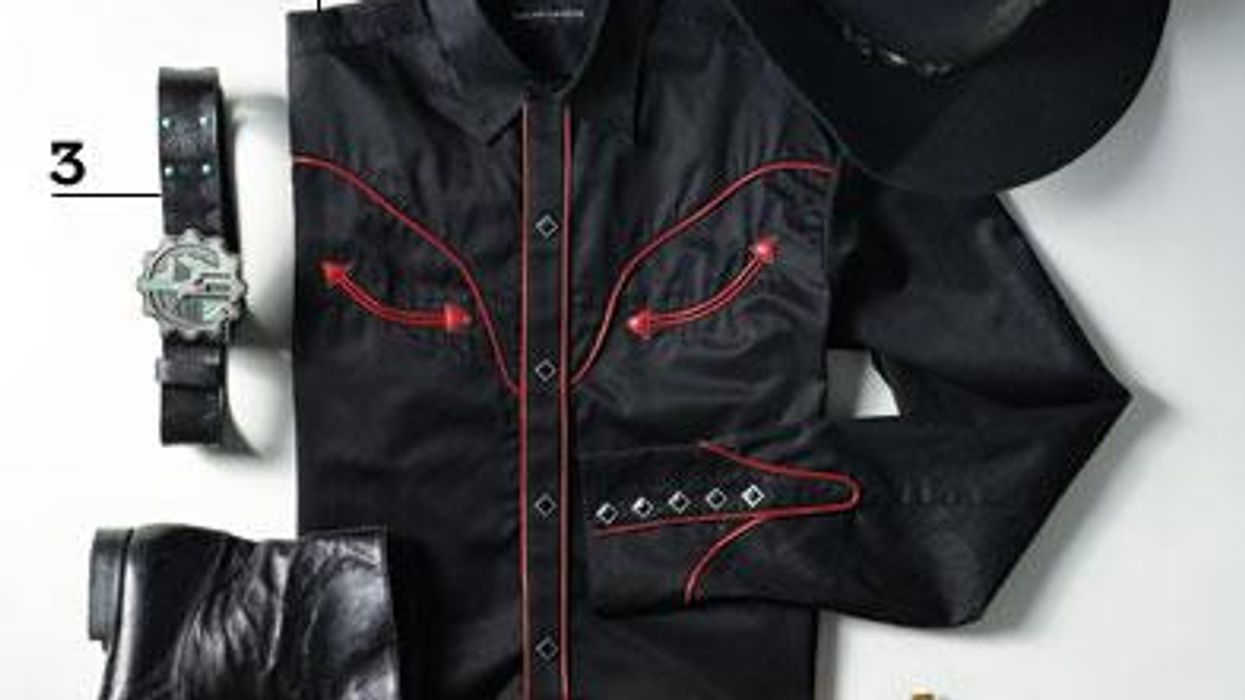
The gravel-voiced Johnny Cash iconically synthesized country and rock, a dichotomy present in almost all aspects of his life: He was a Biblical scholar who referred to himself as "the biggest sinner of them all"; his onstage persona possessed a bad boy brio, yet maintained a somber undertone; and his canon was both brooding and silly. Cash's appearance, though, had a reliable consistency. While he adhered to a priestly, dark uniform, which garnered him the sobriquet "The Man in Black," hints of outlaw braggadocio--a roughed-up leather jacket, a bolo tie, the rockabilly pompadour -- implied his rebellious nature was never too far off. Keep Reading →
German auteur Rainer Werner Fassbinder was never one to shy away from the provocative, and his last film before his untimely death, 1982's dreamlike Querelle, was no exception. Loosely based on Jean Genet's book Querelle de Brest, it tells the violent, homoerotically charged story of a degenerate sailor, detailing his misdeeds while off-duty in a small port city. With his low-cut top and butt-hugging pants, Fassbinder's titular character, played by Brad Davis, epitomized hyper-masculine archetypes reminiscent of Tom of Finland and the Village People. Anchors aweigh, indeed. Keep Reading →
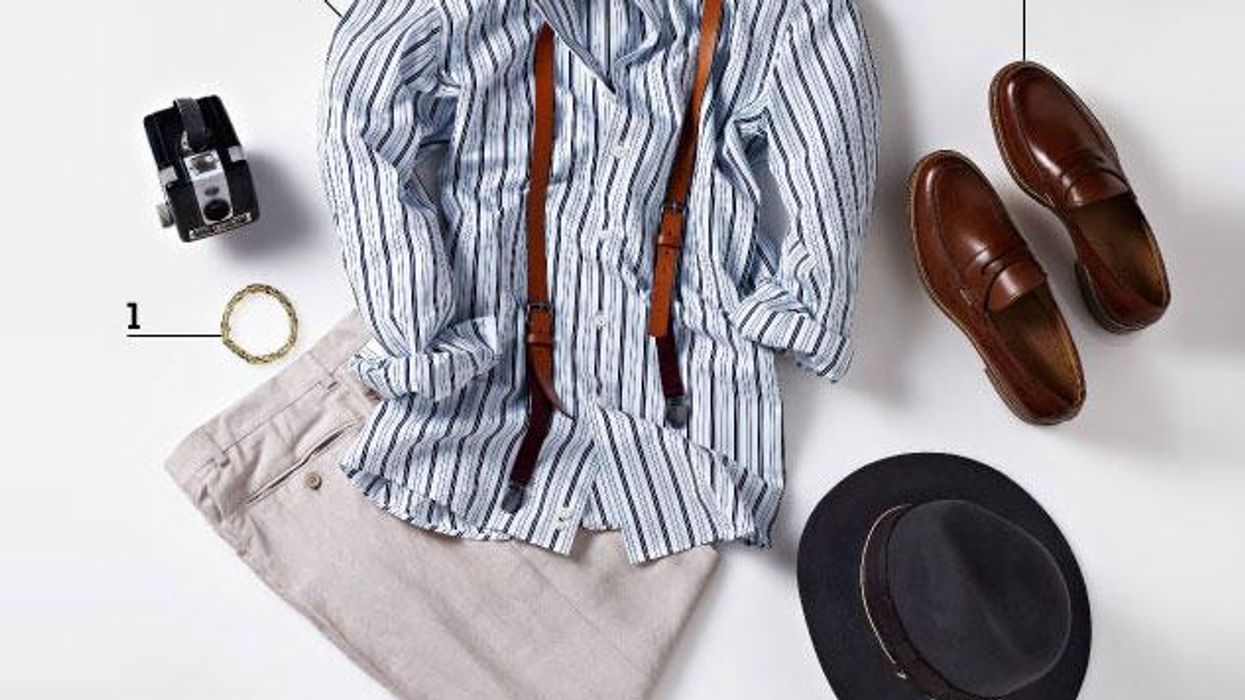
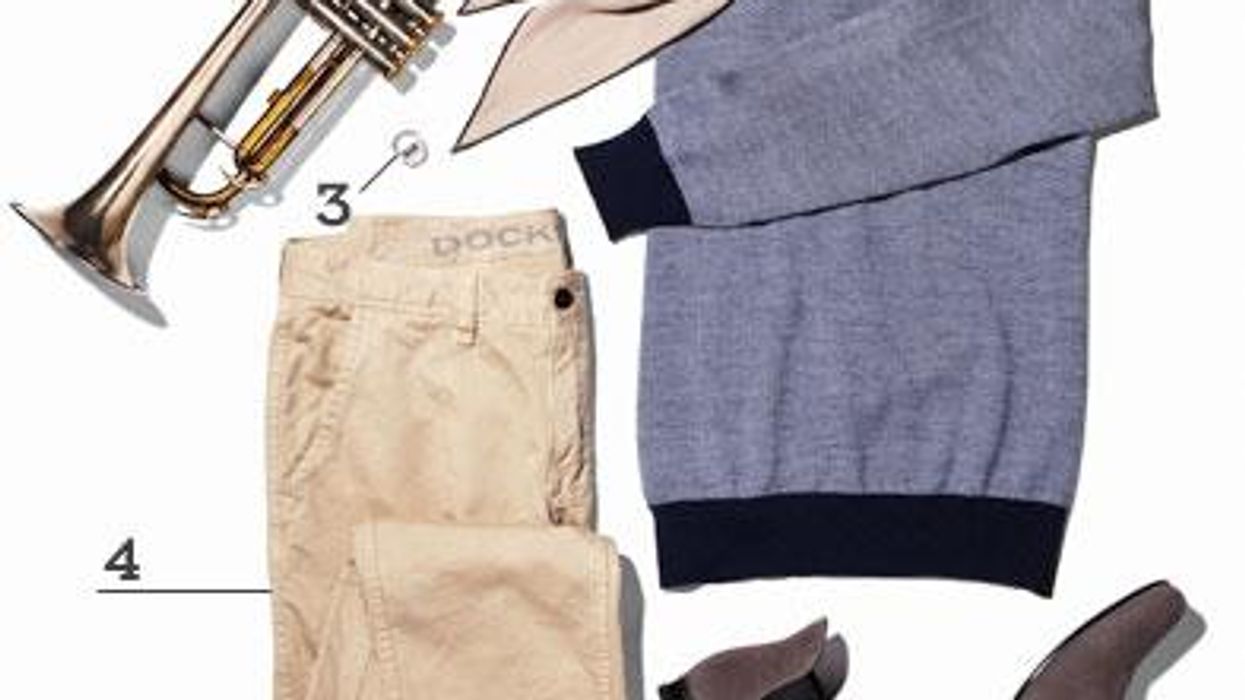
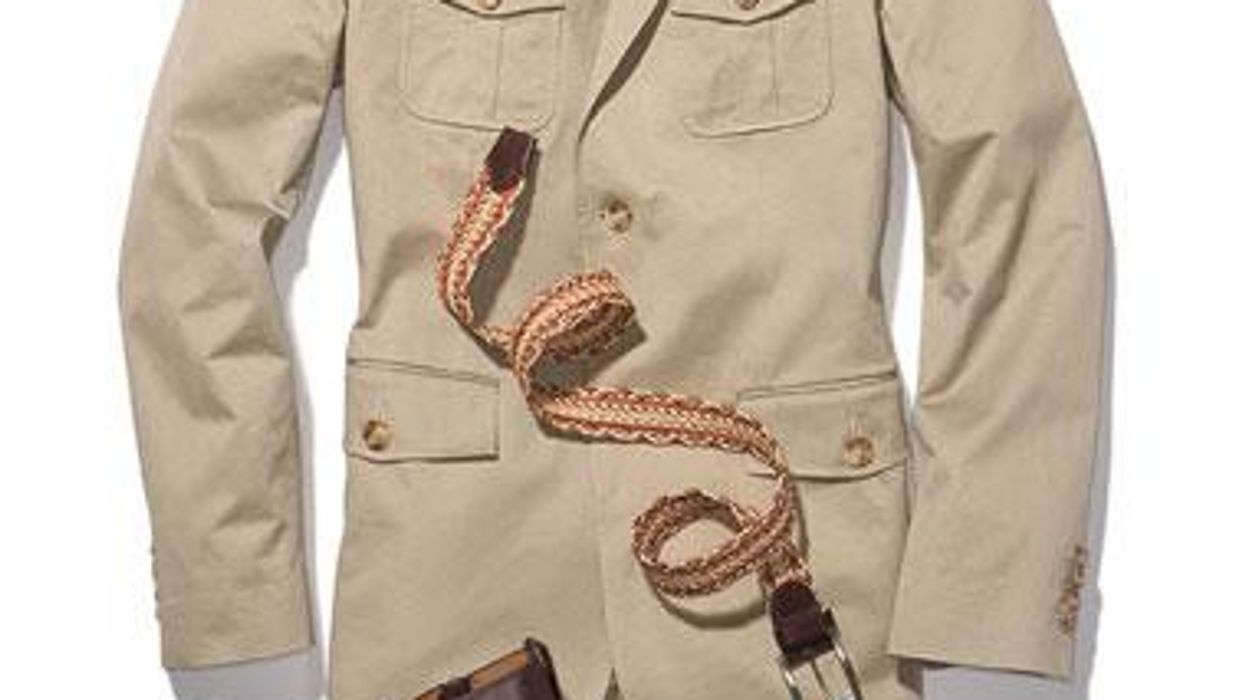
Miles Davis was a vital force in the evolution of jazz, amassing critical praise, pioneering movements like bebop and jazz fusion, and ultimately changing the game for his peers. But while his career was rooted in a complex world of rhythm and melody (he produced the best-selling jazz album in history, 1959's Kind of Blue,), his dress reflected a simpler notion of cool. In the same way he managed to reinterpret old standards so that they suddenly sounded fresh, Davis made the sedate uniform of the '40s -- pressed khakis, knit top, dress shoes -- pop with effortless flair (take that scarf, for example). Davis knew it wasn't what you do, but how you do it, that mattered. "For me," he said in 1989's Miles: The Autobiography, "music and life are all about style." Keep Reading →
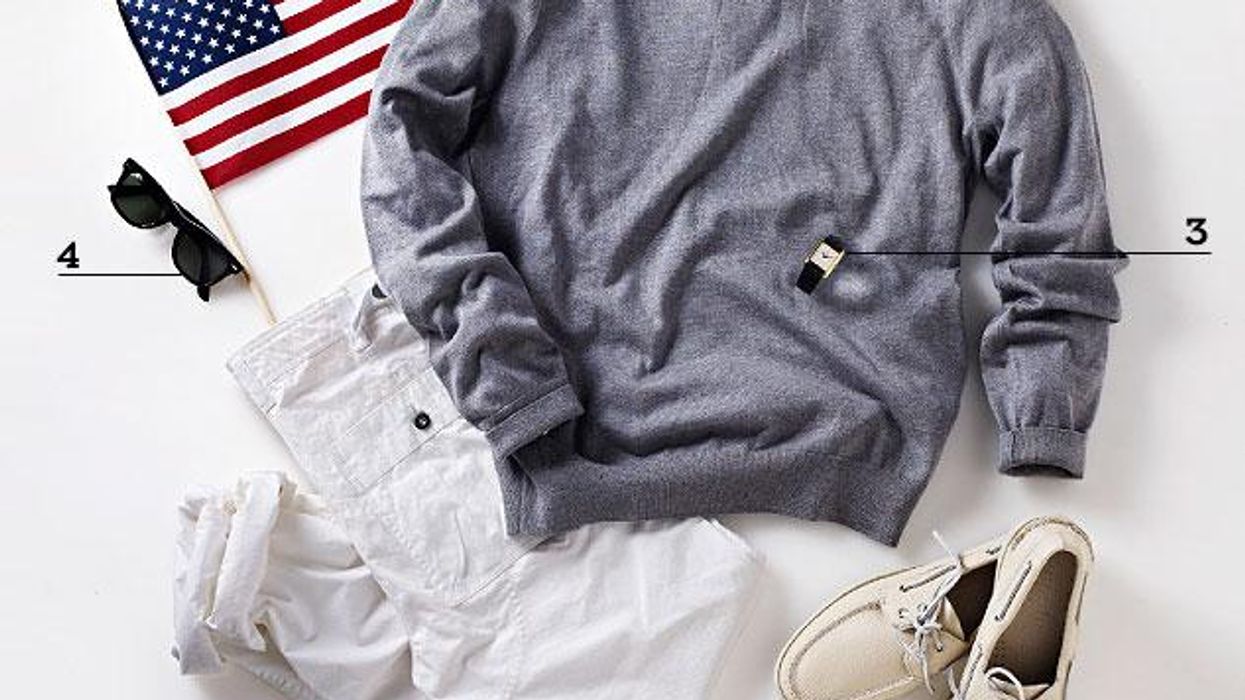
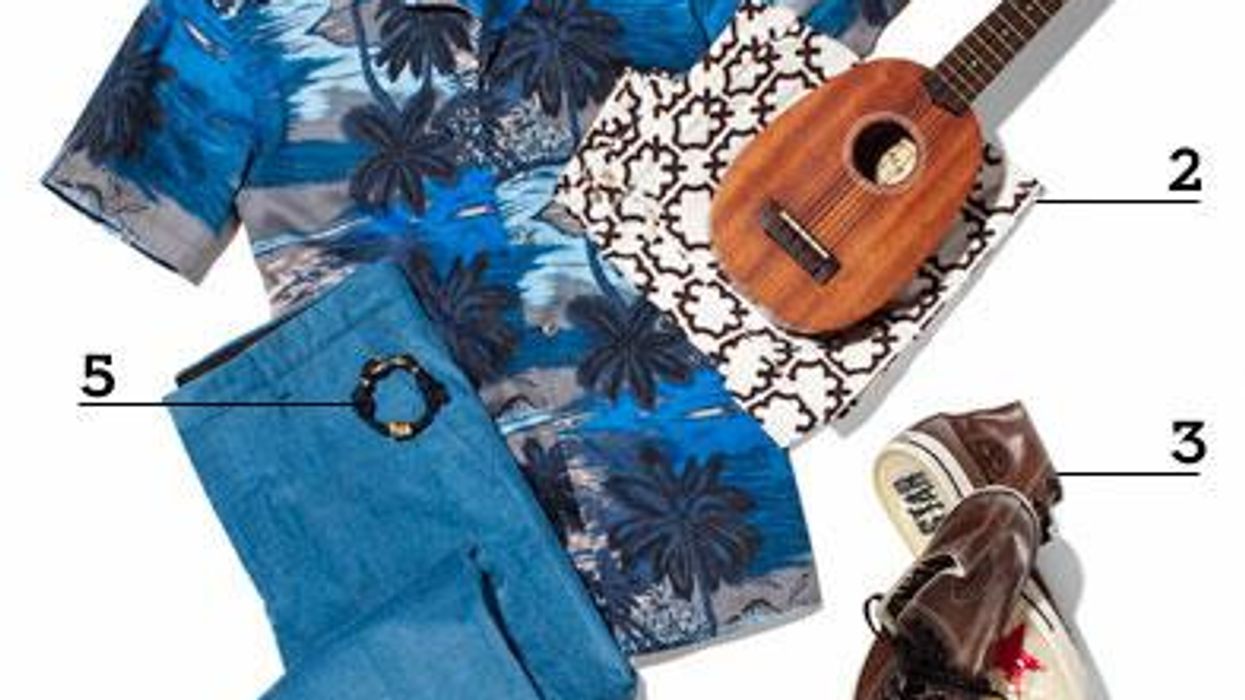
While many people equate the King with a rhinestone-studded jumpsuit and long bushy sideburns, his lip curled and brow damp (you know, elope-in-Vegas Elvis), we prefer to remember him as the young, dreamy crooner with an affinity for island life. In addition to a trio of 1960s film musicals revolving around tropical exploits (Blue Hawaii, Girls! Girls! Girls!, and Paradise, Hawaiian Style), Presley staged 1973's Aloha From Hawaii, the first-ever concert to be broadcast worldwide. Keep Reading →
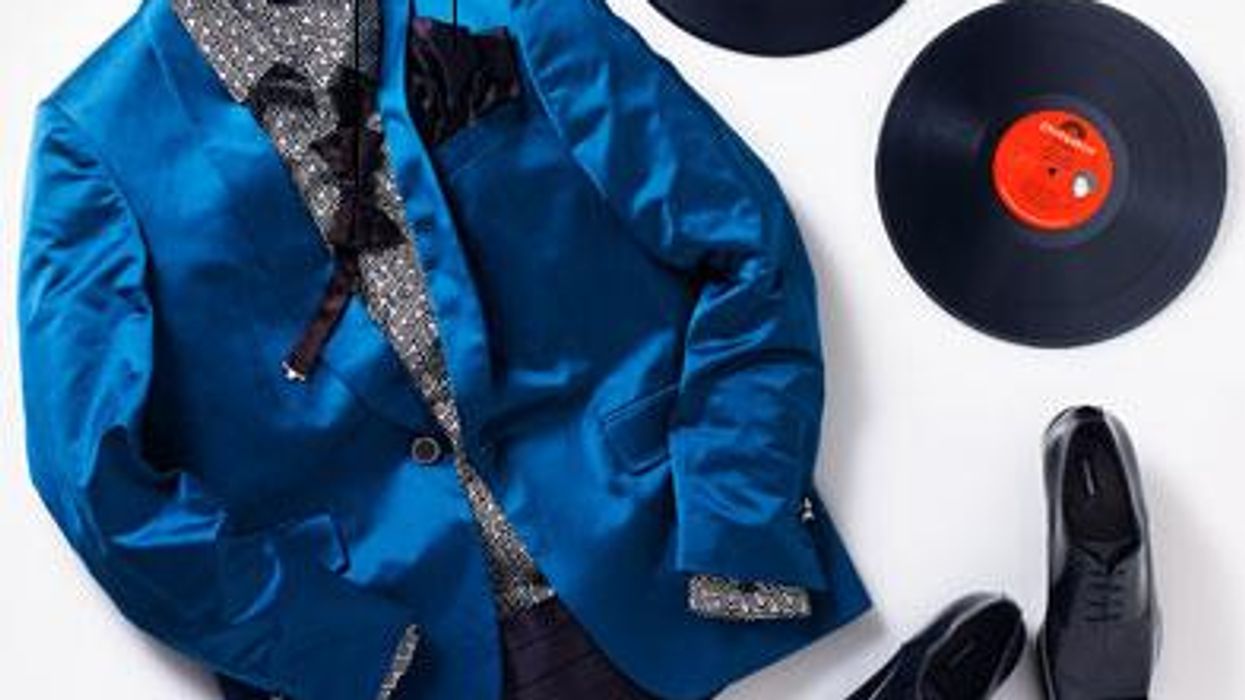
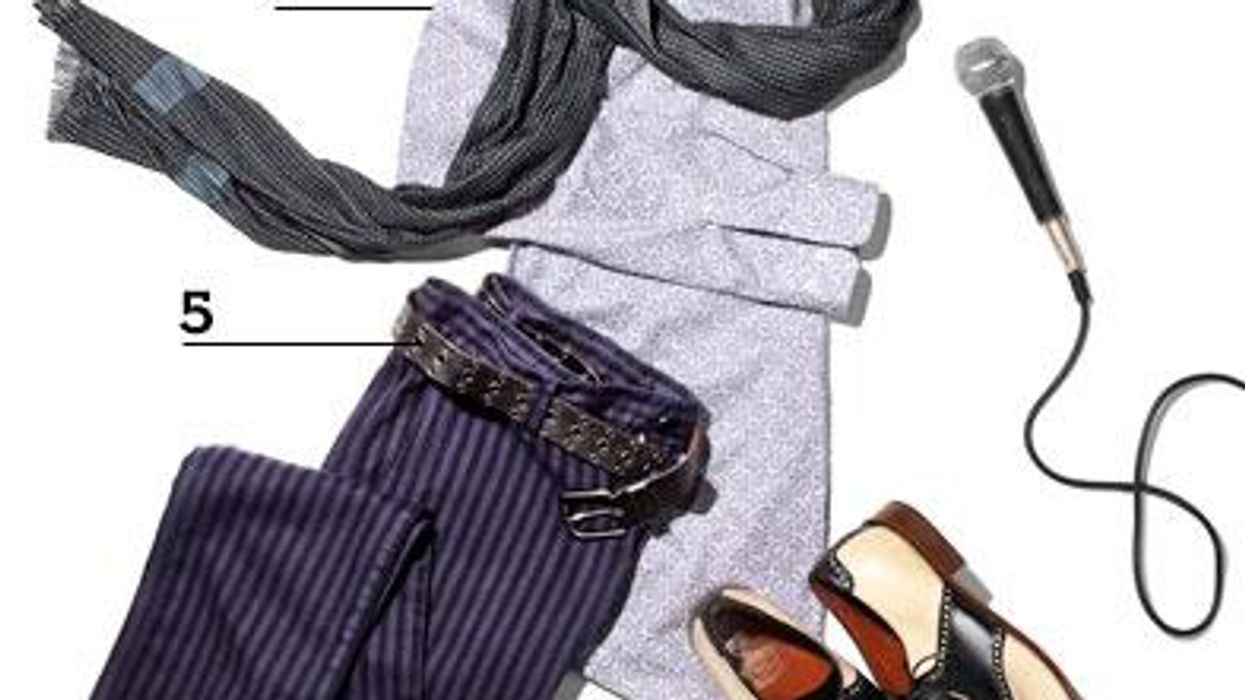
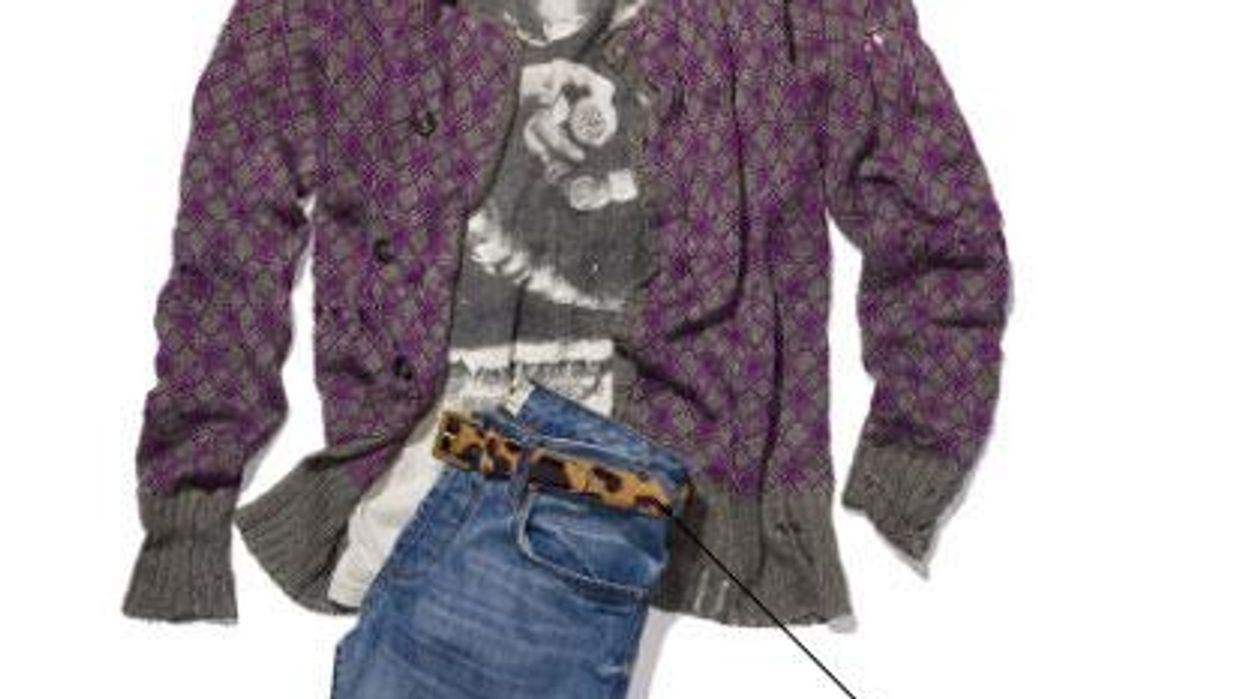
The thing about Mick Jagger as a fashion icon is that he's been around forever. And he's been skinny forever, too, meaning he could always wear pretty much whatever he wanted and still look good. But it's '70s Jagger we love best, when the Rolling Stones front man was in his late 20s and early 30s'confident, cocky, still raw, at the height of his sex appeal (he married Bianca in 1971 and a year later released the band's best album, Exile on Main St.). His look then was louche, relaxed, and feminine without being high camp. In short, he was hot. Photography by Jonathon Kambouris Keep Reading →
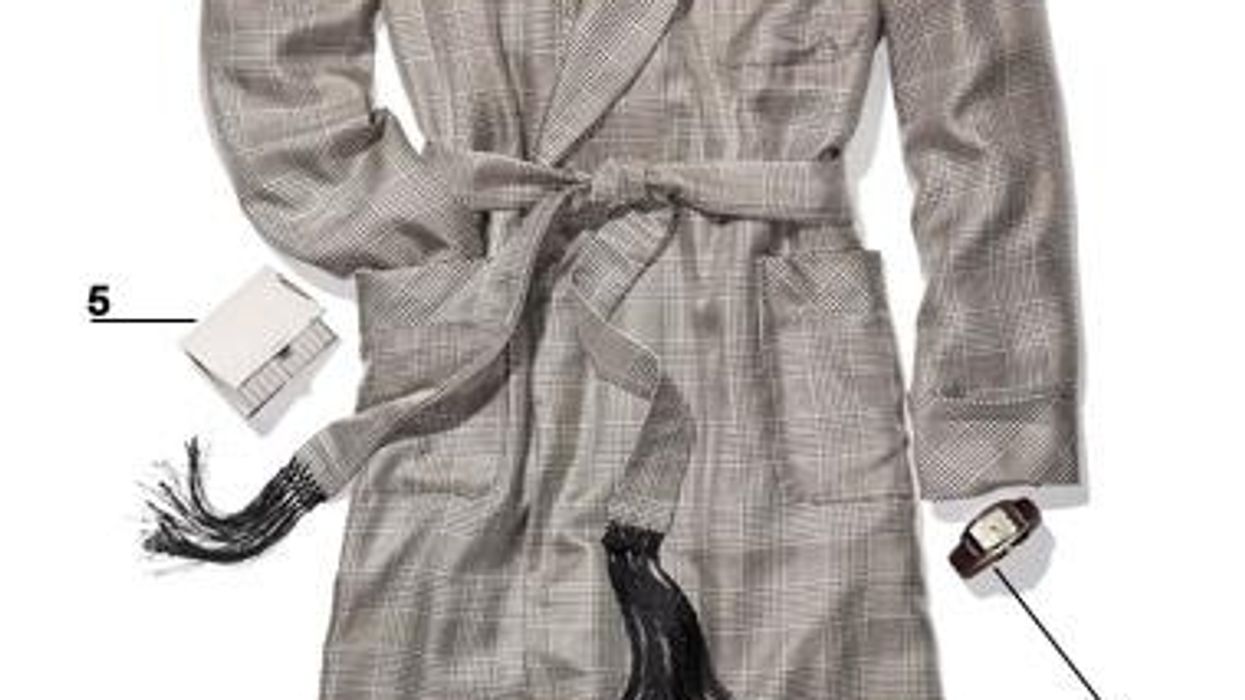
Polymath English playwright No'l Coward's greatest production might have been himself. Born to a middle-class family in a London suburb in 1899, Coward was soon carried to the English demimonde by his innate genius with words''' -- he wrote more than 50 plays, musicals, novels, and revues -- and his flamboyant style. 'I'll go through life either first class or third,' he once said, 'but never in second.' By the time he died in Jamaica in 1973, Sir Coward had ensured it would be first all the way. Keep Reading →