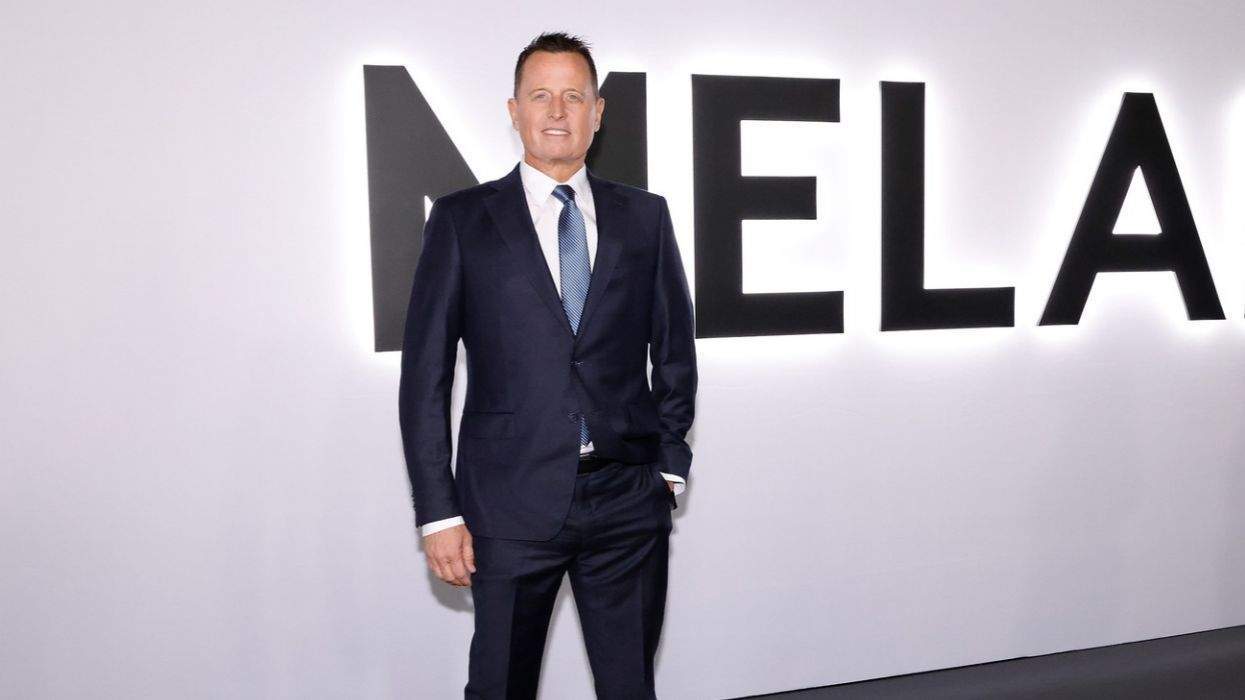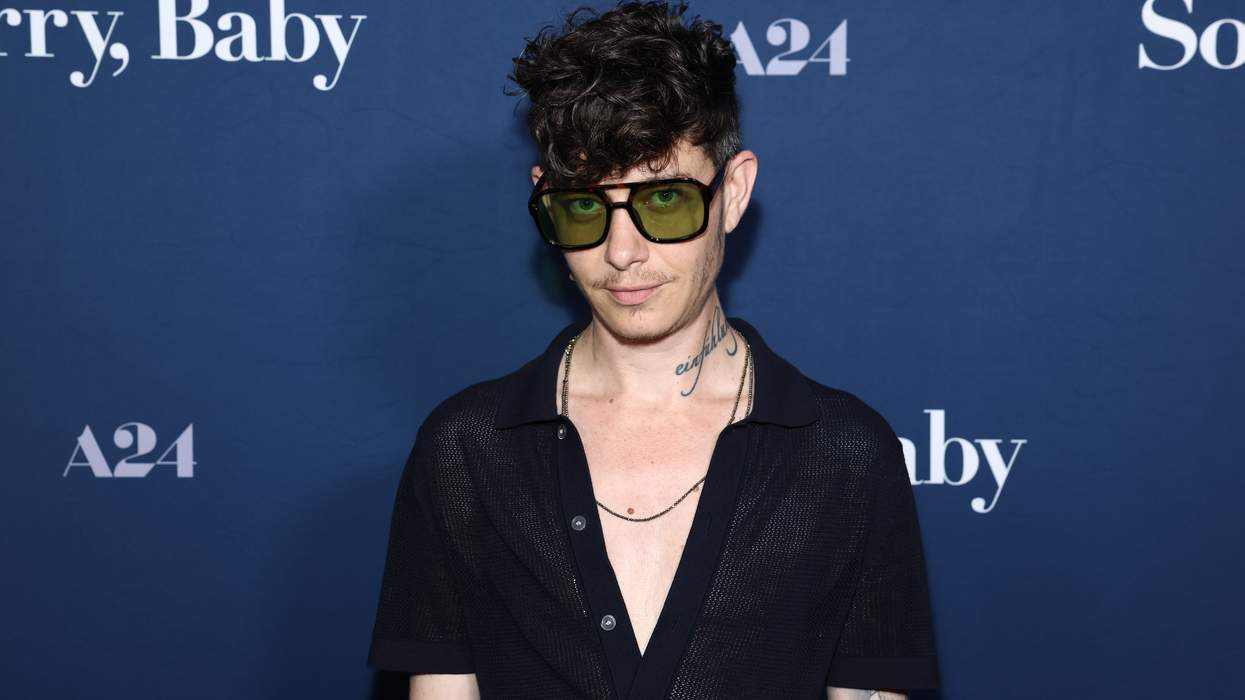


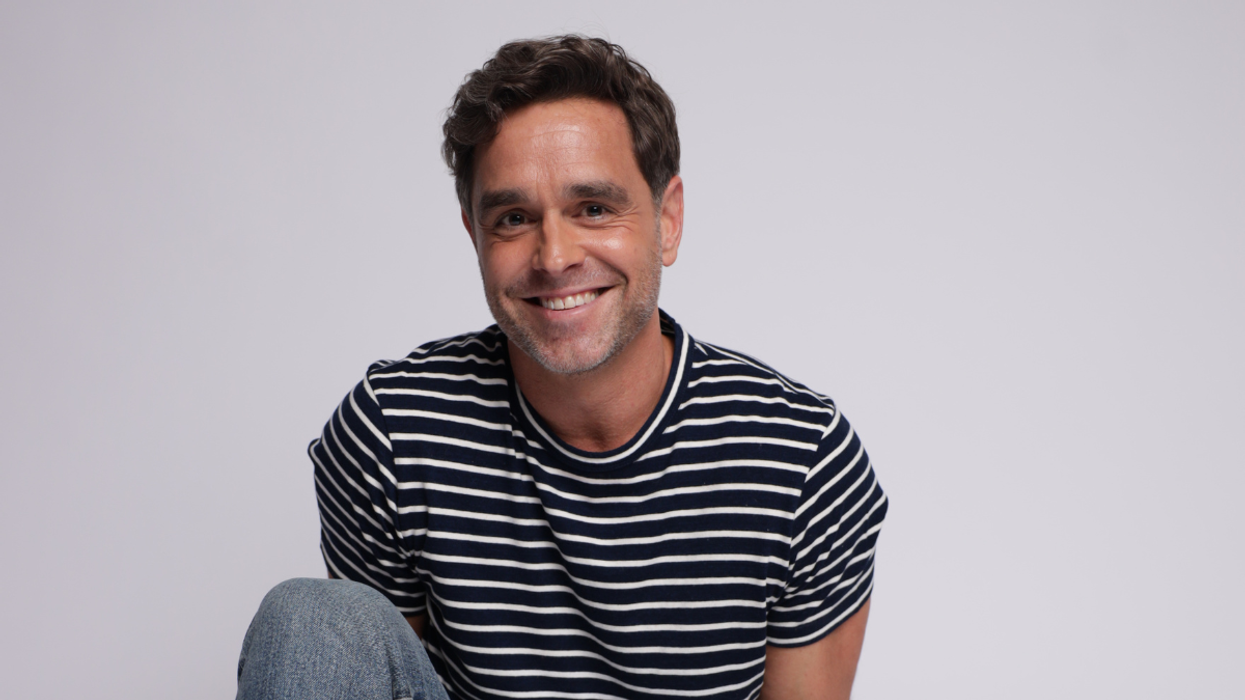

When Karl Schmid stood beneath the lights at the Nexus Club in Tribeca during New York Fashion Week, he wasn’t just attending another runway show — he was watching a vision come to life. The HIV Unwrapped showcase transformed molecular science into couture, merging research and lived experience into wearable art. Behind every design was a mission Schmid has carried for years: to change how the world sees HIV.
 Schmid introduces HIV Unwrapped during New York Fashion Week, blending education, creativity, and advocacy. (Photo credit: Sam Guttell for Plus Life Media)
“We created +Life six years ago after I disclosed my status publicly,” Schmid says. “At the time, I was working quite extensively on ABC — on the red carpet and as a journalist — and I came out about my HIV status after living with HIV for about ten years and being told, ‘Don’t talk about it — you don’t want to become known as the guy with AIDS on television.’”
That moment of honesty changed everything. “One day I posted something on my socials,” he recalls. “It went viral. I started hearing from people all over the world saying, ‘Thank you — I hope one day I can be brave enough to talk about my HIV status.’ It got my business partners and me thinking — why is this still news? Why, in this day and age, is that kind of story still treated like a shock?”
The Birth of +Life
That realization became +Life, a digital platform built to normalize conversations about living with HIV and health in general. “It’s an approachable way that humanizes it and aims to destigmatize it,” Schmid says. “We wanted to move away from fear and pity. Visibility isn’t about being brave — it’s about being real.”
What began as candid interviews and social storytelling has evolved into a full-scale media platform — including +Talk, one of the only ongoing shows dedicated entirely to living with HIV. “Science and medicine have evolved,” Schmid explains, “but the language people use around HIV hasn’t caught up. The shame lingers. I wanted +Life to fill that gap — to educate through empathy and humor.”
That accessibility is intentional. “You’ll hear a voice that sounds like yours,” Schmid says. “You’ll see someone who looks like you, who prays like you. That’s what makes people lean in.”
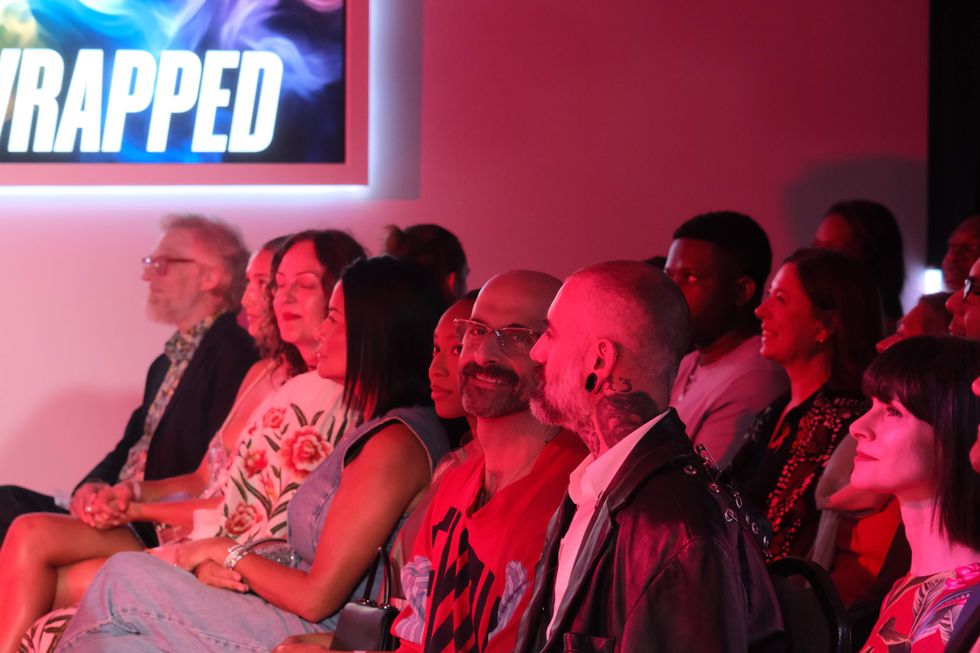 Guests watch the HIV Unwrapped runway presentation during New York Fashion Week.(Photo credit: Sam Guttell for Plus Life Media)
Unwrapping HIV Through Fashion
That same inclusive spirit inspired HIV Unwrapped. “What if we took fashion design students and paired them with the best HIV scientists in the world?” Schmid remembers asking. The concept was part education, part creative experiment — a way to turn science into something people could see, feel, and celebrate.
“The fashion comes first, and then the science,” he says. “That’s how we bring people in — through beauty, through creativity.”
The New York edition, mentored by Tanner Fletcher, brought together nine Parsons School of Design students and HIV researchers from around the world. “Every single scientist I wanted said yes,” Schmid says. “Parsons said yes. They helped us find incredible young designers who were eager to learn.”
Each team began with a simple conversation. “The starting point was a lab coat or a piece of lab wear — something gender non-forming, a blank canvas,” Schmid explains. From there, students built symbolism into every seam, turning research into storytelling.
 Actor and activist Javier Muñoz walked the runway with commanding presence. (Photo credit: Sam Guttell for Plus Life Media)
Science Meets Style
The results were powerful. Beaded details mirrored viral sequencing, layered fabrics hinted at cellular structure, and silhouettes explored both vulnerability and strength.
“The collaboration was incredible,” Schmid says. “You had scientists explaining molecular behavior and students translating that into texture and movement. It proved that art and science can speak the same language.”
Some of the pairings carried unexpected emotional weight. “One designer came from a Chinese village affected by a historic HIV outbreak,” he recalls. “They were paired with Dr. Chris Beyrer, who helped break that story. It was complete serendipity.”
The project’s impact rippled far beyond design. “Two of our international participants said this gave them the courage to come out as HIV-positive,” Schmid says. “That’s when you know it’s bigger than a fashion show.”
Redefining Visibility
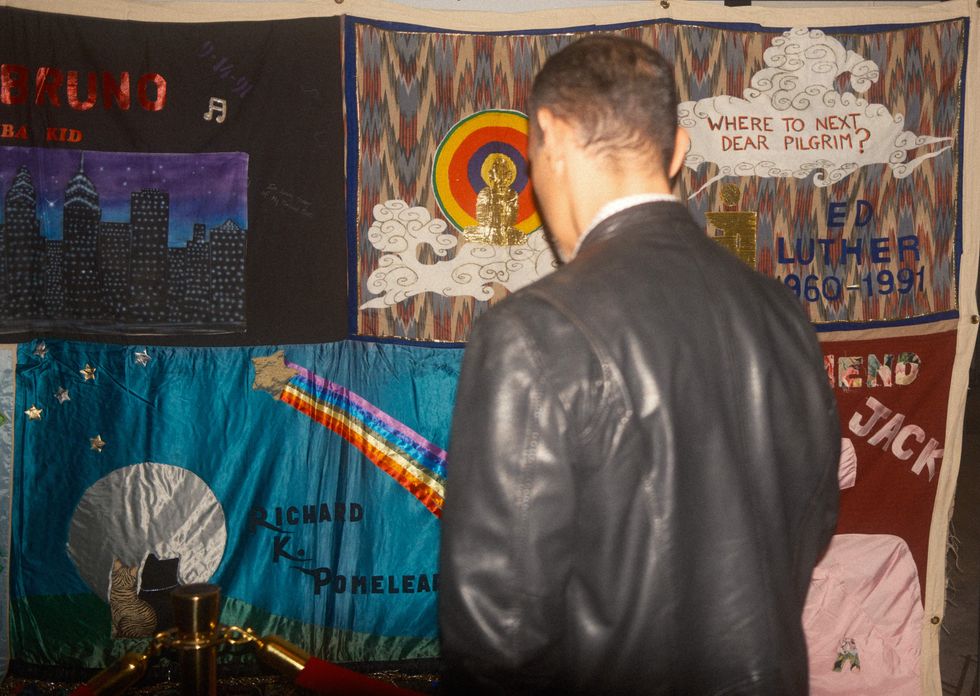 Panels from the AIDS Memorial Quilt were displayed during the event, linking modern fashion to decades of remembrance and activism. (Photo credit: Sam Guttell for Plus Life Media)
The AIDS Memorial Quilt was also featured during the show, connecting the evening’s creativity to decades of remembrance and activism. Its presence grounded the fashion in history and emotion — a reminder that today’s visibility stands on the legacy of those who came before.
For Schmid, the night’s meaning went far beyond the runway. “That quilt represents so many lives lost, but the runway represented the life still being lived,” he says. “It was a conversation across generations.”
Seven of the nine models who walked were living with HIV, though audiences wouldn’t know who was and who wasn’t. “That’s the point,” he says. “HIV doesn’t have a look. It’s in every community, and people living with it are thriving.”
The room was electric. “Watching faces — everyone was completely invested,” Schmid says. “No one was on their phone. An hour later, people were still talking about it.”
“To see HIV celebrated in one of the most visible, glamorous spaces in the world meant everything,” he adds. “There was a time when fashion and HIV were linked only through loss. This time, it was through life.”
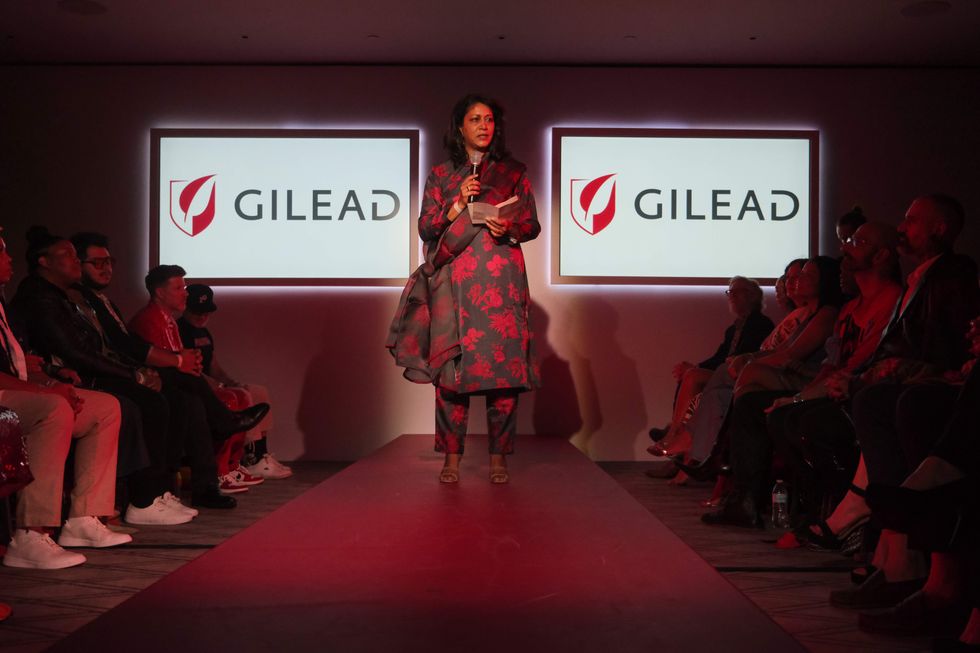 The HIV Unwrapped runway merged science, style, and storytelling in a bold showcase of inclusion.(Photo credit: Sam Guttell for Plus Life Media)
Reframing the Conversation
As science continues to progress, Schmid wants culture to keep pace. “Many students thought HIV was a thing of the past,” he says. “We even had a gay student who didn’t know about PrEP. That’s why education like this still matters.”
He’s frank about why stigma persists. “In a puritanical country, we don’t like to talk about sex and drugs,” he says. “That’s why HIV is still so stigmatized. But the more you talk about it, the less frightening it becomes. Say HIV like we say cancer or diabetes — we comfort cancer, but we recoil at HIV. That has to change.”
Even some of the scientists walked away transformed. “One told me they’d never met someone living with HIV before this project,” Schmid says. “That’s how you break stigma — by connecting real people to the research.”
Hope and Urgency
The show’s optimism resonated at a time when policy conversations have turned tense. “With potential cuts of two billion dollars to HIV funding, it was nice to be at an event that was hopeful,” Schmid says. “We are on the verge of an epidemic again if we strip away access to treatment and prevention. We have all the tools to end it — but we’re pausing trials and research. We can end HIV and AIDS by 2030, but we’re on the precipice of doing something stupid.”
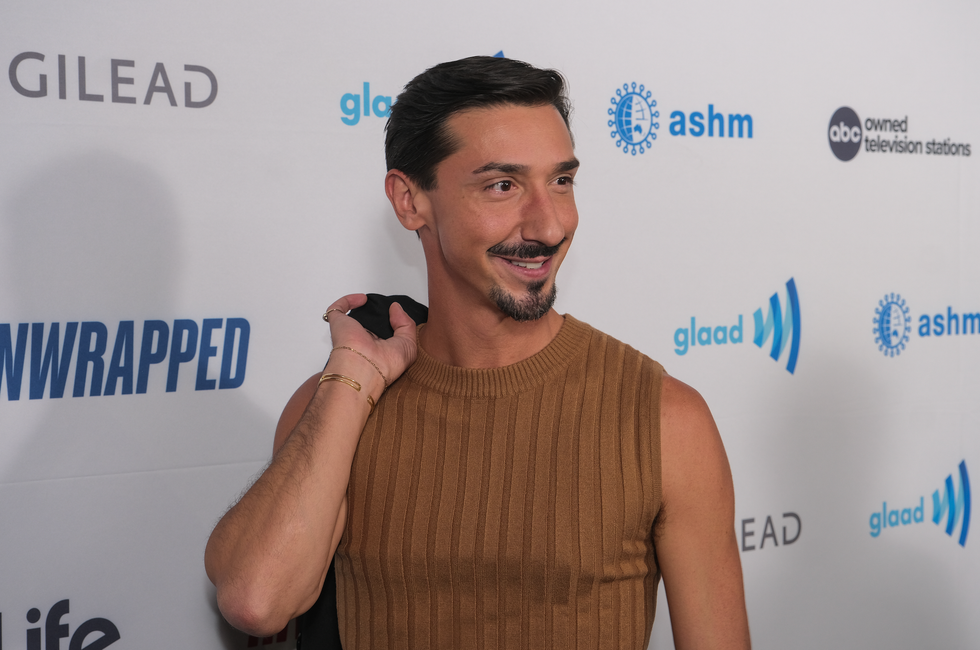 On the HIV Unwrapped red carpet, guests celebrated visibility, community, and pride.(Photo credit: Sam Guttell for Plus Life Media)
Where to Watch
Now, the project comes to the screen. HIV Unwrapped premieres Sunday, November 30 on Hulu, followed by a broadcast on Monday, December 1 at 8 p.m. on the ABC Owned Television Stations’ Localish Network.
“The special will educate, inform, and entertain,” Schmid says. “It highlights U=U, PrEP, GMHC, the Quilt, and GLAAD — all the people and ideas that keep us moving forward.”
He adds with a smile, “It’s not a lecture — it’s an invitation to see HIV differently, to see the humanity and hope behind the headlines.”
Looking Ahead
As +Life and HIV Unwrapped expand globally, Schmid stays grounded in what started it all — connection. “Every time someone reaches out to say, ‘You made me feel less alone,’ that’s what keeps me going,” he says. “The future of +Life is collaboration, because the more we talk, the more we heal.”
His call to action is simple: “Follow @PlusLifeMedia, watch +Talk, share the message. The conversation only grows when everyone joins in.”
Asked what gives him hope today, Schmid doesn’t hesitate. “It’s the way younger people talk about HIV — without fear, with curiosity and compassion,” he says. “That’s when you know progress is real.”
He pauses. “It’s not about me,” he adds quietly. “It’s about every person who’s ever felt they had to hide. We’re done hiding.”
Schmid’s work — from +Life’s storytelling to the runway’s spectacle — reminds us that visibility still saves lives. And sometimes, all it takes to change the world is the courage to be seen.
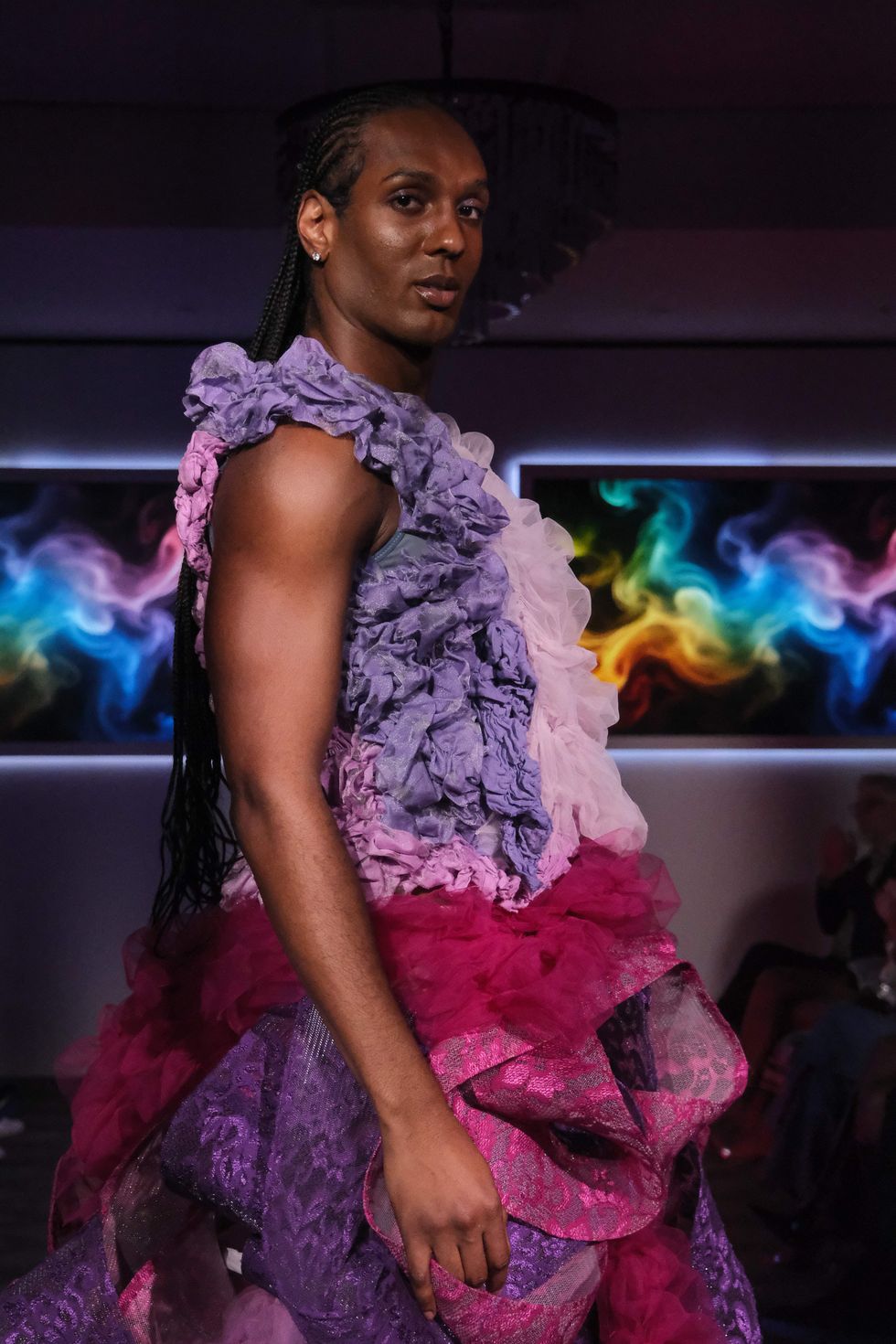 A model walks the HIV Unwrapped runway wearing designs inspired by science, resilience, and self-expression.(Photo credit: Sam Guttell for Plus Life Media)