

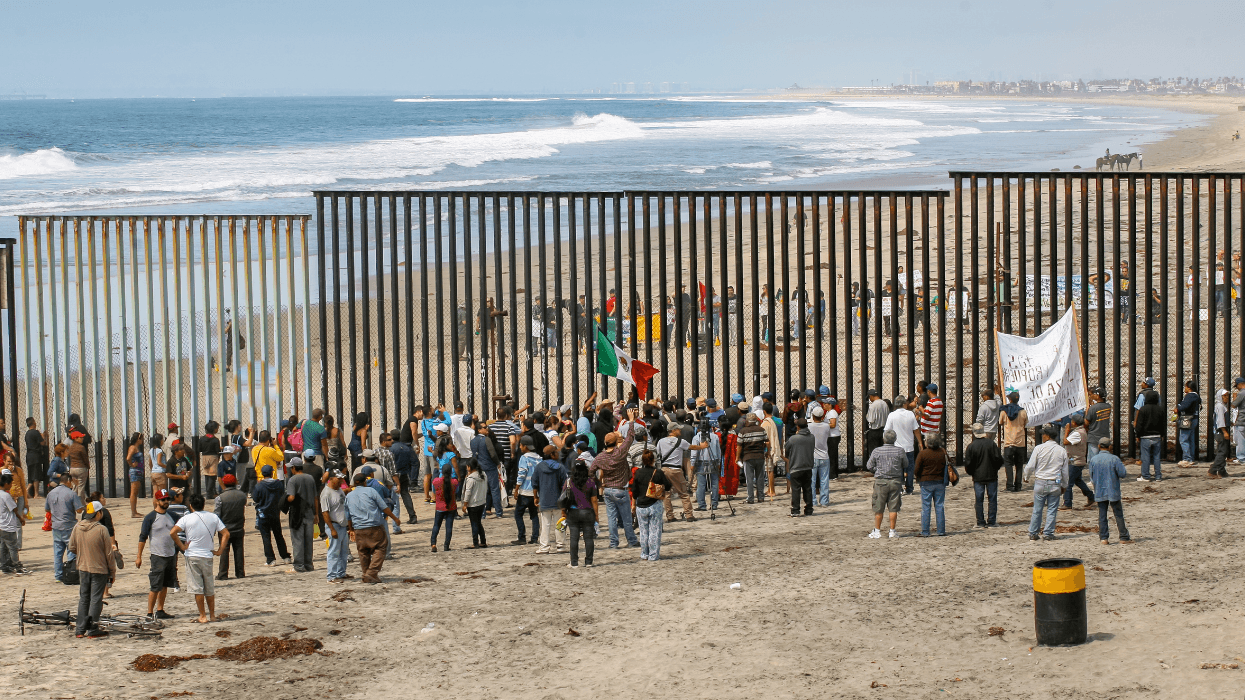
California has long been a gateway between nations, cultures, and dreams. It is home to millions of immigrants seeking a better life for themselves and their families — many who were told that if they work hard and put their trust in the U.S. immigration system, the promise of the “American Dream” would be possible. For many immigrants, this pledge of allegiance was supposed to provide liberty and justice for all. Today, that promise is rapidly eroding.
As former DHS Secretary Kristi Noem exits her role, the immigrant communities she targeted are left to face the consequences. Across the country, immigration enforcement has intensified in the streets and in previously safe places like schools, churches, and courthouses. Our political environment has revealed that the divisive narrative of immigrants who follow a path to earned citizenship versus those who come to this country to commit crimes is a false dichotomy. Under the Trump administration, all immigrants now live under constant threat of being targeted, detained, and torn from their families.
Recent reporting by CalMatters and KPBS shows arrests in our California border region surged by 1,500 percent in 2025. Many of those arrested had no criminal record. People are frightened to show up to work, school, and even court to follow the process to gain citizenship, afraid that if they show up to immigration hearings, interviews, or check-ins, they will never walk back out.
Immigration enforcement practices that critics say rely on racial profiling disproportionately impact communities of color across California. In the San Diego-Tijuana corridor, a complex landscape of migrants and people living binational lives includes LGBTQ+ migrants seeking safety, mixed-status families, and people who cross the border daily for work, school, or health care, who are all easy targets.
The stakes are uniquely high for LGBTQ+ immigrants: Across the globe, same-sex conduct between consenting adults remains criminalized in about 69 countries, with up to 11 countries imposing the death penalty. For LGBTQ+ people, immigration is not just a matter of policy but a means to survival; forced deportation to a country they once fled, or have never been to, can mean losing physical safety, medical care, or life itself.
At the San Diego LGBT Community Center, we meet people at the precise intersection of identity and immigration status: a trans woman facing harassment in a shelter line; a gay asylum seeker trying to navigate appointments without a car; a mixed-status family afraid to ask for food assistance because they worry about immigration consequences. These are not hypotheticals. They are members of our community.
When immigration enforcement policy treats people as targets instead of human beings, nobody feels safe.
In Minneapolis, Renee Good and Alex Pretti, two white U.S. citizens who showed up to document, protest, and help others, were killed during the aggressive operations of immigration enforcement officers. Their deaths should spur us into action; if it can happen there, it can happen here. National officials have touted adding thousands of immigration enforcement agents, signaling more community arrests, especially in sanctuary cities. During a December 2025 visit to San Diego, White House “border czar” Tom Homan said, “As we bring 10,000 more agents on…you haven’t seen anything yet.”
In this moment, we need our allies. This is a cross‑movement crisis, and everyone who believes in freedom is called to action. Immigrants cannot safely be on the front lines without jeopardizing their freedom, cases, or families. That means we need allies with citizenship who carry less risk to step into visible roles:
- Step in and step up — be the people at the mic, at the courthouse, and in the meetings where policy is decided. Use your relative safety and privilege to create safety for others.
- Document with care. If you film, also de‑escalate.
- Organize with love. Rage may fuel urgency, but love sustains courage. Show up in the halls of power. Share verified Know Your Rights resources and connect people to counsel.
The American Dream narrows for all of us when any of us are targeted for simply existing as immigrants, as queer people, as trans people. When we let fear police access to food, to courts, and to clinics, we don’t just break promises to immigrants; we break the infrastructure of belonging that keeps communities safe.
What California can do now:
- Standardize data collection that includes sexual orientation and gender identity where safe and appropriate, so resources match real needs. In the U.S., LGBTQ+ asylum claims received positive determinations at rates over 98 percent, underscoring both the urgency and legitimacy of these cases. At the same time, there is limited systematic data collection on LGBTQI+ refugees and asylum seekers globally, making services harder to plan and fund, even as discrimination and stigma fuel more displacement.
- Fund culturally competent legal aid and case management for LGBTQ+ asylum seekers and undocumented residents, pairing immigration lawyers with affirming health and social services.
- Ensure access to health care and placements in shelters and detention alternatives, preventing abuse and aligning with medical and human rights standards.
- Protect access to basic needs like food, housing, and mental health care, because survival should never depend on your immigration status.
You don’t have to live on a border to be part of the solution. If you live in Portland, New York, Chicago, Minneapolis, the next raid, the next courthouse arrest, the next chilling video will ask the same question: Will we protect each other? The answer cannot depend on who looks “documented,” which pronouns we use, or whether our love passes a stranger’s moral test.
A true gateway doesn’t close its doors, it opens pathways to safety, dignity, and belonging. California must keep the American Dream from fading and continue to be the beacon of hope to many immigrants who make this state one of the strongest economies in the world. As the world around us continues to fail immigrants, it’s time California leads the way. This is the moment to choose outcomes over slogans, people over borders, and to stand together, in love and solidarity.
Gloria Cruz Cardenas (she/they) is the chief impact officer at The San Diego LGBT Community Center. Learn more about their work at thecentersd.org.
Opinion is dedicated to featuring a wide range of inspiring personal stories and impactful opinions from the LGBTQ+ community and its allies. Visit out.com/submit to learn more about submission guidelines. We welcome your thoughts and feedback on any of our stories. Email us at voices@equalpride.com. Views expressed in Voices stories are those of the guest writers, columnists, and editors, and do not directly represent the views of Out or our parent company, equalpride.