




What is a fetish? This article breaks down the ins and outs of what defines a fetish, as well as some of the most common ones enjoyed by queer folks.
Many years ago, when I was still new to all this, a dominant playmate told me to remember something whenever I felt ashamed of what I like: “You can’t control what makes your dick hard.”
Not a profound statement, but a true one: There was no sense in punishing myself, mentally and emotionally, for something that came as naturally to me as love, crushes, my appreciation for art and certain music, and, indeed, my feelings for him. By then, I had learned to feel love for all these other aspects of myself, but the things I felt when I wore women’s panties as a cisgender man, or when I buried my face in his used underwear, or when he degraded me and called me names — these still made me feel like something might be wrong with me.
Nothing was. Shame was the enemy, not sex.
If you're here, chances are good that you’re at least fetish-curious. Beginners may be wondering: Is all this safe? Is it normal? Is it healthy? What does it say about me? What is a fetish? And what does it have to do with being gay or queer?
Below, these FAQs are tackled. Though these are probably not all the questions a newcomer has, they're a good start.
First of all, who are you, and why are you writing about fetishes?

Sex writer Alexander Cheves
courtesy Alexander Cheves
I’m Alexander Cheves, a sex writer, memoirist, essayist, and advice columnist for Out. I wrote an explicitly erotic memoir called My Love is a Beast: Confessions, detailing my years as a gay escort, which won the 2022 Geoff Mains Nonfiction Prize from the National Leather Association. Eagle-eyed (or longtime) readers of my work might correctly spot that this is not the first version of this article.
Back in 2016, I wrote an earlier version for The Advocate, Out's sister publication. You’re free to read it. In 2016, I was quite young, already an experienced kinkster (kinky person), but not as experienced as I am now. At the time, I was discreet about the fact that I was also working as a fetish escort — I did not come out about that in my writing until some years later.
This time, I’m pulling in data from experts and professionals to back up my own experience and knowledge in an effort to provide better facts, more sources, and links to more information if you want it. Out and I felt an update was due.
And the time is right. In the years since that first article, kink and fetish play have exploded in the public eye. Remember some years back when male celebrities started wearing designer harnesses at red carpet events? It was hailed as a kink visibility moment. (I wrote about that in Out, too.) We've since had films like Pillion and shows like Sex Education and Bonding, which have explored the world of fetish with frankness and humor, even tenderness.
Cool. So what is a fetish?
Pexels
Glad you asked! Fetishes are non-sexual objects, materials, situations, clothing, or archetypes that turn people on in certain contexts. For some people, these objects or situations (big feet, rubber clothing, women pumping gas pedals in high-heeled shoes) are turn-ons so essential to sex that they can’t get it on without their presence. For others, fetishes are totally optional, but fun.
You already know I like feminine lingerie, worn on myself or any masculine body. Specifically, I like the inversion, the misalignment between body and clothing. This means I'm one of millions of people worldwide with a clothing fetish, and researchers at the University of Bologna found underwear, as a broad category, to be one of the most common fetishes in the world.
How is a fetish different from a kink?

Nop Viwat/Pexels
Though the terms are often interchanged colloquially, they are actually quite different. In popular media representation, they tend to get lumped together, but technically speaking, a kink is simply an unconventional sexual interest. By “unconventional,” I mean things like bondage, BDSM, paddling, role play, and more.
The term "kink" is a little head-scratching, if you think about it. It assumes there's a "normal" kind of sex (in most cultures, it’s the heterosexual, P-in-V type that is focused on reproduction) and anything beyond that is a "kink." By that definition, all queer sex would be considered kinky sex.
Some homophobic people surely do see our sex lives that way, but I don’t. I personally do not believe being gay or queer is inherently a kink or fetish, nor do I think it's necessary to include kink or fetishes in the LGBTQ+ acronym, since, indeed, many hetero folks are kinky and have fetishes, too. But some disagree with me on that.
Available data shows that lots of people are kinky. In a 2018 survey of more than 4,000 Americans conducted by Dr. Justin Lehmiller, a researcher at the Kinsey Institute and author of the seminal sex book Tell Me What You Want, 65 percent of his research subjects reported having fantasies about BDSM. A separate Belgian study, "Fifty Shades of Belgian Gray," published in the Journal of Sexual Medicine, found 70 percent of their sample had BDSM-related fantasies.
Fetishes are not, strictly speaking, kinks. They are more specific. The American Psychiatric Association defines a fetish (also called a paraphilia) as a persistent sexual interest in an object, material, body part, archetype, or scenario, especially one that is not inherently sexual on its own. Here's what that means: A shoe fetish does not live in the shoe. Without a shoe fetishist, a shoe is just a shoe. A fetish is something you bring to an object, situation, or scenario that turns it erotic because of how it turns you on.
Does that mean shoes are desexualized when no one around them has a fetish for them? Does it mean bare feet are non-erotic until someone comes along who is turned on by them? Yes. But fetishes like these are so common that it’s no longer odd to think of shoes and feet as sexy. According to Dr. Lehmiller's data, 14 percent of Americans have a foot-related sexual fantasy.
It can even be hard to say what came first: High-heeled shoes tend to be sold and marketed seductively, which feeds fetishes for them, which fuels the marketing for them, and creates a perfect feedback loop of desire and consumerism.
The celebrity foot fetish community is huge: WikiFeet, a photo site dedicated to celebrity feet pics, draws more than 3 million visitors monthly. But technically, a fetish is just the attraction to, desire for, or arousal by something not intended for sex.
This is key. Many items linked to kinks (whips, paddles, toys) are not fetish items since they were made for sex. Used underwear and leather boots are not inherently sex objects, but for people who have fetishes for them, they are.
Is having a fetish a mental illness or disorder?
Emin Ozkan/Shutterstock
No. The DSM-5, the American Psychiatric Association's standard diagnostic reference for mental health conditions, distinguishes between a fetish, also called a paraphilia, and a paraphilic disorder. The latter only exists when that interest causes distress or harm to oneself or others.
If anything, fetishes are commonplace. According to the National Institutes of Health, nearly half of the general population will express interest in at least one fetish, and in one study, roughly a third reported they had already acted on one. Researchers at the University of Bologna, publishing in the International Journal of Impotence Research, analyzed 381 online discussion groups with at least 5,000 participants, and found fetishes for body parts and body-related objects were the most common category.
Gay and bisexual men do report more fetishes than other surveyed groups. Whether that reflects higher actual prevalence or greater comfort with disclosing this information, no one can say.
Why is leather so important in gay and queer sex culture?
Ruth Malvoisin/Pexels
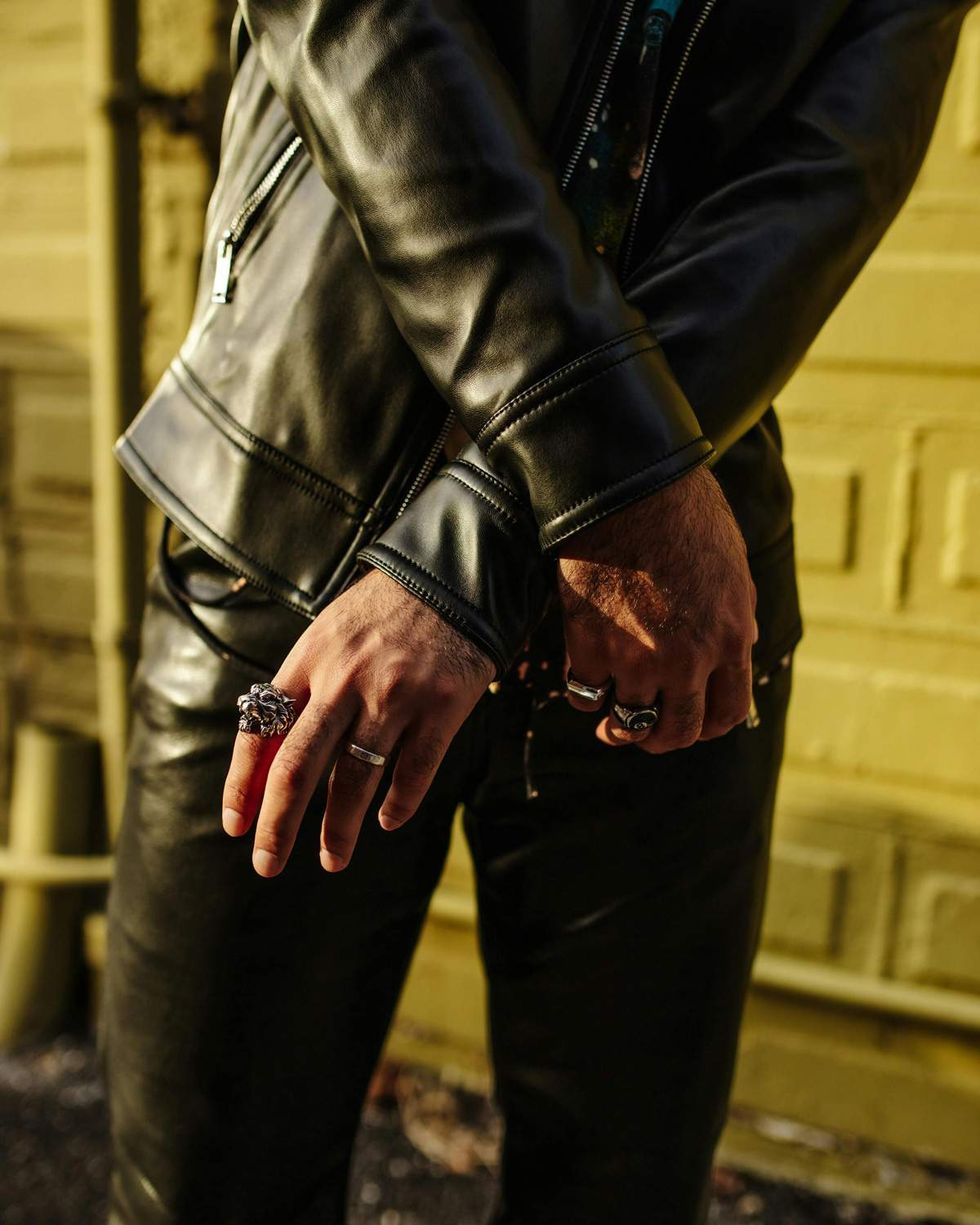
Many people have a fetish for leather and leather clothing. They like the constricting feeling of it, the sound it makes, the smell, the texture, and more. Many find wearing it an especially intense turn-on. But leather culture, and the place it has in gay and queer communities, is a bit bigger than just the fetish alone.
The gay leather scene emerged after World War II, when American military servicemen struggled to reintegrate into civilian life. As sociologist Meredith Worthen, author of Sexual Deviance and Society, and cultural historian Peter Hennen, author of Faeries, Bears and Leathermen, have documented, many of these men found their first same-sex experiences during military service.
After the war, they found motorcycle clubs, where leather was standard wear. Leather became positioned as a sign of newfound masculinity. For gay and queer men coming of age (and coming out) who were tired of being seen as effeminate, this scene felt like reclaimed power.
As gay writer and cultural critic Louis Staples detailed in a history of the scene for AnotherMan magazine, the leather and motorcycle subcultures of the time gave gay men a new visual vocabulary for who they could be.
What followed was a new gay identity. By the 1950s and '60s, cruisy leather bars had opened across major American cities. Larry Townsend's The Leatherman's Handbook, originally published in 1972 (and thankfully updated and republished by Safeword Press), was the first to spell out in print the codes of conduct of the underground leather and S&M scene. Famed leather scholar Jack Fritscher described it as "a declaration of independence for homomasculinity." Drummer magazine, founded in 1975, became the scene's standard bearer; Townsend himself wrote its "Leather Notebook" advice column for years.
Erotic artist Tom of Finland's drawings of biker boys in form-fitting leather, with famously monstrous bulges, gave this erotic new world a global visual erotic style to aspire to. In the AIDS crisis of the early 1980s, the leather community was among the first to mobilize in community care and support, and the decades of AIDS activists since owe a great debt to them for teaching the rest of us how to form networks of community and life-saving communication, on top of what was, ostensibly, a fetish scene.
Today, leather is many things. It's a culture, history, and still a fetish, all at once. Many guys who wear leather in a leather bar have a fetish for it, but it’s unlikely that all leather wearers in such a space do. By now, many wear "gear" to show they're kinky or just to be part of the culture.
In other words, leather has, over time, become shorthand for all fetish practices and, indeed, for the general kink scene, especially for queer men.
Okay, what’s up with rubber?

goldeneden/Shutterstock
The rubber fetish has its own story. In 1972, a British magazine called AtomAge began publishing BDSM imagery centered on rubber and PVC clothing, giving rubber fetishism, for the first time, a visual language and community.
The American magazine Rubber Rebel, which ran between 1993 and 1996, defined latex culture for gay men even more and inspired the legendary book Skin Tight by Tim Brough.
Leather culture is, in some ways, a more American ethos. Rubber culture developed in parallel, but its most vibrant nodes are European. Berlin, London, and Amsterdam host some of the world's largest rubber events and arguably have the biggest rubber communities, in part because high-quality rubber clothing is more accessible in Europe. Importing high-end rubber and latex to the United States has historically involved costs and logistical friction, though it's worth noting that Mr. International Rubber, arguably the world's largest rubber competition, is held every year in Chicago.
I wrote in an article for Document that leather is "flogging and boot worship, bondage and cigars, while rubber is for fisting and gimps, drones and toilet pigs," a rough but not unfair characterization of the scenes.
What draws people to rubber seems to be rooted in the sensory. Latex acts like a second skin. It accentuates the body while providing tight pressure that heightens tactile sensitivity. The visual element, rubber's glossy surface, and the distinctive, squishy sound of it turn people on.
As Rubberium, a community resource for rubber folks, notes, rubber fetishists describe their arousal differently. Some like total enclosure and sensory deprivation, while others like the drone-like identity banishment that a full suit and hood provide. The 2017 Belgian study, "Fifty Shades of Belgian Gray," found that rubber was a fetish for roughly 12 percent of adults sampled, making it one of the most common material fetishes documented.
Leather as a material is more versatile. Depending on the cut and styling, one can become anything from a cowboy to a biker boy. Rubber is harder to separate from its fetish roots. It looks more sexual and passes less easily as casual day wear. Even so, it has certainly made its way into fashion. As far back as the 1970s, Vivienne Westwood was one of the first to send models down the runway in rubber chokers and harnesses, looks taken from underground fetish culture. The ongoing conversation between fetish styles and high fashion hasn’t stopped since.
What is bondage?

Elnur/Shutterstock
Bondage is a kink, not a fetish, but rope, duct tape, and other items not intrinsically sexual can be fetishes.
For many, rope itself is fetishized. The texture, the aesthetics of the knot work, the intimacy of natural fiber against skin: All these make rope an erotic object on its own.
Bondage kinks are common. Dossie Easton and Janet Hardy (a licensed therapist and queer sex educator, respectively) are authors of The New Topping Book and The New Bottoming Book, which have taught hundreds of thousands of people the emotional and ethical skills of BDSM (and Janet is a friend). These authors have written about bondage as one of the most broadly appealing entry points to the kink and fetish scenes.
Duct tape operates in the same family as rope, but with a darker psychological register. Where rope calls to mind shibari and the art of Japanese bondage, duct tape evokes abduction and capture. The materials attract related but distinct subcommunities, which is part of what makes bondage such a big, diverse category.
Bondage's mainstream moment arrived with the book Fifty Shades of Grey, which sold over 125 million copies, spawned a film franchise, and made the image of silk ties and bedposts familiar to a wider audience than the kink community ever reached on its own (to the chagrin and irritation of many in it). Whatever one thinks of the book's problematic portrayal of a BDSM relationship, it has permanently expanded the conversation.
More recently, shibari has found its way into galleries, fashion editorials, and publications like Vogue, stripped of its explicitly sexual context but nevertheless indebted to it.
Why do worn and unwashed clothes turn some people on?

Alex Simplifier/Pexels
The used underwear thing (and its cousins, fetishes for worn socks and other used clothing) is, according to experts, at its core an olfactory fetish: it's all about smell.
The scent of another person's body, absorbed into fabric over time, is the key. A 2025 study from the University of Victoria, published in Hormones and Behavior, found that men with higher testosterone produced sweat that raters perceived as coming from more dominant individuals. Testosterone influences the apocrine sweat glands concentrated in the armpits and groin, generating the musky smell many people associate with arousal, so there may be some science behind why some are attracted to stinky man smell. It's a short leap to eroticizing a used jockstrap.
OnlyFans now hosts thousands of creators selling their worn underwear. It's a fully above-ground economy, complete with care instructions, shipping guarantees, and customer reviews.
I see guys online showing off their armpits and sniffing other guys’ armpits. What is this?
rdne/Pexels
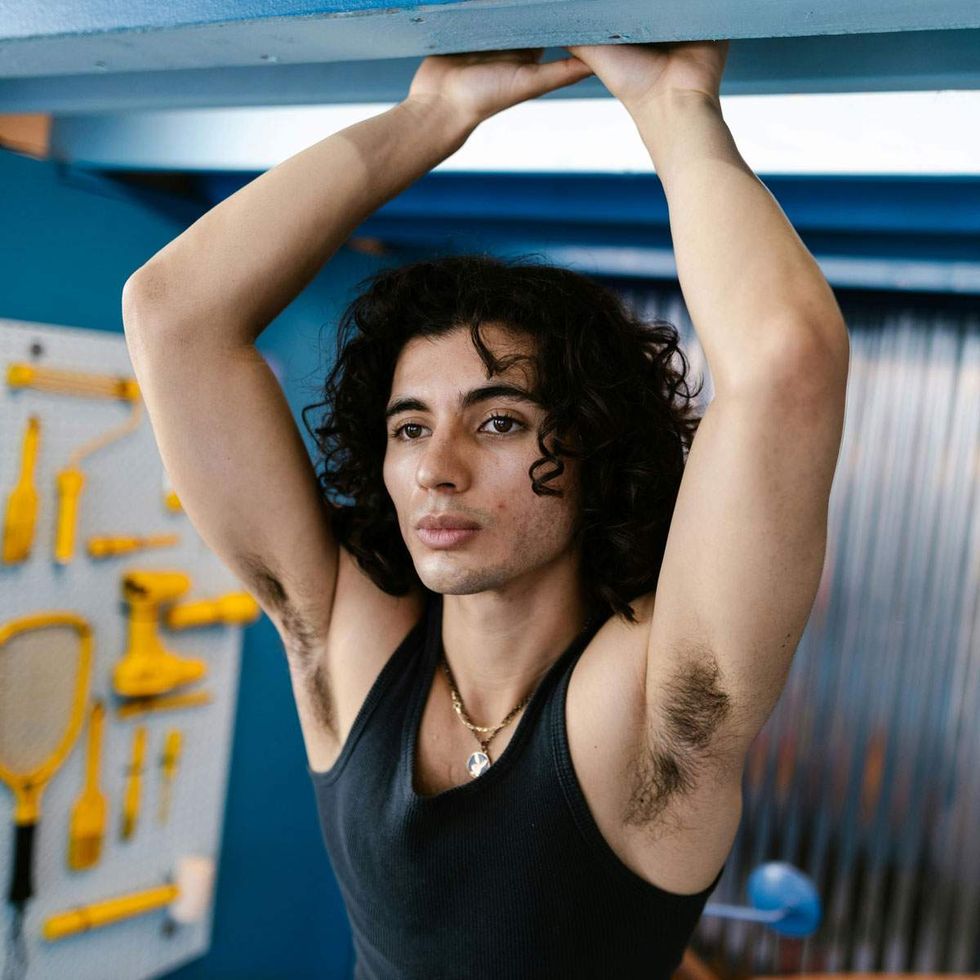
Technically called maschalagnia, the armpit fetish belongs to the same olfactory family as the used underwear fetish.
The armpit, when not deodorized, concentrates apocrine sweat gland secretions tied to stress, arousal, and one’s hormonal state. Whether humans have true pheromones in the strict biological sense (chemical signals triggering specific behaviors as they do in other mammals) is debated, but it's well documented that body odor activates genuine psychological responses in people.
Dedicated academic literature on maschalagnia is thin. Here, look thee to the internet: The mainstream embrace of natural deodorant, armpit hair positivity on social media, and the broader conversation about body odor as intimate rather than shameful have, perhaps inadvertently, created more contact between the general population and this fetish than ever before.
Why are uniforms like cops, soldiers, and doctors fetishized?

Iurii Chornysh/Shutterstock
Think of a uniform as instant psychological shorthand. You don't need to know the person in a police uniform to understand the power dynamic being conveyed. For better or worse, the uniform signals authority, anonymity, and a clearly defined role, and in consensual erotic contexts, that can be toyed with and explored.
The uniform fetish has deep roots. Tom of Finland, the famed gay artist who depicted uniformed men (police officers, soldiers, sailors, biker boys) in explicit illustrations and comics from 1957 until his death in 1991, essentially established the visual grammar for this fetish in gay culture.
Uniforms carry heavy cultural weight, and fetishizing them can dip into murky territory, something I explored in my piece for Out on whether the leather community’s style is Nazi-inspired and touches on Tom of Finland's own complicated legacy.
Common fetishized uniform fetishes include military, police uniforms, firefighter gear, and medical scrubs. It even extends to the skateboarder and punk aesthetic, a “uniform” of youth, wildness, and antiauthoritarianism. The classroom fantasy plays to the same dynamic: An authority figure with power. Been a bad boy?
What's with all the shaved heads or, alternately, the attraction to body hair?
Valery Sidelnykov/Shutterstock
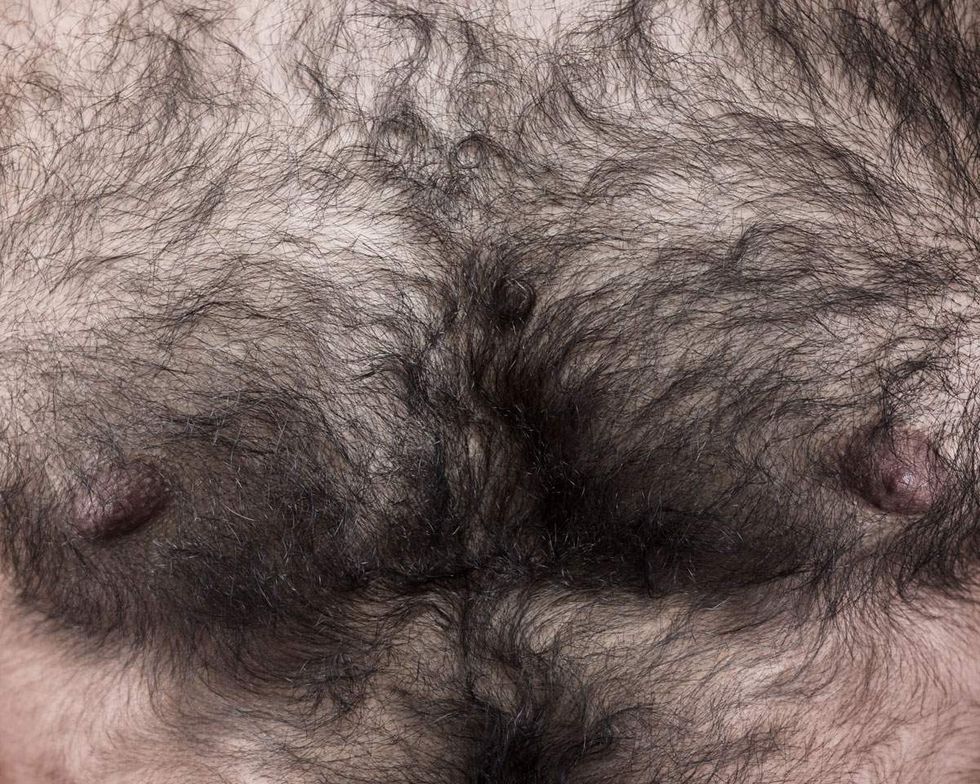
Shaved heads and body hair are opposite ends of a spectrum organized around masculinity and its visual codes. The buzz cut signals toughness and submission to discipline. The full beard signals virility and maturity. Both get fetishized.
On beards, there’s real research. A study published in Evolution and Human Behavior found gay men, on average, have a stronger preference for facial hair than heterosexual women, supporting what researchers call a sex-specific mating psychology, the idea that gay men, as men themselves, respond with unusual intensity to masculinity cues in prospective partners, which may surely come as no surprise to gay men reading this.
Queer site PinkNews covered the findings from Dr. Barnaby Dixson's lab at the University of Queensland; the attraction is called pogonophilia. According to Exploring Your Mind, a science and psychology site, Dixson's work links beards to societal perceptions of social status and physical robustness.
All this research tracks with what many gay men experience: That male image and body standards, including those linked to physical masculinity presentation, are often more stringent and punishing among gay male populations than straight ones, a finding consistently supported by body image research. Dixson's study suggests real social and psychological reasoning for this.
The razor fetish (arousal from the act of shaving, or from having one's own head or body shaved) is another version. In BDSM contexts, it’s often a ritual of dominance and ownership.
In the urine fetish, what do people do?
wernimages/Shutterstock
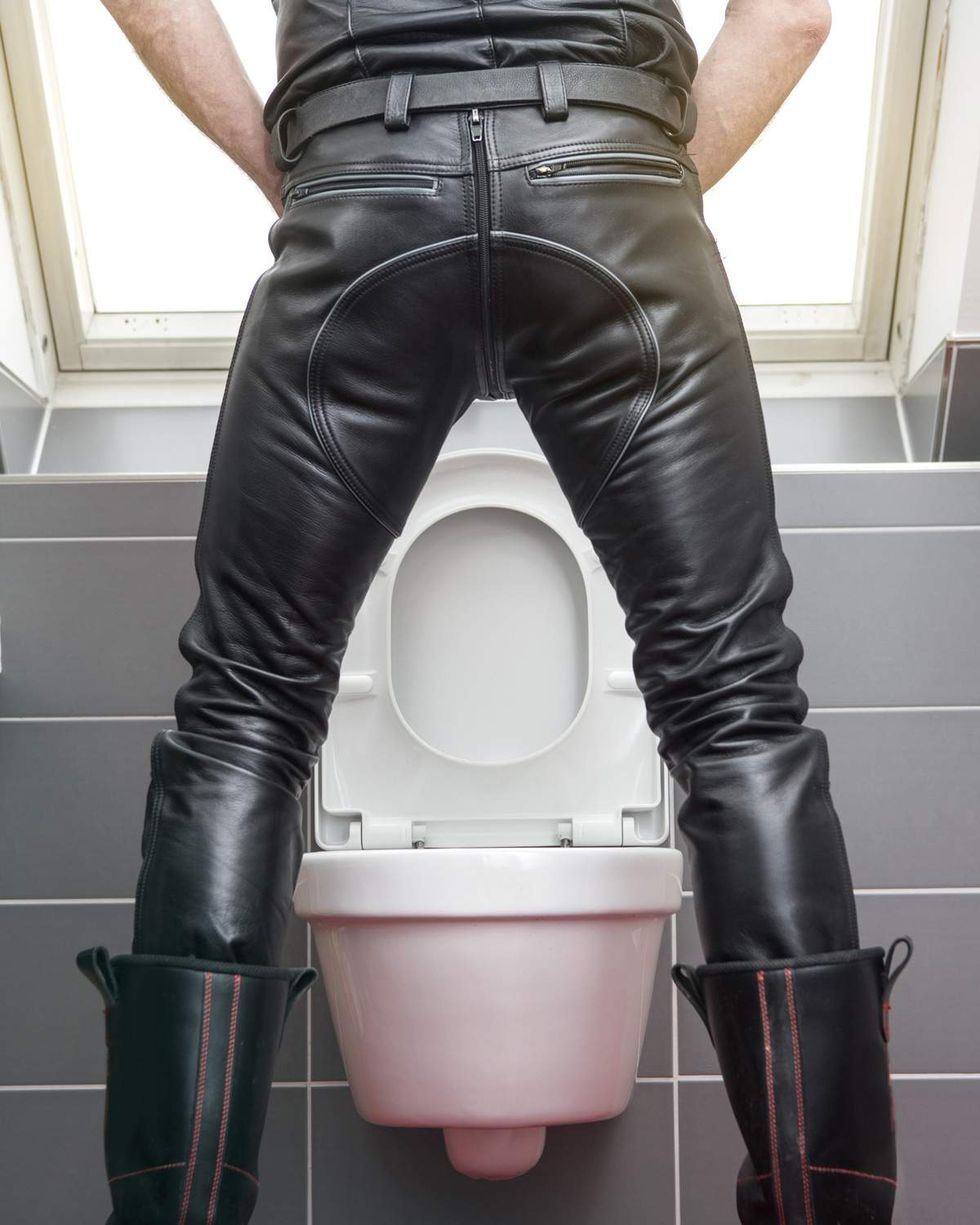
Urolagnia (also called urophilia and, colloquially, “watersports”) involves — you guessed it — sexual arousal from urine.
In practice, it encompasses many activities: peeing on (or in) someone, being peed on, watching someone pee, and arousal from the smell or physical presence of urine itself.
According to Dr. Justin Lehmiller, a 2014 University of Montreal study found roughly 8.9 percent of men wanted to pee on a partner, and 10 percent wanted to be peed on. Watersports ranked ninth in Channel 4's 2017 Great British Sex Survey of the U.K.'s favorite fetishes.
Watersports touches on taboo violation, power exchange (peeing on someone or being urinated on encodes dominance and submission), and, for some, the sensory experience of the act itself.
Is it safe? That answer mostly depends on what you're doing. Being urinated on externally, on unbroken skin, carries a low risk. Dr. Hunter Handsfield, Professor Emeritus of Medicine at the University of Washington and chief medical advisor for the American Sexual Health Association, notes that urine exposure is unlikely to spread sexually transmitted infections because the liquid can't carry the concentrations of bacteria and viruses needed for transmission, at least not in most circumstances. Risk increases if urine contacts mucous membranes, open wounds, or if a partner has an active infection.
Drinking urine carries more risk: Healthline notes that while a small amount likely won't harm a healthy person, it does contain waste products the body is trying to eliminate, may carry bacteria once it leaves the body, and could transmit infections.
So, as with all kink, know your status, know your partner's status, and talk. Play with the consent and clarity of everyone involved.
The fetish briefly entered the mainstream in 2017 when BuzzFeed published a dossier alleging Donald Trump paid prostitutes to urinate on him in a Moscow hotel. Golden showers were suddenly front-page news in newspapers across the world. Whatever else that moment did, it guaranteed millions of people had to look up the term, which is, in the long run, good for everybody's sexual education.
Why does spit feature so much in BDSM porn?

Ketut Subiyanto/Pexels
Spit occupies the same psychological neighborhood as urine: it's a bodily fluid. To come in contact with it requires intimacy and can feel degrading and hot.
Watch any rough gay sex scene online. You'll likely see men spitting in each other's mouths, on each other's faces, and using it as lube. Open-mouth gags, a standard piece of BDSM equipment, are designed in part around the aesthetic of uncontrolled drool.
Saliva involves close proximity and an open mouth. It’s something interior and private coming out, even uncontrollably. In D/s (dominance and submission) dynamics, spitting on a submissive partner is a form of erotic degradation; receiving it is an act of surrender.
Though not recommended by health professionals (good lube prevents tears and injury), many kinky folks like to use spit as lube in rough scenes, making spit both practical and symbolic.
Why are foot fetishes common?
MediaXPhotography/Shutterstock
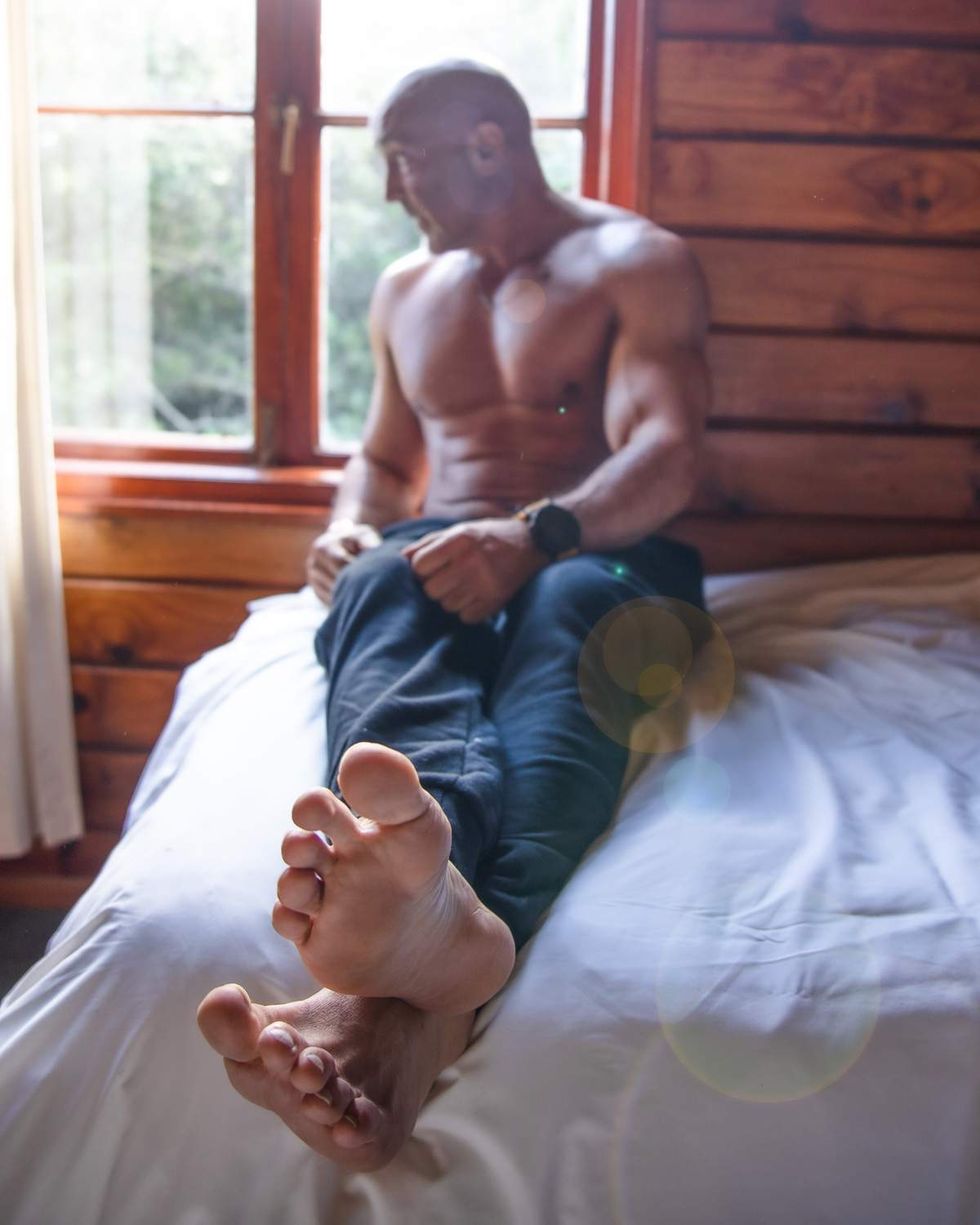
Neuroscience offers an interesting explanation. Researcher Wilder Penfield's brain mapping work in the 1950s established that the somatosensory cortex's region for processing foot sensation sits close to the region for genital sensation. Some researchers have proposed that this anatomical proximity produces cross-activation, that the “foot” signals and “genital” signals cross wires, so to speak, in the brain.
Noted foot fetishists include Elvis Presley, Andy Warhol, F. Scott Fitzgerald, and burlesque icon Dita Von Teese, who has appeared in foot fetish photography and spoken about her lifelong attraction to feet. Quentin Tarantino's films feature his actresses' feet so much that it's become one of his most discussed directorial signatures.
There are websites devoted to cataloging the feet of celebrities, chiefly WikiFeet, which draws over 3 million visitors a month. When British pop star Lily Allen joined OnlyFans to sell photos of her feet after learning she had five stars on WikiFeet, she made the foot fetish scene globally visible: It generated more income than her Spotify streams.
Why are hands fetishized?
rodolfoclix/Pexels
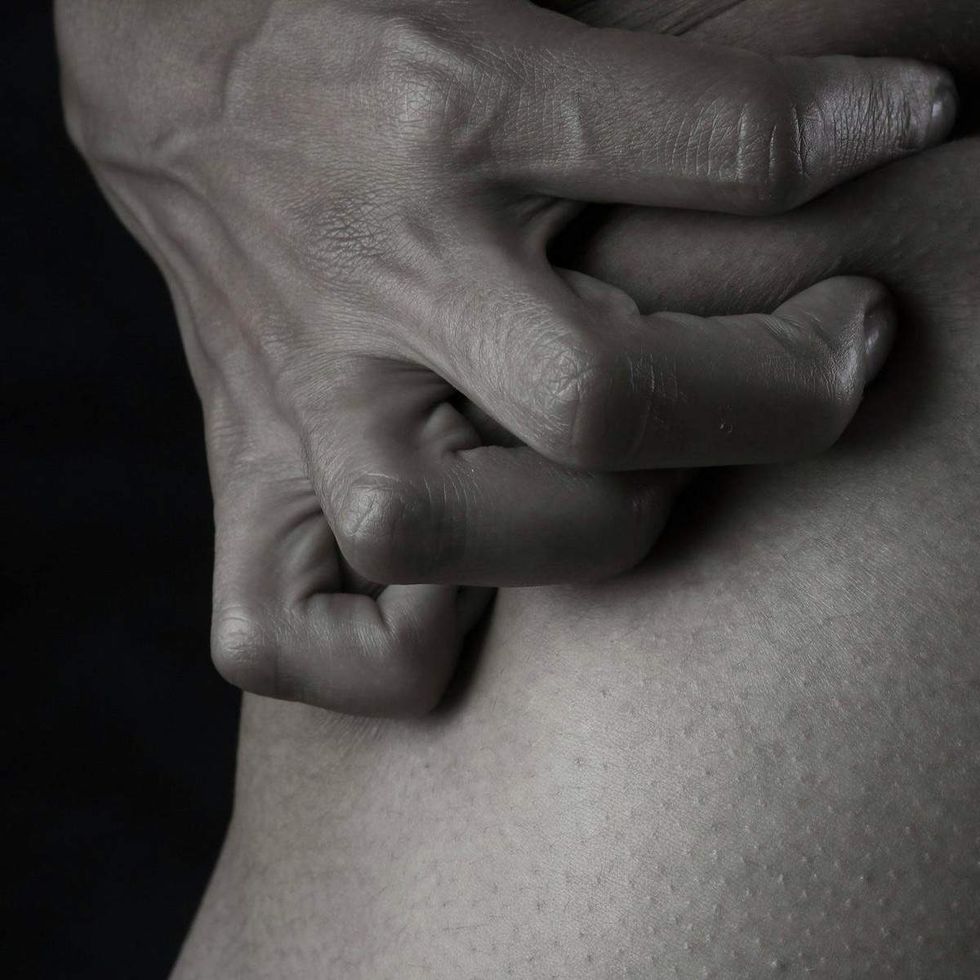
Hands are fetishized for shape, size, texture, or all four.
There's some overlap between hand fetishes and fisting, the erotic practice of inserting the hand and forearm into the anus or vagina, referred to by some trans people as the “front hole.” Fisting is a kink, but many people into fisting (myself included) develop a fetish for certain kinds of hands, like big hands, small hands, or well-shaped hands.
Why do so many people find doctors, nurses, and medical equipment arousing?

VladOrlov/Shutterstock
The medical fetish, sometimes called “medfet”, is among the most popular and visible in BDSM content. Dr. Mark Griffiths, a chartered psychologist at Nottingham Trent University, has described medical fetishism as “inclusive and wide-ranging” from attraction to medical professionals, clinical environments, and the full range of equipment, like speculums, catheters, latex gloves, stethoscopes, exam tables, and medical restraints.
Medical settings involve a power imbalance: A patient is physically exposed and dependent on an authority figure and often subject to intimate examination. In consensual erotic play, that structure can be really hot.
Enemas are related and deserve a mention. Klismaphilia (sexual arousal from enemas) overlaps with medical play, humiliation, submission, and the practical reality of modern gay sex culture. Many gay men who bottom are familiar with douching and its equipment, and some find the ritualized preparation erotic on its own.
What is the diaper fetish?

Barry King/WireImage
The adult baby/diaper community, known by the acronym ABDL, is big. Some find diapers arousing for reasons overlapping with other fetishes: constriction, specific tactile experience, associations with helplessness and care. The ABDL community has its own major events, merch brands, and online communities.
What is the piercing fetish?
cottonbro/Pexels
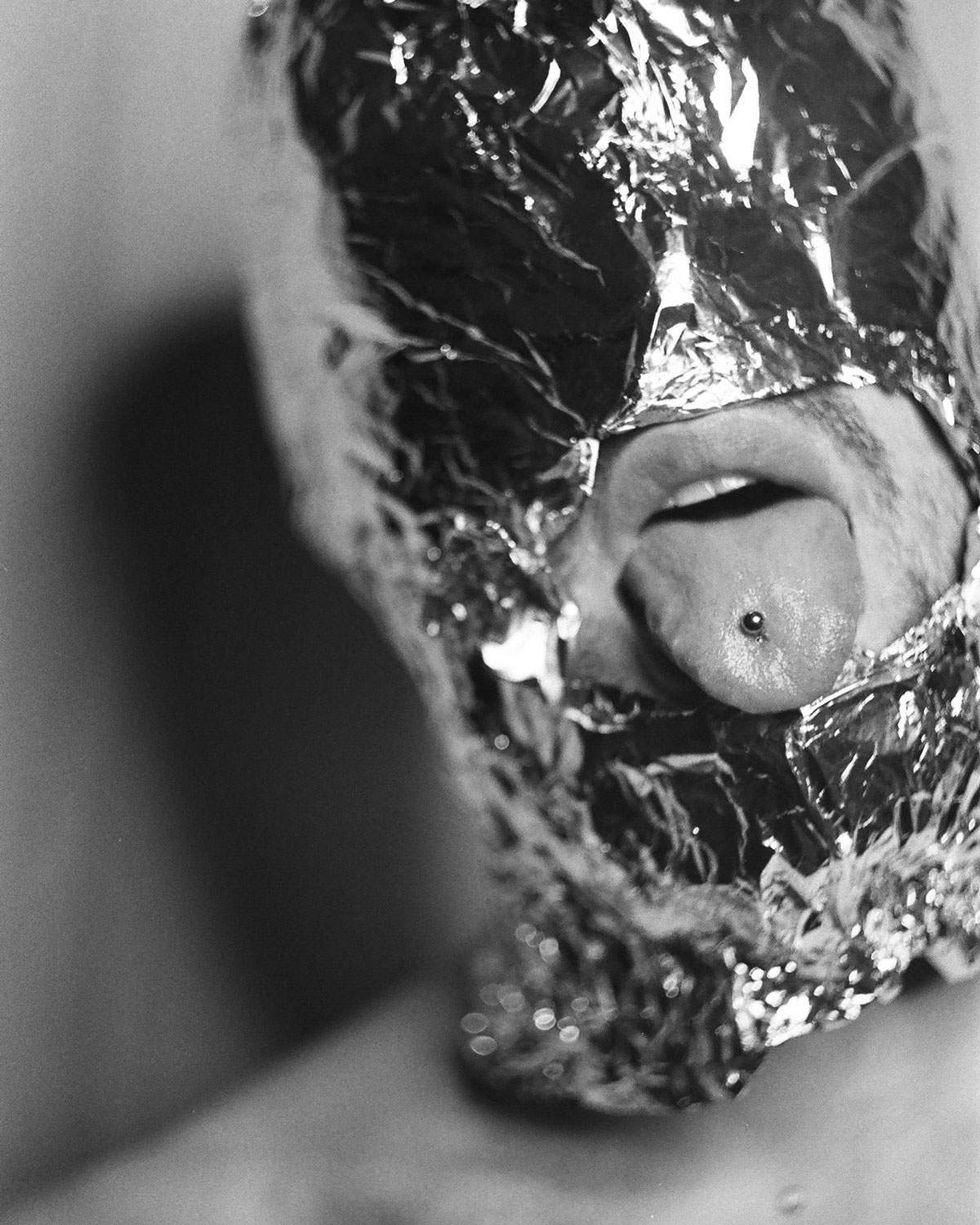
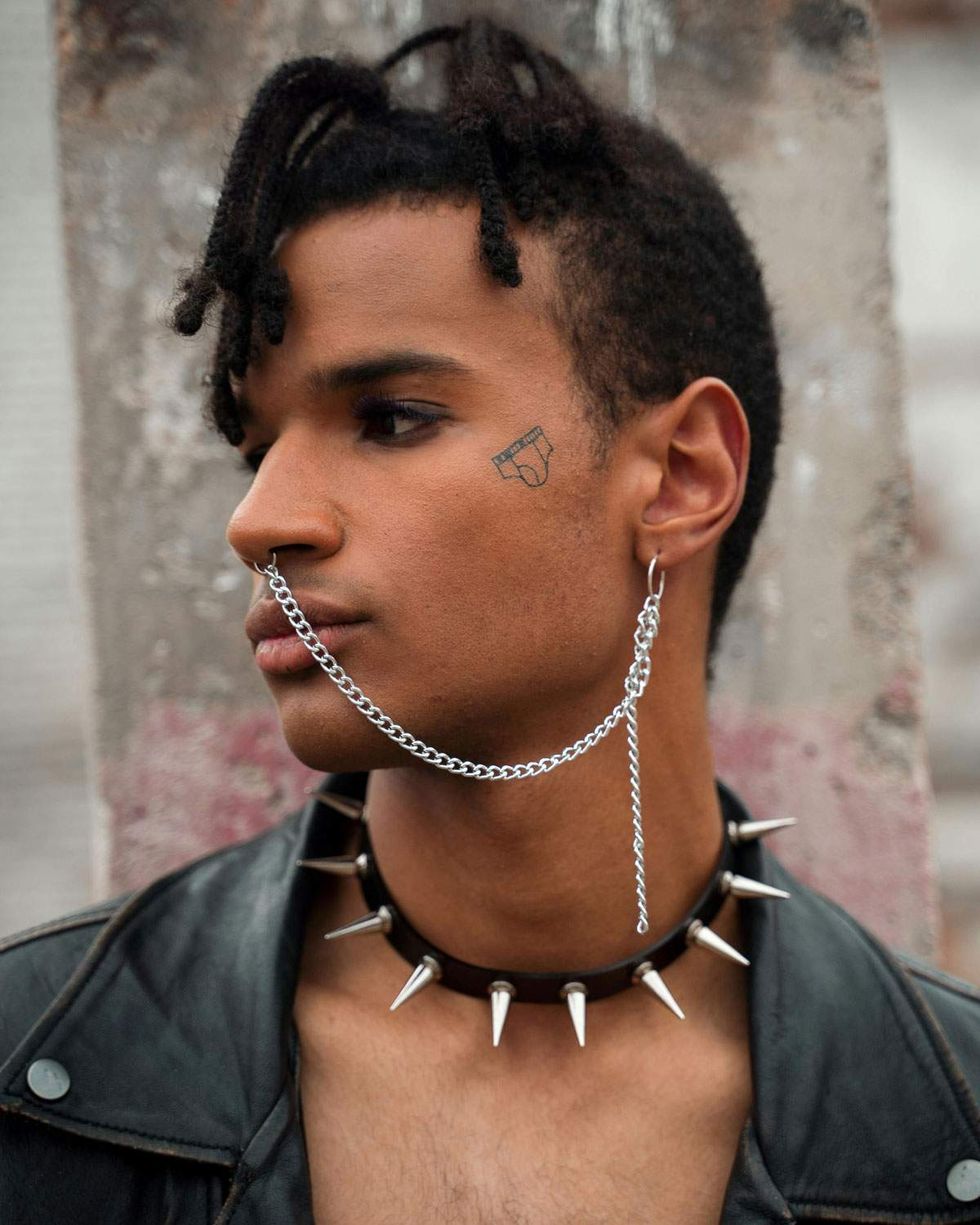
Also called piquerism, a piercing fetish involves erotic arousal from piercings, including the hardware, aesthetics of piercings, or even just the act of piercing the skin.
Many gay men have fetishes for specific piercings like Prince Alberts, which loop through the head of the penis and have dedicated admirers.
Nipple rings, septum piercings, and ear gauges each have their own fetishists. The current piercing revival (nipple rings on Harry Styles and Kendall Jenner) has brought piercing aesthetics into mainstream culture in a way that means many more people are flirting with a fetish object now, whether they know it or not.
Why do I see gas masks in gay fetish shops?
Tattoboo/Shutterstock
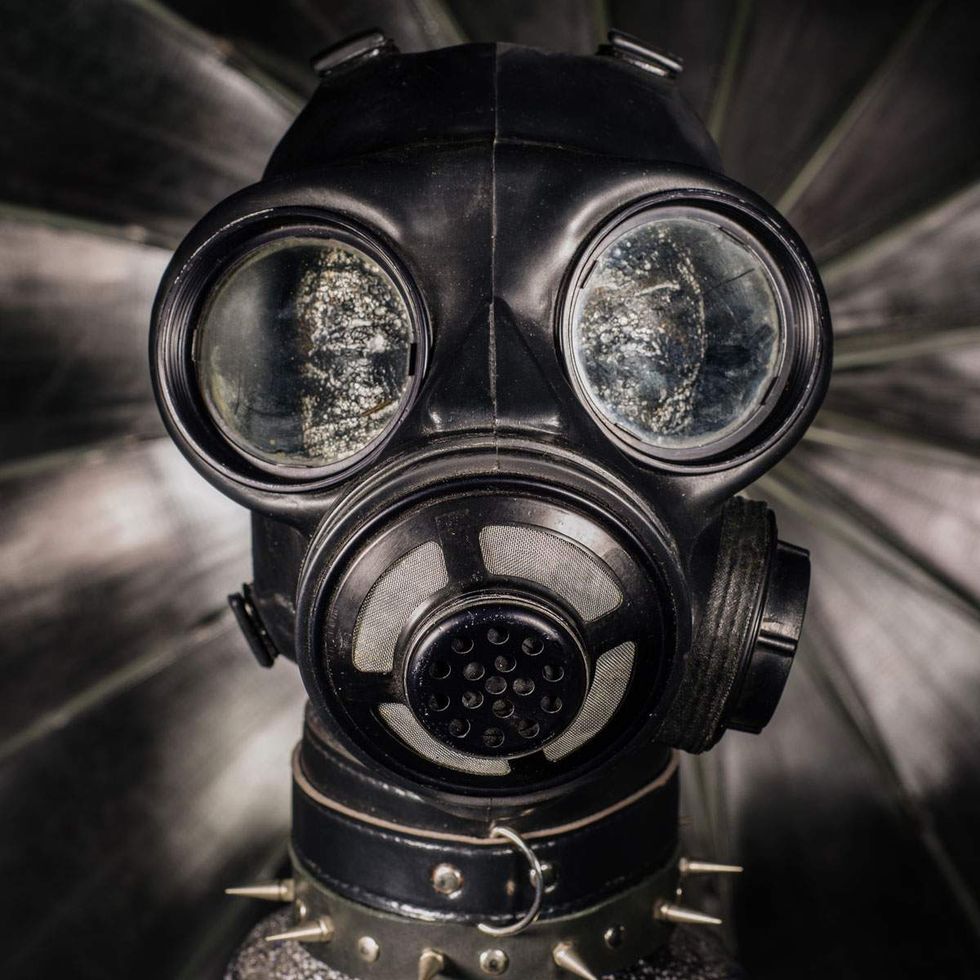
Gas masks arrived in kink culture through the same post-WWII channels as leather: Military surplus, biker aesthetics, and the sexualization of masculine danger.
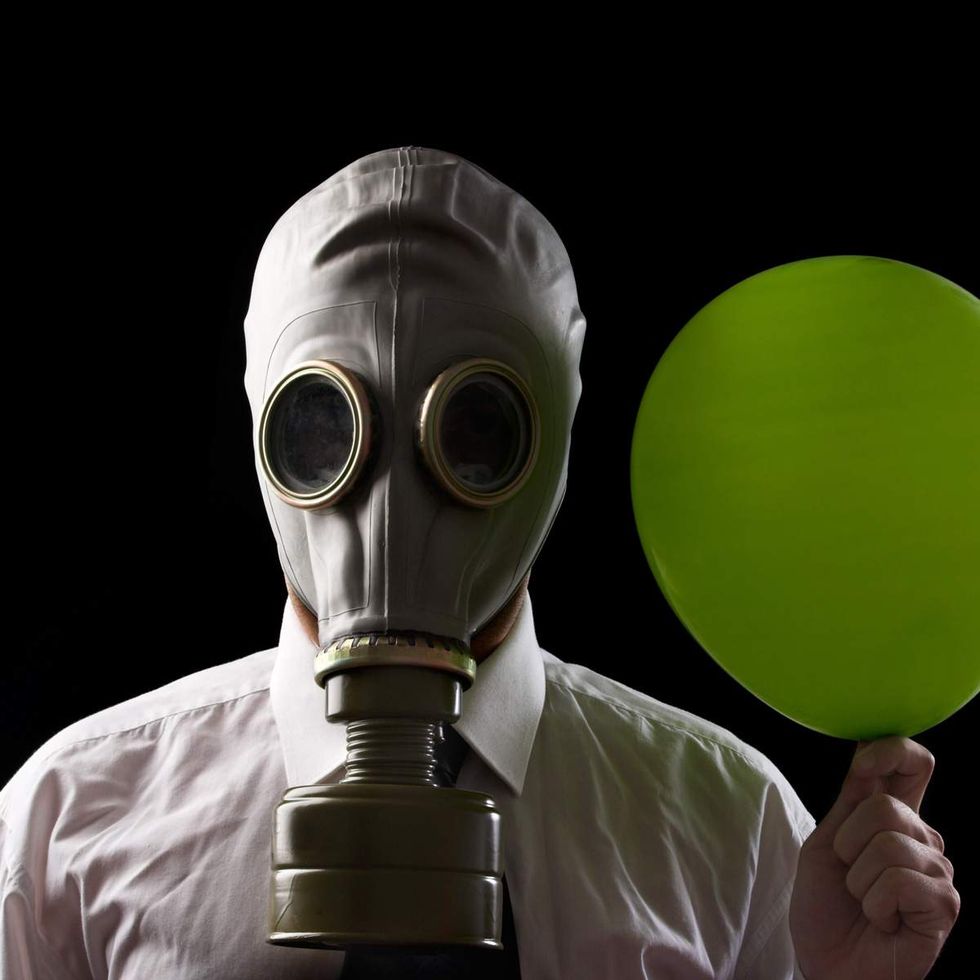
Today, they appear frequently in two contexts: Breath play, a kink involving erotic restriction of breathing, and rubber fetishism, since gas masks are rubber objects fully enclosing the head and face. They appear in leather spaces and shops as objects with a strong visual charge evoking authority, protection, anonymity, confrontation, and danger.
There is a thin line between gas masks and a more political ethos. They have, after all, been necessary during protests involving smoke bombs, and have dark associations too; historically, they have been seen as symbols of apocalyptic dread. It’s not hard to find images of families and children during both World Wars wearing gas masks, drilling for attacks.
Researchers note that the gas mask sits at a strange crossroads of identities: They are worn by police, protesters, cybergoth ravers, and kinksters. In all cases, it carries the same charge of danger and anonymity. The work of fabled street artist Banksy often features gas masks in his oeuvre of guerrilla political commentary.
Is food a fetish?

HD92/Shutterstock
Yes, and thank goodness for it. Food is tactile as well as visually stimulating, involves the mouth, and literally requires something to enter the body. The body can be transformed by eating certain foods. Your mental and emotional state is altered in the act of consuming food you love.
Food fetishes appear in general paraphilia literature and involve many fun scenarios: eating food off another’s body, incorporating food into sex, or finding specific foods arousing.
The food-sex crossover reached mainstream cinema in 1986. The refrigerator scene in the 1986 film 9½ Weeks, when Mickey Rourke feeds Kim Basinger everything from Jell-O to a spicy pepper, became a legendary erotic scene in cinematic history.
What is blood play, and is it safe?

denisersl/Pexels
Now we’re getting up to the edge of kink’s “safe, sane, and consensual” mantra (though some prefer the slightly more permissive “risk-aware consensual kink,” since some consensual activities can’t be, in the strictest sense, safe). Blood play involves activities that produce small amounts of blood, like certain types of piercing, whipping, or scratching. This fetish is part of “edge play” kink since it sits at the more extreme end of the risk spectrum.
The kink community is consistent on this: blood play requires caution. Blood is a vector for HIV, hepatitis C, and other bloodborne infections. Even small amounts of contact carry real risk.
But it’s understandable how it can be hot: In action movies, we routinely see otherwise beautiful movie stars get bloody noses and scars from fighting, which becomes, in the light of Hollywood, a kind of rugged glamour. Even if it’s just makeup (it is), it looks tough.
Cinema and fetishes have always fed each other. Vampire aesthetics, from AMC's Interview with the Vampire to Twilight, all gesture to blood as an erotic object. The fetish is real, but real-life practitioners must understand the risks.
Why are clowns a fetish?
cottonbro/Pexels
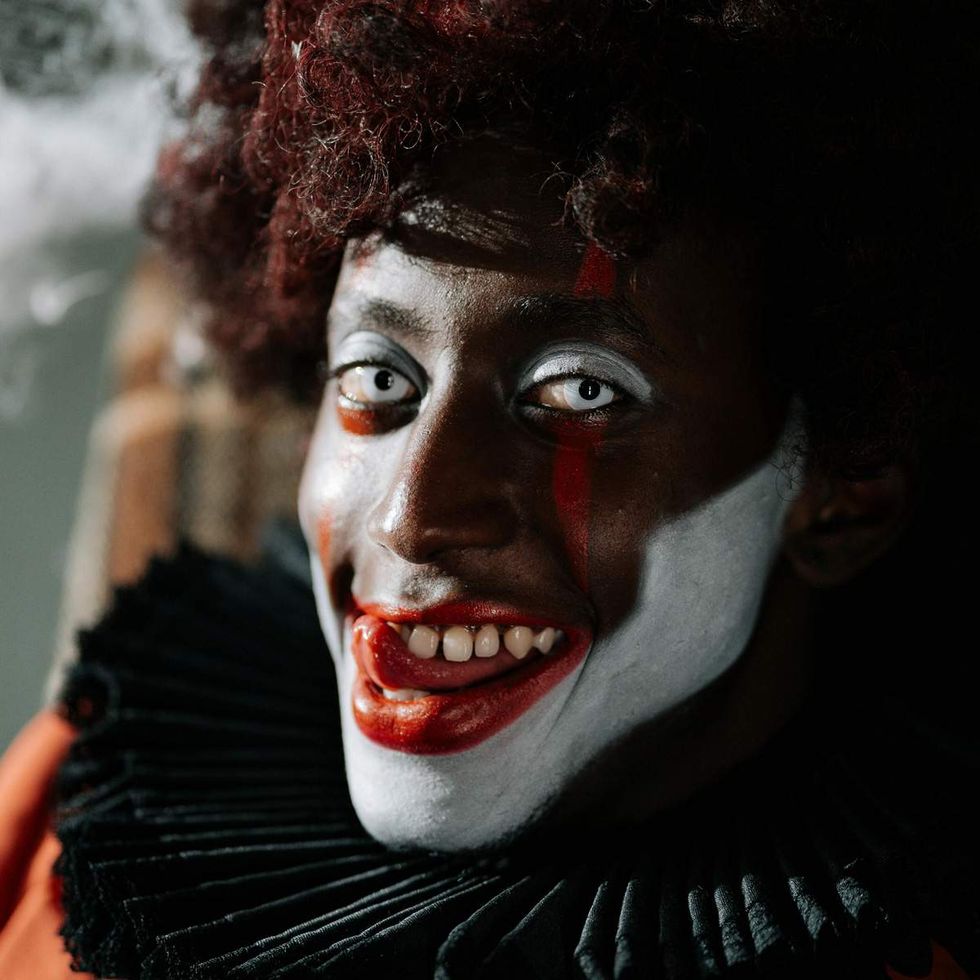
The clinical term is coulrophilia. According to Pornhub analytics cited across multiple outlets in 2016, searches for clown pornography there increased 213 percent following the wave of creepy clown sightings that year, with women 33 percent more likely to search for it than men.
The next year saw the release of the 2017 It adaptation, which generated an online community attracted to Pennywise. The psychology makes some sense: Clowns are scary and, to a degree, anonymous. The face paint conceals identity. They're associated with danger, inappropriateness, stupidity, and an unavoidable silliness. I can easily picture a sexy man in a clown suit telling me to bonk his nose in order to see the sausage.
For those whose interest overlaps with coulrophobia (fear of clowns), the fetish probably involves the mind's conversion of fear into arousal, a mechanism well-documented in academic literature on anxiety and eroticism.
What exactly does the scat fetish involve?
Alex Kich/Shutterstock
Coprophilia (arousal from feces) is among the more heavily stigmatized entries in any fetish list, including among people who themselves have fetishes considered outside the mainstream.
Scat appears in paraphilia surveys as a genuine category but at low prevalence rates; a large survey of BDSM practitioners found it among the least common activities even among kinksters, though I think this likely has more to do with fear of disclosure than real metrics.
The health risks are real. Human fecal matter carries bacteria, parasites, and pathogens, making scat play a fetish where harm reduction reaches its limits. Here’s what can be said: Scat fetishes are more common than you think, and they cluster with other “pig play” activities in BDSM communities.
Why is sports gear such a reliable fetish?
Mike Orlov/Shutterstock
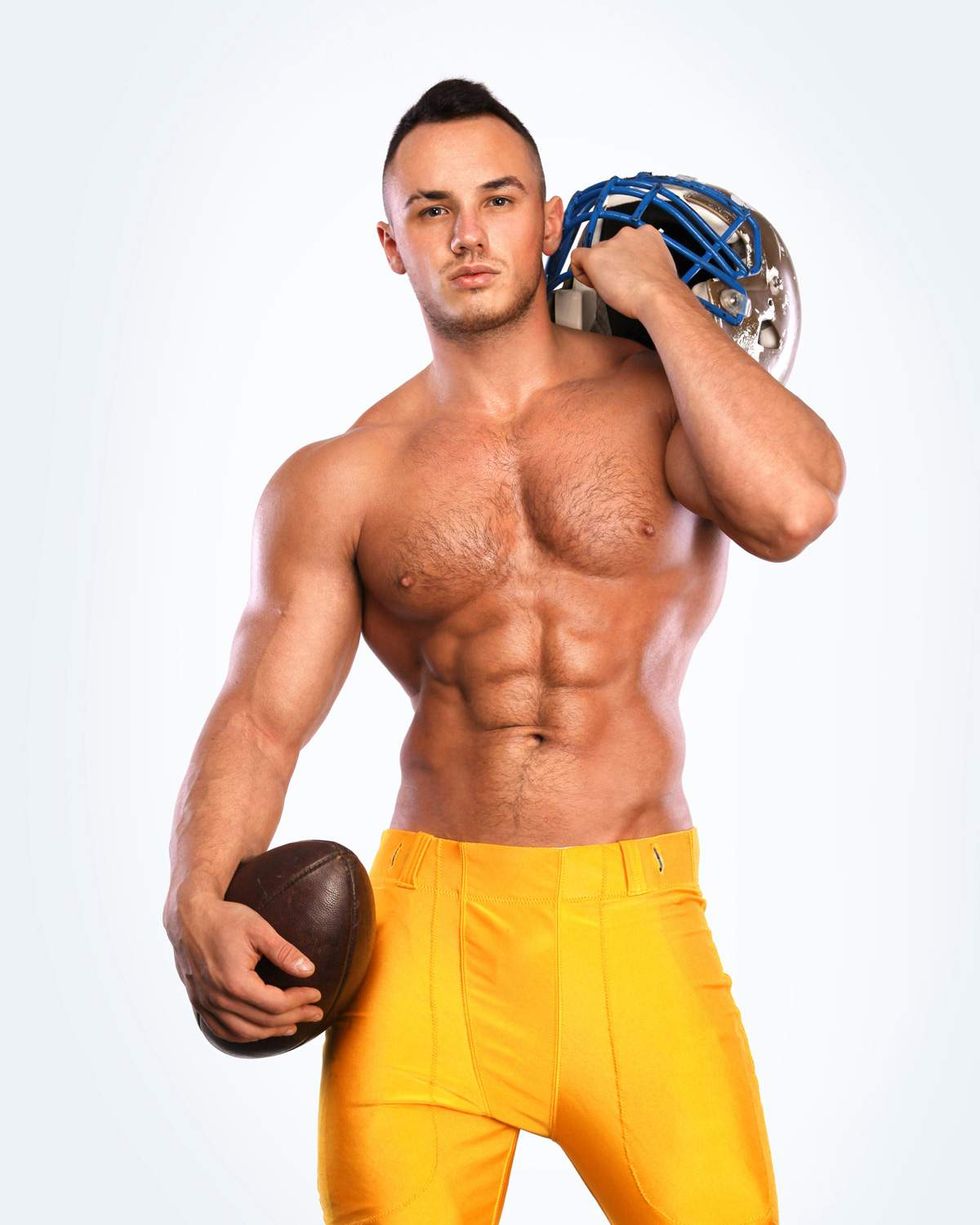
The locker room and its accompanying equipment (shoulder pads, jockstraps) have been a gay fantasy space since before there were words for gay men. Part of what makes it so enduring is cultural: Professional sports have historically been hostile environments for them.
Heated Rivalry, the 2025 HBO Max/Crave series adapted from Rachel Reid's Game Changers novels, following two rival professional hockey players across years of secret desire, became the most talked-about gay television event in recent years, asOut has reported in its coverage of the show's viral impact. Its locker-room and sex scenes, combined with its frank depiction of closeted gay desire in a hyper-masculine world, tapped into something deep in gay desire.
Jockstraps are so associated with the gay male community that they are all but the standard gay uniform. But gay and queer men also have fetishes for football pants, compression shorts, worn sneakers, and more. Popular gay male clothing brands like Nasty Pig and Cellbock 13 have built this fetish into their business models.
Why is everyone now into fisting?
Elena Pekkolainen/Shutterstock
Fisting is a kink, but it deserves its own entry because it’s become one of the most talked-about practices in recent years, and fetishes have developed alongside it: fetishes for hands, certain gear, slippery lube, and more.
Fisting isn’t new. It’s been part of gay sex culture since at least the 1970s, documented in Larry Townsend's Leatherman's Handbook and in Drummer magazine, and described in Stephan Niederwieser's excellent book Fist Me! The Complete Guide to Fisting, along with the more sage First Hand by Tim Brough.
What is relatively new is its visibility. As The Homo Culture reported in 2025, fisting has moved from back rooms to Discord servers, online chat groups, and massive Twitter/X communities, with younger gay men arriving at play parties already educated, having Googled techniques and joined online communities before ever attempting the sexual practice, one that is not without real health risks and dangers.
Full transparency: Fisting is my favorite kink, and I’ve written about it a bit, especially in my 2021 book, My Love Is a Beast: Confessions.
The appeal of it, for those into it, is hard to explain to those who aren’t. Queer nurse practitioner Miles Harris, in a guide for Xtra magazine, describes fisting as one of the most intimate forms of sexual contact: The body has to want it, the mind has to be present for it, and extreme trust is needed between partners to make it happen. Researchers at the University of South Africa, publishing in the Journal of Sex Research, found fisters understand themselves through multiple overlapping identities — as kinksters, sexual athletes, and members of a tribe.
Fisting requires extensive preparation, appropriate lube (thick, water-based formulas like X-Lube are best), months or even years of training, clear communication, and careful attention to the body's signals. It is not a practice to attempt hurriedly or without proper education. Thankfully, the community's emphasis on mentorship reflects a genuine ethics of care: Fisting culture has, in many ways, developed one of the more thoughtful safety frameworks in kink.
Those of us who love fisting, and I count myself among them, know a session is often slower and more intimate than it's depicted in porn, and certainly the most beautiful thing I do in bed.
Can someone's age be a fetish?

cottonbro/Pexels
Sexologist John Money coined the term "chronophilia" in 1986 to describe sexual attractions organized around age. These are not just a preference for a certain type, but a specific fixation on age as a key source of arousal. In gay culture, this shows up in dynamics familiar to almost everyone: Twink culture and daddy culture are both built, partly, on the eroticization of age markers.
What makes this complicated is that age fetishization bleeds into arguments about dehumanization. Critics argue that reducing a person to a demographic characteristic (to their age, race, or body type) turns a person’s identity into an erotic commodity and can make rejection along those lines tantamount to discrimination.
Defenders say attraction always involves responding to some physical characteristics, and singling out age as a uniquely problematic one is a standard that is not held consistently across all fetishes.
What about guns and knives?

hamidtajikph/Pexels
Weapons are phallic instruments of power, and their presence means danger, so of course, there are fetishes for them. As tools that generate fear, they can produce real physiological arousal. There is no shortage of subtly homo-charged Westerns in which guns are the stand-in for penises.
Kidnap fantasies involving firearms are a documented porn genre. Knife play in BDSM is classified as edge play, the same as blood: The risk of harm is real, and the fantasy cannot be separated from that risk without great care.
These fetishes demand a high degree of trust and communication and are not for beginners.
Okay, I think I have one of these fetishes. Where does it come from, and what does it say about me?

Ranta Images/Shutterstock
Nobody knows where a fetish comes from. And I personally hope we never do.
I was kinky before I had words like “gay” or “bisexual” or, later, “pansexual” to define me. Kink feels deeper than my orientation. It emerged naturally, from some mysterious place, and just like my shifting, deepening, and increasingly undefined sexual orientation, kink has been one of the most thrilling and meaningful journeys of my life. If we ever uncovered a gene or predictable stimuli that leads to kinkiness, it would deflate the surprise and wonder of it.
One widely cited explanation for kinkiness is in classical conditioning. The brain forms long-term erotic associations when an object or situation gets repeatedly paired with arousal, especially early in one’s sexual development.
In the 1960s, psychologist Stanley Rachman demonstrated this in a lab, showing men could develop a sexual response to images of boots after those images were paired with erotic photos. The association formed with repetition. But I was not repeatedly exposed to things that most turn me on as a child, so from whence do they come?
Most people with fetishes have no memory of a clear origin. Desires get discovered through porn, youthful experiences, strange situations, and life.
Conditioning doesn't explain it all. Psychology Today notes that no single cause for fetishism has been established, and biological, neurological, and cultural factors likely all play roles. Desire is complicated, its origins are still blurry.
As for what it says about you: In 2018, the World Health Organization removed fetishism from the ICD-11, its international classification of diseases, meaning having a fetish no longer qualifies as a psychiatric diagnosis at all.
Dr. Richard Krueger, associate professor of psychiatry at Columbia University Medical Center, told Healthline that literature suggests fetishists are “healthy or healthier” than those without. A fetish is only a clinical concern when it causes distress or harm to you or others. The discomfort many feel about their fetishes comes, in most cases, from shame and stigma, not the fetish itself.
So keep exploring, merry adventurers. Take care of your partners, negotiate consent, communicate desires and limits. Be safe, be wild. Be yourself.