

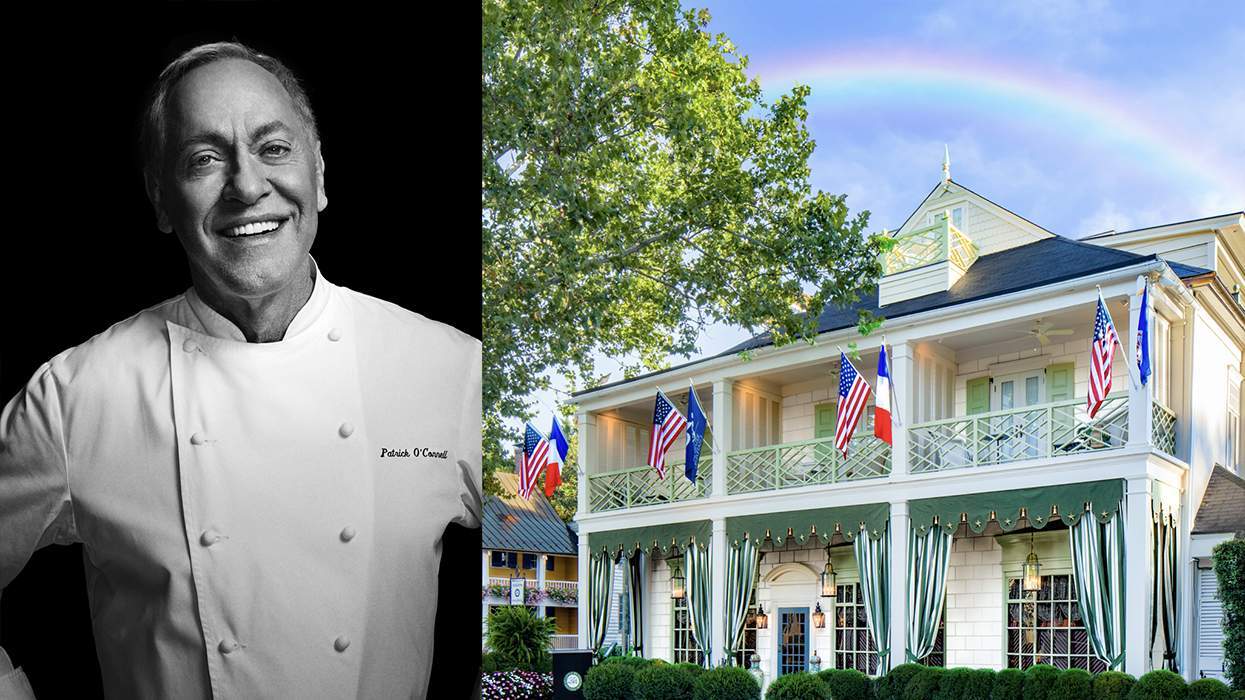

Patrick O’Connell has spent nearly five decades turning a tiny Virginia town named Washington into the kind of place food lovers and travelers plan an entire trip around. In 1978, the self-taught chef opened The Inn at Little Washington in a former garage. Today, the Michelin-starred restaurant and Relais & Châteaux hotel is an internationally renowned destination, shaped as much by O’Connell’s highly personal vision of hospitality as by what arrives on the plate.
Now, O’Connell is telling the story behind it all in his first memoir, Main, Middle & Gay. The wonderfully apt title comes from the three principal streets of Little Washington, named by George Washington in 1748, which today border the central block occupied by the Inn. “My story and the history of our town are now one,” O’Connell writes early in the book. From growing up gay in the 1950s and navigating an Irish Catholic upbringing in rural Maryland to teaching himself to cook, falling in love, and building an abandoned garage into one of the country’s most celebrated culinary destinations, it’s a funny, candid, and sometimes painful account of finding the place where he could finally be himself.
Ahead of the book’s release, O’Connell spoke with Out about Catholic guilt, the first place he felt truly at ease as a gay man, cooking for everyone from Elizabeth Taylor to Queen Elizabeth II, the hotels that still impress him, and what he’s still dreaming up for the Inn after 48 years. Main, Middle & Gay is out now and available online and wherever books are sold.
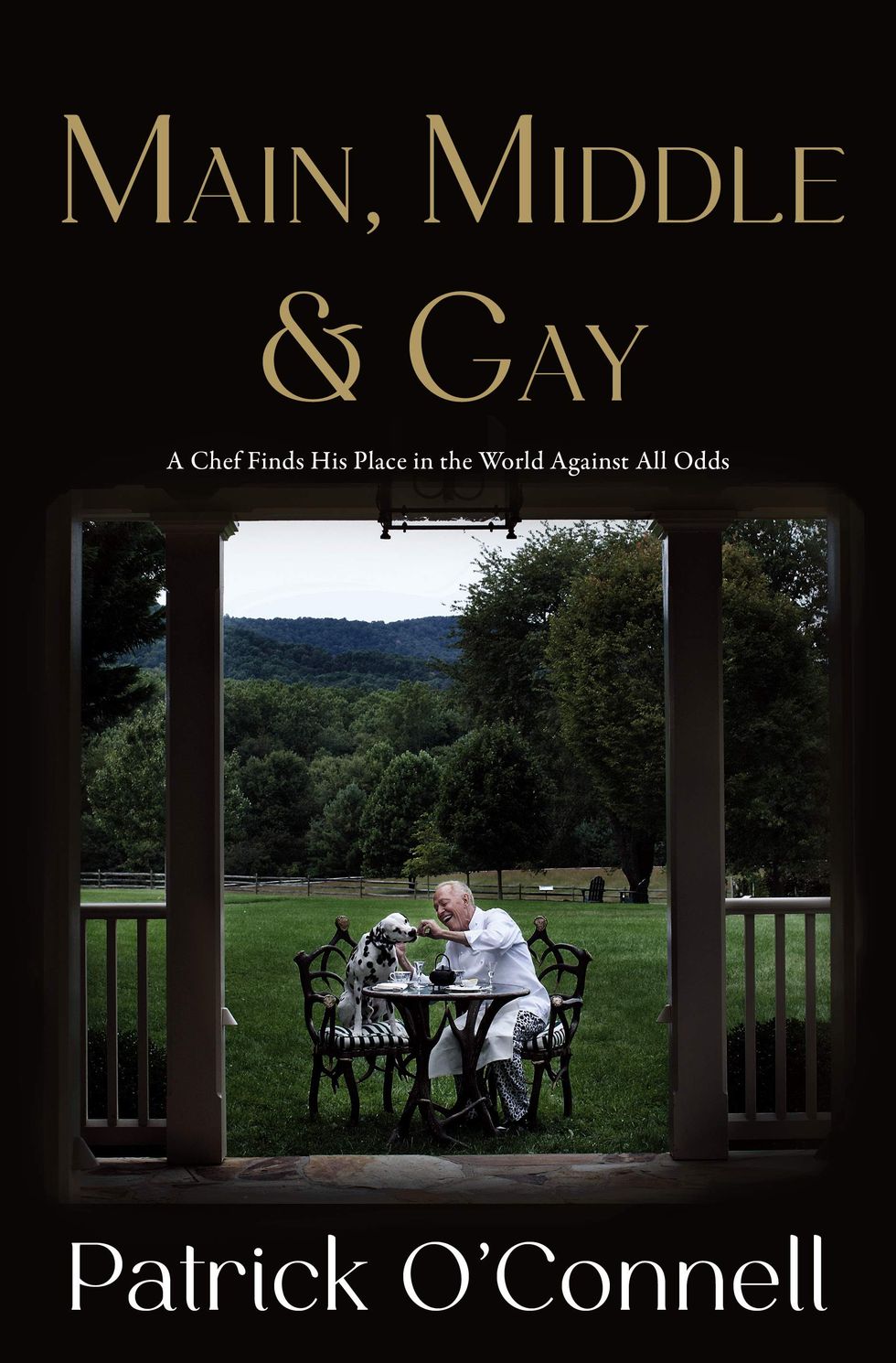
Patrick O’Connell’s new memoir, Main, Middle & Gay
Courtesy Celadon Books
When you travel now, what’s the first small detail that tells you a hotel or restaurant truly understands hospitality?
Hospitality is simply about how a guest is made to feel. When I travel, I'm acutely aware of how a place makes me feel. Often, it's the first person you encounter whose warm smile sets the tone for what follows. People are what you usually remember most.
You end your prologue with Anne Lamott's words, "If people wanted you to write warmly about them, they should have behaved better." Did this inspire you to write more candidly than you otherwise might have?
Anne Lamott's words were definitely inspiring. Early on, I was advised to regard writing a memoir as a therapeutic exercise and to not concern myself with how it might be received by the public or the media. I didn't care if it was ever published, and I was a bit surprised when, almost by accident, a guest who happened to be a publisher asked if I'd ever written a book. When I told her I had, she asked to read it and immediately wanted to publish it.
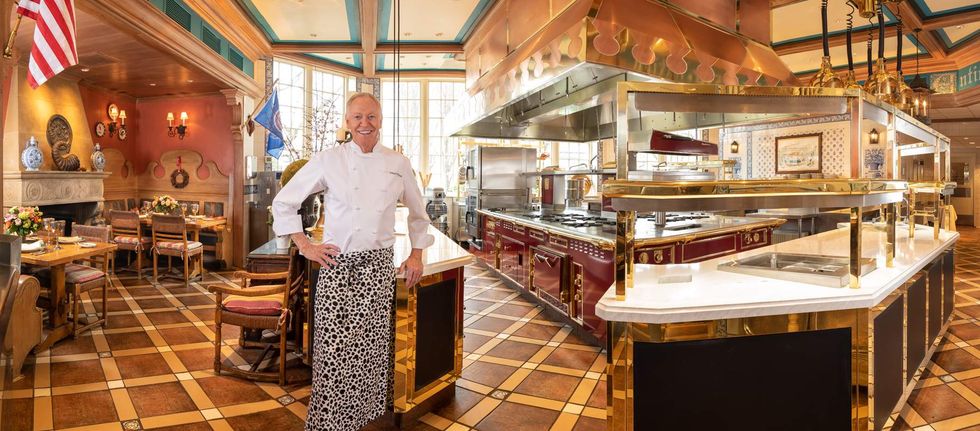
Chef Patrick O’Connell in the kitchen at The Inn at Little Washington.
Courtesy The Inn at Little Washington
Food appears in Main, Middle and Gay as a form of protection and control long before it becomes your career. Did writing your memoir change your understanding of why you became a chef?
I think it is useful to reflect on why anyone chooses a particular career and how it serves them. Often their decision can be traced back to survival and how a certain career might serve that goal. In my case, I developed a unique relationship with food at a very early age. I wanted to emphasize that "the die is often cast" when a person is quite young, as it was for me. Food served many purposes in my formative years and seemed capable of protecting me.
France has had such an enormous influence on both your cooking and The Inn at Little Washington, but you also write about your Irish roots. How, if at all, has that side of your heritage shaped your approach to food and hospitality?
Many Irish stories are about food or the lack of it. Ireland is rich with fables about good fairies and miracles. Food figures prominently in a lot of them. It's often expected that if you visit an Irish household, you must at least have a "wee nip" with them before departing. After a wee nip, you'll probably be asked to share a story or sing a song. At an Irish party, someone is likely to approach you by saying: "Tell me about yourself, Patrick." Their curiosity and kindness toward strangers is legendary.
There’s a lot of humor in the way you write about Catholicism, even when some of the experiences themselves were painful. What, if anything, from your Catholic upbringing have you chosen to hold on to?
Guilt, masochism, and impure thoughts never go away.
As a fellow Irish Catholic, I related to the way you write about confession, mortal sin, and the fear of hell, particularly while coming to understand you were gay. How long did it take to separate what you were taught to feel ashamed of from your own sense of self?
Religious indoctrination is difficult to ever completely escape from. The very concept of sin can be scarring. Imagine singing the Catholic hymn, "Oh Lord, I Am Not Worthy," every day as a child.
You came of age at a time when homosexuality was still treated as a psychiatric disorder, and you recount having “HOMOSEXUAL” written across your military file in red marker. When you look at the lives of young queer people today, what part of the world you grew up in feels hardest to believe has changed?
The current acceptance and normalization of being gay amazes me every day. I haven't yet adjusted to guys referring to their "husbands." Sometimes I wish I were born 40 years later. It's a whole different world we live in today. Thank goodness.
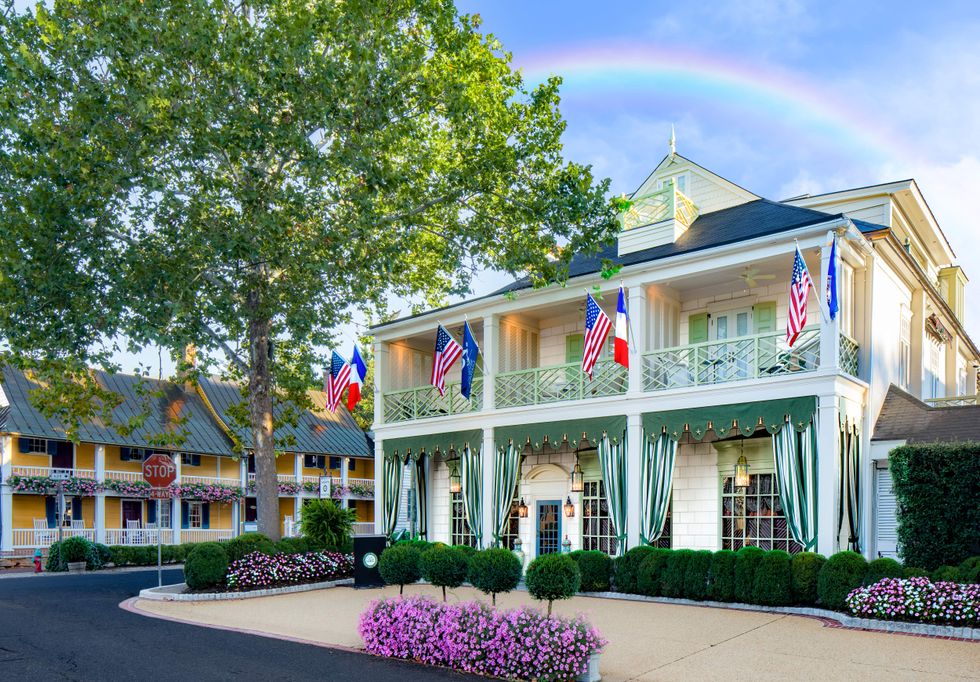
The Inn at Little Washington, Chef Patrick O’Connell’s landmark Virginia property
Courtesy The Inn at Little Washington
You’ve turned so many qualities others once saw as liabilities, from your sensitivity and theatricality to your stubbornness and being gay, into some of the very things that made the Inn possible. Which took you the longest to recognize as a gift?
A psychologist once said that "The purpose of life is to find your gift. The meaning of life is to give it away." I feel I've spent most of my life trying to integrate my various gifts and incorporating them into a cohesive whole. It took me a while to realize that finding flaws could actually be seen as a gift.
You’ve built such an international team at the Inn, and they seem to play such a big role in creating the warm, inclusive atmosphere guests experience there. Can you remember the first time you traveled somewhere and felt truly free or at ease as an openly gay man?
The first time I went to the island of Mykonos in Greece, I was struck by how accepting everyone was – including the older inhabitants, knowing that they depended on a tourist economy and that a good number of their visitors happened to be gay.
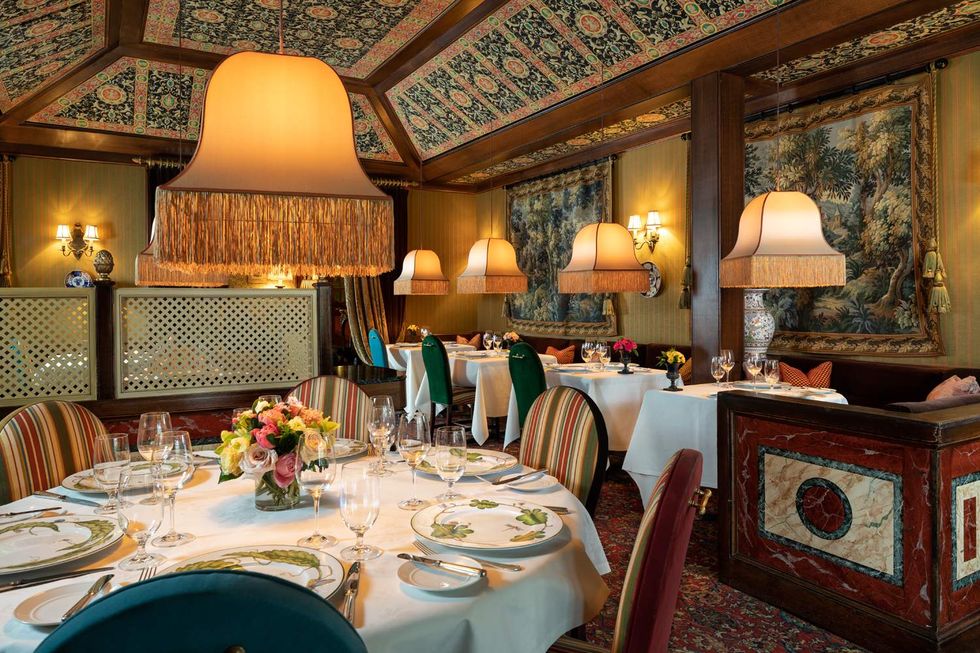
The Inn at Little Washington’s main dining room, host to political and Hollywood royalty
Courtesy The Inn at Little Washington
You have some great stories in the book about catering for Elizabeth Taylor, creating a reception for Queen Elizabeth II, and then finding out Barbra Streisand was coming to the Inn for lunch. Of all the people you’ve cooked for over the years, who actually made you the most nervous, and who was the most unexpectedly fun?
Secret Service has a way of making everybody nervous. Twenty-three of them were here along with sniffing dogs when Al Gore was vice president and stayed overnight. When the director of the FBI stayed with us, they ran a wire across his doorway so no one could enter or leave without tripping the wire. I like it when a Hollywood celebrity comes, and nobody recognizes them because they often look so different in the context of Little Washington. Diane Sawyer and Mike Nichols were always fun, as well as Warren Beatty and Annette Bening. They were all so intelligent and curious.
You’ve spent decades studying great hotels and restaurants around the world. Besides your own, is there one hotel or restaurant you return to that still gets hospitality exactly right?
I like staying at the Bristol and the Ritz in Paris. Both of these palaces manage to make you feel at home and that you belong.
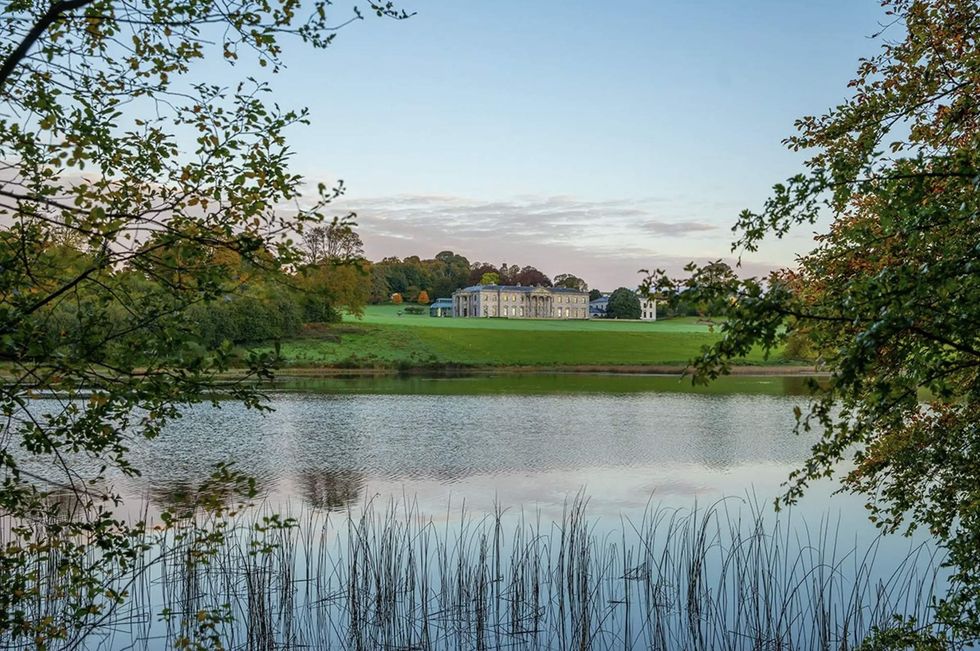
Ballyfin Demesne, the Irish country house hotel that continues to inspire O’Connell
Courtesy Ballyfin Demesne
Has anywhere you’ve traveled recently sparked the kind of creative inspiration you first found in France?
I'm enchanted by an Irish country house hotel called Ballyfin. The masterful renovation succeeds in giving you the feeling that you are at a house party in a beautiful manor house.
After spending so much of your life creating an escape for other people, what does your own perfect day off look like?
A great day off for me is exploring a nearby village, checking out the antique shops, having a soft serve ice cream, and maybe going home with some Chinese takeout food.
Is there a destination you still haven’t made it to that’s at the very top of your list?
I haven't yet been to Istanbul or Vietnam. I'd love to go to both places.
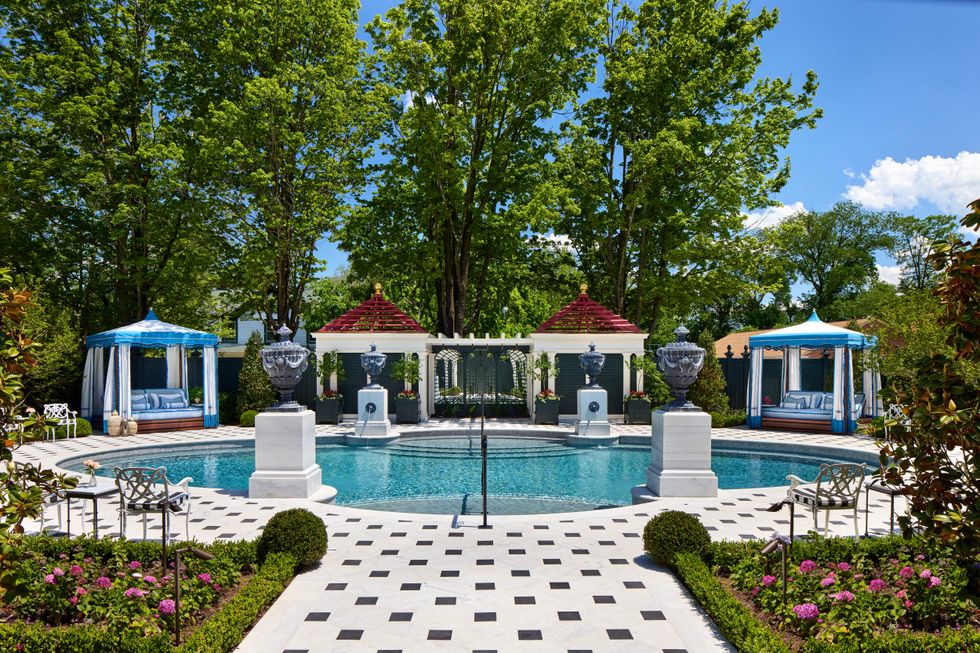
The Inn at Little Washington’s new pool, one of Chef Patrick O’Connell’s latest additions to the property
Courtesy The Inn at Little Washington
You’ve said the Inn feels like a painting where someone keeps expanding the canvas. After 48 years, what are you still dreaming up for the property, and what’s the newest addition you’re most excited for guests to experience?
Construction is underway as we speak for an exotic spa called "Bijoux Spa" immediately adjacent to the main building, along with a carriage house and an underground wine cellar.
Learn more about The Inn at Little Washington at theinnatlittlewashington.com.