
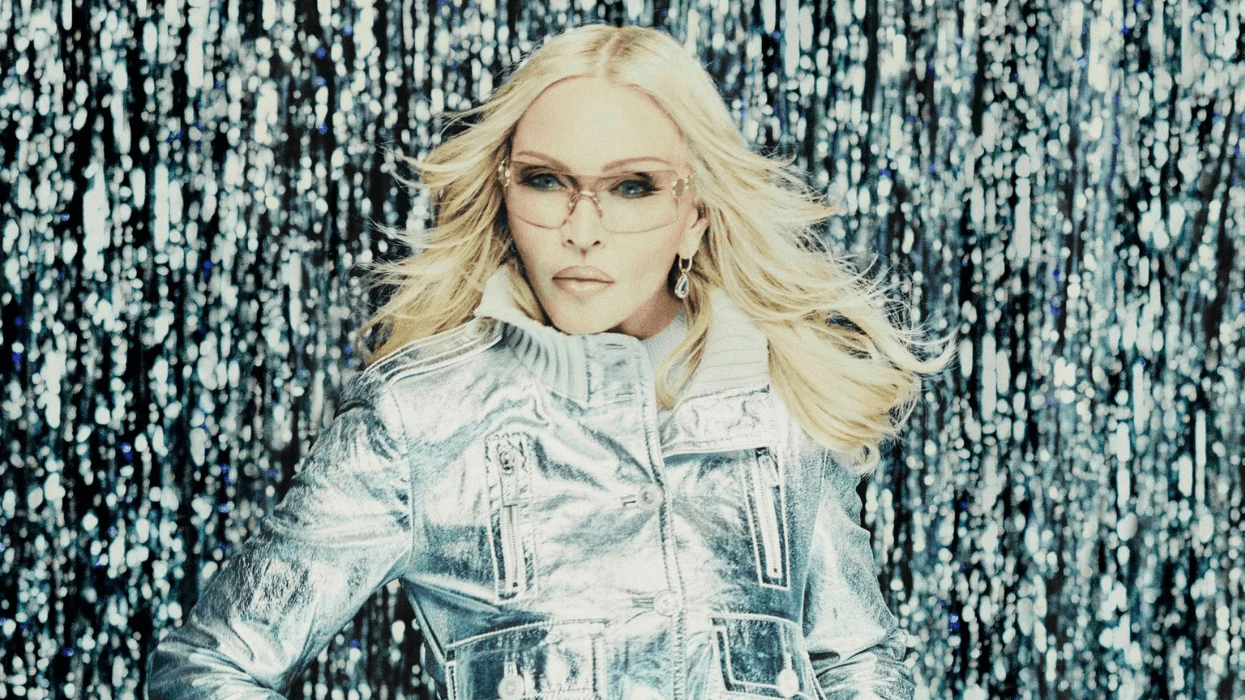

“Hello, children. Motha is here to save you.” Only Madonna could walk into The Abbey in 2026, premiere new music, yell, “Let’s go gays!” into a microphone, and somehow make it feel both campy and completely sincere. The title of “Mother” has followed Madonna for years now, evolving from ballroom culture into a designation reserved for icons who’ve truly earned it. Way before stan culture embraced this term, she personified it. She always took care of us.
For queer people especially, she’s spent years teaching us how to survive.
An ongoing theme throughout Madonna’s music has been love. Romantic love, forbidden love, spiritual love, love for music, love for your family, love for yourself. Even when she’s provocative, there’s intention behind it. A lesson. “Express Yourself” taught us we never had to settle. “Human Nature” told us to stop apologizing for who we are. “Vogue” showed queer kids, many of whom felt invisible everywhere else, that we could create our own world, our own pose, our own beauty. Madonna has never asked us to ignore the darkness. She’s taught us how to dance through it.
And for a lot of queer people, especially those without accepting parents or safe homes, that kind of guidance matters more than some people realize. Madonna became a mother figure not because she was perfect, but because she consistently showed up for us. During the AIDS crisis, when much of the world treated queer people like disposable headlines — or no headlines at all — Madonna used her platform loudly and without hesitation. She brought queer dancers, culture, sexuality, and grief directly into the mainstream at a time when doing so could genuinely damage a career. Instead, she doubled down.
That fearlessness is part of why generations of LGBTQ+ people continue to see themselves in her.
 Madonna performs in Japan during her 1990 Blond Ambition World Tour, debuting Jean Paul Gaultier’s iconic cone bra.Thierry Orban_Sygma/Getty Images
I was born in the late ’80s, so Madonna has always been a part of my life. My mom introduced me to her music when I was a kid, and she became the artist we bonded over most, and still do. We’ve gone to Madonna concerts together, danced around living rooms together, kept each other updated on every new era, performance, controversy, you name it. Music brings people together — a truth Madonna herself memorably reiterated during her Coachella appearance with Sabrina Carpenter earlier this year. It’s a simple idea, but one she’s returned to throughout her entire career, especially on 2005’s Confessions on a Dance Floor, an album that still feels like a love letter to queer nightlife and the freedom people find inside it.
Now, nearly two decades later, she’s revisiting that era, a favorite to many, with Confessions II, the long-awaited follow-up co-produced once again with Stuart Price. At the time of this writing, her album hasn’t yet been released — it’s out July 3 — but the songs she’s teased already carry that same pulse. That same feeling. That same invitation back onto the dance floor.
And honestly, maybe we need that right now. I know I do.
The last several years have felt unbearably heavy at times. Politically. Emotionally. Spiritually. It becomes easy to drown in all of it, to feel hopeless, angry, exhausted by the constant noise of the world. Madonna’s music has always understood those feelings without surrendering to them. Listening to “American Life” now feels almost eerie in places, especially when she raps, “I just realized that nothing is what it seems.” Twenty-three years later, the line somehow hits even harder.
But even in her most cynical moments, Madonna eventually finds her way back to freedom. Back to joy. Back to the dance floor.
That’s why songs like “I Feel So Free” already feel bigger than just another pop single. They feel like reminders. Not that the world suddenly isn’t messy or frightening, but that joy — especially queer joy — can still be an act of resistance. The gays have always understood that. Dance floors have never just been dance floors for us. They’ve been places to grieve, flirt, escape, sweat, connect, become ourselves. Madonna knew that way before corporations figured out how to monetize Pride.
And somehow, she’s still finding new audiences to mother.
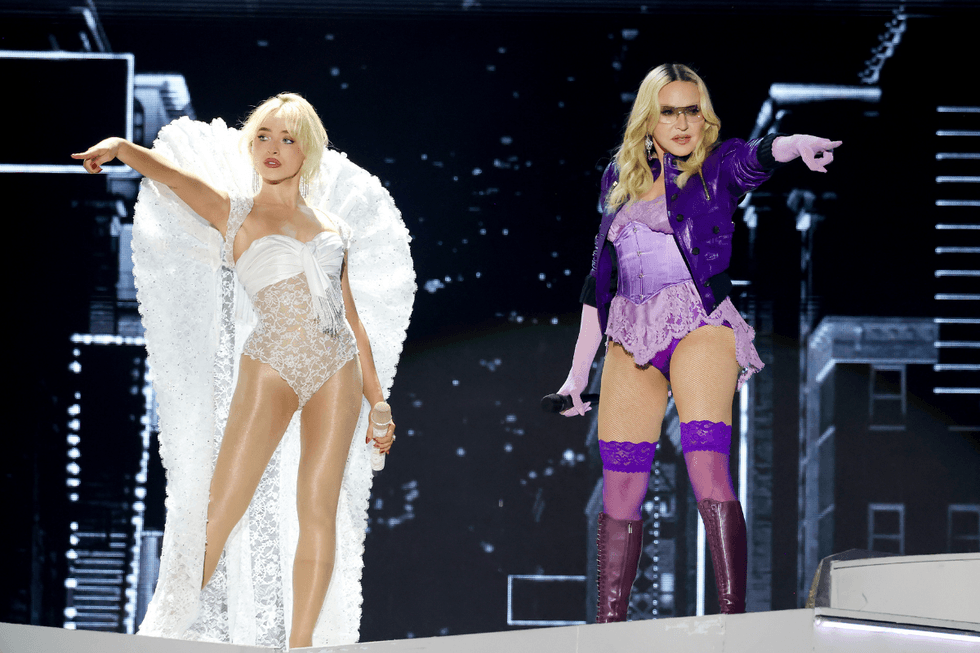 Madonna joins Sabrina Carpenter on stage at Coachella Kevin Mazur/Getty Images for Coachella
My partner is about a decade younger than me, so her introduction to Madonna looked very different from mine. A Tokischa collaboration, TikTok sounds, The Weeknd, Sabrina Carpenter. And yet the effect is strangely similar. There’s still this immediate understanding that Madonna represents freedom. Reinvention. Confidence. Curiosity. Even younger generations discovering her through social media quickly realize there’s a reason she’s called the Queen of Pop.
She’s never stopped evolving, but she’s never abandoned us either. That’s what makes Madonna different from artists who simply survive long enough to become legacy acts. She still feels engaged. Still curious. Still playful. Still rebellious. Still showing up in queer spaces and talking directly to us like family. Like children.
And maybe that’s why “mother” has stuck all these years.
Because beyond the cone bras, controversies, reinventions, and iconic pop star moments, Madonna has spent years giving queer people permission: permission to change, to take up space, to be sexual, to be complicated, to start over, to forgive ourselves, to keep going.
She’s still teaching us. She’s still mothering. And we’re lucky for that.
Jade Delgado is equalpride’s editorial operations manager and a lifetime Madonna fan. Listen to Confessions on the Dance Floor: Part II, starting July 3.
This article is part of OUT’s July-Aug 2026 print issue, on newsstands July 7. Support queer media and subscribe — or download the issue now through Apple News+, Zinio, Nook, or PressReader.
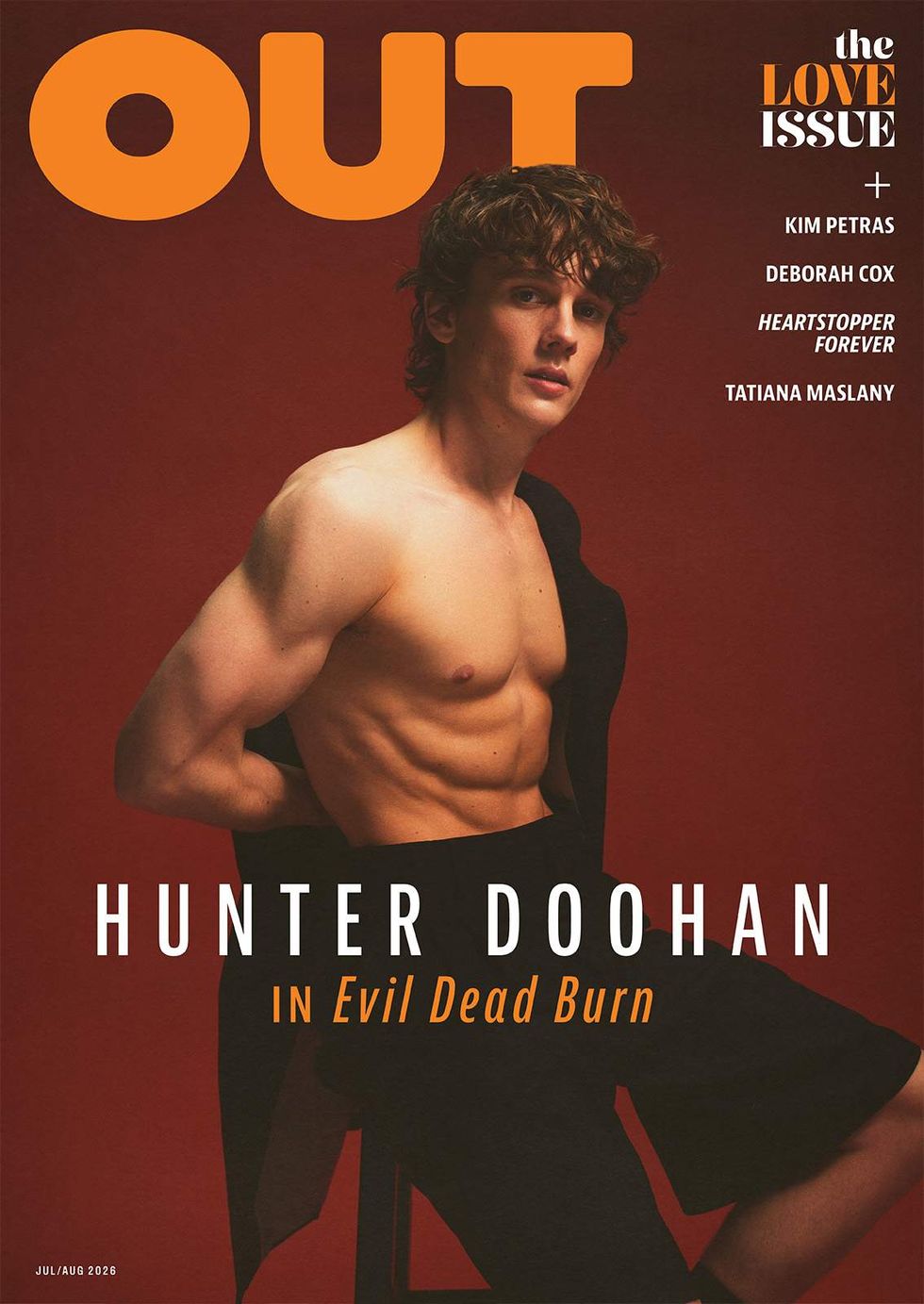 Hunter Doohan on the cover Out's July/August 2026 print issue www.out.com