
WeHo celebrated the 25th anniversary of the classic gay rom-com The Broken Hearts Club with a screening in West Hollywood Park.
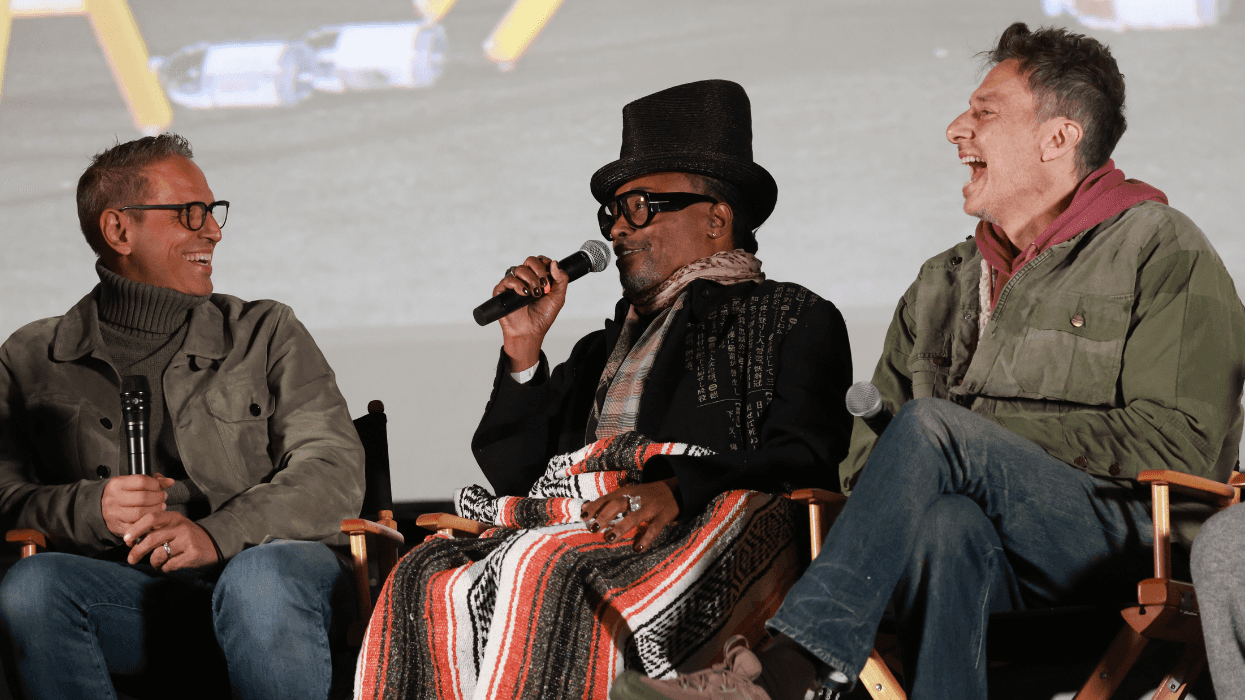
Stars Billy Porter and Zach Braff, alongside writer/director Greg Berlanti and producer Mickey Liddell, sat down for a panel just ahead of the screening of the beloved 2000 film.
That story follows a group of gay men in Los Angeles with interwoven romantic prospects and anxieties over turning 30. Porter plays the oh-so-dramatic Taylor, who’s struggling with a rough breakup, while Braff plays Benji, the naive, youngest member of the group with a love for gym bros.
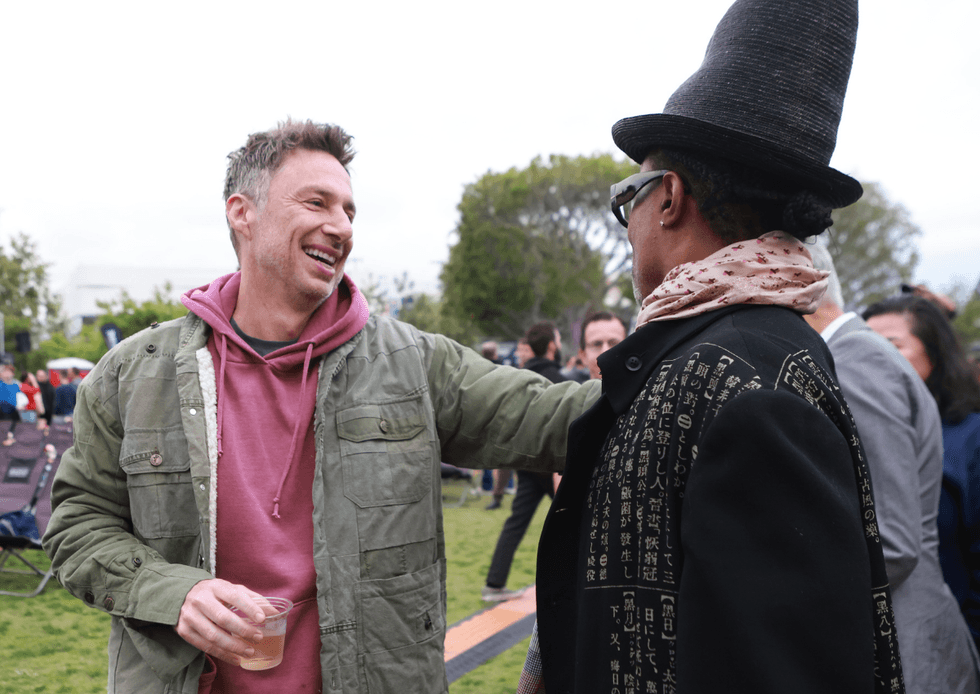 Zach Braff and Billy Porter reunite at The Broken Hearts Club 25th anniversary screening in West HollywoodEdwin Santiago
Additionally, Timothy Olyphant plays Dennis, a photographer desperately looking for love, and Dean Cain plays Cole, a known boyfriend-stealer whose looks let him glide through the WeHo dating scene. Matt McGrath plays Howie, a chronic overthinker riddled with anxiety, and Ben Weber plays Patrick, a cynic. The group of friends form the Broken Hearts Club, a local baseball team and best friends.
Porter and Braff had the chance to reflect on the film’s beginnings, legacy, and, of course, spill some tea at the screening on Saturday. When recalling his favorite moments on set, Porter recalls the breakup scene for his character, Taylor, where he screams for a song to comfort him but the selection of CDs fails him.
“No Streisand, no Bette, no Judy?” Taylor screeches in the film. “What the fuck's a fairy supposed to do around here in case of an emergency?”
Howie offers up a Celine Dion CD, to which Taylor responds: “In hell!”
Porter revealed that he really meant that line in the moment, as “I had just had one of my songs stolen by Celine Dion in real life. When I read that script, I was like, I’mma get this. I’mma feel this moment. That was real!”
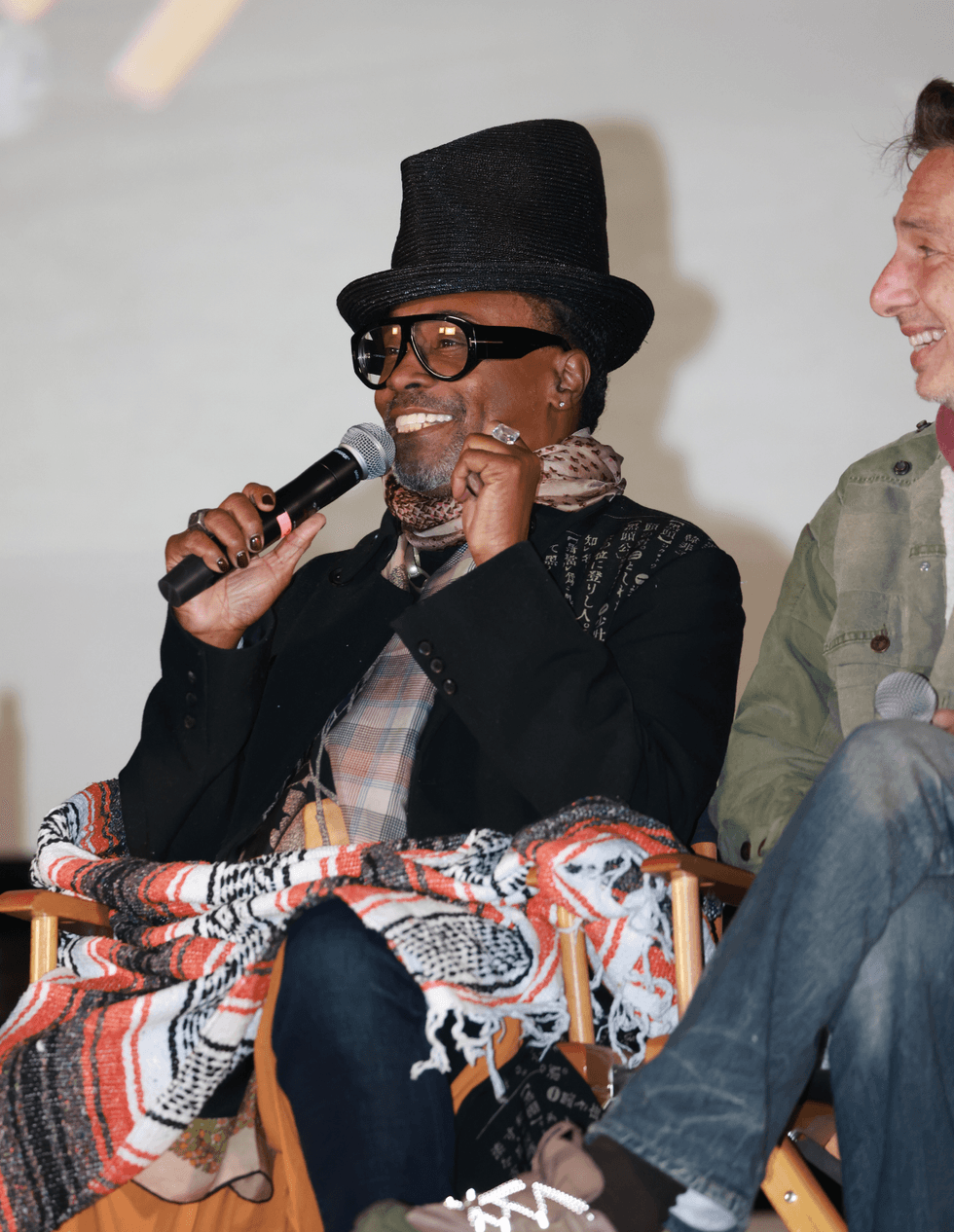 Billy Porter speaks during The Broken Hearts Club 25th anniversary panel in West HollywoodEdwin Santiago
At another moment in the film, Taylor has a confrontational scene with Cole, played by co-star Dean Cain, who today is an outspoken conservative.
“I got some choice words for that bitch now,” said Porter, to cackles from the crowd. “We ain’t going there. It’s a celebration!”
Braff, whose career took off shortly after the film’s premiere with the sitcom Scrubs, went on to reflect on the “risk” that straight actors faced in playing gay at the time.
“I didn’t have that fear,” said Braff. “I thought the script was absolutely brilliant. I was honored to play the part. It didn’t really cross my mind. Of course, I was aware of the zeitgeist and in the town of Hollywood, it was controversial at the time for straight men to play gay, but I was just so blown away by Greg’s script.”
Berlanti gave him his big break, he said. “This was my first big part.”
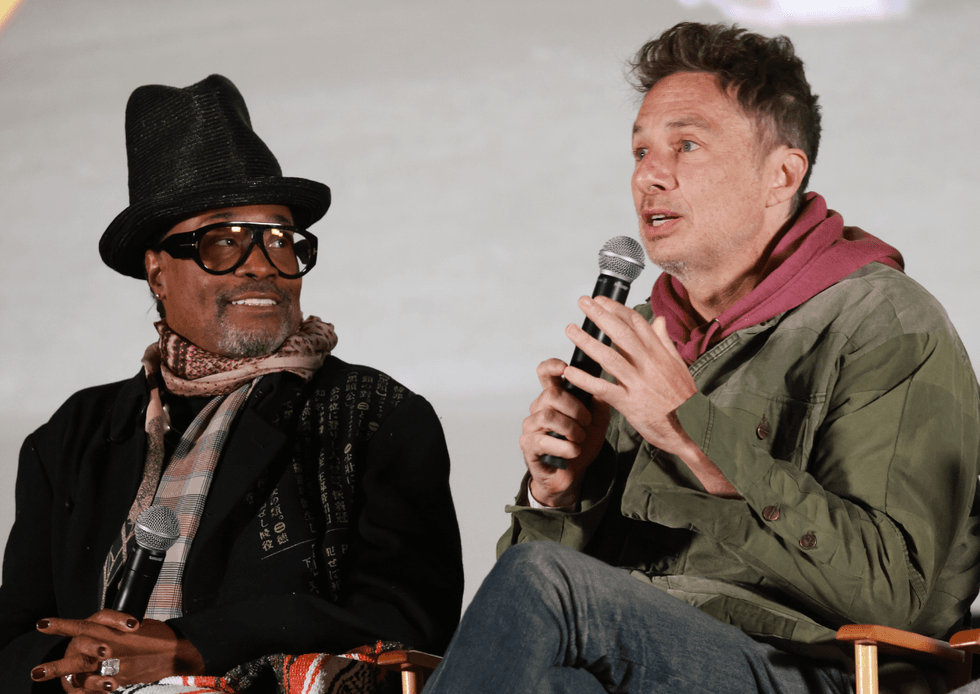 Billy Porter looks toward Zach Braff as Braff speaks into a microphone during The Broken Hearts Club anniversary panel in West HollywoodEdwin Santiago
The Love, Simon director is prodigious today, but this movie was a feat to put it together at the time, he recalled. But he knew it was special. “We shot it in 15 days, and I remember each day so vividly,” Berlanti reflected. “I knew when we were doing it that we were making something that felt like it would last.” The film was shot in September and was at Sundance by January.
Porter notably mentioned the importance of making this film for the LGBTQ+ community: “At the time, there wasn’t anything for queer people, let alone layer that with queer people of color.”
Organized by Street Food Cinema, the screening raised funds for Pride House LA/West Hollywood and Team OutAF, which supports LGBTQ+ athletes. Learn more at pridehouselaweho.org.
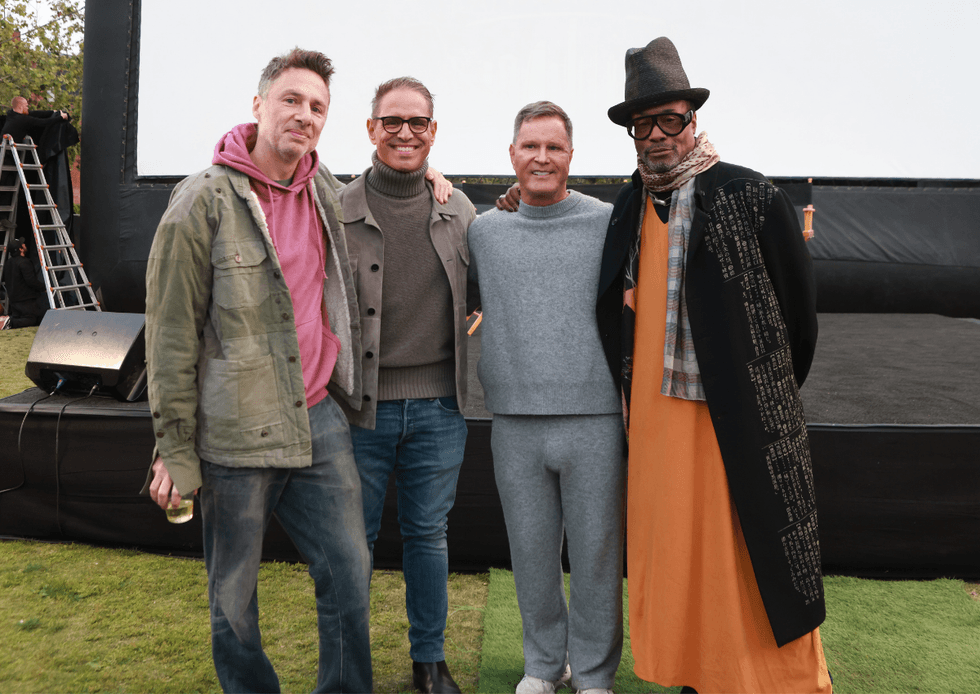 Zach Braff, Greg Berlanti, Mickey Liddell, and Billy Porter reunite at The Broken Hearts Club 25th anniversary screening in West HollywoodEdwin Santiago