
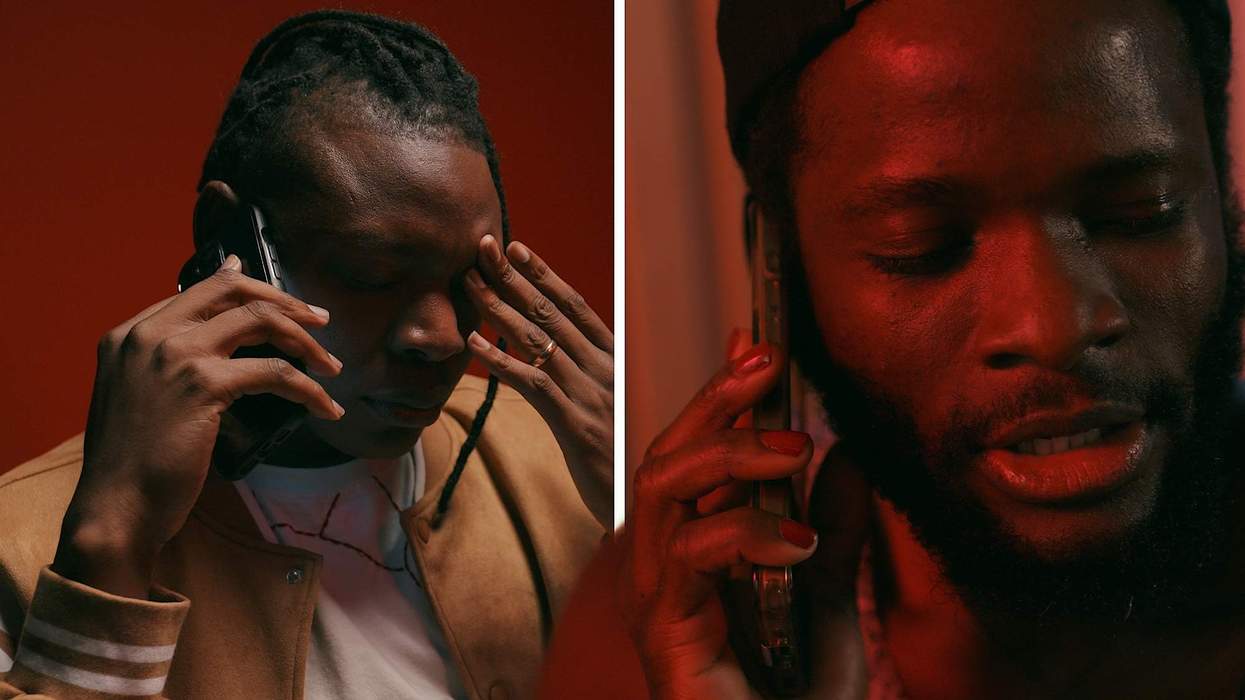
America has been here before. It knows what it looks like when HIV is ignored: gay men dying of AIDS while the government looked away, friends becoming caregivers, and people taking to the streets with ACT UP because silence was costing lives. That history should make today’s cuts to HIV services — and renewed attacks on queer lives — impossible to treat as anything other than a warning.
The progress since then is real. Treatment allows people living with HIV to live full lives, and we now have PrEP, U=U, and long-acting prevention options. But UNAIDS estimates that 40.8 million people were living with HIV in 2024; 1.3 million people acquired HIV that year, and 9.2 million people were not receiving treatment. HIV is not history.
That is the world into which Red Light Diaries arrives. It cannot solve a crisis created by political choices. But it refuses to look away, asking audiences to see people whose lives are too often reduced to a statistic, a warning, or a headline as people first.
I created the series because too many stories about Black and brown queer people — especially those of us living with or affected by HIV — still begin and end with tragedy. Stigma, criminalization, violence, migration, family rejection, and poverty are real. But we are not only the worst thing that has happened to us. We are funny, complicated, sexual, spiritual, ambitious, and deeply connected. Across borders, stigma tries to take the same things from us: safety, dignity, and an imagination of a future.
Red Light Diaries moves through Lagos, New York, Atlanta, London, Lyon, and Bangkok because no single city can hold the truth of queer life. I did not want to treat these places as interchangeable. What someone can say, afford, access, or risk in Lagos is not the same as in London or Bangkok. Laws, language, class, religion, and health systems shape every choice.
One of the stories in Red Light Diaries is about prevention, but it is really a story about access. Who can afford the products designed to keep them safe? Who has heard of PrEP or long-acting prevention in the first place? Who can ask a doctor without being judged, exposed, or turned away? And when getting care means money, time, travel, insurance, documents, or the risk of being seen, who gets to say prevention is simply a matter of choice?
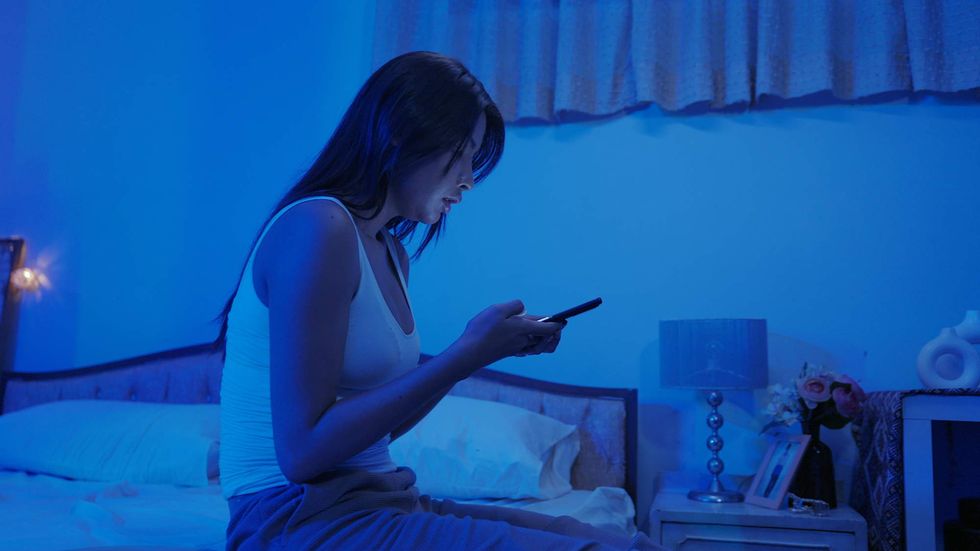 Pitchapa Tarapan as Sunee in Red Light Diaries.Courtesy
This is not just a global disparity. The CDC recorded 38,793 HIV diagnoses across the United States and its territories in 2024. Black people accounted for 39 percent of them, and their diagnosis rate was 42.2 per 100,000 — more than three times the national rate of 13.3. Those figures do not say Black people are more reckless. They tell us the same thing RLD does: Prevention and care are never separate from racism, poverty, geography, stigma, and who a health system sees as worthy of its attention.
The same story reaches into Lagos. UNAIDS reports that PrEP initiations in Nigeria fell from 40,000 to 6,000 people per month amid the funding disruption. If U.S.-supported HIV programs collapse entirely, UNAIDS estimates there could be 6 million additional HIV infections and 4 million additional AIDS-related deaths by 2029. These are not abstract numbers; they are the world RLD is asking audiences to see.
I hope Red Light Diaries lands as both a mirror and a reminder. I want a young Black queer person in any of these cities, and beyond, to recognize something of themselves, even when their life is different. I want people living with HIV to feel they do not have to be inspirational or tragic to deserve tenderness. I want families, allies, policymakers, and funders to understand that the work of ending HIV is not finished simply because some people stopped paying attention.
Queer survival has always been collective. Long before institutions showed up, communities found each other, shared information, raised money, and kept one another alive. Sex workers, trans people, migrants, people living with HIV, and others pushed to the margins have often extended care first when formal systems looked away. That history must be honored, not erased.
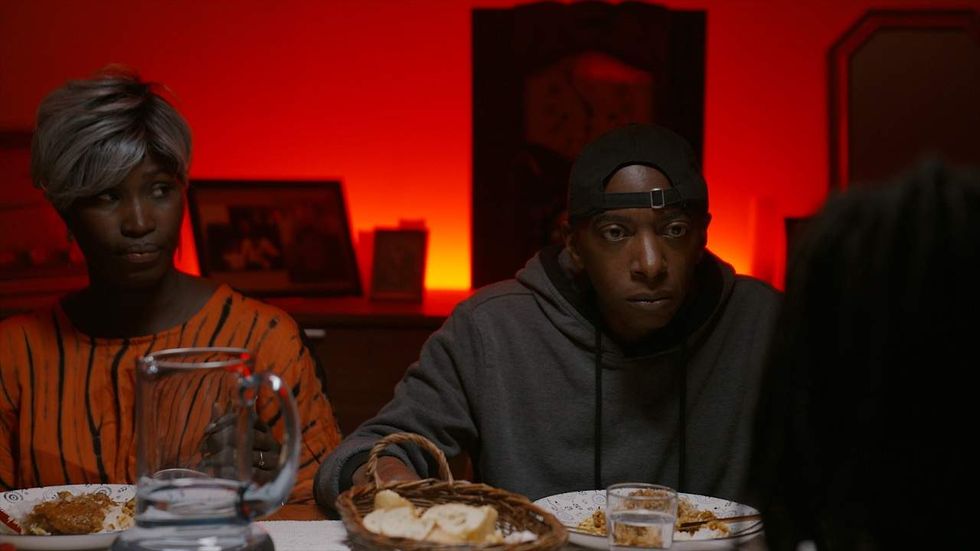 Jimmy Delourneaux as Maty in Red Light Diaries.Courtesy
I did not make this series to offer easy answers. I made it because our stories are often told by people who do not live with the consequences. Visibility without truth can feel empty. But storytelling can create a proximity that makes it harder to turn away, reduce people to statistics, or accept cruelty as inevitable.
My hope is that people leave Red Light Diaries feeling something real: recognition, discomfort, maybe more compassion. Above all, I hope they understand that our lives are not a problem to be managed. We are here. We have been here. And even in a world trying to make us smaller, we are still choosing to live, love, and imagine a future anyway.
Red Light Diaries: The Soundtrack is out August 14, ahead of the series’ premiere later this year.
Michael Ighodaro is a filmmaker and human rights advocate who spent nine years at AVAC working in global HIV prevention advocacy and now leads Global Black Gay Men Connect.
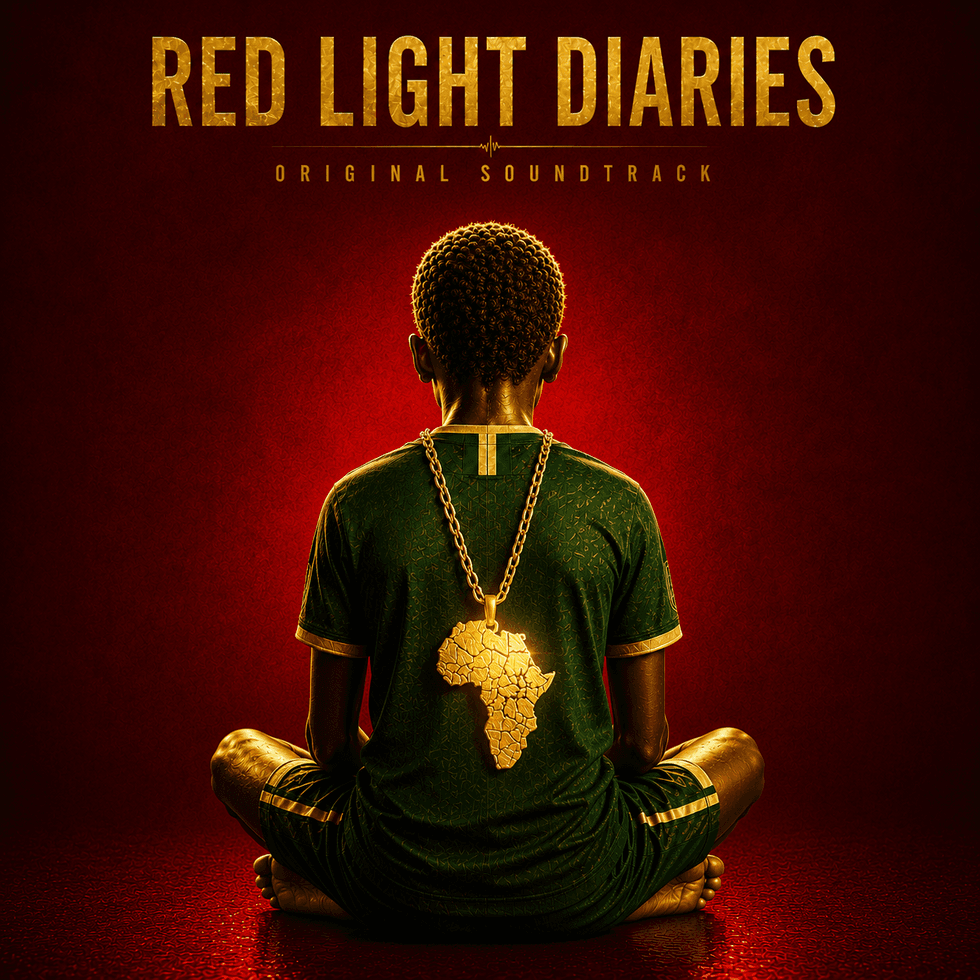 Red Light Diaries: The Soundtrack album coverMastered by Jack Kennedy. Additional production by 1OMG Studios
Opinion is dedicated to featuring a wide range of inspiring personal stories and impactful opinions from the LGBTQ+ community and its allies. Visit Out.com/submit to learn more about submission guidelines. We welcome your thoughts and feedback on any of our stories. Email us at voices@equalpride.com. Views expressed in Opinion stories are those of the guest writers, columnists, and editors, and do not directly represent the views of Out or our parent company, equalpride.