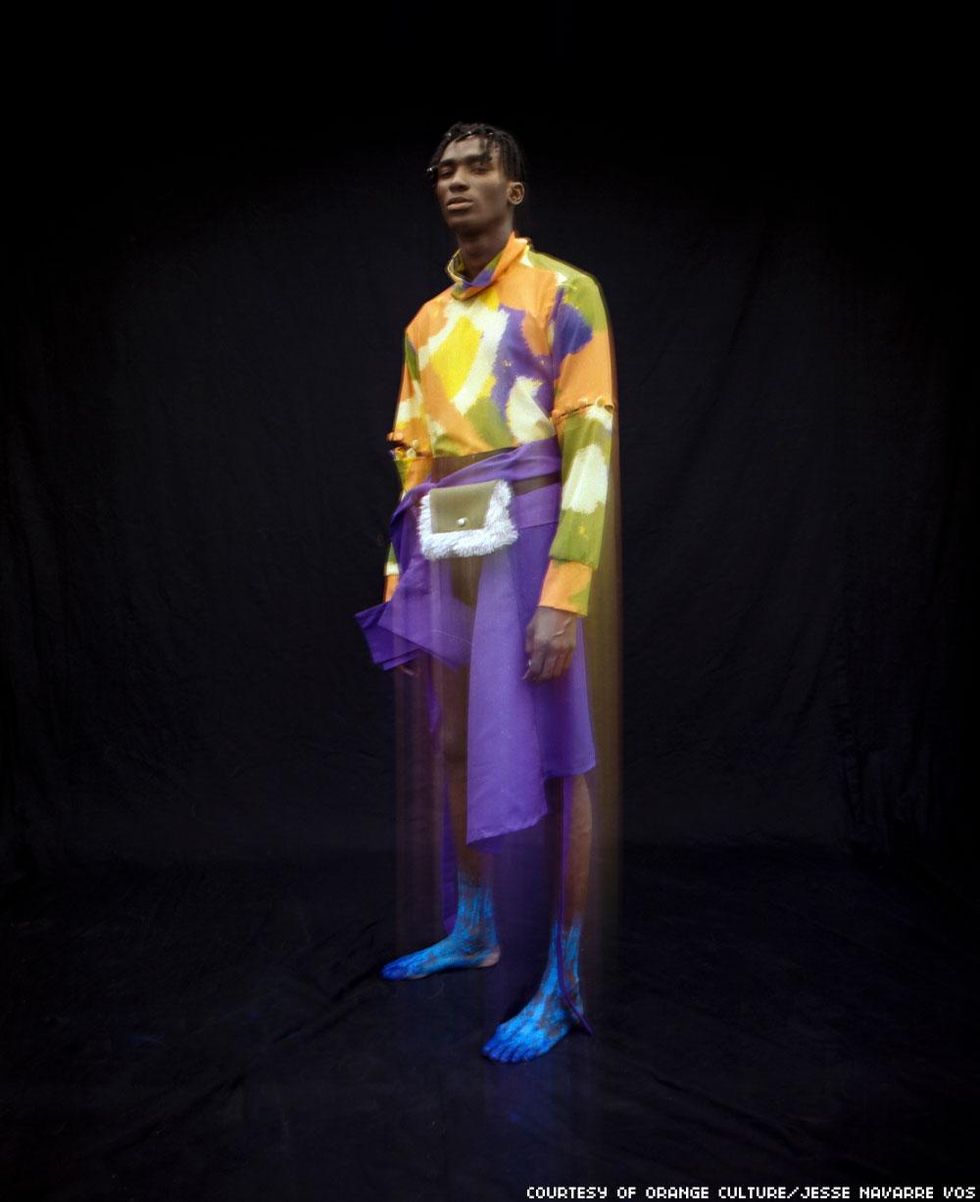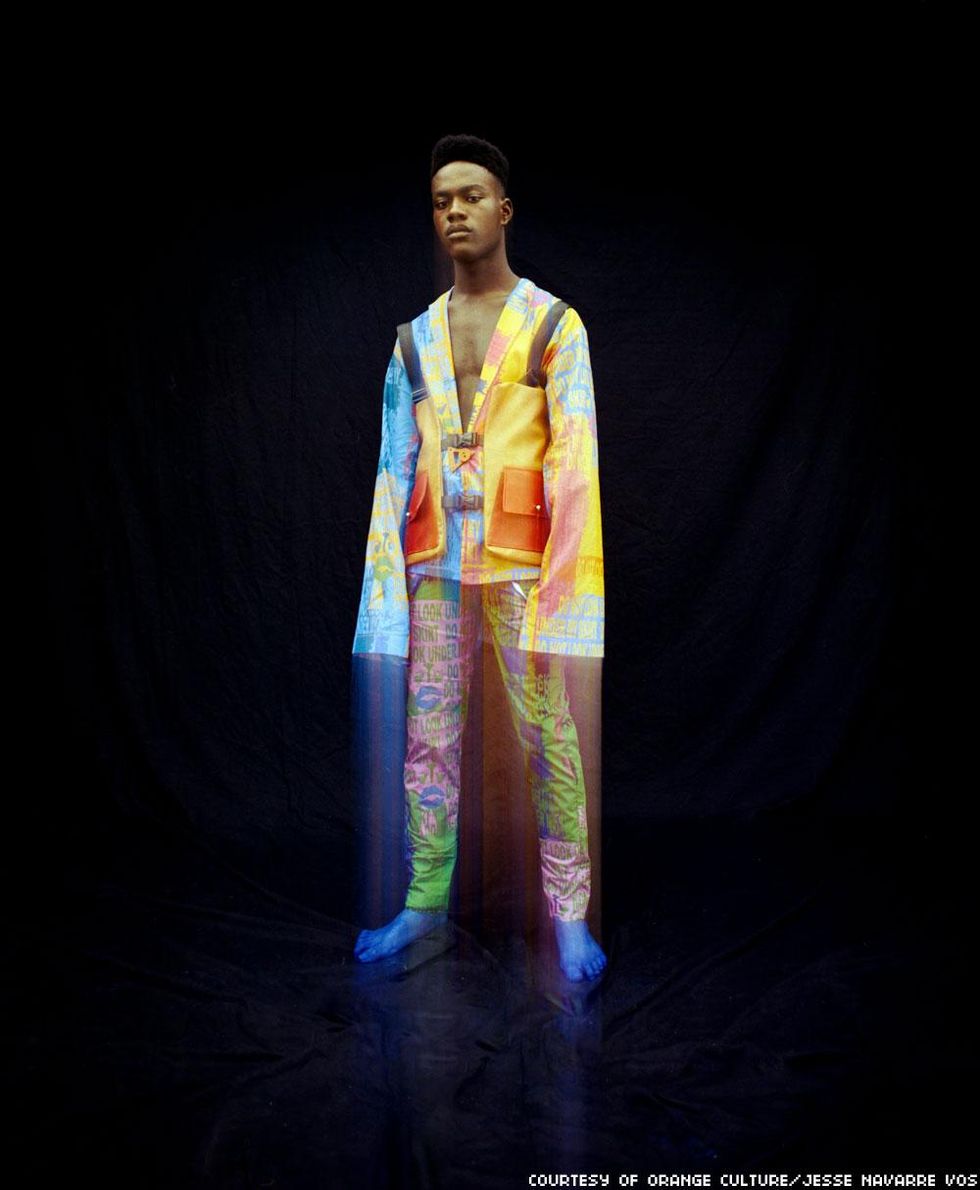


Move over, Paris, and watch out, Milan. The world has taken notice of Lagos, Nigeria, as a serious force in fashion, and it's easy to see why. The city is home to a slew of innovative designers who pride themselves on blending modern and traditional elements to create fashion-forward masterpieces. In recent years, Beyonce, Solange, and Kerry Washington have all been spotted wearing Lagosian brand Maki Oh, and just last spring, Naomi Campbell walked for Tiffany Amber at Lagos' Arise Fashion Week.
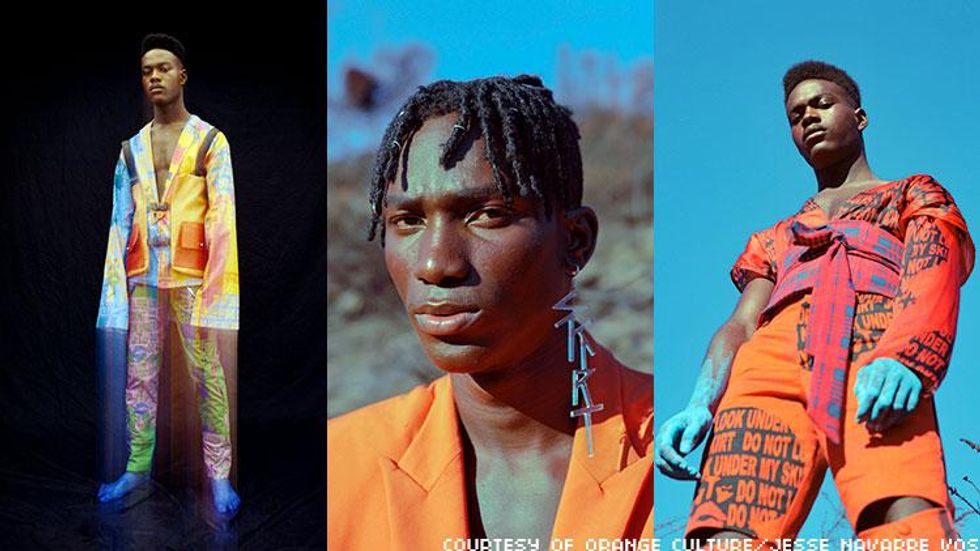
The global interest in Lagos excites designer Adebayo Oke-Lawal, the creator of Orange Culture, an androgynous menswear brand.
"For many years, we've had people speak on our behalf and try to force us into boxes as 'African designers,'" he says. "Finally, we get to express our culture, background, and creative work through our designs to the global audience."
In a nation where gender fluidity remains a newer concept, Oke-Lawal has had his work cut out for him. He recalls that when he started Orange Culture in 2011, he "had to educate and infiltrate consistently" before the brand established a consumer base. Despite the obstacles, Orange Culture has grown and is currently stocked in London, New York, Los Angeles, Kenya, and, of course, Lagos.
Oke-Lawal says he wants his clothes to make people feel "vulnerable, emotional, expressive, confident, loved, and accepted."
Isn't that what fashion's all about?
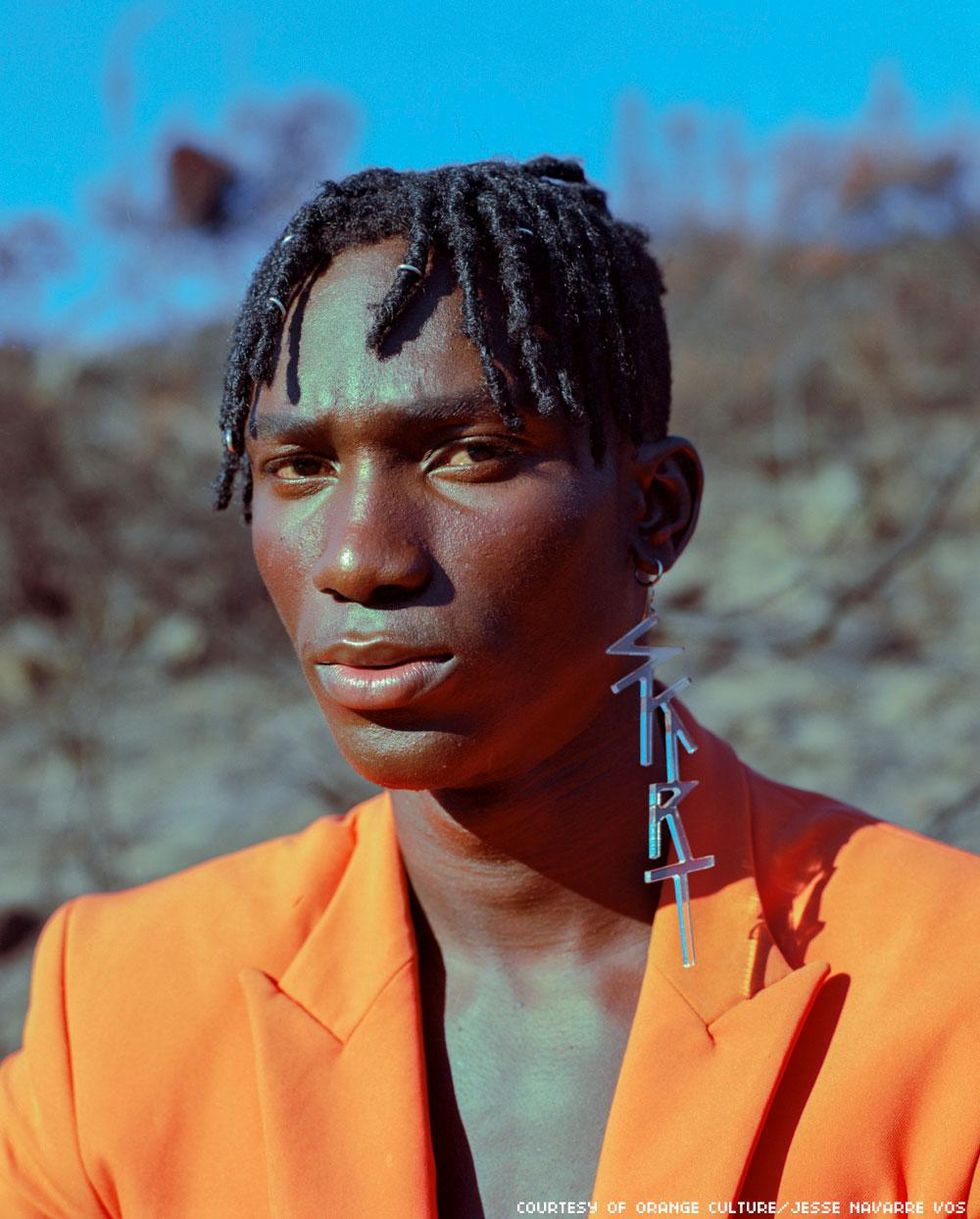
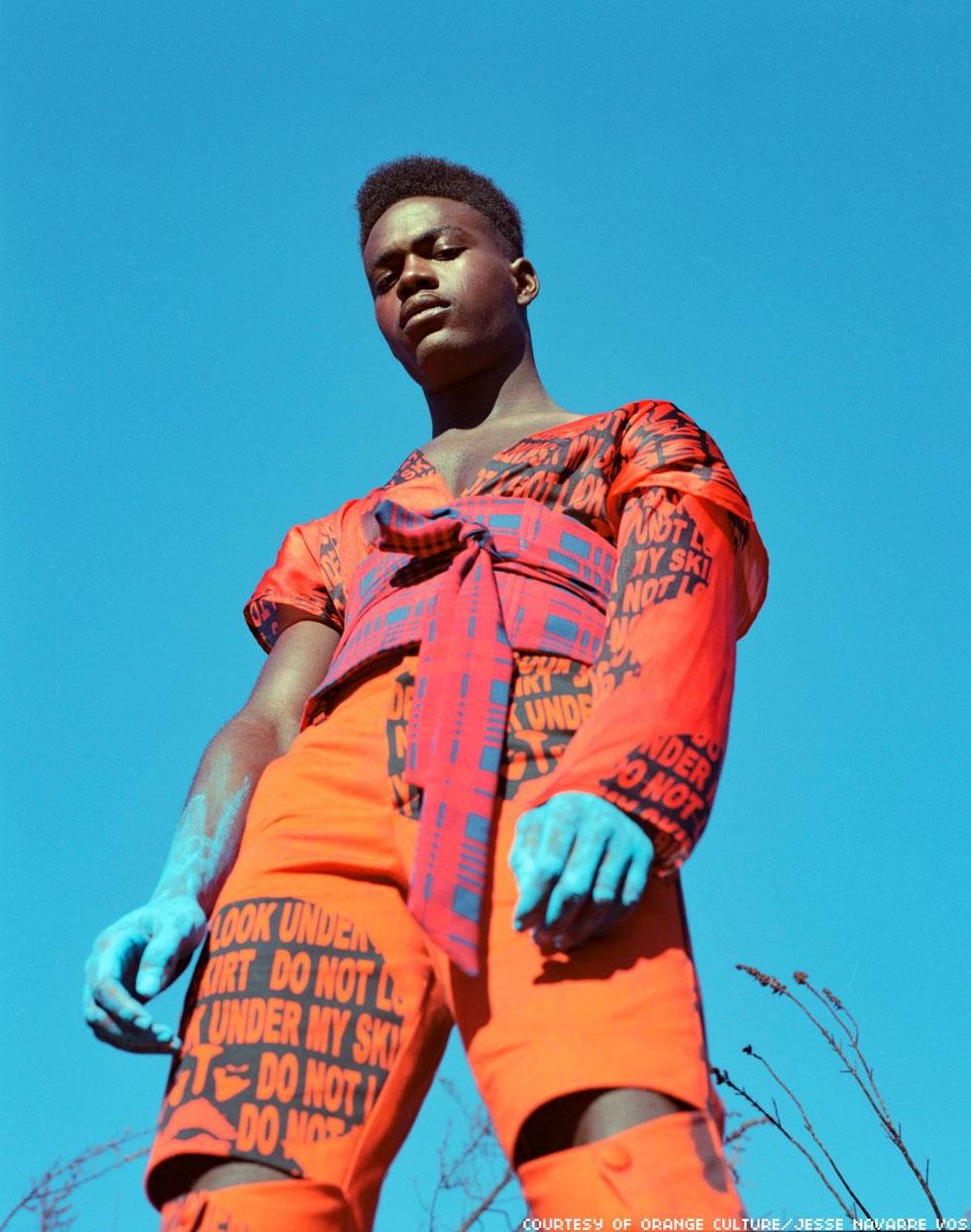
"For many years, we've had people speak on our behalf and try to force us into boxes as 'African designers.' Finally, we get to express our culture, background, and creative work through our designs to the global audience."-- Adebayo Oke-Lawal, creator of Orange Culture's androgynous menswear.
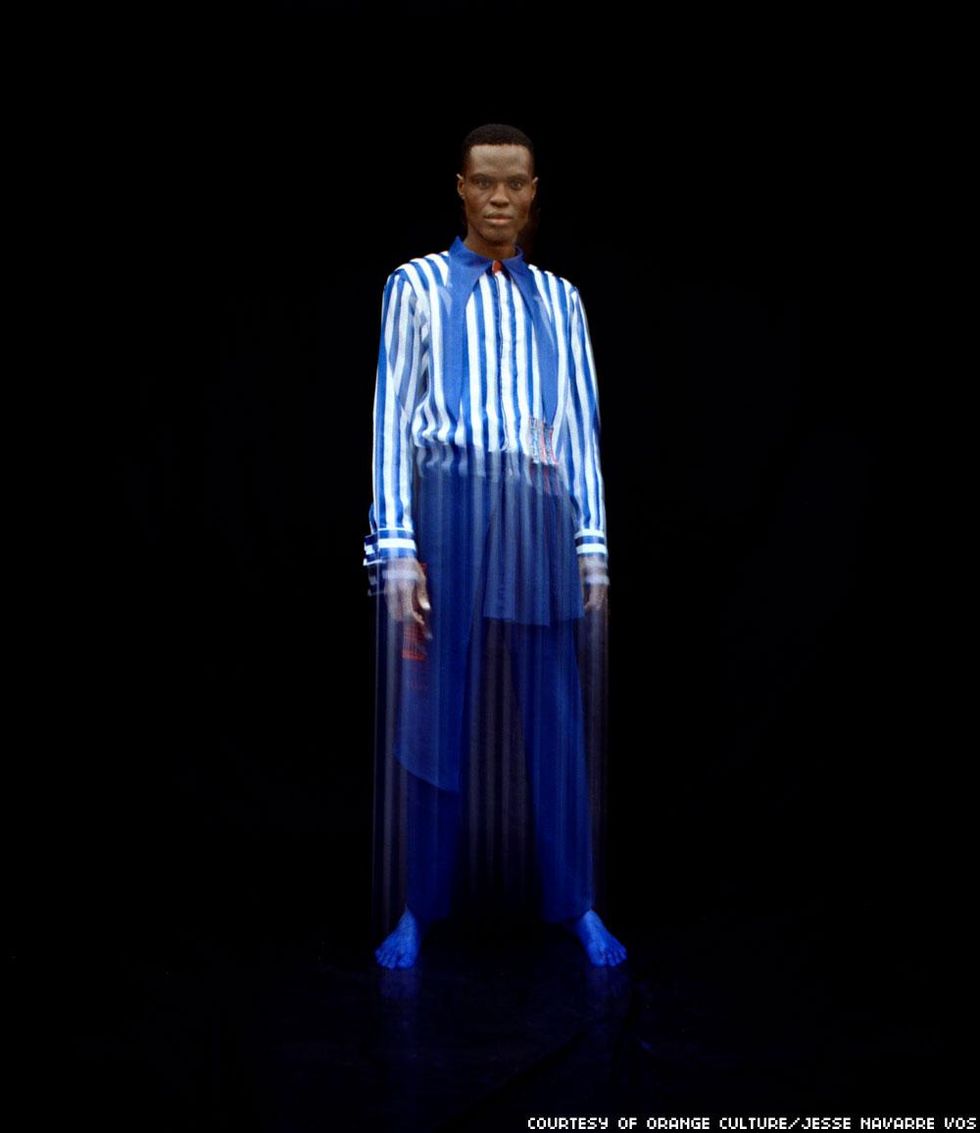
Oke-Lawal wants his clothes to make people feel "vulnerable, emotional, expressive, confident, loved, and accepted."