


This story originally appeared on The Advocate.
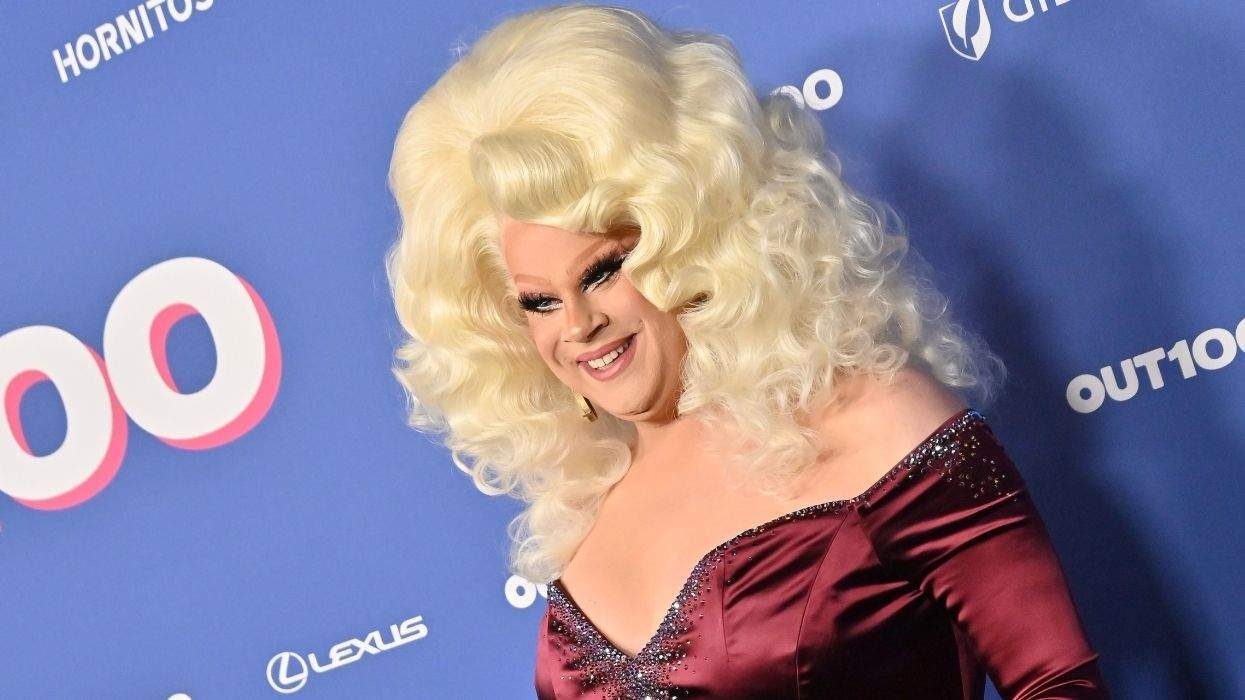
For most of her career, Nina West watched drag move steadily toward the center of American culture.
The Columbus entertainer spent decades helping build Ohio's drag community, long before a run on RuPaul's Drag Race turned her into one of the state's most recognizable LGBTQ+ figures. Drag brunches became commonplace. Television audiences numbered in the millions. Performers raised money for charities, packed theaters, and became fixtures of civic life.
Now West finds herself defending the legitimacy of drag itself.
"It's really incredibly dehumanizing," West told The Advocate. "To hear these people talk about and try to legislate and put parameters on the thing that I do for a living."
The fight centers on House Bill 249, the "Indecent Exposure Modernization Act," which passed the Ohio House in March and now awaits consideration in the Senate, where it has stalled. Supporters say the legislation strengthens existing indecency laws and protects children from sexually explicit performances. Critics argue it goes much further, creating broad restrictions that could affect drag performers, venues, and transgender Ohioans.
The concern extends beyond drag performers themselves. Opponents of the legislation argue that by tying "adult cabaret" restrictions to expressions of gender identity, the bill risks creating confusion about who can safely exist in public spaces. Several performers who spoke with The Advocate worried that transgender and gender-nonconforming Ohioans could face increased scrutiny, harassment, or accusations simply for how they dress, present themselves, or move through everyday life.
"The people who this bill would directly affect are scared," West said.
Across Ohio, other performers told The Advocate much the same thing.
For Carmen Berry, a Black transgender woman, drag artist, and Equality Ohio staff member, the fear starts before she even leaves home.
"I have to wake up and give myself the full protection of armor every time I walk out of the house," Berry said.
For Anisa Love, the reigning Miss Gay Ohio, the legislation has created what she described as a climate of anxiety among performers and transgender residents.
"The feeling across the state is one of fear," Love said.
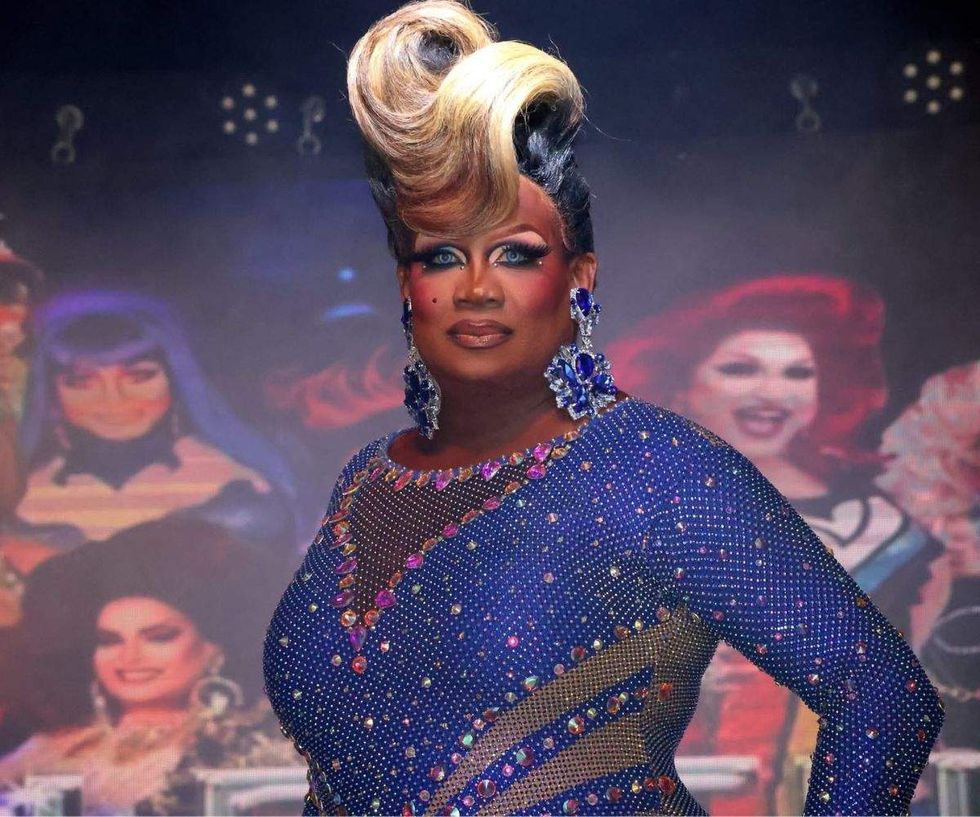 Anisa LoveBrian Larrick
For Virginia West, a Columbus drag veteran who has spent nearly three decades building one of Ohio's most influential drag families, the bill feels familiar.
"I think it's a cover-up," Virginia West said. "I think they're really trying to just attack trans people."
Related: Constituents showed up to testify against an anti-drag bill. Ohio Republicans mocked them
The Ohio that drag built
What frustrates Virginia West most is the disconnect between political rhetoric and the reality she has lived in for decades.
The drag community she describes looks very different from the caricatures that dominate legislative debate. Her drag family includes straight allies, transgender performers, and artists of color. The collective's productions sell out theaters and have become a staple of Columbus nightlife.
Love has spent years using drag as a vehicle for community organizing and advocacy. This year, as Miss Gay Ohio, she has traveled throughout the state meeting performers and LGBTQ+ residents who increasingly worry about what comes next.
Berry works professionally in LGBTQ+ advocacy while balancing life as a performer. She said discussions surrounding HB 249 often erase the humanity of the people most affected.
"We're educators, we're doctors, we're lawyers, we're advocates, we're writers, we're creatives," Berry said. "We are humans just like you are humans."
Even the assumptions lawmakers make about drag itself often collapse under closer examination.
Bryanna Nagy, who performs as Lady B. Davenport, is a cisgender woman — a fact that complicates one of the central premises underlying many anti-drag proposals. Critics of drag frequently describe it as men dressing as women, but performers say the art form has always been far more encompassing than that.
"I think that's the biggest misconception of drag in general," Nagy said. "It's not just one thing."
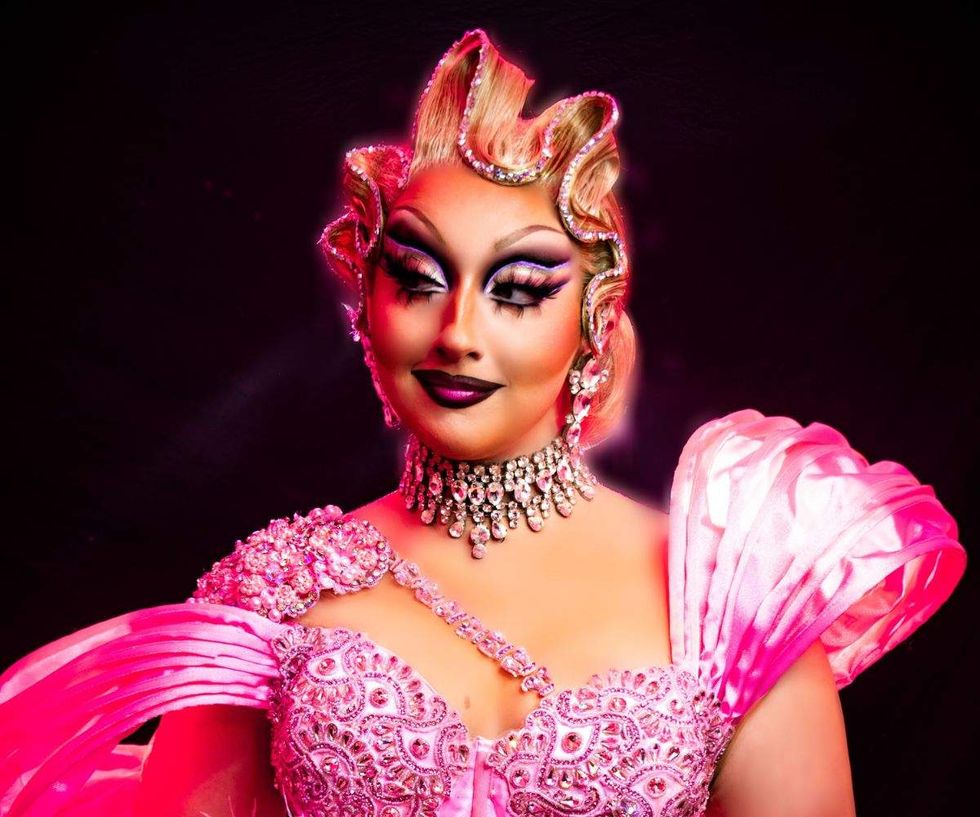 Lady B. DavenportCourtesy Lady B. Davenport
Nagy discovered drag as a fan of RuPaul's Drag Race and performer Kennedy Davenport before realizing there was a place for people like herself in the art form. Watching a pageant that included a division for performers assigned female at birth challenged her assumptions about what drag could be and who could participate.
For Nagy, that diversity is precisely what lawmakers and critics often fail to understand. Drag includes cisgender women, transgender performers, nonbinary artists, drag kings, drag queens, comedians, dancers, and entertainers whose performances may have little to do with gender impersonation at all.
"It's not just a man transforming into a woman," she said.
Instead, Nagy describes drag as a form of creative expression — an exaggerated, theatrical version of one's personality. She traces her own understanding of drag back to childhood pop culture, pointing to characters like Hannah Montana as examples of performance, transformation, and heightened identity.
"That's what drag really is at the base of it," she said. "It's just a bigger version of yourself."
Related: For 26 years, an Ohio drag queen has hosted a local TV show. A proposed drag ban could end it
From acceptance to backlash
The timing around a drag ban feels especially jarring to performers who watched drag become mainstream.
Nina West remembers touring internationally after Drag Race and realizing how dramatically perceptions of drag had changed. What was once considered niche entertainment had become a cultural phenomenon.
Virginia West saw the same transformation closer to home. At District West, the Columbus venue she helped open, audiences regularly extend far beyond the LGBTQ+ community — straight couples, bachelorette parties, tourists, and families have all become part of the crowd.
That popularity makes the current backlash difficult for many performers to understand. "I don't think people think that drag queens are groomers," Virginia West said. "I think there's a very small loud group of people right now."
Yet the backlash has become impossible to ignore. Love recalled testifying against HB 249 before lawmakers and watching opponents of the legislation face what she viewed as hostility and ridicule. She said passage of the bill "would give too much precedent to start attacking our trans siblings."
Berry worries about what happens when legislation and rhetoric combine. "It is hurtful to wake up and hear that you're a disgusting pedophile," she said.
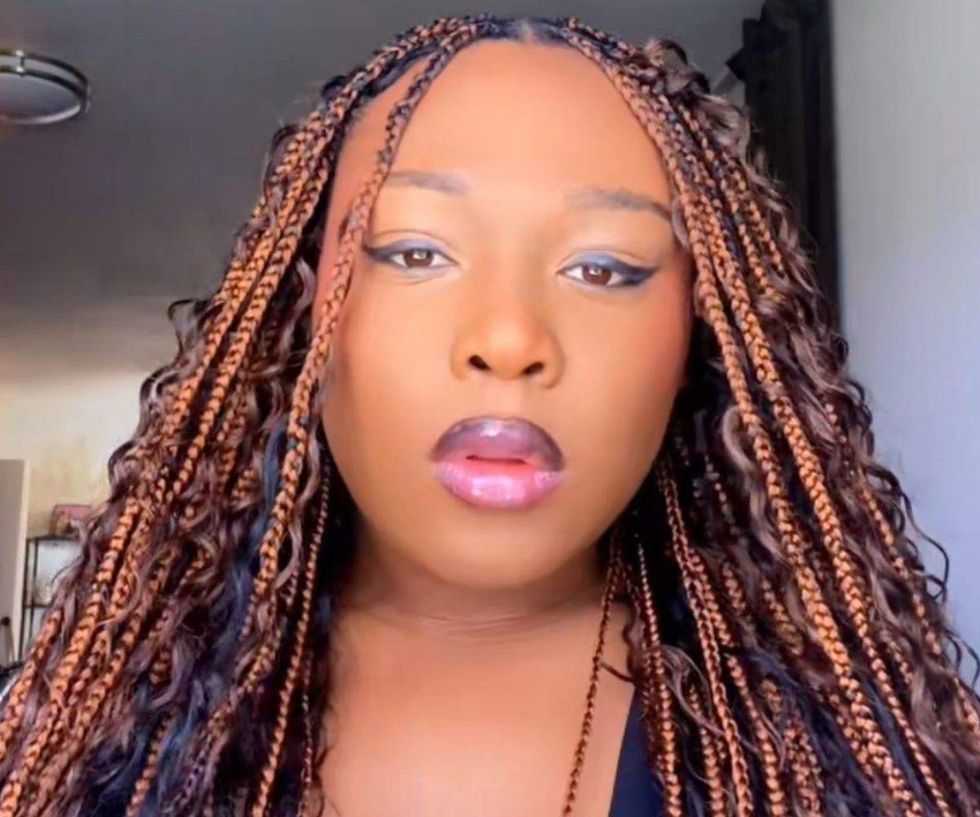 Carmen BerryCourtesty Carmen Berry
And Nina West increasingly finds herself speaking not just about drag but about transgender rights. "I think one of the messaging points that are really important for me as a cis gay male," she said, "is to go out and to stand on these front lines."
Weighing what's at stake
During debate over HB 249, one Ohio lawmaker suggested that people unhappy with the state's direction could simply leave. The remark struck a nerve.
For some performers, it crystallized something they had already been wrestling with privately. Berry said that if the bill clears the Senate and is signed into law, she would have to seriously consider leaving the state for her own safety — a decision she described as one of the hardest she could imagine, given the life, career, and community she has built in Ohio.
For Love, the prospect of the bill becoming law would mean major changes to her work as Miss Gay Ohio, particularly the rural events she has built specifically to reach LGBTQ+ Ohioans outside the state's larger cities. But she said she has no plans to leave, calling Ohio home.
Virginia West said that if the bill passes, she intends to keep performing in drag in public, even at the risk of arrest, viewing litigation as one of the few tools left to challenge the law.
Nina West, for her part, has chosen to stay and fight. "I still live in Ohio because I love this place," she said. "I don't have to live here, but I still live here because I love this place."