


This story originally appeared on The Advocate.
Democrats in races large and small handed Republicans a historic defeat Tuesday, taking control of Congress and winning offices in states long considered beyond their reach. For LGBTQ+ Americans, the election brought breakthroughs in representation and a decisive repudiation of the policies of President Donald Trump. For transgender people, it also brought the hard reality that voters could reject Republican candidates while approving restrictions on their lives.
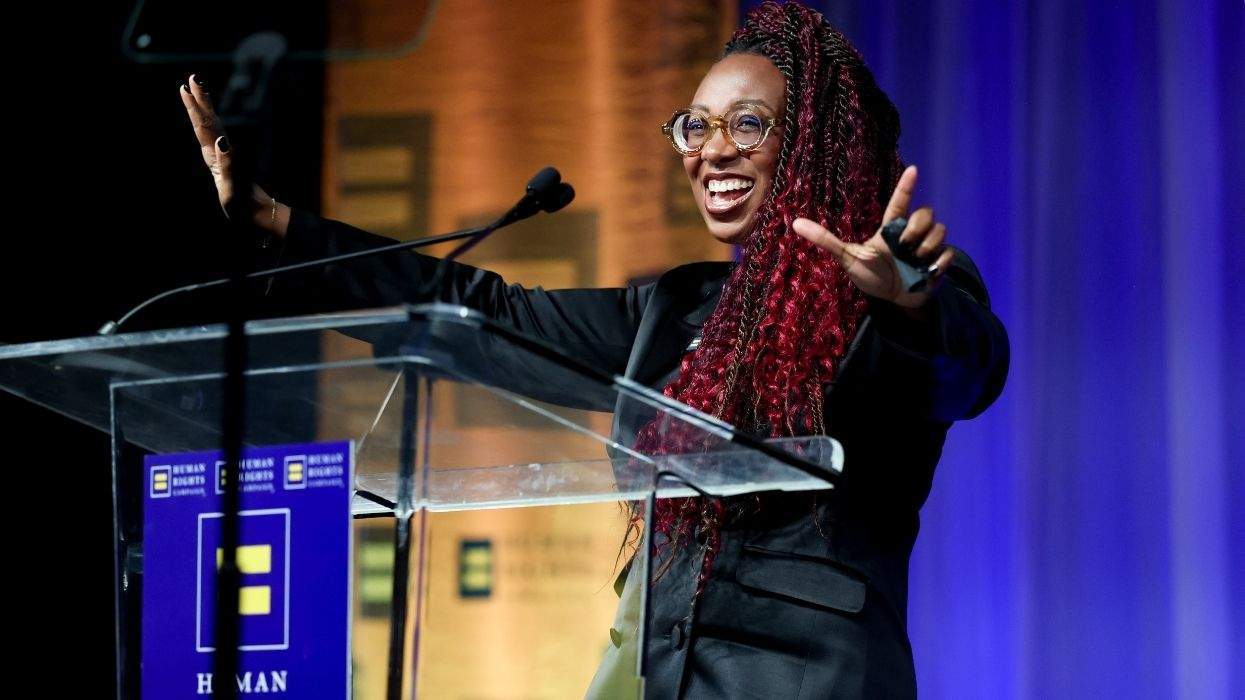
Human Rights Campaign President Kelley Robinson sees both outcomes as instructions for what comes next.
In an exclusive interview with The Advocate on Wednesday, Robinson celebrated the Democratic victories while demanding that the incoming majority protect LGBTQ+ people — including those whom some winning Democrats had treated as political liabilities.
“The campaign is over, and now it’s time to govern,” Robinson said. “And, if they don’t show up, we’ve got four million members who are going to tell them exactly what they think about that.”
The scale of the Republican defeat was extraordinary. Democrats captured both chambers of Congress and flipped Senate seats in Texas, Iowa, Ohio, North Carolina, South Carolina, Kansas and Maine. In Indiana, longshot candidate JD Ford won his election against Republican incumbent Rep. Victoria Spartz, sending the first out gay man from the state that elected Mike Pence to Congress.
Related: Democrats flipped Republican seats. LGBTQ+ candidates helped deliver the decisive blow
Kansas elected its first Democratic senator since 1932. In Texas, Gina Hinojosa and James Talarico broke through decades of Republican dominance to win the governorship and a Senate seat.
Republicans’ expensive campaign against transgender people had not protected them from voters’ anger.
Asked what voters were telling Republicans who ran those attacks, Robinson said, “They were saying no. They see through the charade.”
She added, “I also think Donald Trump has been saying to every voter that he was on the ballot this year. I think voters took that seriously too and repudiated Donald Trump outright.”
Yet transgender Americans had reasons to celebrate more cautiously.
Arizona voters approved restrictions on transgender students’ sports participation and access to facilities. Nebraska voters embedded sports restrictions in their constitution.
But Missouri voters defeated an amendment pairing an abortion-rights rollback with constitutional restrictions on transgender minors’ health care. That result kept the restrictions out of the constitution, although existing statutory restrictions remain. Virginia approved marriage equality protections, and Vermont approved constitutional equal protection language expressly covering sexual orientation, gender identity and gender expression.
The unfinished work, Robinson said, involves helping Americans understand transgender people as their neighbors, friends, teachers and classmates — and creating room for conversations that can change both attitudes and laws.
That work will also be necessary within the victorious Democratic Party.
South Carolina’s senator-elect, Annie Andrews, released an October advertisement saying, “I don’t support biological men playing women’s sports.” LGBTQ+ organizations condemned the language as stigmatizing transgender women and girls. Andrews also opposed gender-affirming surgeries for minors. Trump continued attacking the cisgender pediatrician with an anti-trans slur.
Ohio’s Amy Acton said she opposed transgender girls’ participation in girls’ sports and would enforce the state’s restrictions as governor. Rep. Marcy Kaptur advertised her vote for legislation targeting discussion of gender identity in schools. Both faced backlash from LGBTQ+ advocates. In Texas, Talarico supported restricting gender-affirming surgeries for minors even as Republicans attacked his broader record.
Related: Rainbow Wave 2026: See all the LGBTQ+ midterm election winners
Robinson said HRC would mobilize constituents, particularly in South Carolina and Iowa, and press elected officials directly in Washington.
“They’re accountable to their constituents,” she said.
Her demand follows months of warnings against treating transgender people as expendable. At an October roundtable, Robinson outlined HRC’s $15 million midterm investment and explained why it backed Sherrod Brown’s Senate campaign while withholding support from Acton and Kaptur at the time.
Now she wants governing commitments.
“I think over the last couple of years we’ve seen how fragile our rights are in this country and we’ve got to protect them,” Robinson said.
She called for restoring funding for HIV prevention and medication, housing, and Medicaid. HRC will prioritize the Equality Act, which would establish explicit federal nondiscrimination protections across areas including employment, housing, education, credit and public accommodations. She also expects the Senate to reject anti-LGBTQ+ judicial nominees.
LGBTQ+ lawmakers will have prominent roles in that fight. Rep. Robert Garcia, reelected and positioned to chair the House Oversight Committee, posted a two-word warning Tuesday: “Lawyer up.” Robinson identified him as an important partner in holding the administration accountable.
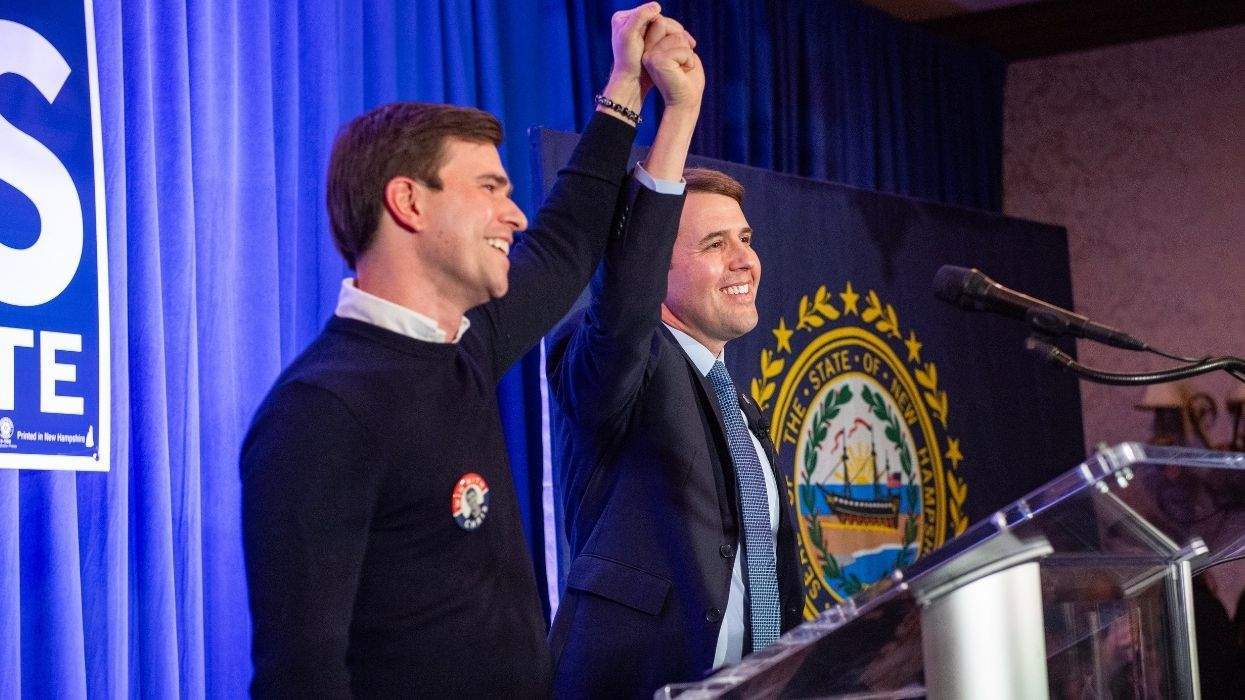
New Hampshire elected Chris Pappas as the first out gay man to win a Senate seat. Delaware returned Sarah McBride, Congress’ first out transgender member, for a second term. Georgia elected Bentley Hudgins, its first out transgender and nonbinary state lawmaker.
“We are not a demographic side note,” Robinson said. “We are a force, and we deserve to be represented in the highest offices in this country.”
For transgender Americans, the test of that power will come after the celebration. Robinson wants LGBTQ+ people to recognize the victory without mistaking it for completion.
“We got to remember what that felt like yesterday and produce it day after day after day after day until full equality is won,” Robinson said.