

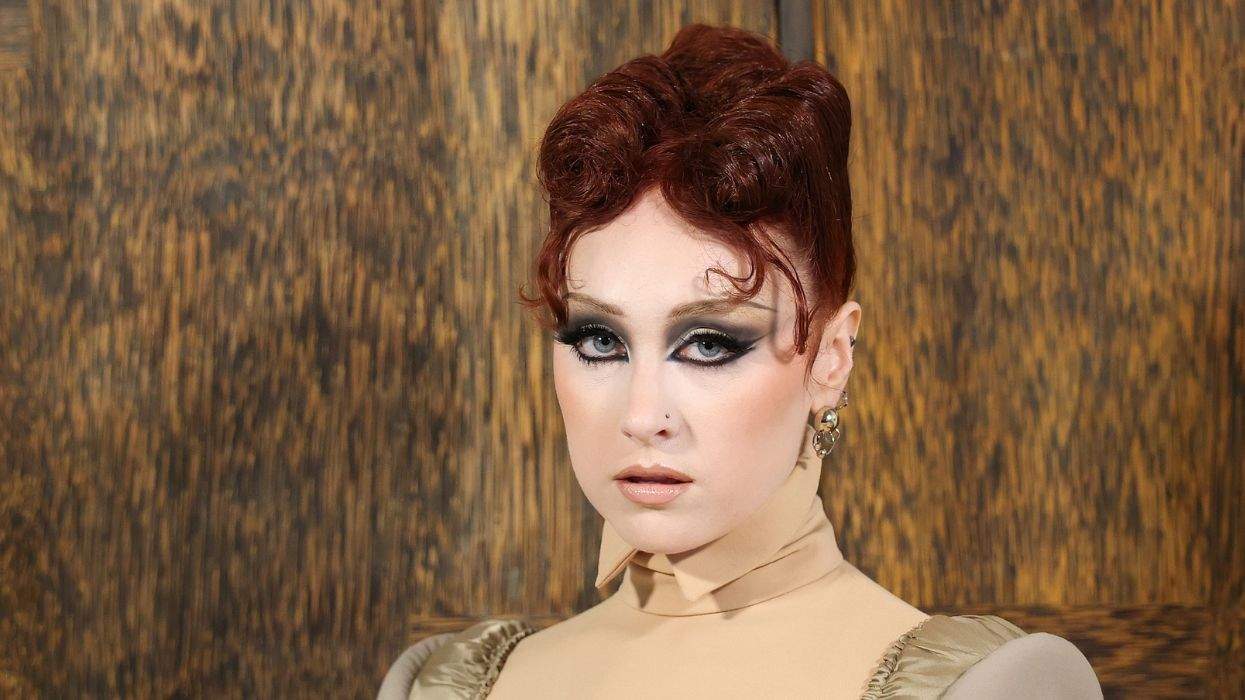

A new controversy involving the singer Chappell Roan has been raging for over a week, and a new report gives clues to why.
Typically, the internet has a pretty short attention span when it comes to stars getting themselves in hot water. But the recent alleged incident involving Roan, who is no stranger to bad press, hasn’t dropped from the top, trending conversations on social media since coming to light at the end of last week.
On March 21, Brazilian soccer star Jorginho Frello posted a detailed account on Instagram of an alleged confrontation between his wife and daughter and Roan’s security guards at the São Paulo hotel where the “Pink Pony Club” singer was staying for her headlining performance at Lollapalooza Brazil. According to Frello, after his 11-year-old stepdaughter walked by Roan’s table, hoping to get a glimpse, the security guards approached her and her mother and berated them for harassing the performer. The following day, Roan posted her own account of the events on social media, claiming that she was not aware of the incident and that her personal security guards had not been involved.
Given Roan’s history of setting boundaries with the public — which has often, rightly or wrongly, been framed as rude, ungrateful, and reactive — the internet wasn’t ready to let go of the incident that easily, with social media users jumping in to scold the performer for traumatizing a young fan. But a recent report from the AI-driven research company GUDEA, which was first publicized by BuzzFeed, signals that a consequential portion of those users were actually bots participating in a coordinated campaign against the singer.
GUDEA analyzed 100,030 posts generated by 54,334 unique users across seven platforms from March 20 to 22, and found that 4.2% of users contributing “to the Chappell conversation” were likely bots. But even more significant than the percentage of users suspected to be bots was their impact: The company estimated that the suspected bots authored 23% of posts fueling the discourse.
“The incident prompted intense personal attacks on Chappell Roan, calls for boycotts, and significant misinformation (including satirical/fictional embellishment spreading as fact)," the GUDEA report reads, according to Buzzfeed. "Discourse ranged from legitimate fan criticism and debate about celebrity privacy vs. fan treatment, to coordinated attack campaigns and considerable satirical/humorous content that blurred the line with misinformation.”
GUDEA previously made headlines for bringing to light a bot-driven campaign against The Life of a Showgirl singer Taylor Swift. That report found that in October of last year, beginning on the date of Swift’s latest album release, there was a weekslong campaign to align the singer and her latest work with Nazi and right-wing ideology.