


As someone who has been a huge hockey fan for over 20 years, there’s never been a more tumultuous time to be a follower of the sport. I started attending Florida Panthers games regularly at the age of 6, and the obsession grew until it came to a head in high school. At age 16, I began writing a hockey blog called Cats on the Prowl, which earned me press credentials and locker room access. As the only woman in the press box and by far the youngest writer in the room, I began to carve out a space for myself in the world of hockey. While the blog no longer exists, my passion for the sport has not waned. I even had my beloved mascot, Stanley C. Panther, make an appearance at my wedding.
When Heated Rivalry premiered on HBO, I didn’t know just how much it would take over my life. As a queer woman with a strong dedication to the sport, I was eager to dive into a show about queer hockey players. A combination of my two biggest passions, the show felt tailor-made for me, and I still can’t get enough of it.
It seems I’m not the only one. The obsession with Heated Rivalry and its cast has often been compared to Beatlemania, and the show itself has averaged over 10 million viewers per episode. As a result of this cultural phenomenon, many young women who are fans of the show are also becoming fans of hockey as a sport. In fact, SeatGeek reported a 24 percent increase in NHL ticket sales during the week of the Heated Rivalry finale.
I’m not accustomed to my interests being a part of the cultural zeitgeist in the way that Heated Rivalry and, as a result, NHL hockey have become. I’ve been waiting for the general public to realize how fun and exciting hockey is to watch, but this increased exposure has also brought a lot of complicated emotions.
Growing up, I always chose my favorite players based on their on-ice performance and public personalities rather than their lives off the ice. New female hockey fans who come to the sport through Heated Rivalry, on the other hand, have become interested in players who seem to mirror traits they love in characters like Shane Hollander and Ilya Rozanov. Many are drawn to personality traits that feel softer, more vulnerable, more human.
What’s been most surprising to me is that, after over 20 years of hockey fandom, I’m starting to view the players differently too. I’ve become increasingly transfixed with learning more about players from other teams and memorizing their quirks on and off the ice. I’m resonating with their human traits just as much as their hockey ability.
In the show, Shane and Ilya have to hide their true personalities and vulnerabilities from the rest of the world out of fear of backlash from the league and its players. For the first time in my life, I’ve started to grapple with the fact that the sport I grew up loving doesn’t foster an environment where players feel comfortable being their authentic selves.
As a result of Heated Rivalry, the profiles of real NHL players like Macklin Celebrini, Connor Bedard, and Quinn Hughes have grown significantly among young women. My social feeds seamlessly blend posts about Heated Rivalry with posts about these actual NHL players to the point that the two have become nearly indistinguishable.
This is why there was backlash among fans of Heated Rivalry when the Team USA Olympic hockey team celebrated their gold medal win with Kash Patel and President Trump. While watching Connor Storrie’s Saturday Night Live debut at Wilka’s, a women’s sports bar, a cacophony of boos rang through the packed room when Quinn and Jack Hughes took the stage.
I don’t suggest deducing too much about the players’ personalities and values from one week of reckless celebration. Still, young fans — including me — expected more from the Hughes brothers and the rest of the team during their most public-facing moments.
It is reasonable to be disappointed in players for engaging with a political regime that fosters widespread racism and homophobia. However, we must also acknowledge that these players were trained in a system that reinforces many of these same values.
Professional Hockey is a predominantly white sport, and there are still no openly queer players in the NHL. The league’s administration has done little to address the stereotyping and discrimination that persist within this environment.
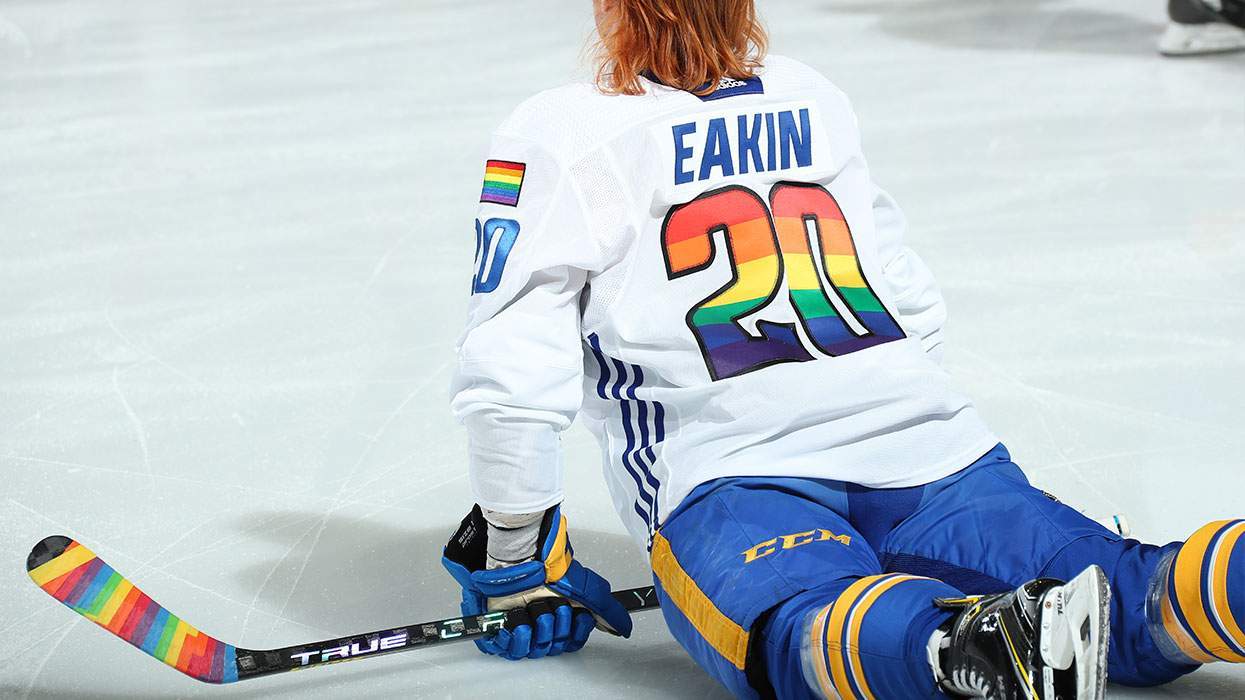
NHL Commissioner Gary Bettman admitted to binge-watching all of Heated Rivalry in one night but still has not reversed the decision he made in 2023 to ban all on-ice theme-night gear, including Pride jerseys. In recent years, multiple teams have also moved away from hosting Pride Nights.
It is important to hold NHL players accountable for what they say or do on and off the ice. However, it is even more important to hold the NHL and its teams accountable for fostering an environment where players are educated on how to include marginalized groups in their locker rooms and in the stands.
Banning Pride jerseys and canceling Pride Nights only further alienates the queer community — one of the main groups introduced to hockey through Heated Rivalry in the first place.
Change starts from the top. If the NHL wants to capitalize on the success of Heated Rivalry, the league needs to begin catering not only to its existing fans but also to the growing number of queer fans and younger women taking an interest in hockey.
Reinstating themed jerseys on the ice is the easiest first step to take, but it is not nearly enough. There needs to be more fundraising for charities and hockey schools that encourage marginalized groups to start playing the sport.
We also need to see more education and league-wide sensitivity training to ensure locker room attitudes foster a safe environment for people of color and future queer athletes.
I fell in love with hockey because of its rough, fast-paced nature and the confident attitudes of the players. It’s imperative that the intense nature of the sport is rooted in competition rather than discrimination.
A strong foundation in inclusivity from the league and its teams should certainly trickle down to the players. If the NHL is intent on growing the game in tandem with the success of Heated Rivalry, it must adopt the same values of respect and inclusivity championed in the show.
Amanda Weinstein is a Brooklyn-based writer and lifelong hockey fan who began covering the Florida Panthers as a teenager. She currently works in growth marketing at Brooklinen.
Opinion is dedicated to featuring a wide range of inspiring personal stories and impactful opinions from the LGBTQ+ community and its allies. Visit out.com/submit to learn more about submission guidelines. We welcome your thoughts and feedback on any of our stories. Email us at voices@equalpride.com. Views expressed in Voices stories are those of the guest writers, columnists, and editors, and do not directly represent the views of Out or our parent company, equalpride.