

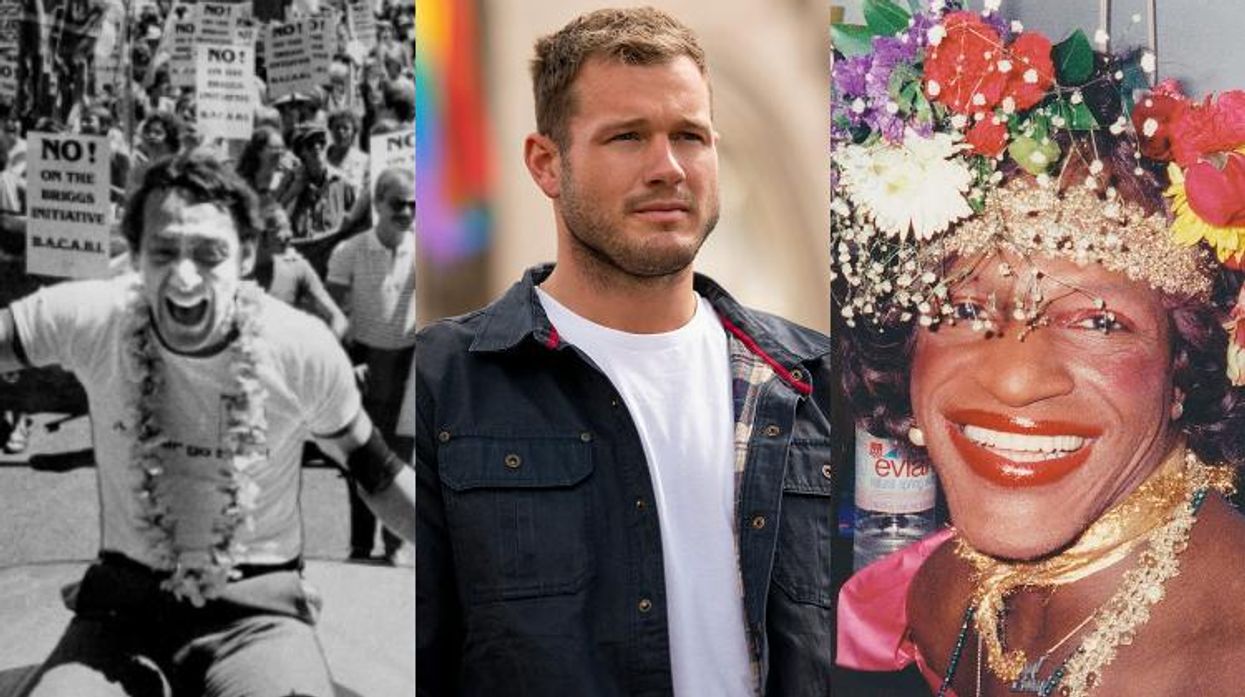

Colton Underwood continues to face controversy for his six-episode docuseries Coming Out Colton, which premiered on Netflix on December 3.
The former Bachelor star has garnered all sorts of mixed reactions in the media in recent months, and it's not difficult to understand why.
In April, Underwood was granted the opportunity to publicly come out as gay on Good Morning America in an emotional interview with Robin Roberts. However, he barely acknowledged the harm he had caused during his self-discovery, including the alleged stalking and harassment of his ex-girlfriend and Bachelor co-star Cassie Randolph.
Shortly after the interview aired, it was announced that Underwood would be receiving his own Netflix series. Many expressed their disappointment in the streaming service for giving a platform to Underwood -- a platform that countless other members of the LGBTQ+ community, particularly queer and trans people of color, wouldn't be afforded.
Now, the backlash continues to heat up, with viewers focused on the final episode of the show.
The series ends with Underwood reflecting on his coming-out journey.
"I know there are a lot of untold stories in the LGBTQ+ community, and I'm grateful to be able to add my story to the conversation," he shared. "There's going to be people after me that will continue to push and change people's hearts and minds."
The scene moves into a montage of LGBTQ+ pioneers throughout history...but here's the kicker. It looks as though Netflix is comparing Underwood's coming out with pivotal queer icons like Harvey Milk, America's first out, gay elected official; Edith Windsor, the late activist whose Supreme Court case led to national marriage equality; and Marsha P. Johnson, a legendary Black trans woman, activist, and one of the most prominent figures during the early days of the modern queer rights movement.
Viewers quickly took to social media to share their disbelief, with some even mocking the moment.
Esquire writer Justin Kirkland wrote that it would take him "months to process" it.
While Disney Television Studio's Ryan Aguirre wrote that the ending was "insane."
We can only hope Netflix will take this criticism into consideration for future projects.
RELATED | Cassie Randolph Wanted Nothing To Do With Colton Underwood's Show