

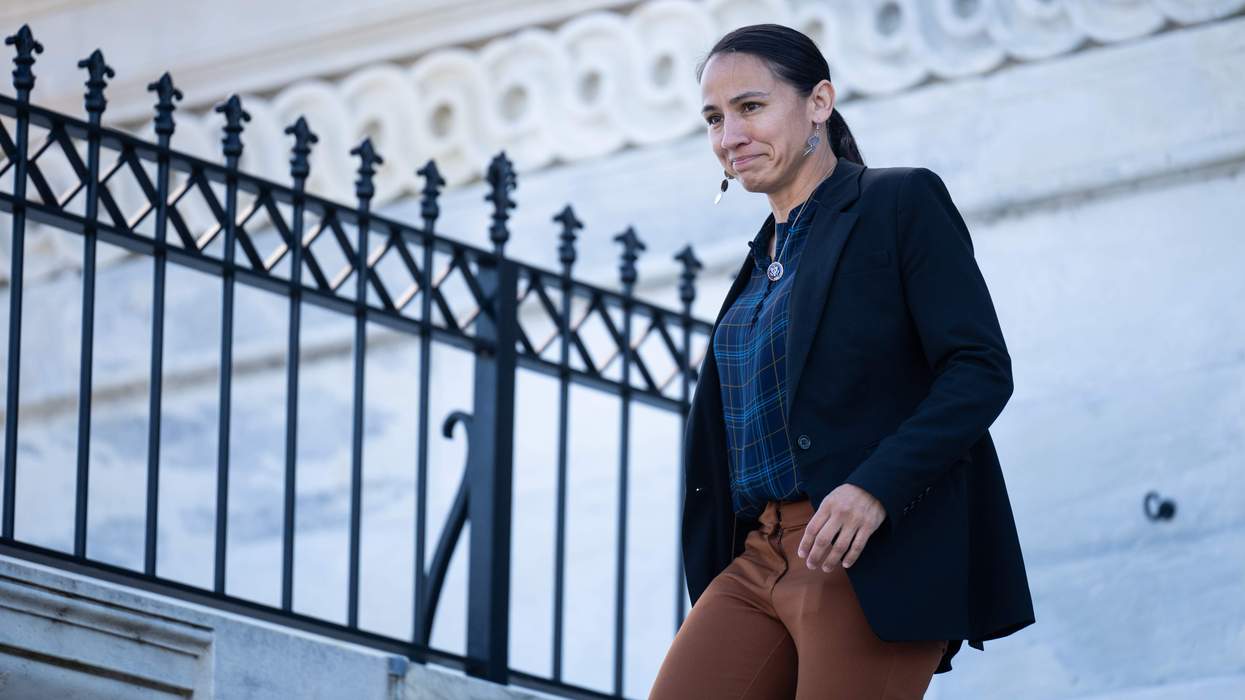

This story originally appeared on The Advocate.
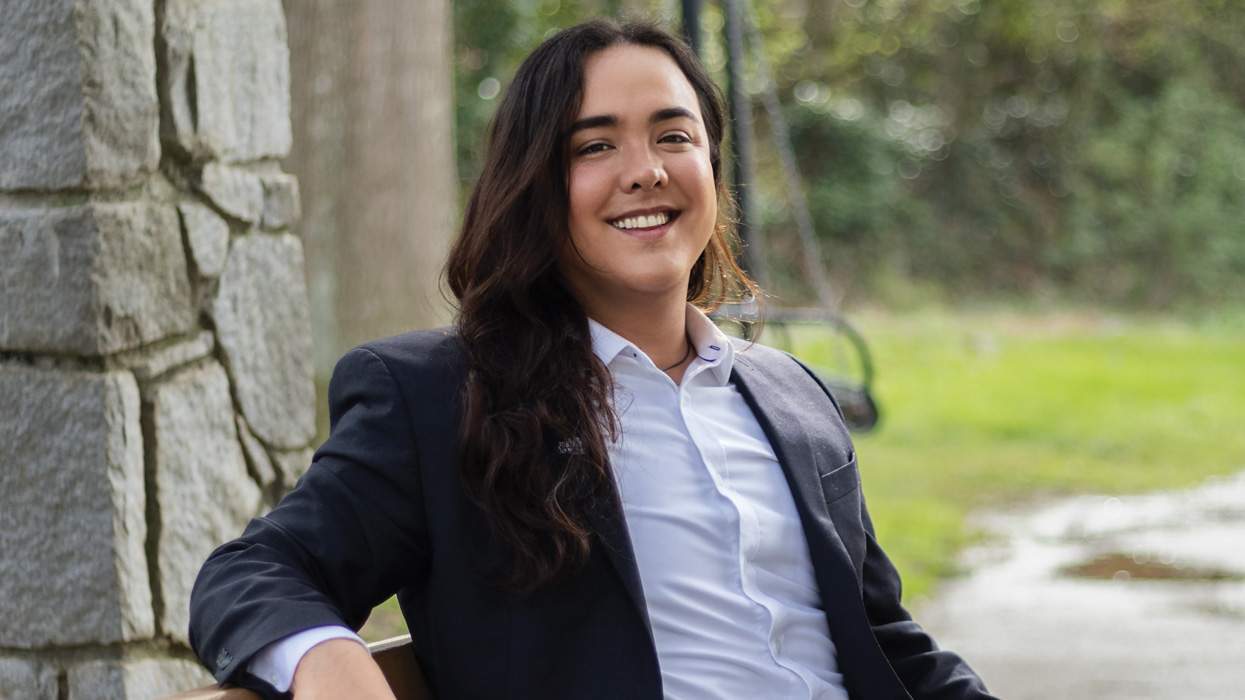
Democratic U.S. Rep. Sharice Davids has won reelection in Kansas’ 3rd Congressional District, securing a fifth term in Congress and preserving the historic representation she helped establish as one of the first two Native American women elected to the U.S. House.
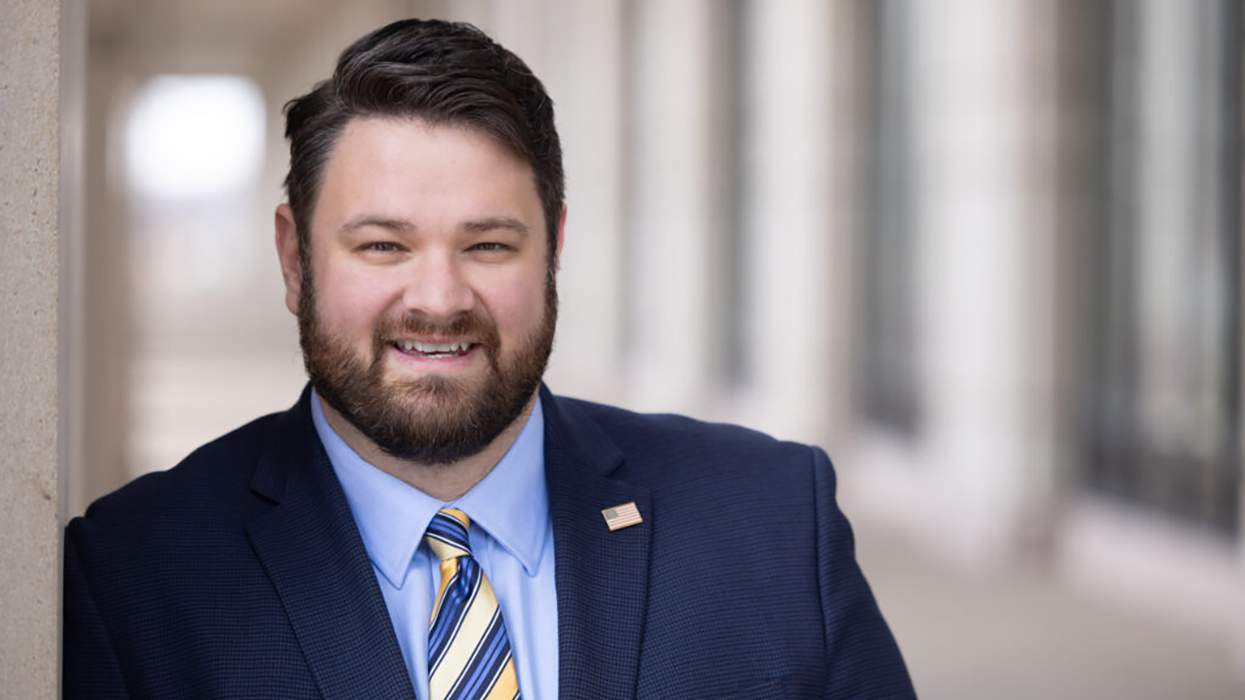
Davids, the first openly LGBTQ+ person elected to Congress from Kansas, defeated Republican Eric Jenkins and Libertarian Steve Hohe, according to Decision Desk HQ, which called the race at 8:43 p.m. Eastern time on Tuesday night. With 62 percent of votes counted, Davids led Jenkins 66 percent to 33 percent. Hohe had received around 1.5 percent of the vote at the time of the call.
Her victory extends a political career that began with her historic election in 2018, when she unseated Republican incumbent Kevin Yoder in the Kansas City suburbs. In addition to making Kansas history, Davids also became the first openly LGBTQ+ Native American sent to Congress when her term began in 2019.
A citizen of the Ho-Chunk Nation and former mixed martial arts fighter, Davids has established herself as an advocate for health care access, economic opportunity, and LGBTQ+ equality while emphasizing bipartisan cooperation.
Her reelection also comes after a campaign against Jenkins, a former Shawnee City Council member who previously voted against a local ordinance protecting LGBTQ+ people from employment discrimination, and who supported Kansas’ ban on transgender athletes participating in girls’ sports.
The contrast reflects the broader political battles over LGBTQ+ rights unfolding in Kansas and across the country.
Davids is a co-chair of the Congressional Equality Caucus and supports the Equality Act, which would expand federal civil rights protections based on sexual orientation and gender identity.
She has also made improving mental health services for LGBTQ+ youth a legislative priority.
In June 2025, Davids reintroduced the Pride in Mental Health Act, legislation intended to improve access to affirming mental health services, establish training for care providers, and strengthen federal efforts to address the mental health challenges facing LGBTQ+ and intersex young people.
“Children here in Kansas and across the country continue to struggle with mental health challenges, but we are failing many of our most vulnerable children on this issue,” Davids said in a release at the time.
Related: Rep. Sharice Davids introduces bill to improve mental health services for LGBTQ+ youth
Davids has also challenged the Trump administration over its decision to eliminate specialized suicide prevention services for LGBTQ+ youth through the national 988 Suicide & Crisis Lifeline.
In July 2025, she joined a bipartisan group of lawmakers demanding that the administration preserve the service.
“We're not asking for special treatment, we’re asking for evidence-based services to meet people where they are,” she told The Advocate.
The Trump administration subsequently announced plans in 2026 to restore the specialized service following congressional action. That specialized line returned in October, but pressed by The Advocate on whether trans callers could trust the service, a spokesperson for the Department of Health and Human Services said that the agency ”remains fully aligned with President Trump’s Executive Orders to defend women from gender ideology extremism and restore biological truth to the federal government.”
Related: Why a bipartisan group of lawmakers is demanding Trump save the LGBTQ+ 988 crisis lifeline
In a 2024 interview with The Advocate, Davids reflected on the significance of representing communities that have historically been excluded from political power.
“When you’re used to being the only person like you in a room, there’s a level of just awareness of that,” she said, opening up about how her identity as both Native American and LGBTQ+ has shaped her approach to public service.
Her victory ensures that Kansas will continue to have an openly LGBTQ+ representative in Congress as lawmakers confront ongoing debates over civil rights, health care, and federal protections against discrimination.