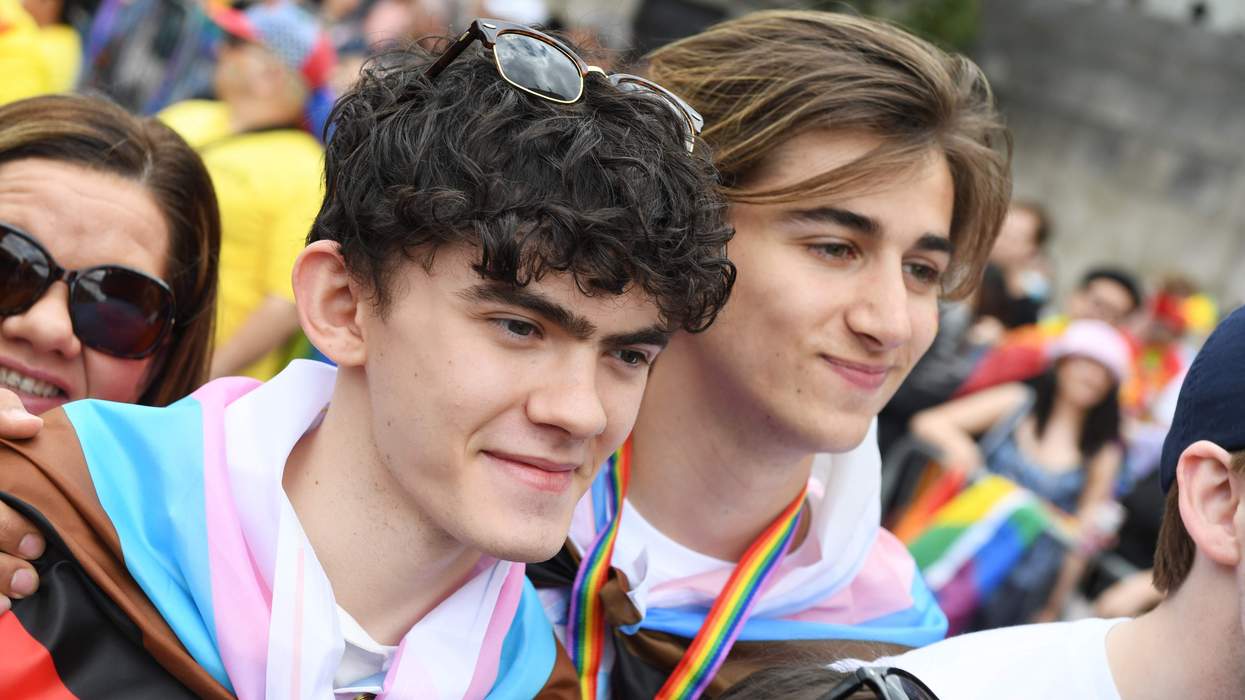


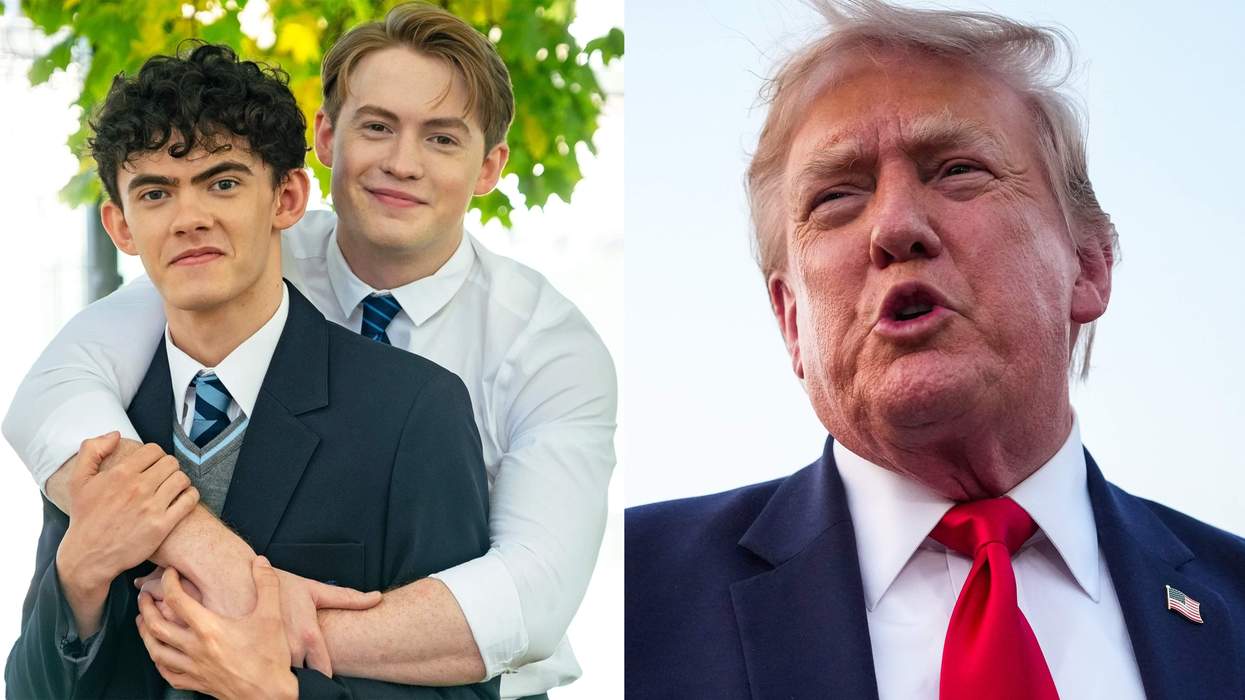

After decades of hard-fought battles to include more queer characters on television, the Federal Communications Commission is toying with the idea of adding warning labels to all TV shows with LGBTQ+ content, but the general public is not on board.
In response to an FCC Public Notice considering the addition of a new “warning label” on family shows that include LGBTQ+ characters, stories, or themes, GLAAD conducted an analysis of the public comments that were filed and discovered that 80% rejected the proposed warning labels.
The FCC’s Public Notice made it clear that the government agency is targeting “gender identity” and “transgender and gender non-binary programming,” supposedly because of parental concerns.
“Recently, parents have raised concerns that controversial gender identity issues are being included or promoted in children’s programs without providing any disclosure or transparency to parents,” the notice reads. “Specifically, the industry guidelines that parents rely on are rating shows with transgender and gender non-binary programming as appropriate for children and young children, and doing so without providing this information to parents, thereby undermining the ability of parents to make informed choices for their families.”
This potential new warning label — even on shows that have already been rated as appropriate for all ages — comes amidst the Trump administration’s growing attacks on the transgender community that include attempts to dismantle legal protections, rolling back access to gender-affirming care, kicking trans service members out of the military, and Trump’s call to move inmates to prisons inconsistent with their gender identity.
GLAAD’s in-depth analysis of the public comments sent in to the FCC found that 80% of the 33,739 comments and reply comments "oppose warning labels on shows with LGBTQ stories,” a 5 to 1 ratio against the FCC’s proposal.
The nonprofit LGBTQ+ advocacy organization also found that while 95.8% of the 27,285 comments rejecting the FCC’s proposed warning labels were unique comments written by the individuals who filed them, 57.4% of supportive comments were copied verbatim from a template.
"This proposal will erode freedom of speech in the United States and limit the entertainment industry’s ability to operate freely and without government interference, disempowering parents to make the best decisions for their children and families,” GLAAD wrote in a comment to the FCC on June 22, the deadline for public comment on the proposal.
The FCC doesn’t directly set TV ratings, despite what this Public Notice might lead you to believe, but it does have significant leverage over the TV Oversight Management Board, which oversees the creation and management of TV ratings that appear on broadcast, cable, and streaming programs.
The Trump-era FCC has already flexed this muscle by pressuring Nexstar and Sinclair to block Jimmy Kimmel Live! from appearing on owned and partner local TV stations, and CBS caved to the same pressure and canceled Stephen Colbert’s The Late Show. The FCC has also used its ability to lead investigations to further President Donald Trump’s agenda by investigating NBCUniveral for its DEI policies, investigating a San Francisco radio station for its coverage of ICE, and launching an inquiry targeting NPR and PBS in an attempt to strip the public broadcasters of federal funding.
GLAAD also just released the results of a new survey conducted by Morning Consult that found that roughly two in three Americans don’t support these anti-LGBTQ+ warning labels. The survey also found that 65% of Americans and 69% of parents believe that parents should decide what is appropriate for their kids without the government requiring warning labels on TV shows that include different types of families, and almost as many agree that seeing diverse families on TV helps children learn how to treat all people with kindness and respect.
According to the survey, 61% of Americans and 63% of parents also think kids and family television shows should reflect the diversity found in America, providing representation for all kids.