


This story originally appeared on The Advocate.
Larger, hairier gay men who felt excluded from mainstream gay culture and its obsession with smooth skin and a low body fat percentage formed their own community in the late 1970s and dubbed themselves “bears.”
In the decades since, the bear community has thrived. There are magazines, events, and cruises all dedicated to bears and those who love them. But as revolutionary new weight-loss drugs called GLP-1s, like Zepbound, Wegovy, Ozempic, and Mounjaro, grow in popularity, a question comes to mind: Are the bears alright?
The answer, it turns out, is complicated.
“We’re losing a little bit of weight, but we’re still a community, we’re still thriving, we’re still bears,” said Richard Jones, the creator and editor of Bear World Magazine. Both Jones and his husband have shed pounds taking Mounjaro for their Type 2 diabetes, but are still big men who identify as bears.
The popularity of these drugs means that the discussion about them is nearly inescapable, and even in a community built around celebrating larger bodies, they are having to grapple with the rising number of bears taking these medications, some to combat things like diabetes and high blood pressure, and some to lose weight.
There is no one way a bear has to look; they can be anything from muscle bears to young cubs to larger men with big bellies, lots of body hair, and beards because “being a bear is very much a state of mind,” Jones said.
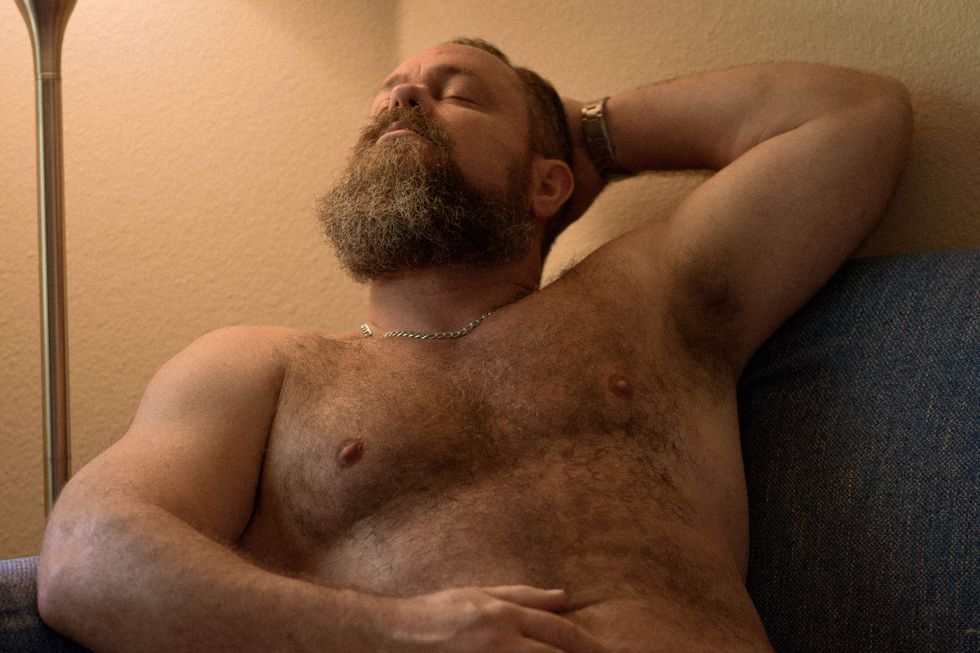
Courtesy of Jeremiah Damian
This is what bothered him most about a recent New York Times article titled The Bears Are on Ozempic about Provincetown Bear Week being changed by GLP-1 use. Jones said the publication went for “a quick headline” to scrounge up readership and claimed that some people dropping a few pounds was the death knell for the community.
“If you come to a bear event, you’ll be surprised it will be 25-year-old slim guys. There will be guys that are burly, guys that are slim and hairy, there will be guys that aren’t even hairy, there’ll be different body shapes,” he said. “It’s varied because actually human beings are varied, so that’s what it reflects. So yeah, it’s not us making these points about body shape, it’s everyone else.”
Historian Les Wright, who became a bear in the ‘80s when he aged out of being a “Castro twink” and gained weight after he quit smoking cigarettes, has been documenting the bear community since its inception, when older, larger, and hairier gay men were ostracized by the mainstream gay community and didn’t have a place where they were sexually viable.
In 1979, George Mazzei put a name to this subset of chubby and hairy gay men in an article for The Advocate that categorized different parts of the LGBTQ+ community by animals, titled Who's Who at the Zoo? The term gained popularity and was being commonly used in social and sexual gatherings by the early 1980s.
“My body naturally started gaining weight, and as I worked through accepting where my body was going, the bears were there for me,” said Wright, who founded the nonprofit Bear History Project and is working on editing his third book in the seminal bear history book series The Bear Book, which has been tracking the evolution of the gay subculture since 1997.
“I mean from the start bears were self-defining, meaning if I say I’m a bear, then I’m a bear, so there is still this kind of general value of accepting each person as they are,” Wright said. “So if you want to do Ozempic and lose weight, that’s your choice.”
Courtesy of Daniel Daleon
Jones said that going through changes the way Wright did isn’t unusual in the community, and it’s why he thinks it will survive this wave of weight loss. “You talk to men who have been in the bear community for 20, 30 years. Their bodies will have changed a lot in that time,” he said. “They may have started off as a chaser when they were young, and now they’re in their 60s, and they may be bigger, and nothing’s changed about their being part of the bear community.”
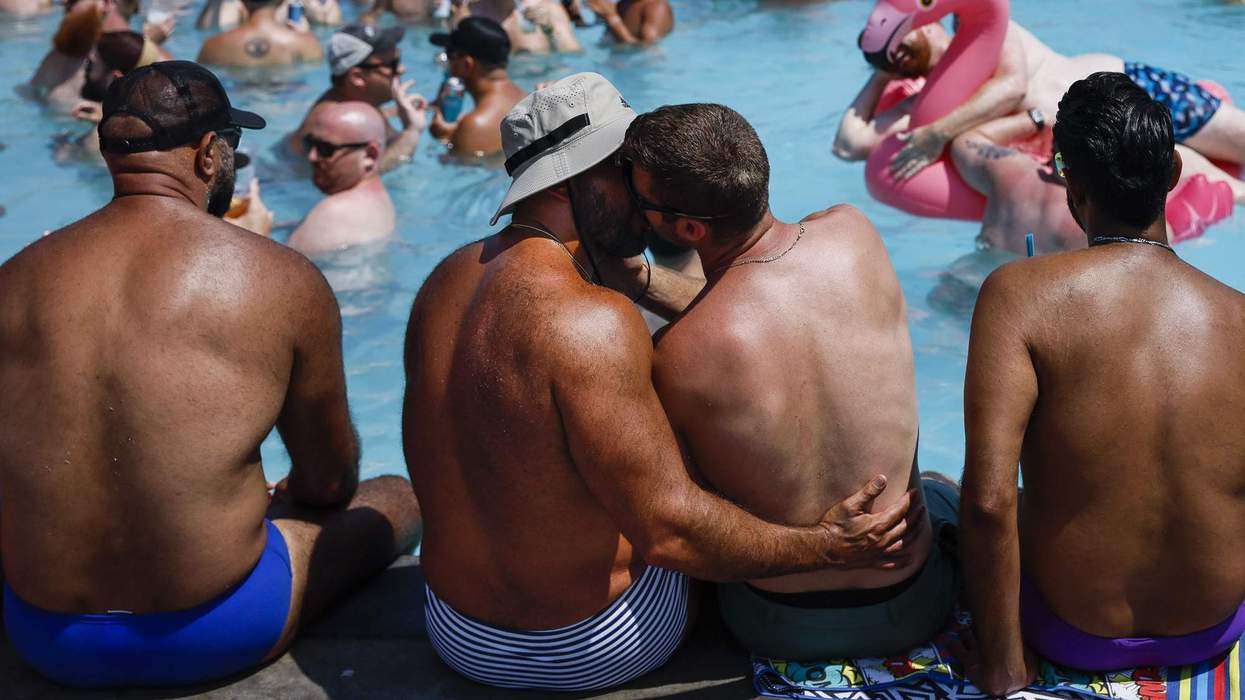
That doesn’t mean GLP-1s haven’t had an impact. Every summer, there are two major bear events: Provincetown Bear Week in Massachusetts, and Lazy Bear Week on the opposite side of the country in Guerneville, California, and both have seen shifts since the medications came to market.
Far from losing bears to weight-loss drugs, Provincetown Bear Week has grown. The final numbers for this year’s event aren’t in yet, but according to Bear Week President Frank Mahoney, they sold more registration packages this year than in 2025, and he expects the attendance to have exceeded 30,000. The numbers paint one picture, but there’s no doubt the size of the men in attendance has changed. In past years, people getting T-shirts with their registration were asking for 2X, 3X, and 4X sizes, but this year, small, medium, and large sizes were in greater demand.
“The GLP-1s are shrinking the bear community’s waist size down,” Mahoney said. “It’s not really shrinking the size of the bear community in general.”
Mahoney was also bothered by the New York Times article, which he said flattened a complex issue and acted as though GLP-1s were “going to eliminate the bear community,” and that people were turning to the medications because “nobody was comfortable being a bear.” He was surprised that its conclusion was that there are fewer bears, even though the men who were interviewed were all larger in body. “It wasn’t really constructive reporting as far as the bear community goes,” he said.
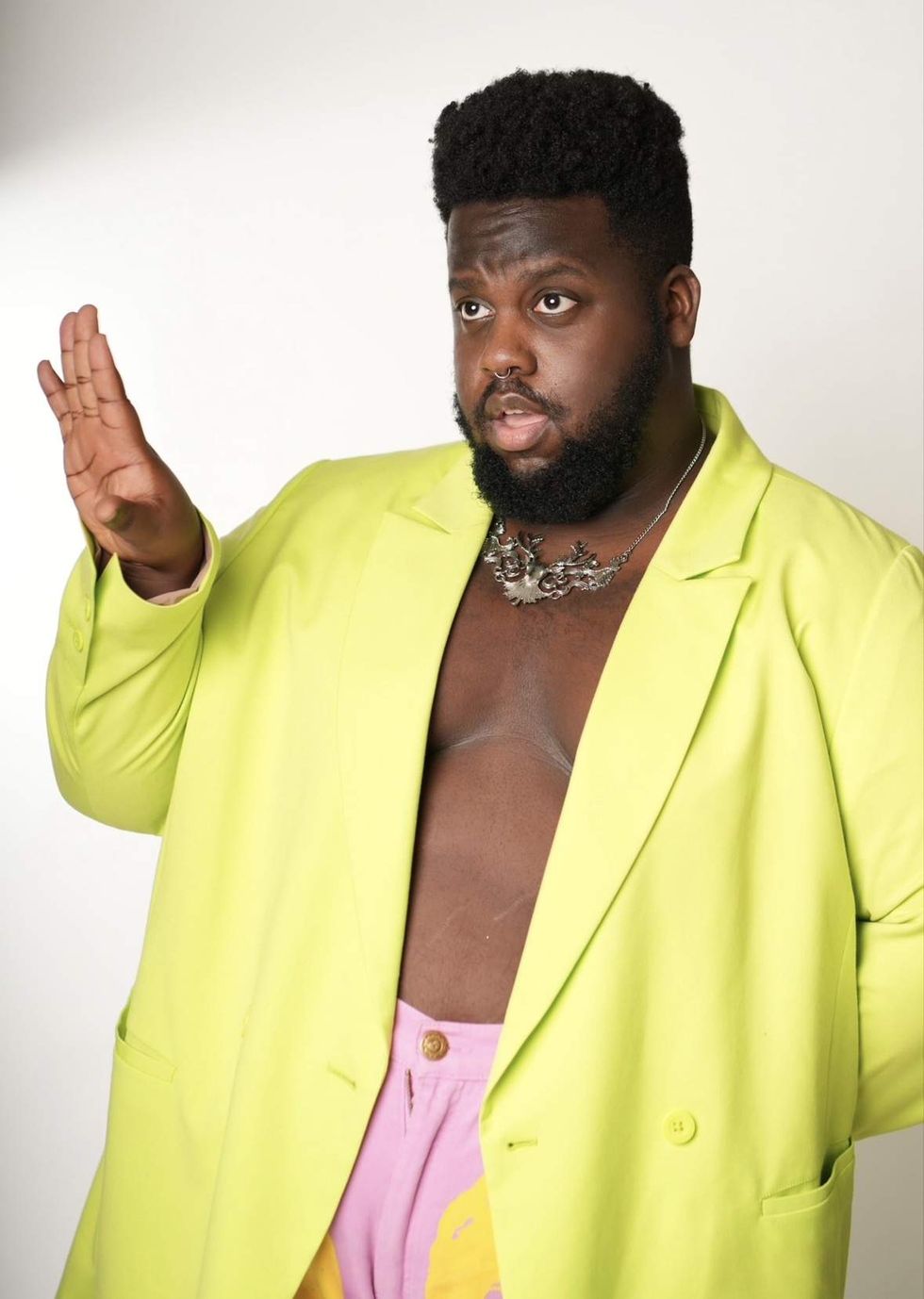
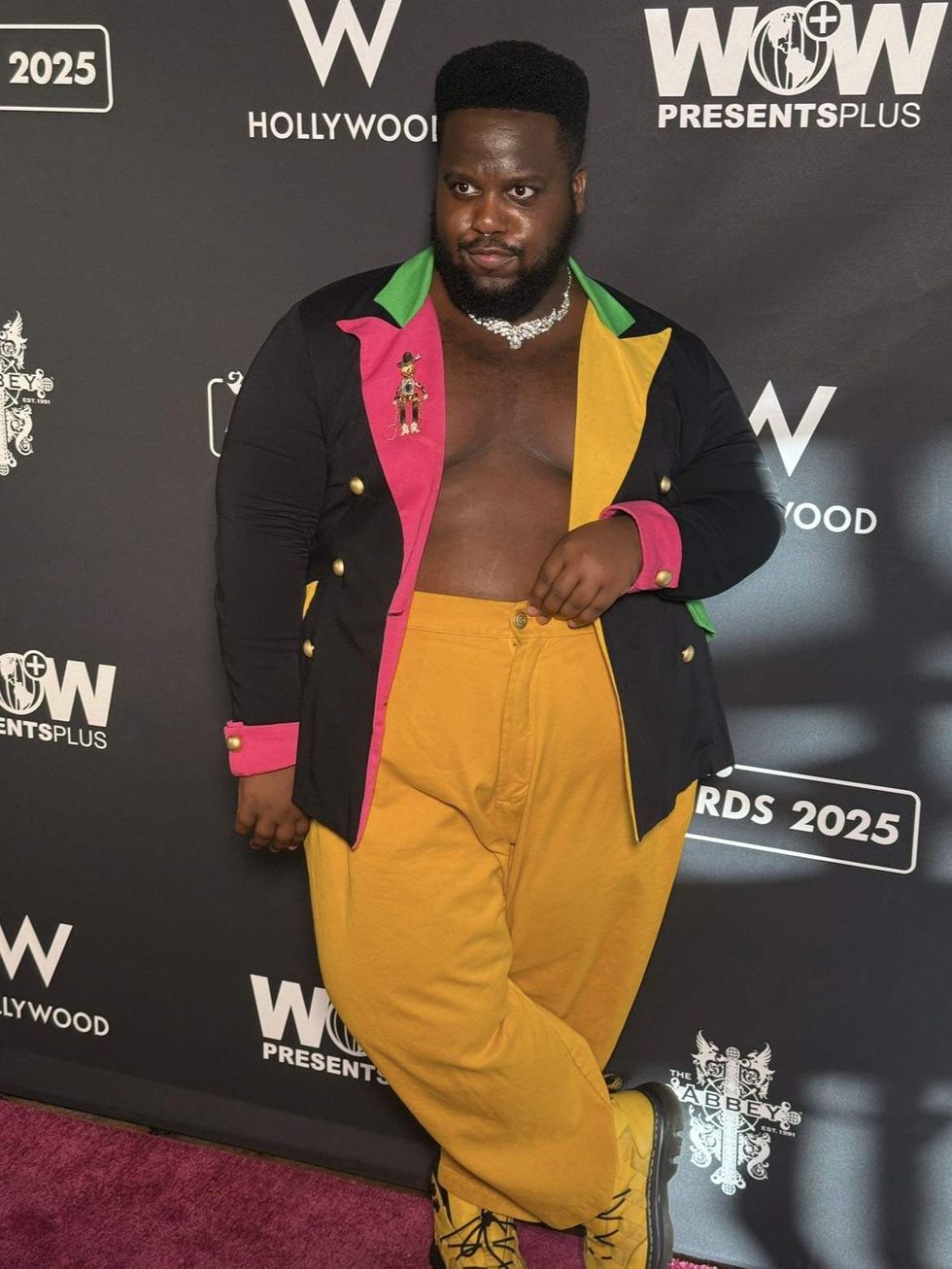
When 28-year-old Marquis The Honey Bear, a stand-up comic and Mr. Bear LA ’23, attended Lazy Bear Week earlier this month, he heard people talking about how “the bears are not as bearish as they used to be,” and noticed he was one of the largest men there.
“I do love being a bigger guy, but being a bigger guy is sort of changing a little bit,” he told The Advocate. “The barometer of what is big and what is huge, ginormous, it feels like it’s shifting on a needle, and I’m sort of figuring out where I fit into that.”
Courtesy of Jeremiah Damian
To Marquis, the intersection between GLP-1 use and bear identity is made more complicated by his precarious place in the community because he is a “Black gay bear.” If he were to start Ozempic, Marquis suspects people would use it as an excuse to claim he doesn’t belong.
“I’m Black, I don’t have hair, people already don’t think I’m a bear,” he said. “If I was to slim down even a little bit, I feel like it’s another hurdle or like, oh now you’re not big enough.”
But Marquis has also experienced an “uptick” in his desirability as other bears get smaller. On the other hand, Caleb Luna, a Latino feminist studies professor at UC Santa Barbara and self-described femme “chub” — a subset of bears with its own distinct subculture — has found that acceptance within the bear community has been a mixed bag made more complicated by the introduction of GLP-1s.
Luna’s gender expression has been more accepted because “people that are attracted to me are more focused on my body,” but they have also felt excluded because of their size. “I’m at the higher end of the weight spectrum,” they said. “Even in these spaces, I feel like I’m still kind of sized out.”
According to Noah Heymann, an LGBTQ+ dating coach specializing in bears, chubs, and chasers — the term for men who love bears — any perceived scarcity of large men in the bear community is being overblown and not based in reality.
“Overall fatness numbers have reduced very little over the last few years with GLP-1s,” Heymann, a chaser himself, said. “There are still perhaps twice as many chubby gays as chubby chasers.”
GLP-1s can also be a head trip for the bears that are on them. Someone may experience significant health improvements, but losing weight can cause a “mental dissonance” in bears who had previously worked on body acceptance and have now lost one of the main markers of their bear identity, Heymann said.
“The second GLP-1 downside specific to bears is that many of their sexual and romantic partners liked their fatness, so bears may lose some attention from some bear/chub chasers,” he said. “Even though they may gain even more attention from other people who are turned off by fatness, if the chaser who lost interest was their partner, losing sex or the relationship would be devastating.”
Courtesy of Marquis The Honey Bear
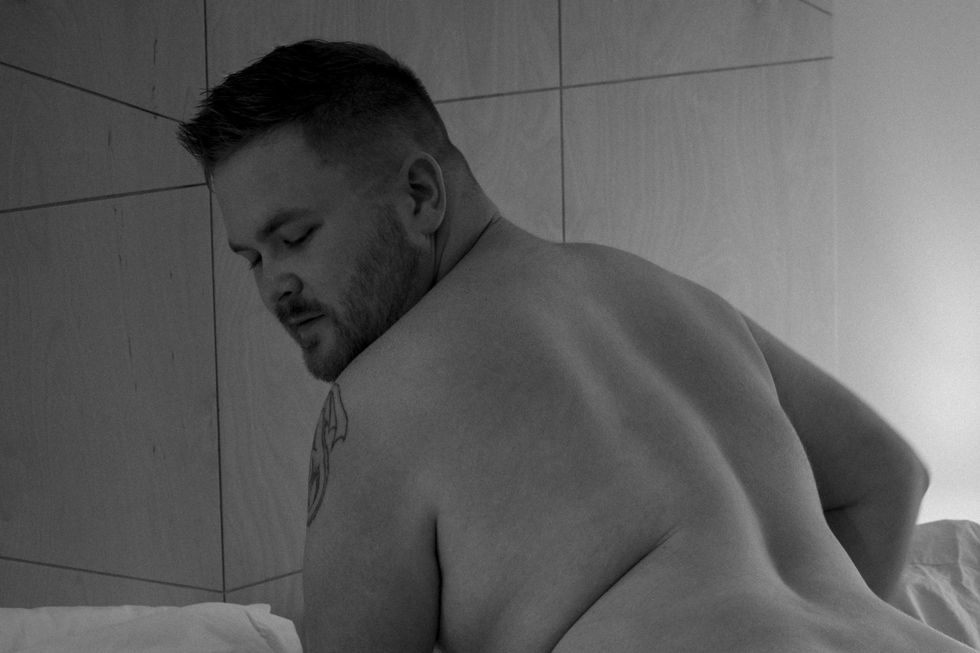
Jeremiah Damian started taking nude and nearly nude black-and-white photographs of bears after working in the fashion industry for more than a decade, shooting men he described as “chiseled Greek gods,” who were obsessed with having zero percent body fat. When he first started gravitating toward the confidence of large masculine bears, he said he “was scared shitless,” but he wanted to capture “the beauty of these men.”
“These men in the bear community, they were just down,” Damian said. “They’re like, ‘I’m not a model but let’s do it,’ and that spoke some truth out there of like these men are not only confident, they are kind, they are welcoming, they embody and embrace this identity of inclusivity.”
It took him time to deconstruct his own fatphobia and learn that size didn’t equate to health, but now his unretouched portraits will be featured in the first issue of BEAR Magazine in September, which Jones is bringing back to print after 15 years. “My job is to showcase what I see and who I see you as, and what is internal coming out through the external,” Damian said.
Filmmaker and Good Pictures founder Andy Langdon has interviewed many bears who have taken GLP-1s as the director of Bears, a documentary about the community that is currently in development, but hasn’t noticed a significant shift since the advent of these weight-loss drugs, even at events like Lazy Bear Week.
“I never once thought for a second about Ozempic erasing all of the bears in our community. I never once thought about people being noticeably skinnier or the aesthetic of the community changing,” said Langdon, who has been part of the bear community for the past 15 years and is currently engaged to a man he described as a “gorgeous 60-year-old daddy bear.”
In fact, Langdon has devoted years of his career to filming the bear community because it transformed the way he thought about his own attractiveness. He attended his first Provincetown Bear Week in 2017, and the experience was such a revelation that he immediately called a friend crying because he finally “felt free.”
“I’ve learned so much from the bear community over the years,” he said. “I’ve learned about healthy expressions of masculinity. I’ve learned about camaraderie. I’ve learned about sexual liberation. I’ve learned about transforming insecurities into our greatest strength.”
Bears may be defined in the cultural imagination by their beards, bellies, and body hair, but the bear community is more than that, Jones said.
“I think if we all lost weight and we were all size medium, we’d all still like bears, and we’d still want to be in the same company of each other at Bear Week,” he said. “It’s more than just our bodies.”