




There is something that perimenopause, menopause, and testosterone-based hormone replacement therapy (HRT) have in common: they can all cause vaginal atrophy.
The intimidating medical term impacts anyone — regardless of gender identity — who has declining levels of estrogen. For cisgender women, vaginal atrophy is a condition that often comes on as they enter menopause, and for transmasculine, nonbinary, and gender diverse folks, it can be caused by testosterone treatments.
Open conversations on vaginal health are often stigmatized which leaves people in the dark when they start exhibiting symptoms they can’t explain. Between medical misogyny and transphobia keeping reproductive health issues from getting the research and funding they deserve, to the constant attacks on the transgender people’s access to healthcare, people dealing with vaginal atrophy often fall through the cracks.
Luckily, there are LGBTQ+ health experts who are willing to share information about the condition, what treatment options are available, and how to improve your sex life.
What is vaginal atrophy?

What is vaginal atrophy?
Body stock/Shutterstock
Vaginal atrophy — now more broadly recognized by the more inclusive name Genitourinary Syndrome of Menopause (GSM) — is the medical term for the vaginal thinning, dryness, and inflammation caused by dropping estrogen levels.
“Symptoms commonly include vaginal burning, itching, and spotting, along with uncomfortable complications such as microtears, pain during sex and recurrent urinary tract infections, all of which can have a significant impact on quality of life,” says Dr. Amira Bhaiji, a sexual health expert and a medical board member for Daye, a gynecological start-up focused on organic period products.
Lasara Firefox Allen, an accredited menopause educator, author of Gender Queer Menopause, faced severe GSM themself and says that vaginal atrophy can also cause “urinary issues, an increase in UTIs, VB infections, yeast infections, other pH issues, and more.”
Jericho Feng, a therapist who has provided LGBTQ-affirming therapy for the past 12 years, describes his own GMS symptoms as “the weirdest, nails-on-a-chalkboard, painful sensation between your legs.” When trying to describe exactly what it feels like, Feng tells Out, “Imagine walking through your home, following your normal daily routine, when suddenly there’s that indescribable feeling between your belly button and vagina. Do you have a UTI? The feeling is similar but not exact.”
But it was the micro tears that come with GSM that Feng says were the worst part and felt like they were “screaming at every bit of movement, which the body is like, ‘Ummm what new hell is this? Cramps? Constipation? Tummy ache?”
Is vaginal atrophy part of perimenopause and menopause?
Is vaginal atrophy part of perimenopause and menopause?
Aliance Images/Shutterstock
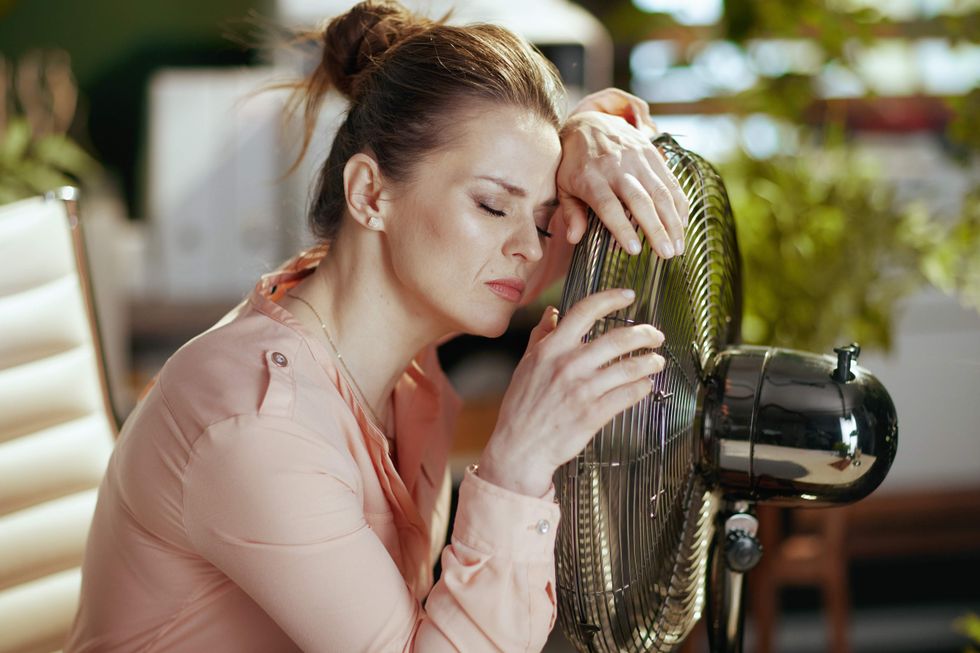
At the same time you're dealing with hot flashes, memory changes, and loss of libido, you might also be suffering from vaginal atrophy. GSM occurs during perimenopause and menopause when the ovaries start producing less and less estrogen. “The genital tissues go into a kind of ‘estrogen starvation mode,” says Firefox Allen, who is also the founder and facilitator of the Gender-Affirming Menopause Care Certification course for care providers.
These symptoms are common and not only cause pain but also sexual dysfunction, and yet while there are some treatments available, the condition hasn’t been widely studied, Bhaiji says.
“Despite affecting at least half of women during perimenopause and menopause, vaginal atrophy remains significantly under-recognized, under-treated, and under-researched,” she says.
How does vaginal atrophy impact the transgender community?

How does vaginal atrophy impact the transgender community?
Renee Clancy/Shutterstock
Testosterone can be life-saving for trans folks — taking HRT is linked to better mental health outcomes, including lessening depression, anxiety, and suicidal ideations — but like any medicine, it can come with side effects.
“Vaginal atrophy often affects trans men who undergo gender-affirming hormone therapy (GAHT),” Bhaiji says. “Testosterone suppresses the body's estrogen production, meaning the vaginal tissues are no longer able to naturally maintain their thickness, elasticity, and lubrication. This can mimic many aspects of the vaginal changes experienced by cisgender women during menopause.”
And just like GSM caused by menopause, this side effect of taking T is understudied. “Unfortunately, this is yet another area where research is limited,” she says. “We still need more evidence to understand how different testosterone doses affect vaginal health and how best to prevent and manage these kinds of symptoms.”

How does vaginal atrophy impact the transgender community?
Anna Stills/Shutterstock
For Feng, he was used to menstrual pain, but experiencing GSM after taking T was a whole new ball game. “Being in the driver’s seat of this new side effect of being on testosterone meant feeling a new — and frankly awful — road of ouch,” Feng says. “The first time I just sat on the toilet, gripping my legs, unable to move, knowing something was wrong.”
But HRT isn’t the only thing that can cause reduced estrogen leading to GSM. Anyone who undergoes an oophorectomy — where the ovaries are removed — could also experience GSM.
Getting information about the symptoms of GSM and what can be done to treat it is even more complicated for the trans community because the condition is usually framed around cis women. Feng says more needs to be done to educate people because he was left in the dark.
“We need it described in detail to understand what exactly that could feel like,” he says. “Give me a pamphlet, an infograph, or video about what I can expect. Because when the unexpected happened, it sucked, and there was a delay in linking the symptoms with the diagnosis and the diagnosis with the treatment and the treatment with the doctor appointment. That’s a lot of time in pain.”
What are the treatment options?

What are the treatment options?
Goksi/Shutterstock
How to deal with symptoms that impact such a huge part of the community shouldn’t be a secret, but many cis women, transgender men, and trans mascs know little about GSM or how to treat it.
But there are options out there. From topicals that can provide localized estrogen to moisturizers that can decrease pain from vaginal dryness to hormone replacement therapy that pumps estrogen into your whole system, there are effective treatments your doctor can prescribe. Pelvic floor physical therapy can also help alleviate severe GSM symptoms.
“Topical estrogen can be prescribed three different ways: as a cream with either an applicator tube or by hand,” Firefox Allen explains. “As a tablet in a preloaded applicator. Or Estring, which is a ninety-day ‘set it and forget it’ type of option.”
According to Bhaiji, the most common options are low-dose topical estrogen creams like Estrace or Premarin, vaginal tablets like Vagifem, or vaginal rings that deliver localized estrogen. “These treatments can help restore the vaginal tissue's thickness, elasticity, and lubrication,” she says. “For people experiencing broader menopausal symptoms, systemic hormone replacement therapy (HRT) may also help address symptoms such as hot flushes, brain fog, and anxiety alongside vaginal symptoms.”
What treatments are available if you’re trans?
What treatments are available if you’re trans?
NMK-Studio/Shutterstock
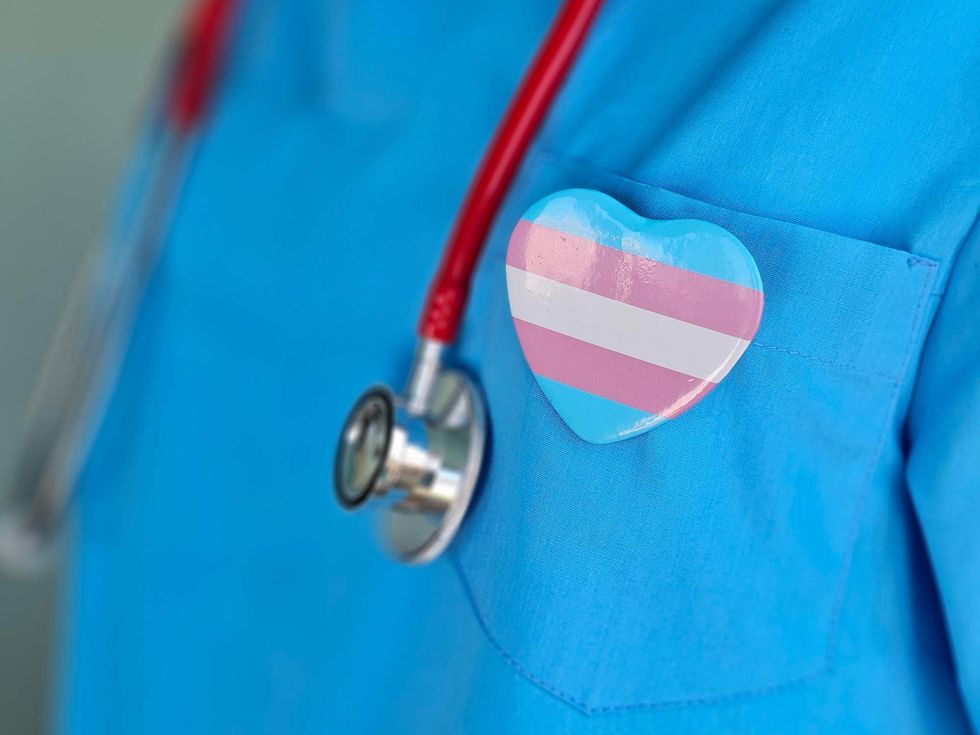
For transgender men and transmasculine people experiencing GSM symptoms, the treatments are largely the same as the ones available to cis women, but the option you choose may be influenced by your gender identity and whether taking estrogen gives you dysphoria.
“Trans men often face not only the stigma surrounding vaginal health, but also the additional barrier of gender dysphoria, which can make accessing vaginal care particularly confronting and difficult,” Bhaiji says.
This is exactly what Feng was worried about when presented with the treatment options after he started having symptoms. “I was worried how it would affect my transition — yes — but the pain was so excruciating and all-encompassing that I felt like even if there were side effects, I’d suck it up,” Feng recalls. “I chose the pill form, started using it, and within two weeks I felt back to normal. When I forget to take the pill and am exercising, the torturous sensations get me back on track to taking the pill. The estrogen pill feels like a lifesaving drug — I don’t know how I could function properly with the pain caused by vaginal atrophy.”
Firefox Allen had a similar experience when they finally decided to bite the bullet and try estrogen because the symptoms of GSM were so severe. “I had had terrible experiences with estrogen over the years, and was loath to try it in menopause treatment,” Firefox Allen says. "But what I have found is that a low-dose, steady-state estrogen has been a revelation. It's nothing like my ‘natural' experience of estrogen, which was incredibly dysphoria-inducing.”
For other people in the trans community who are worried about the same thing, Firefox Allen recommends finding an estrogen option that works for you because it can be life-changing. “Some trans folx shy away from estrogen. To that, I want to say: hormones have no gender,” they say. “All bodies need all the sex hormones, just in different proportions. Estrogen is really the answer to GSM, and using genitally applied estrogens is not systemic, so there is no risk of feminization with this kind of use.”
How can you make sex pleasurable again?

How can you make sex pleasurable again?
Zamrznuti tonovi/Shutterstock
As estrogen decreases and the vaginal lining becomes thin and dry, sex can become uncomfortable or downright painful, and if you’re a queer woman going through menopause, this can also be accompanied by changes in orgasms or reduced libido. Bhaiji also warns that because “there is so little public education around it,” your partner may not know anything about GSM or understand your symptoms, which means you’ll need to start communicating.
Penetrative sex may also need to just be off the table for a while, so get creative and focus on other sexual acts. “Couples may find greater enjoyment in prioritizing foreplay and other forms of intimacy that focus on arousal rather than penetration,” Bhaiji says.
According to Feng, GSM symptoms can destroy your sex life, but it doesn’t have to be that way. “Vaginal atrophy can interrupt a person’s sex life dramatically — like sitting in the bathroom in fetal position level drama — so of course it can impact one’s sex life,” he says.
Luckily, there are things you can do about it, so talk to a gender-affirming care doctor about options, Feng recommends. “Then, talk with anyone you have sex with to bring them up to speed about what’s going on,” he says. “Look at your weekly schedule and notice if there’s any patterns. Often symptoms can show up after an intense workout or rough sex, so adjust accordingly. Use extra lube, wear softer clothing, change positions to decrease friction, and communicate how you are feeling.”
Like with most sexual acts, Firefox Allen says things will be more comfortable and pleasurable if you add lube: “Another important element of management of symptoms is the use of lubricants for sexual engagement. Make sure they are pH-safe, so they don't exacerbate symptoms. Using the right lube can decrease risk of tears and irritation, and increase pleasurability.”
Sources cited:
Dr Amira Bhaiji is a sexual health expert and a medical board member for Daye.
Lasara Firefox Allen is a trans genderqueer accredited menopause educator and author of Gender Queer Menopause.
Jericho Feng is a gay, trans, Asian therapist who provides LGBTQ-affirming therapy.