
Home
Music

The 100 Greatest, Gayest Albums (of All Time)

1/100 100
1/100 100
More Slide Shows

CLOSE
38 Queer Black Musicians 38 Queer Black Musicians
30 Most Dateable Gay TV Characters 30 Most Dateable Gay TV Characters
15 Power Couples You Should Know 15 Power Couples You Should Know
Third Annual 100 Most Eligible Bachelors Third Annual 100 Most Eligible Bachelors
Madonna Celebrates 30 Years on Billboard Charts Madonna Celebrates 30 Years on Billboard Charts
Grace Jones at Roseland Ballroom Grace Jones at Roseland Ballroom
The 100 Greatest, Gayest Albums (of All Time) The 100 Greatest, Gayest Albums (of All Time)
Seth Bogart Shares Seth Bogart Shares
Gayest Comic Book Heroes Gayest Comic Book Heroes
SLIDE SHOW: Adam Levine SLIDE SHOW: Adam Levine
SLIDE SHOW: Robyn SLIDE SHOW: Robyn
SLIDE SHOW: Adele SLIDE SHOW: Adele
Britney Spears Emails Her Heart Britney Spears Emails Her Heart
Kylie XOXO Kylie XOXO
100. The Beatles, 'Sgt. Pepper's Lonely Hearts Club Band,' 1967 http://www.out.com/sites/out.com/files/imagecache/slide-image/100_SgtPepper.jpg 17567
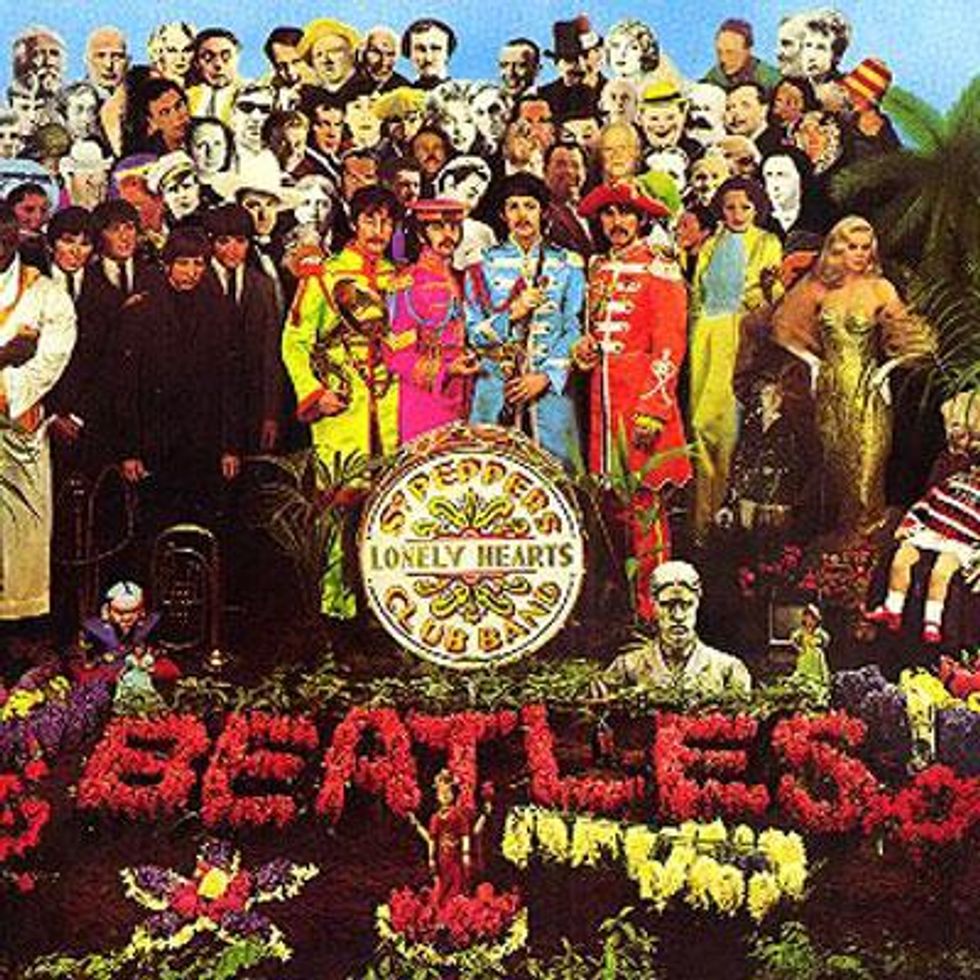
“I couldn’t help being influenced by this truly trailblazing album by the ultimate pop group, who was managed by a gay man, Brian Epstein. The world would have missed this cultural watershed without his influence.” --Holly Johnson, formerly of Frankie Goes to Hollywood.
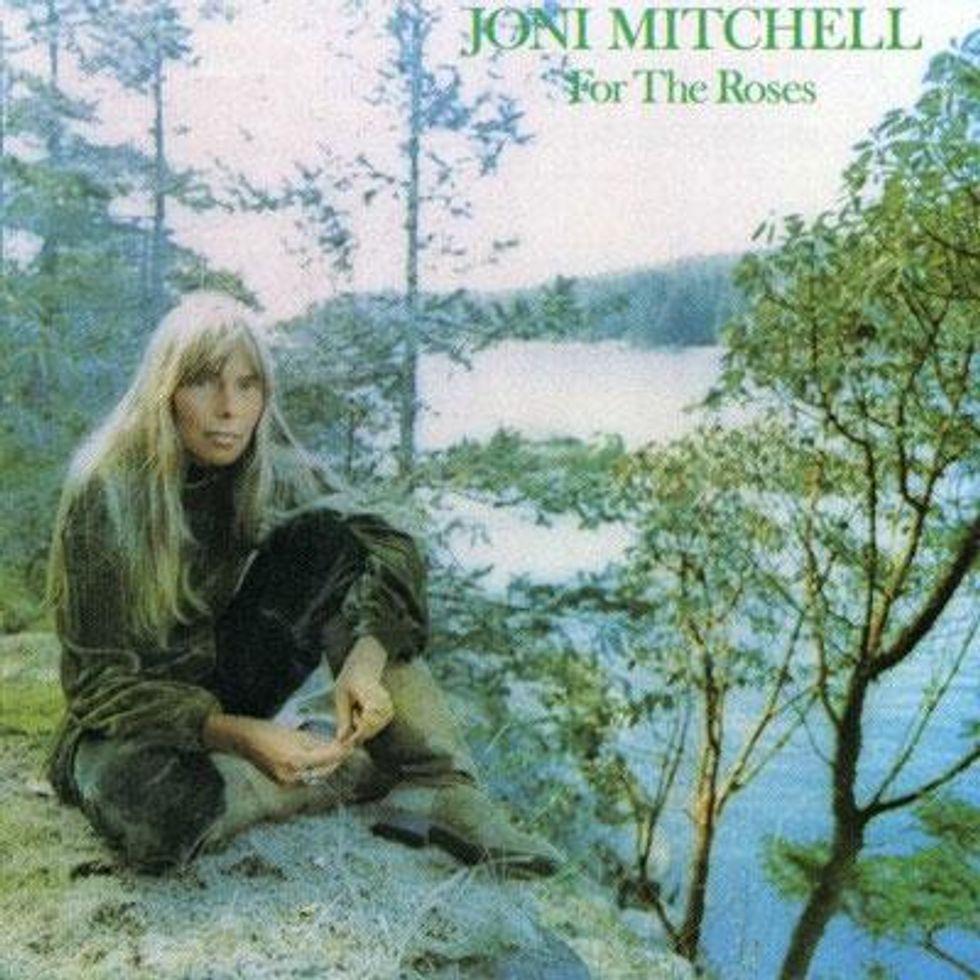
99. Joni Mitchell, 'For the Roses,' 1972 http://www.out.com/sites/out.com/files/imagecache/slide-image/99_For-The-Roses.jpg 17566
“An album to play alone in your bedroom when the phone doesn’t ring after your virginity is gone.” --Tom Kalin, director of Savage Grace.
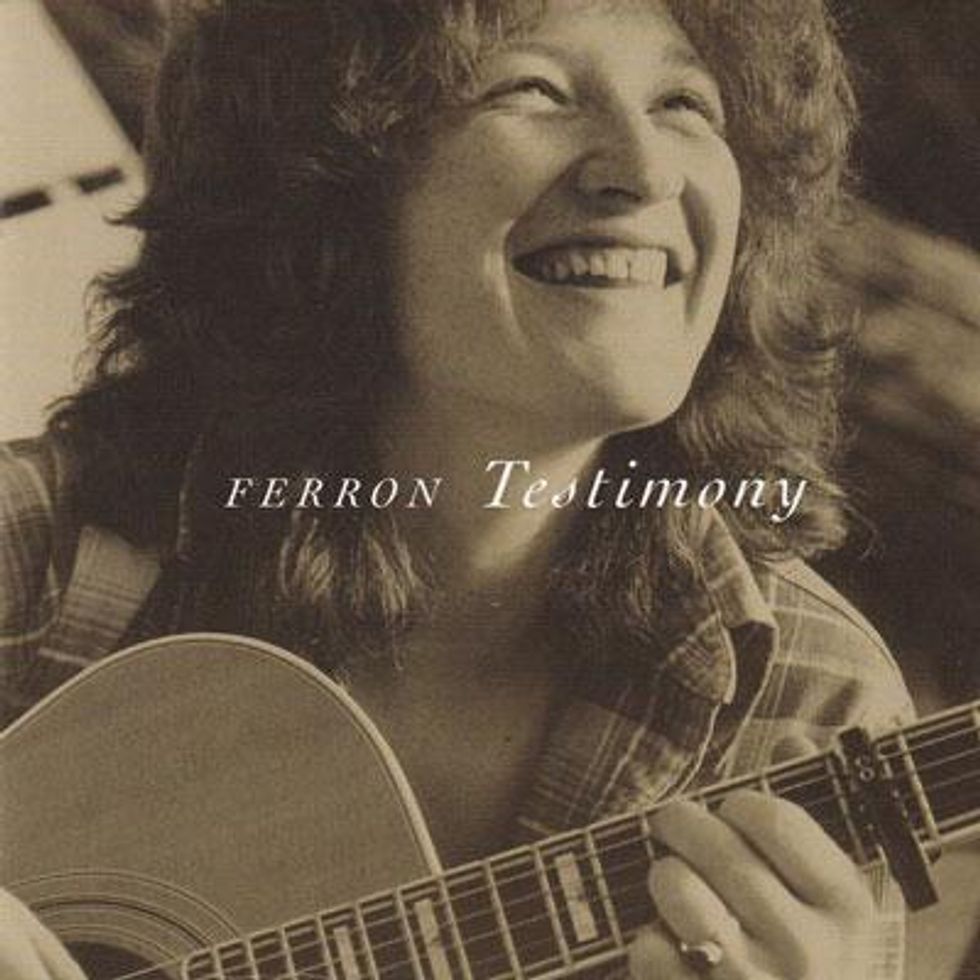
98. Ferron, 'Testimony,' 1980 http://www.out.com/sites/out.com/files/imagecache/slide-image/98_Testimony.jpg 17565
“Some of the most beautiful songs in the world, I swear, are on this record. Ferron showed some diversity in musical stylings that strayed from some of the other ‘women’s folk’ musicians, and was also right there with it all, just expanding on that genre.”--Kaia Wilson, of queercore punk band Team Dresch.
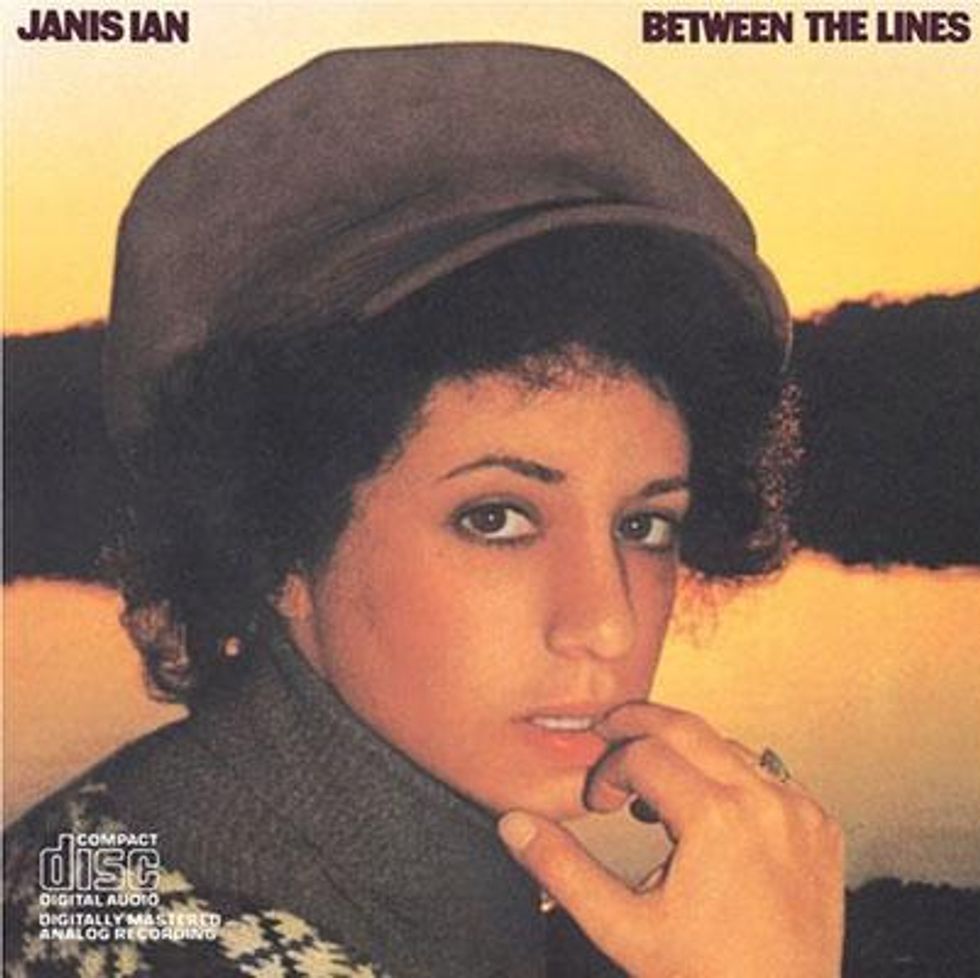
97. Janis Ian, 'Between the Lines,' 1975 http://www.out.com/sites/out.com/files/imagecache/slide-image/97_Between-The-Lines_0.jpg 17564
“Its biggest song, ‘At Seventeen,’ made me question my sexuality. And the answer was ‘I’m a lesbian!’ ”--Justin Bond, singer-songwriter and performance artist.

In 2008, “At Seventeen” received a Grammy Hall of Fame Award, given by the National Academy of Recording Arts and Sciences.
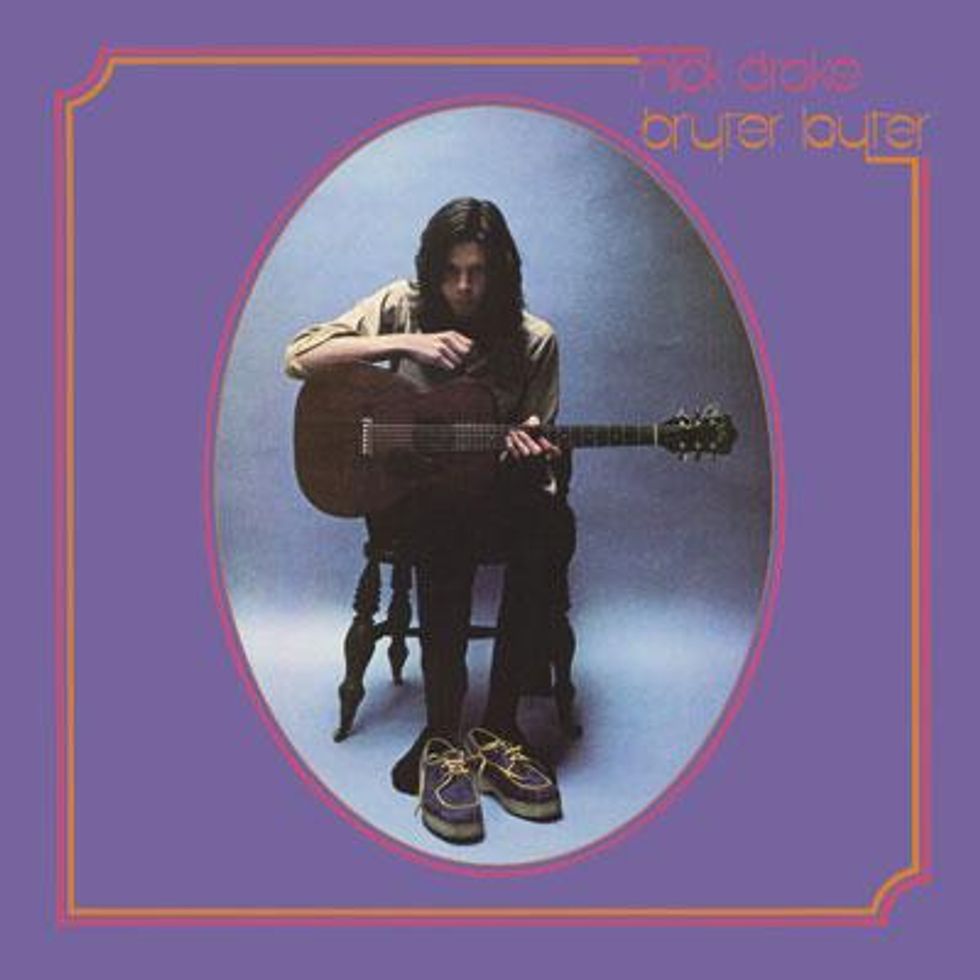
96. Nick Drake, 'Bryter Layter,' 1970 http://www.out.com/sites/out.com/files/imagecache/slide-image/96_Bryter-Layter.jpg 17562
Countless contemporary musicians cite Drake as an inspiration, including R.E.M., Radiohead, Portishead, Coldplay, Norah Jones, and Beth Orton. After recording only three albums, he overdosed on prescribed antidepressant medication in 1974, ending his life and an all too brief music career.
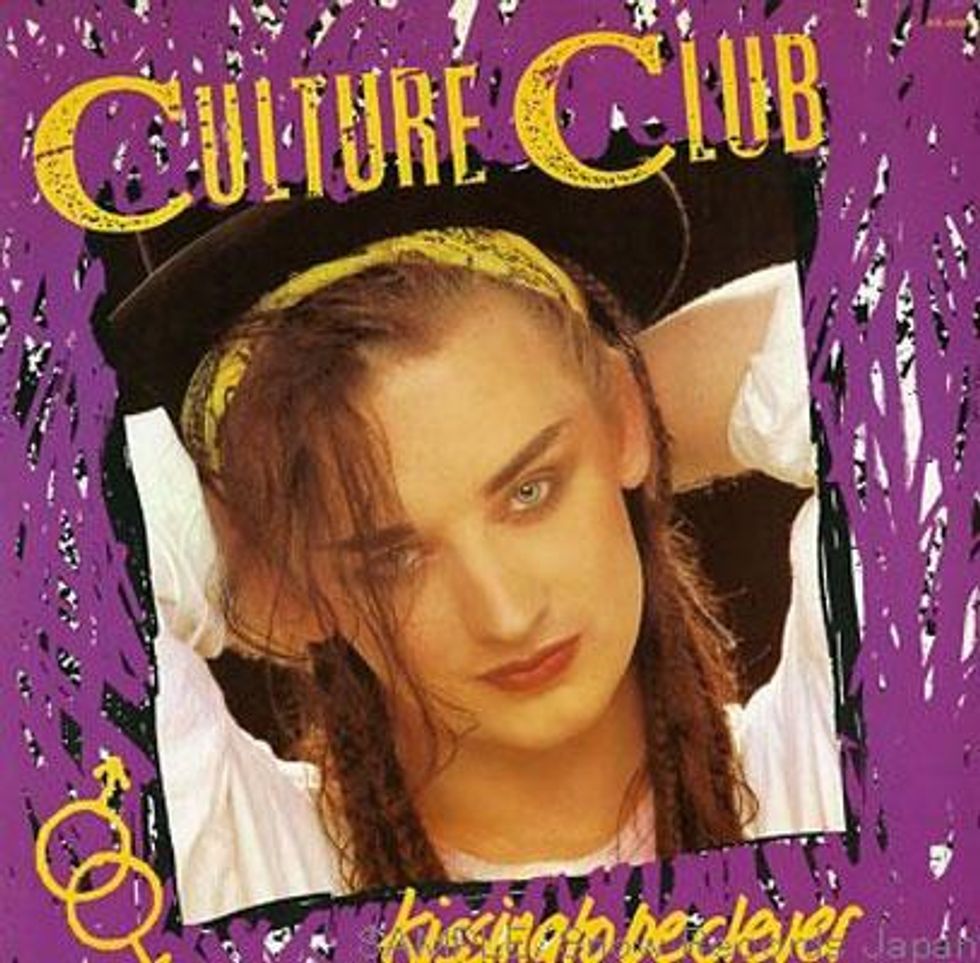
95. Culture Club, 'Kissing to Be Clever,' 1982 http://www.out.com/sites/out.com/files/imagecache/slide-image/95_Kissing-to-be-Clever.jpg 17561
“Boy George broke gender stereotypes. Before Culture Club people probably would not have believed a drag queen would be dominating mainstream music.”--queer punk/hip-hop band Scream Club

“Just buying that album outed me to my fraternity brothers.”--Doug Spearman,
Noah’s Arc
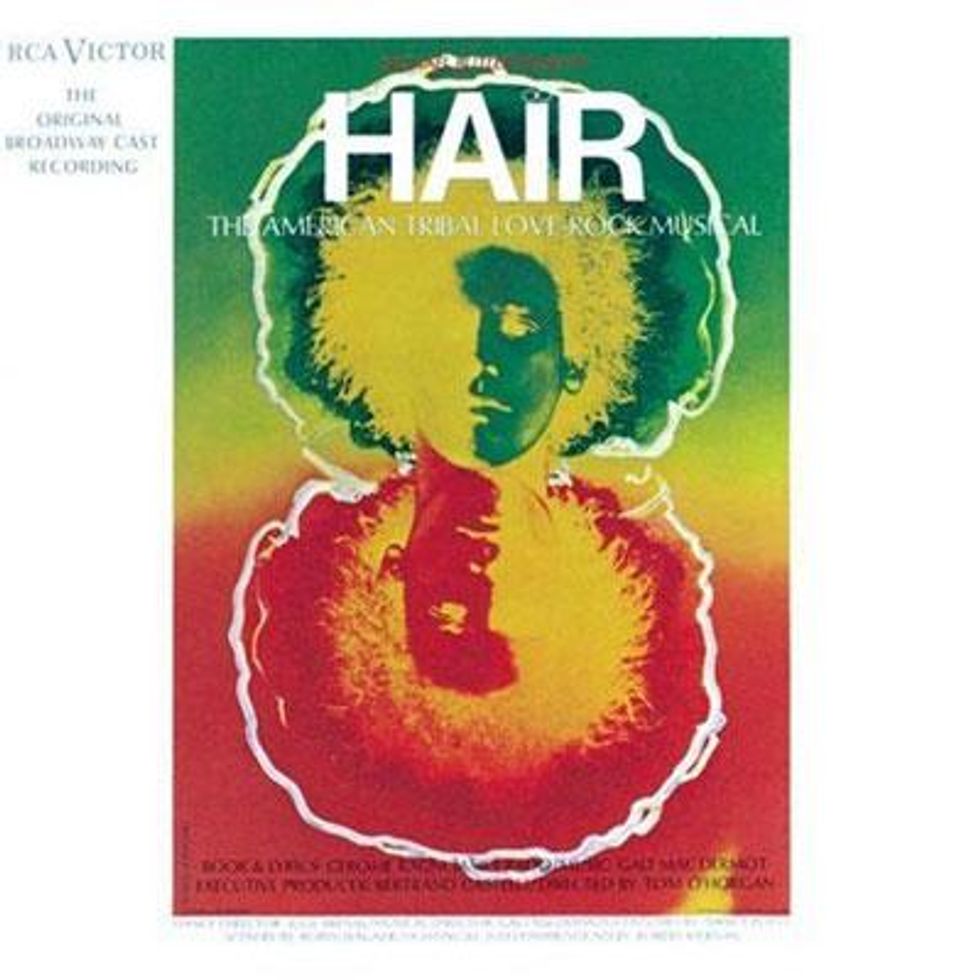
94. 'Hair' Original Broadway Cast, 1968 http://www.out.com/sites/out.com/files/imagecache/slide-image/94_HAIR.jpg 17560
The record won the 1968 Grammy Award for Best Score from an Original Cast Show Album.
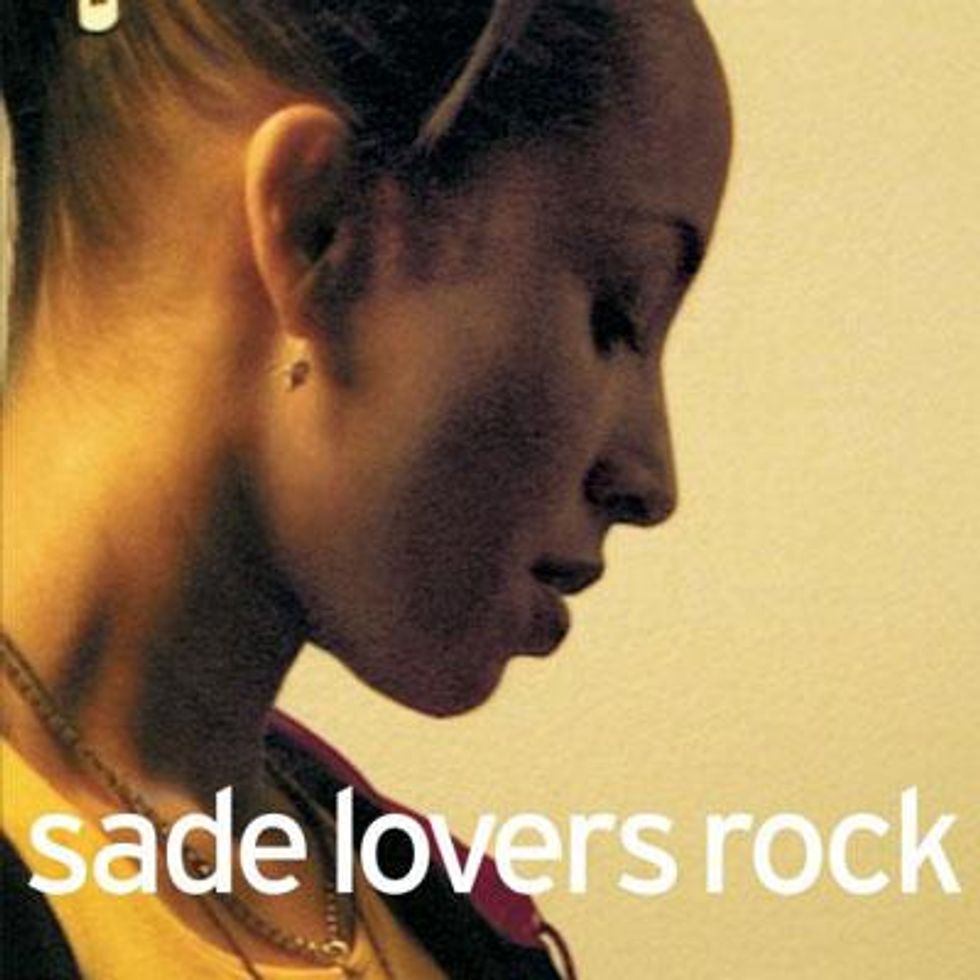
93. Sade, 'Lovers Rock,' 2000 http://www.out.com/sites/out.com/files/imagecache/slide-image/93_LoversRock.jpg 17559
“There is something about her voice and her music that I find completely comforting. When I cover her music at Prides or at LGBT bars across the country, everyone listens and sings along. I think she has a wide gay audience all over the world.”--Eric Himan, acoustic rock musician

“Sade is timeless, and this album in particular is one of the best make-out albums of all time. But you don’t have to be together with someone for this music (and her trademark voice) to speak to you.”--Dave Koz, jazz musician
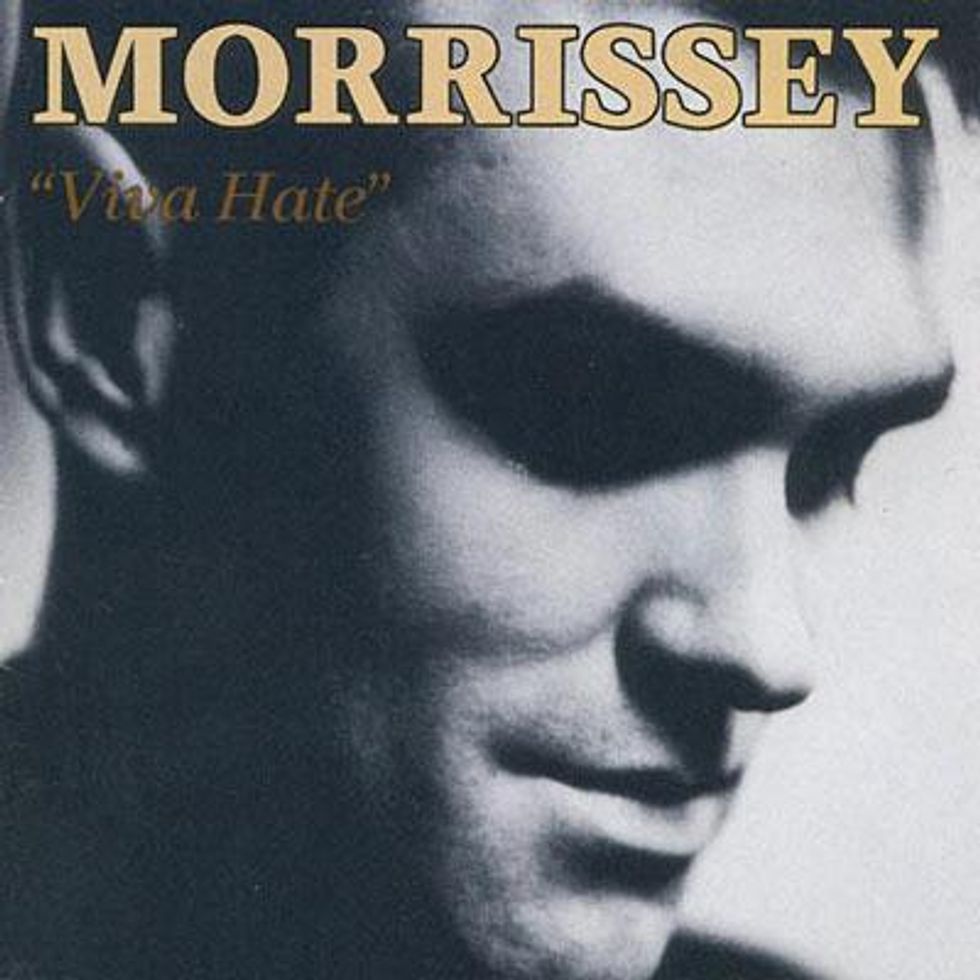
92. Morrissey, 'Viva Hate,' 1988 http://www.out.com/sites/out.com/files/imagecache/slide-image/92_VivaHate.jpg 17558
Morrissey released Viva Hate less than a year after leaving the Smiths. One of its best tracks, “Bengali in Platforms,” is about a young Bengali man living in the U.K. and not fitting in. Many believe the song to be an allegory for Morrissey’s youth.
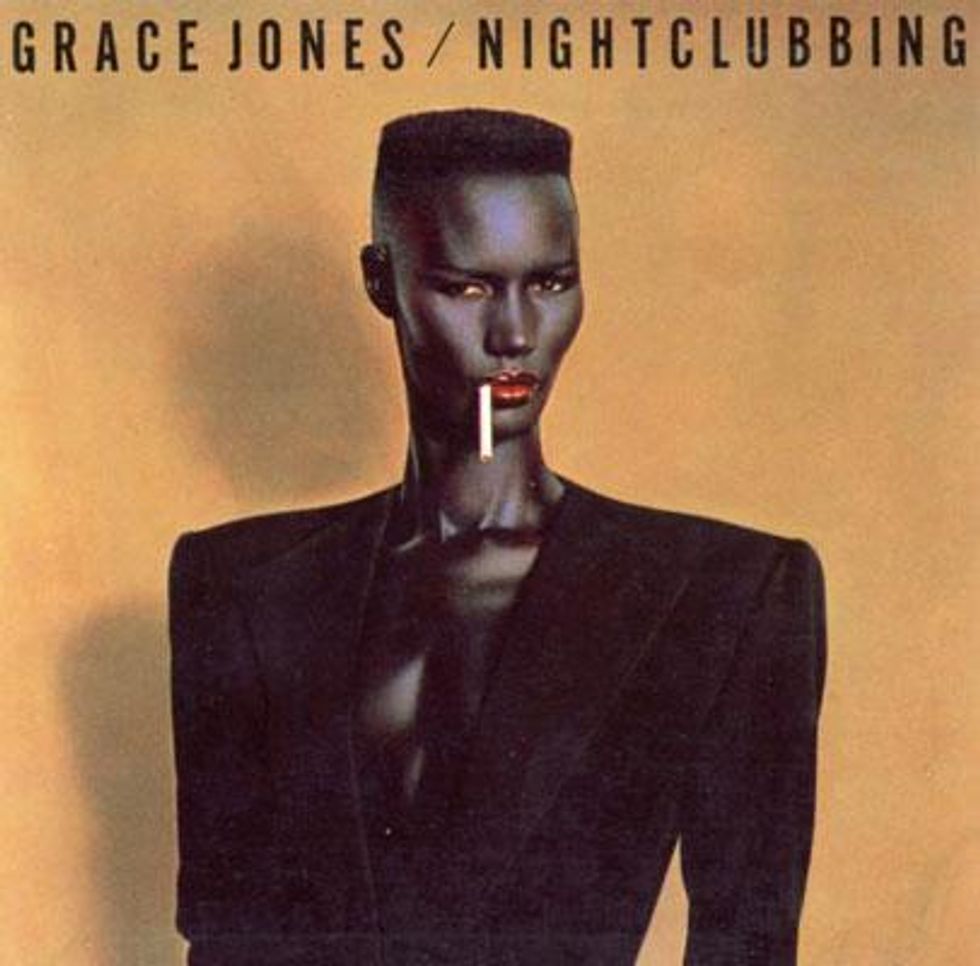
91. Grace Jones, 'Nightclubbing,' 1981 http://www.out.com/sites/out.com/files/imagecache/slide-image/91_Nightclubbing.jpg 17557
On the record’s finest track, the very androgynous, offbeat-as-hell diva coos, “Pull up to my bumper, baby / Drive it in between,” even asking us to grease it, spray it, and let her lubricate it. One of the dirtiest gay anthems in music history.
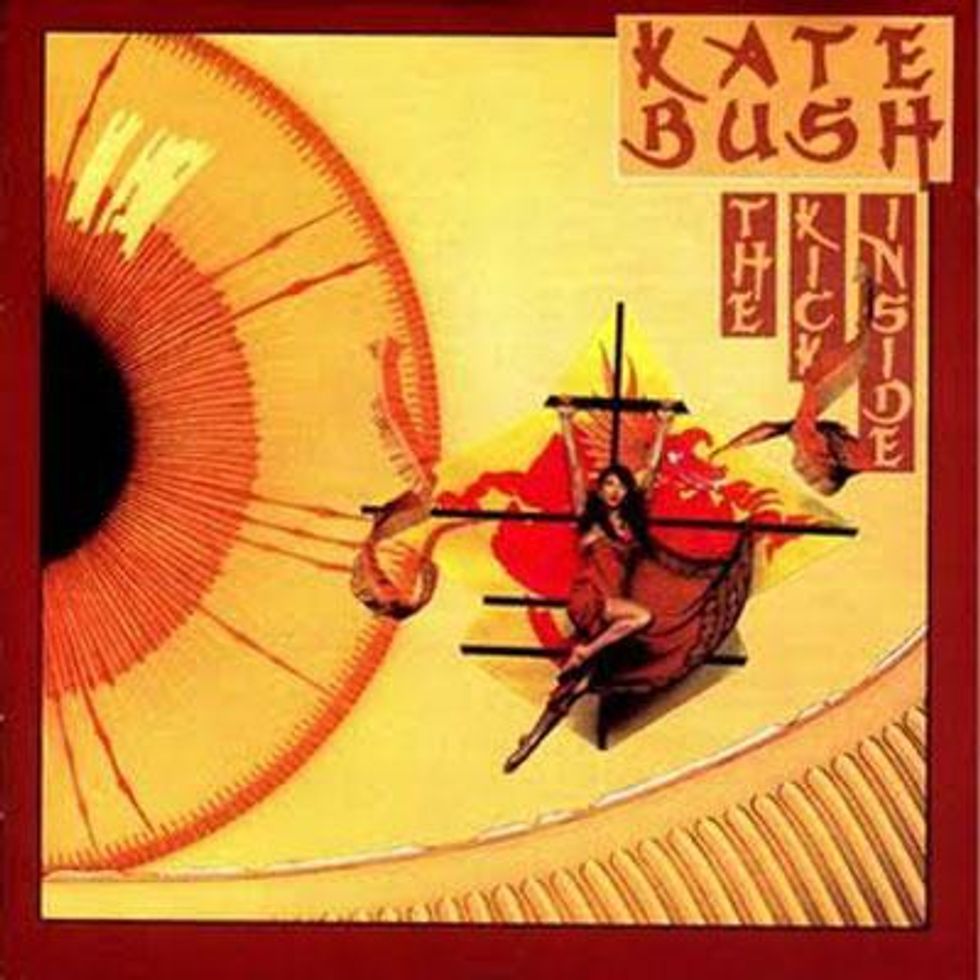
90. Kate Bush, 'The Kick Inside,' 1978 http://www.out.com/sites/out.com/files/imagecache/slide-image/90_TheKickInside.jpg 17556
“In the case of ‘Wuthering Heights’ [the album’s hit single], [Kate] was imitating this witch, the mad lady from the Yorkshire Moors, and she was very theatrical about it. She was such a mesmerizing performer -- she threw her heart and soul into everything she did—that it was difficult to ever fault her or say ‘You could do better.’ ”--Andrew Powell, composer and producer of The Kick Inside.
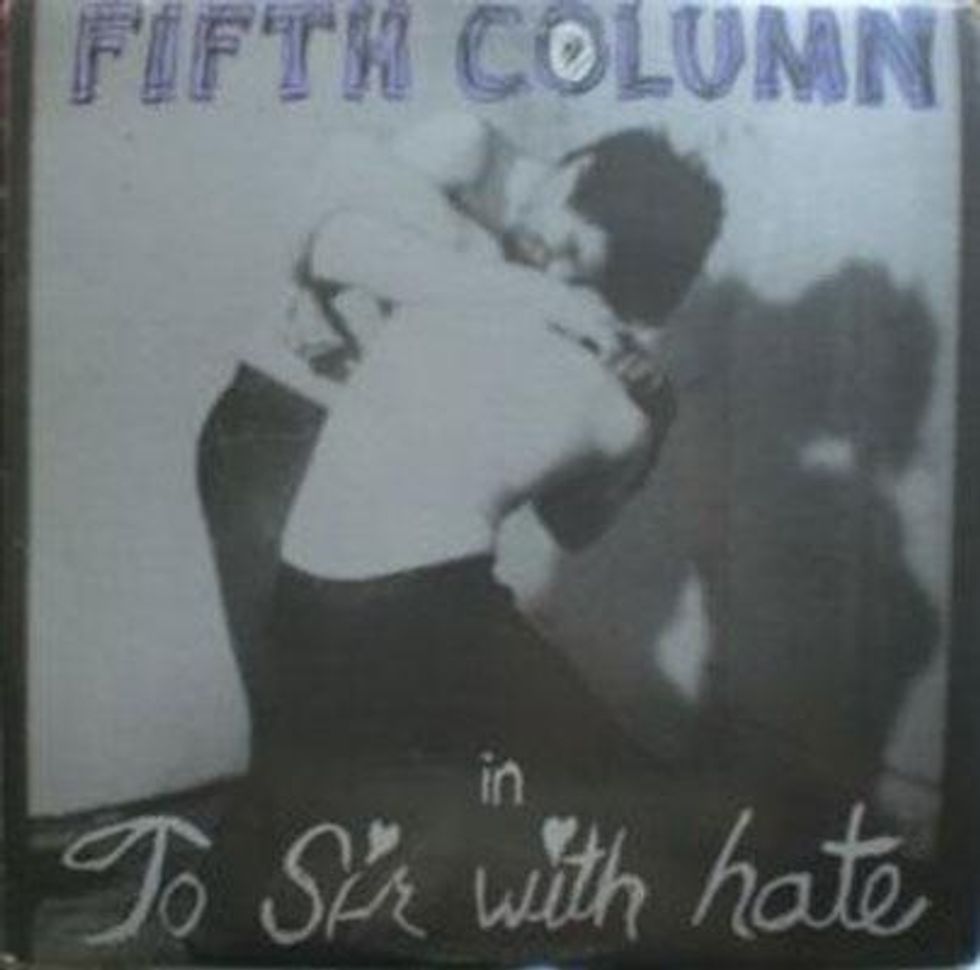
89. Fifth Column, 'To Sir With Hate,' 1986 http://www.out.com/sites/out.com/files/imagecache/slide-image/89_ToSirWithHate.jpg 17555
The title is an allusion to the theme song from the Sidney Poitier film To Sir, With Love, originally recorded by singer and frequent Absolutely Fabulous guest star Lulu. The album was instrumental in paving the way for the emergence of the queercore scene.
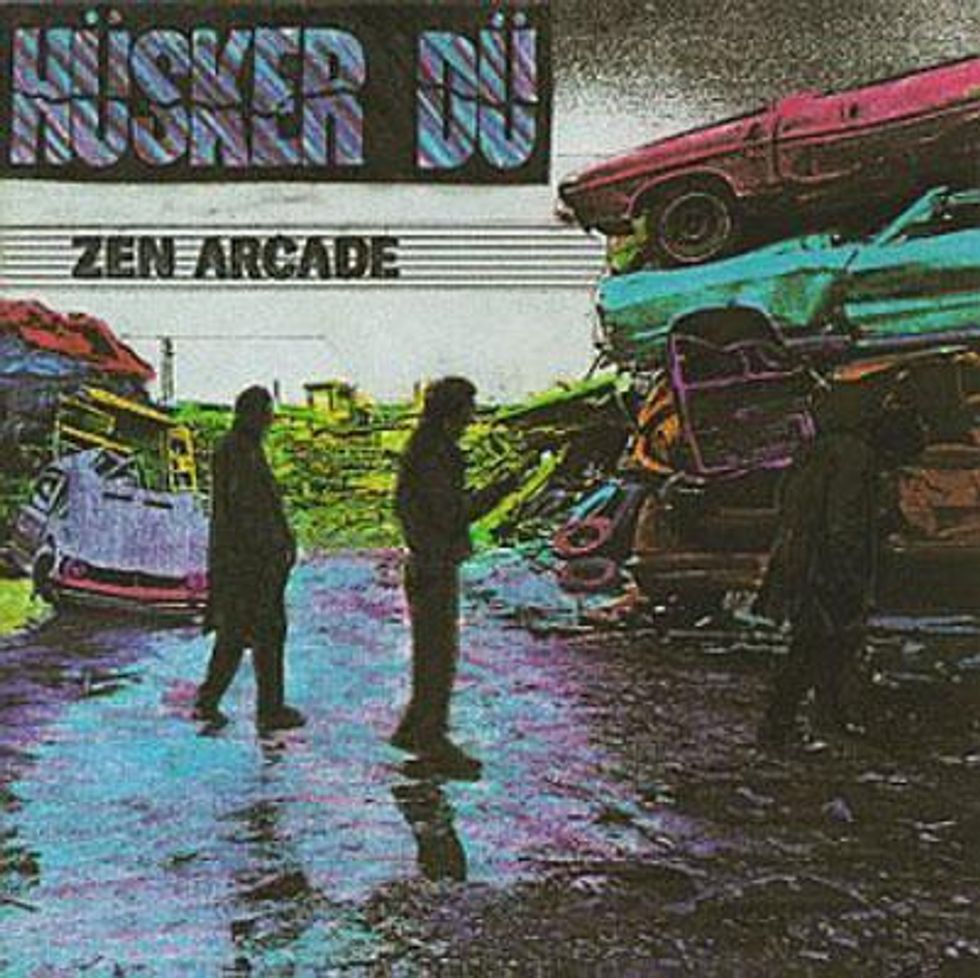
88. Husker Du, 'Zen Arcade,' 1984 http://www.out.com/sites/out.com/files/imagecache/slide-image/88_ZenArcade.jpg 17554
“An epic punk-rock classic.”--Kaia Wilson, of queercore punk band Team Dresch
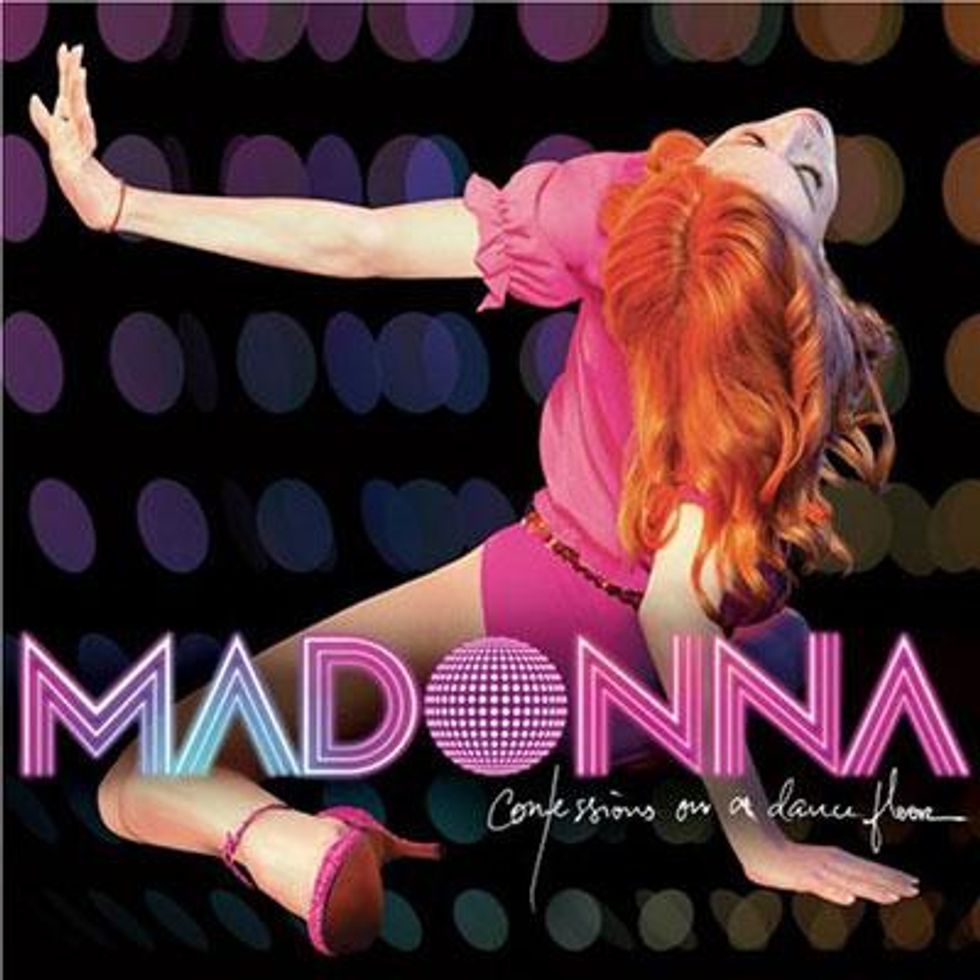
87. Madonna , 'Confessions on a Dance Floor,' 2005 http://www.out.com/sites/out.com/files/imagecache/slide-image/87_ConfessionsonaDanceFloor.jpg 17553
The first of a parade of Madonna albums to land on this list, Confessions is structured like a DJ’s nightly set, with name-that-tune musical references to artists like Abba (see “Hung Up,” with its pitch-perfect sample of “Gimme! Gimme! Gimme!”), Donna Summer, Pet Shop Boys, Bee Gees, and Depeche Mode.
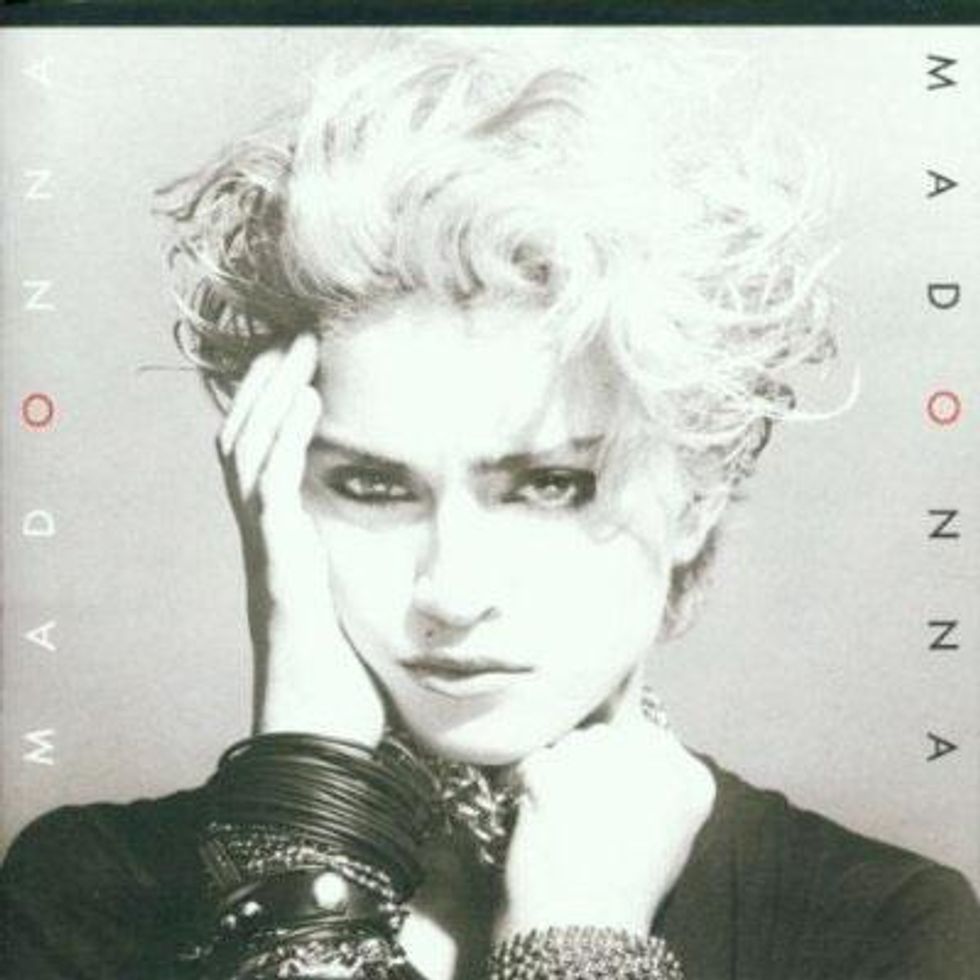
86. Madonna, 'Madonna,' 1983 http://www.out.com/sites/out.com/files/imagecache/slide-image/86_Madonna.jpg 17552
Before Sticky & Sweet, the adopted African baby, and iTunes. Before Guy Ritchie, A-Rod, and Jesus. Before sex books, tell-alls, and that Britney Spears kiss. Before all that, there was the debut album and the real first hit, “Holiday.” Asking us to “forget about the bad times,” it is arguably still the number 1 road trip song for gay men.

"I was in love with her. I never wanted to be her but I definitely wanted to hold hands. I still have my Like A Virgin tour t-shirt. I can tell you what I wore to the concert but that might be really saying too much. One word... AWKWARD!" -- Melissa York, drummer for the Butchies and Team Dresch
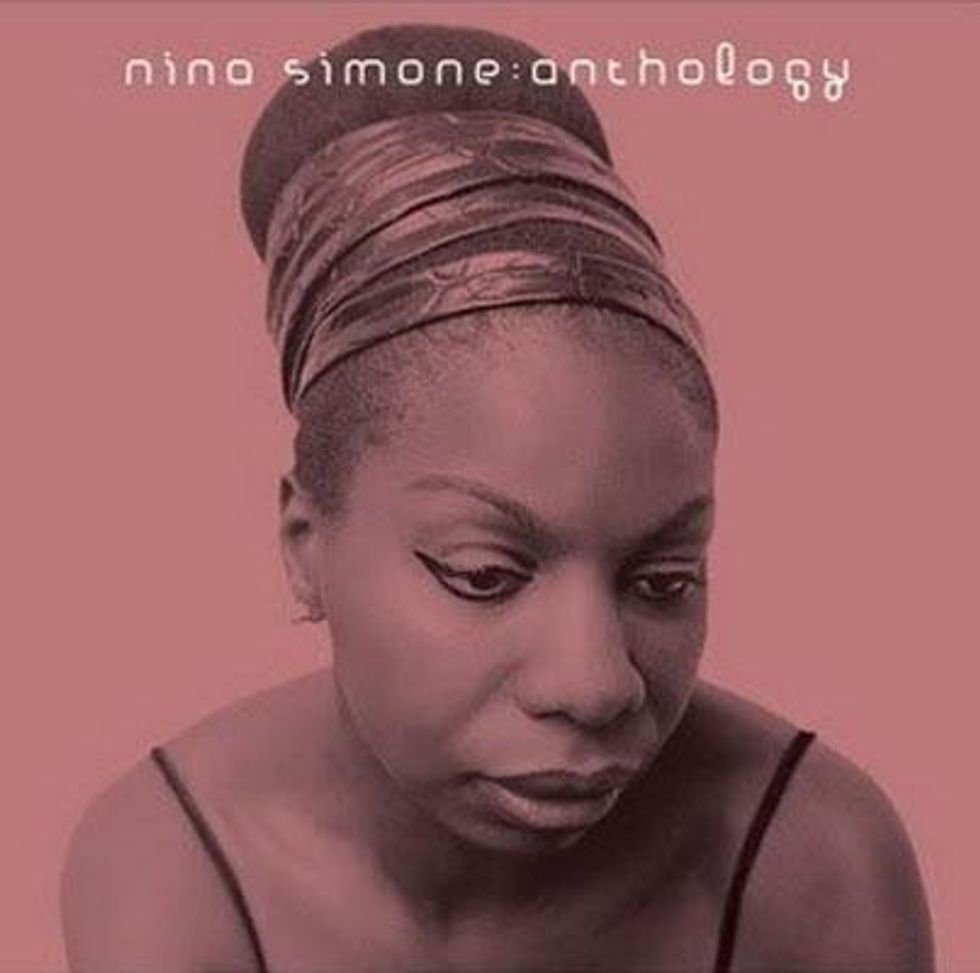
85. Nina Simone, 'Anthology,' 2003 http://www.out.com/sites/out.com/files/imagecache/slide-image/85_NinaSimoneAnthology.jpg 17551
It’s impossible to pinpoint just one album from the High Priestess of Soul that resonates with gay fans, but this collection has the essentials: “I Loves You, Porgy,” “My Baby Just Cares for Me,” “Ne Me Quitte Pas,” “Sinner Man,” “Ain’t Got No (I Got Life),” and, of course, “I Want a Little Sugar in My Bowl,” perhaps the naughtiest gay anthem next to Grace Jones’s “Pull Up to the Bumper.”
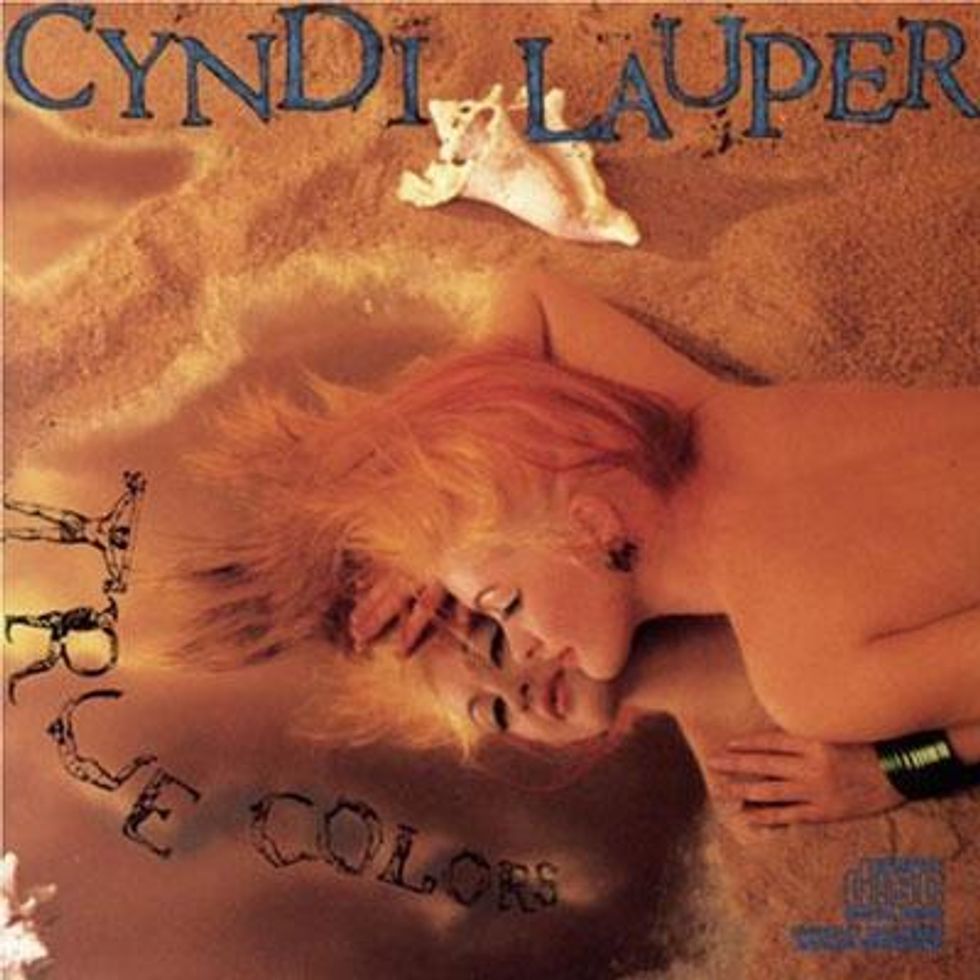
84. Cyndi Lauper, 'True Colors,' 1986 http://www.out.com/sites/out.com/files/imagecache/slide-image/84_TrueColors.jpg 17550
“Cyndi completely dismantled [any] sort of traditional arrangement and came up with something that was breathtaking and stark. Tom and I were both elated when we heard [the single ‘True Colors’] because it was so much more adventurous than our demo, and to her credit, she produced it and did a beautiful job. That song, more than any other song I’ve written, has had tremendous life [and] seems to have the most universal appeal.”-- Billy Steinberg, composer of “True Colors”
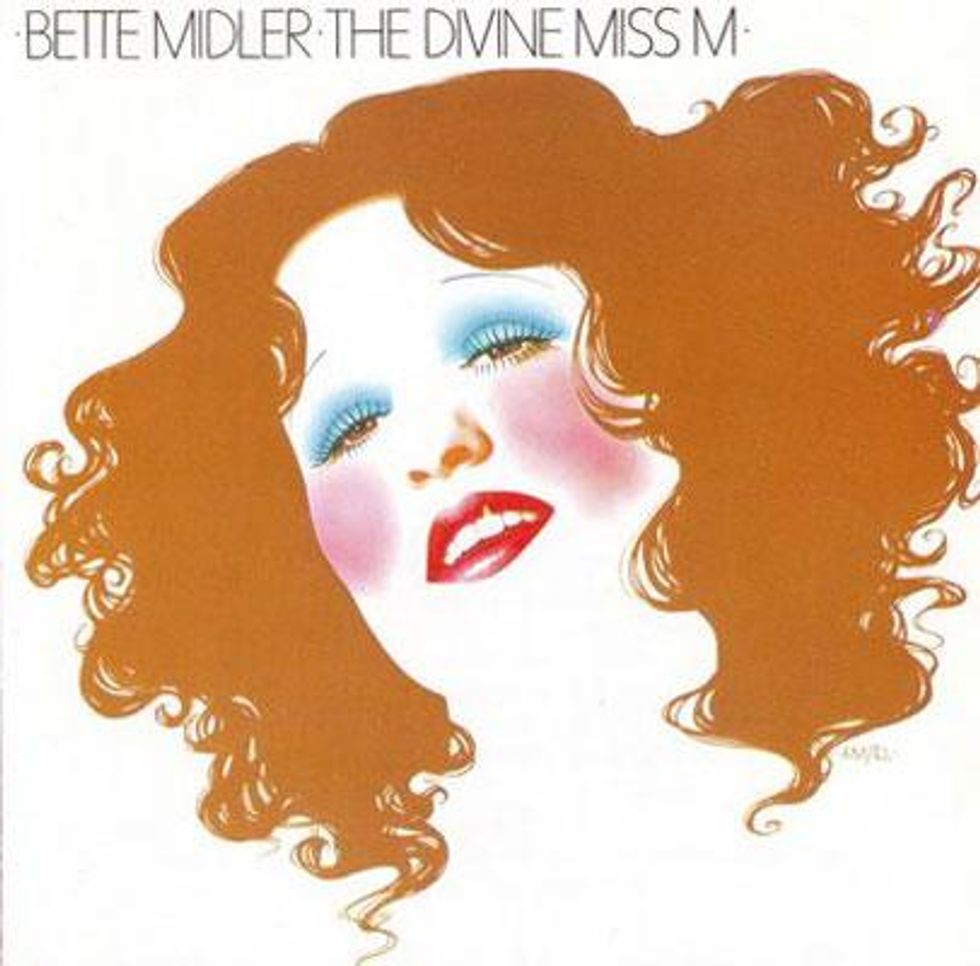
83. Bette Midler, 'The Divine Miss M,' 1972 http://www.out.com/sites/out.com/files/imagecache/slide-image/83_DivineMissM.jpg 17548
A Grammy-winning collaboration with Barry Manilow, the album includes songs that became overnight gay favorites: "Do You Want To Dance,” "Chapel of Love,” “Friends,” and Boogie Woogie Bugle Boy.” The famous duo met at the Continental Baths (in the basement of New York City’s Ansonia Hotel) in 1970, where Midler sang and Manilow accompanied her on the piano.
82. Cher, 'Believe,' 1998 http://www.out.com/sites/out.com/files/imagecache/slide-image/82_Believe.JPG 17547
America believed in life after love, and Cher after Sonny. Few comebacks were as well executed (and wigged-out) as the then 52-year-old’s return to the spotlight. In addition to the title track, which reintroduced the pop world to Auto-Tune, the album includes “Strong Enough,” which the singer remade using lyrics that spoke directly to her gay male audience.
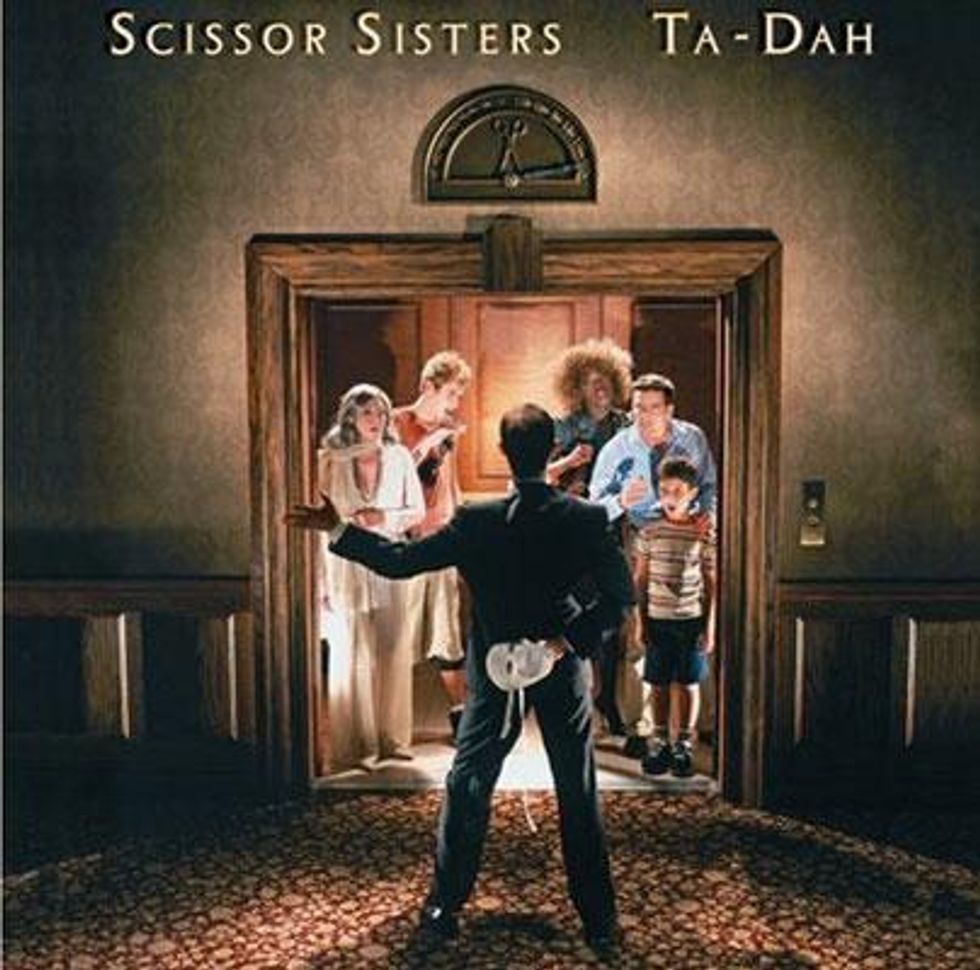
81. Scissor Sisters, 'Ta-Dah,' 2006 http://www.out.com/sites/out.com/files/imagecache/slide-image/81_TaDah.jpg 17546
Their fabulous second album featured the hit “I Don’t Feel Like Dancing,” cowritten by Elton John, as well as the gender-bender “She’s My Man.”
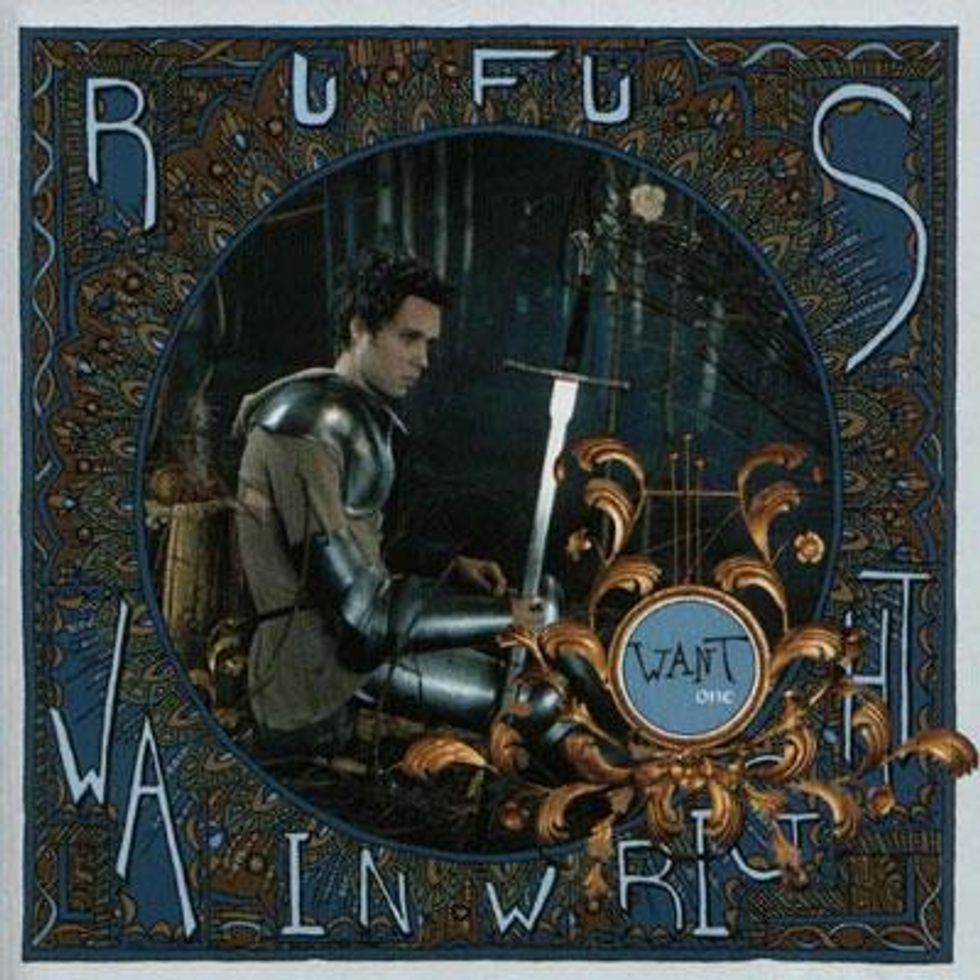
80. Rufus Wainwright, 'Want One,' 2003 http://www.out.com/sites/out.com/files/imagecache/slide-image/80_WantOne.jpg 17545
“It’s about this guy. Behind every one of my records is some guy.”--Rufus Wainwright
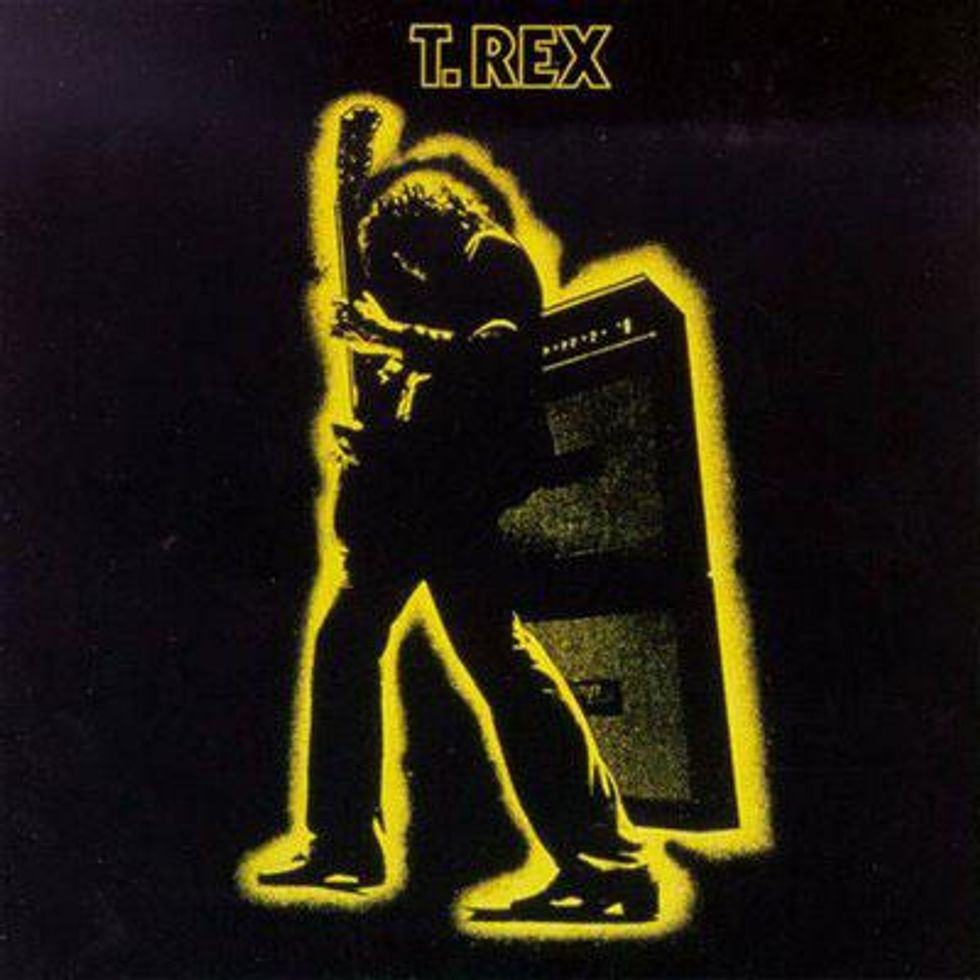
79. T. Rex, 'Electric Warrior,' 1971 http://www.out.com/sites/out.com/files/imagecache/slide-image/79_ElectricWarrior.jpg 17544
Pioneering glam rock band T. Rex was artistically directed by makeup-wearing Marc Bolan, the guitarist and lead vocalist. T. Rex’s performance on British music program Top of the Pops, in which Bolan wore glitter under his eyes, is often considered the official birth of glam rock.
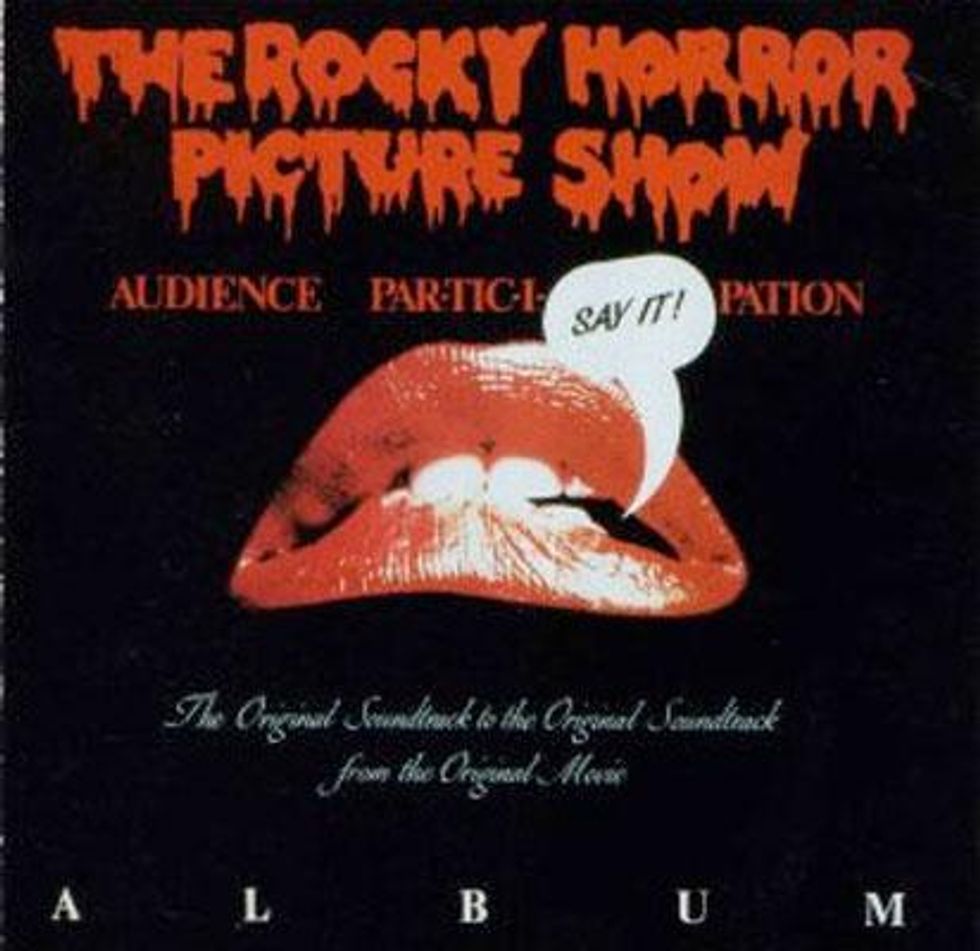
78. Various artists, 'The Rocky Horror Picture Show' Soundtrack, 1975 http://www.out.com/sites/out.com/files/imagecache/slide-image/78_RockyHorror.jpg 17543
What would college kids be like on Halloween without the bizarrely infectious and always inappropriate sounds of “Time Warp”? The answer is: still inebriated, but far more conventional. Frank-N-Furter remains the classic deity of dancing drag-queen debauchery, and this is the music of one of the key originators of the cult classic genre.
77. New Order, 'Substance,' 1987 http://www.out.com/sites/out.com/files/imagecache/slide-image/77_Substance.gif 17542
In 24 tracks, New Order gives listeners a feast of early electronic rock -- the band was perhaps the most skillful purveyor of the genre at the time. Songs like “Blue Monday,” “Bizarre Love Triangle,” and “Temptation” make this greatest hits album a mainstay.
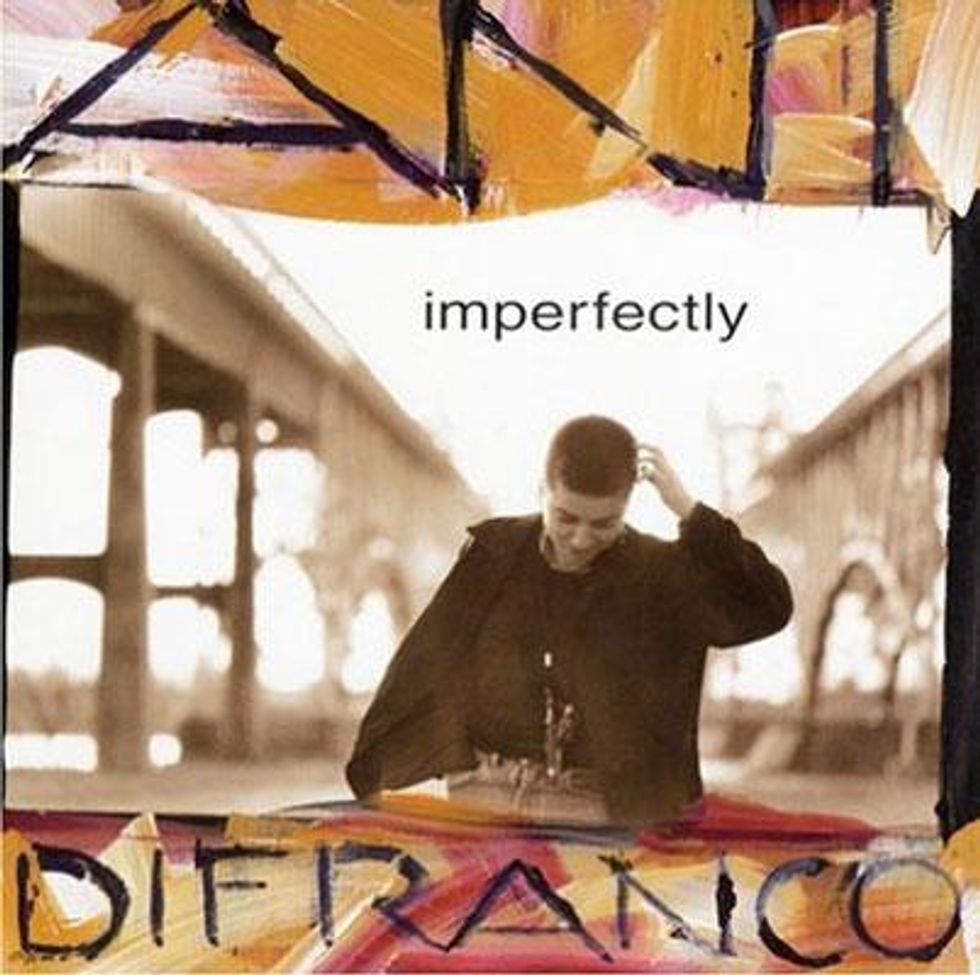
76. Ani DiFranco, 'Imperfectly,' 1992 http://www.out.com/sites/out.com/files/imagecache/slide-image/76_Imperfectly.jpg 17541
Ani’s third album was subversive, moody, and politically motivated, addressing hypocrisy in the government and, for the first time, her bisexuality in the track “In or Out.”
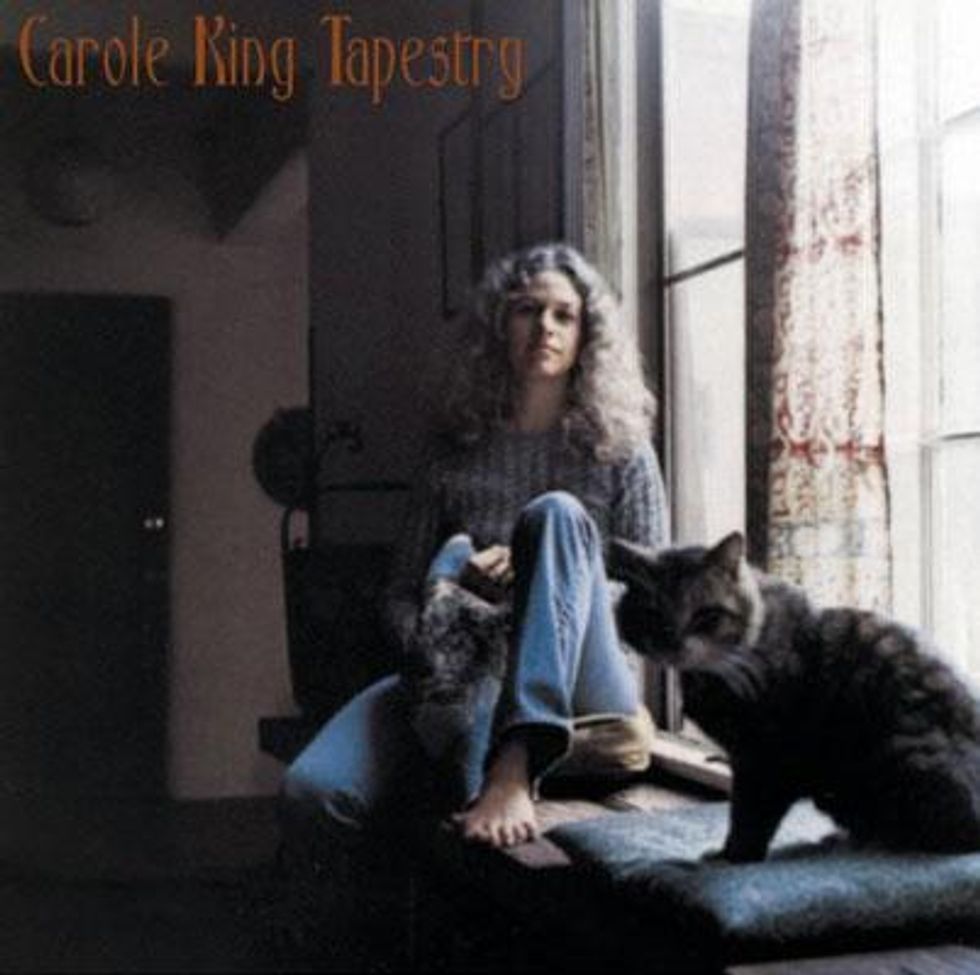
75. Carole King, 'Tapestry,' 1971 http://www.out.com/sites/out.com/files/imagecache/slide-image/75_Tapestry.jpg 17540
This iconic album -- which includes the classics “You Make Me Feel (Like a Natural Woman),” “You’ve Got A Friend,” and “It’s Too Late” -- was chosen by the Library of Congress to be added to the National Recording Registry. King scooped up four Grammy Awards for the album the year it was released.
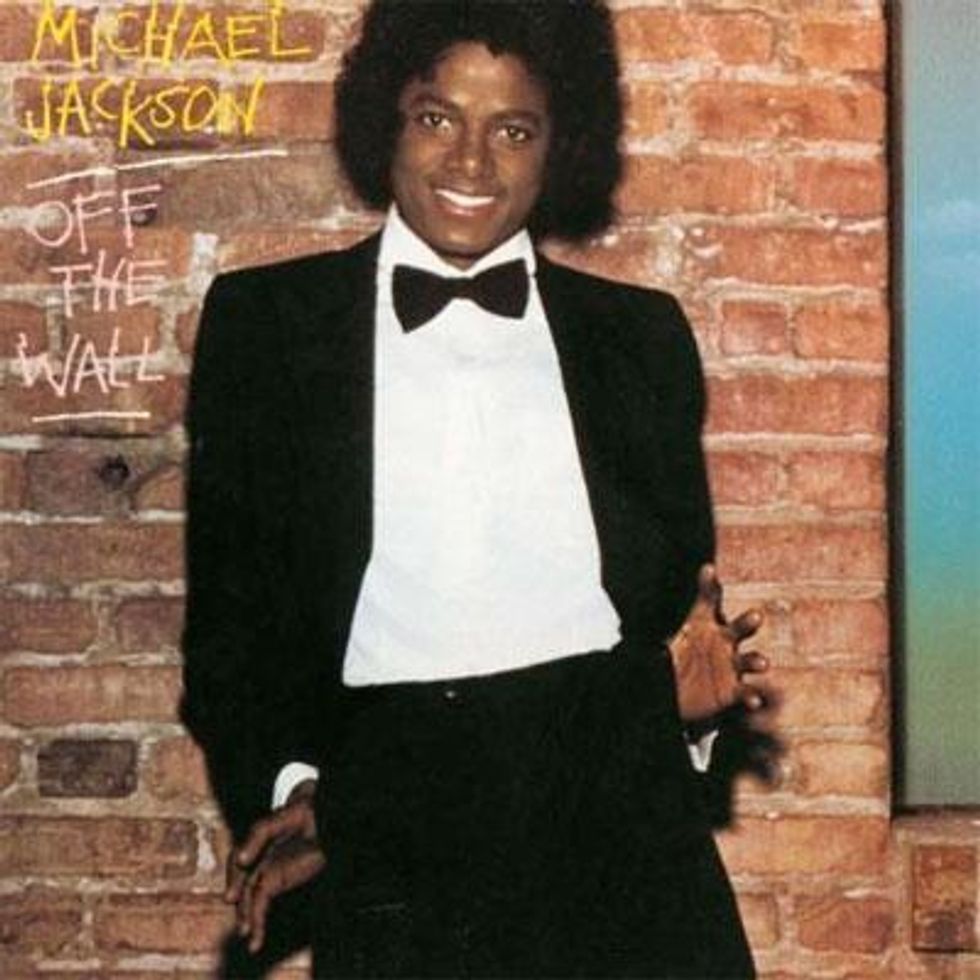
74. Michael Jackson, 'Off the Wall,' 1979 http://www.out.com/sites/out.com/files/imagecache/slide-image/74_OffTheWall.png 17539
Shortly after his appearance in the movie musical The Wiz, Jackson released this classic, featuring party staple “Don’t Stop ’Til You Get Enough,” which earned him a Grammy Award. Other songs like “Rock With You” and the title track helped propel the album’s success -- it has sold more than 20 million copies worldwide.
73. Various artists, 'Fame' soundtrack, 1980 http://www.out.com/sites/out.com/files/imagecache/slide-image/73_Fame.jpg 17538
The original soundtrack of the 1980 movie musical won an Academy Award for best music and a Golden Globe for best score.
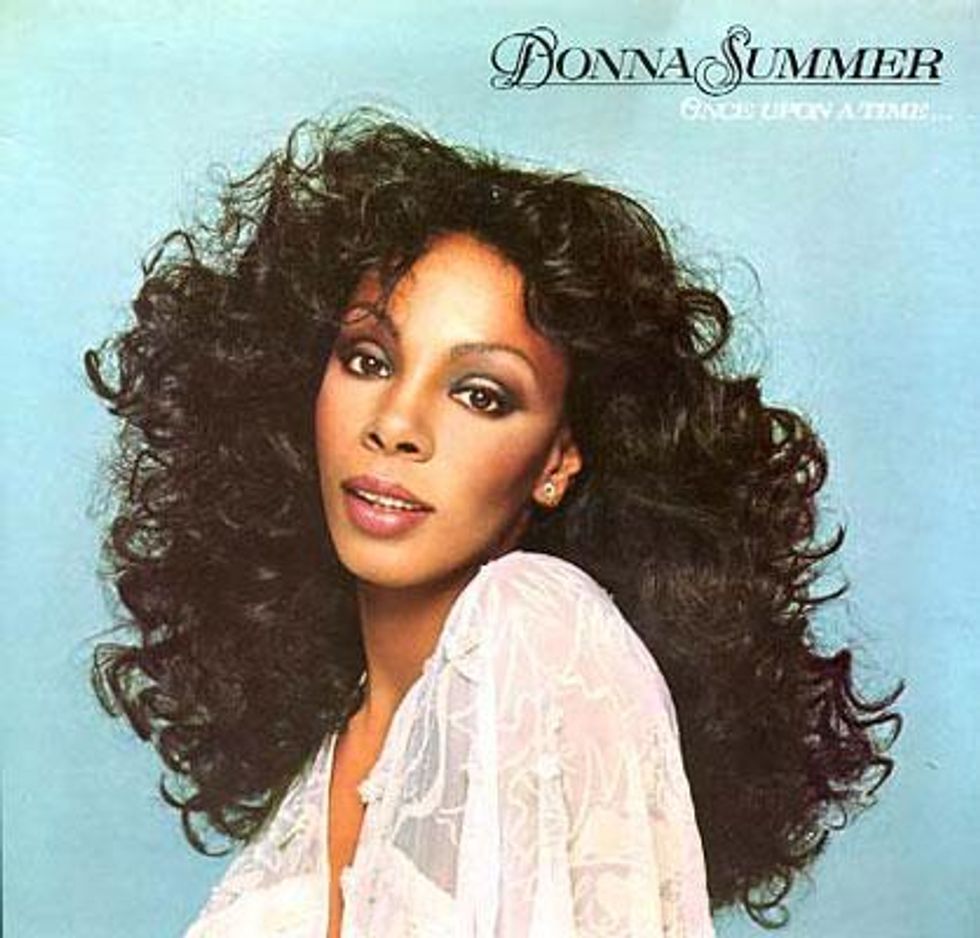
72. Donna Summer, 'Once Upon a Time,' 1977 http://www.out.com/sites/out.com/files/imagecache/slide-image/72_OnceUponATime.jpg 17537
As the title suggests, this album is a disco salute to fairy tales. But Summer's voice here is soft and angelic, contrasting with the belted rawness of Bad Girls.
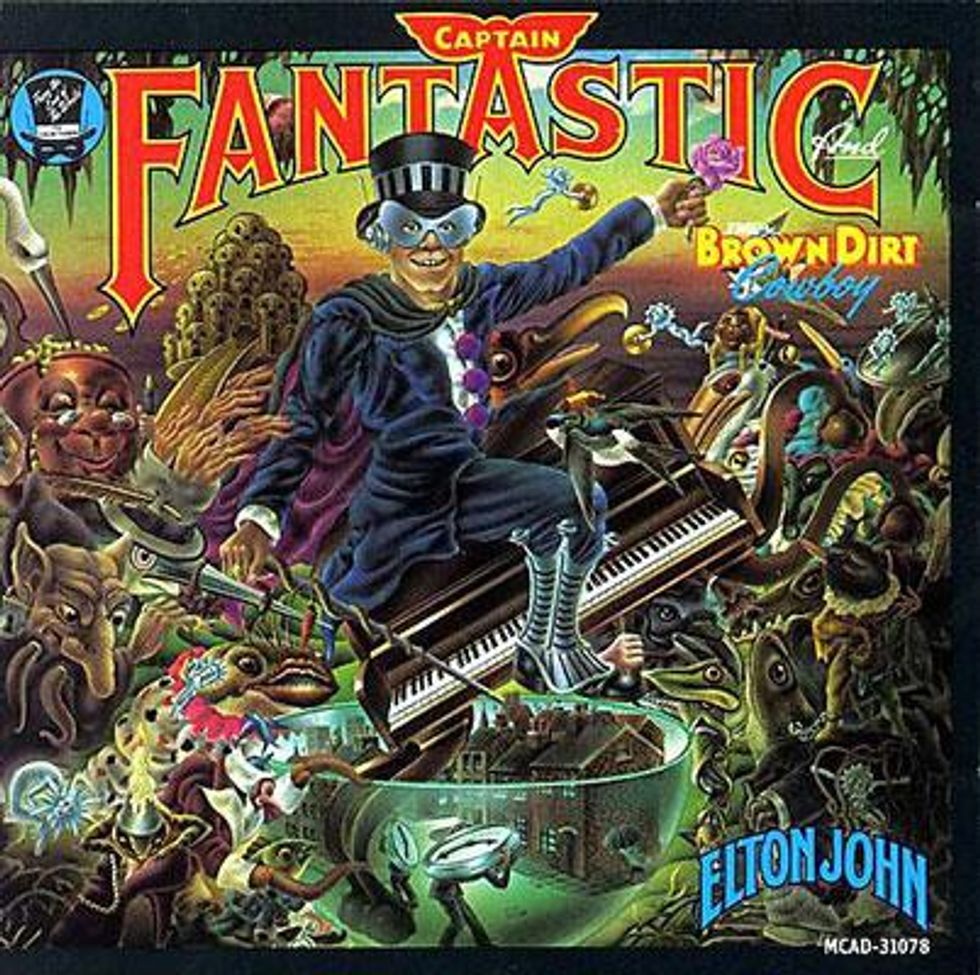
71. Elton John, 'Captain Fantastic and the Brown Dirt Cowboy,' 1975 http://www.out.com/sites/out.com/files/imagecache/slide-image/71_CaptainFantastic.jpg 17536
Elton John’s first Billboard number 1 album contains the classics “Philadelphia Freedom” and “Someone Saved My Life Tonight” as well as a glittering cover of “Lucy in the Sky With Diamonds.”
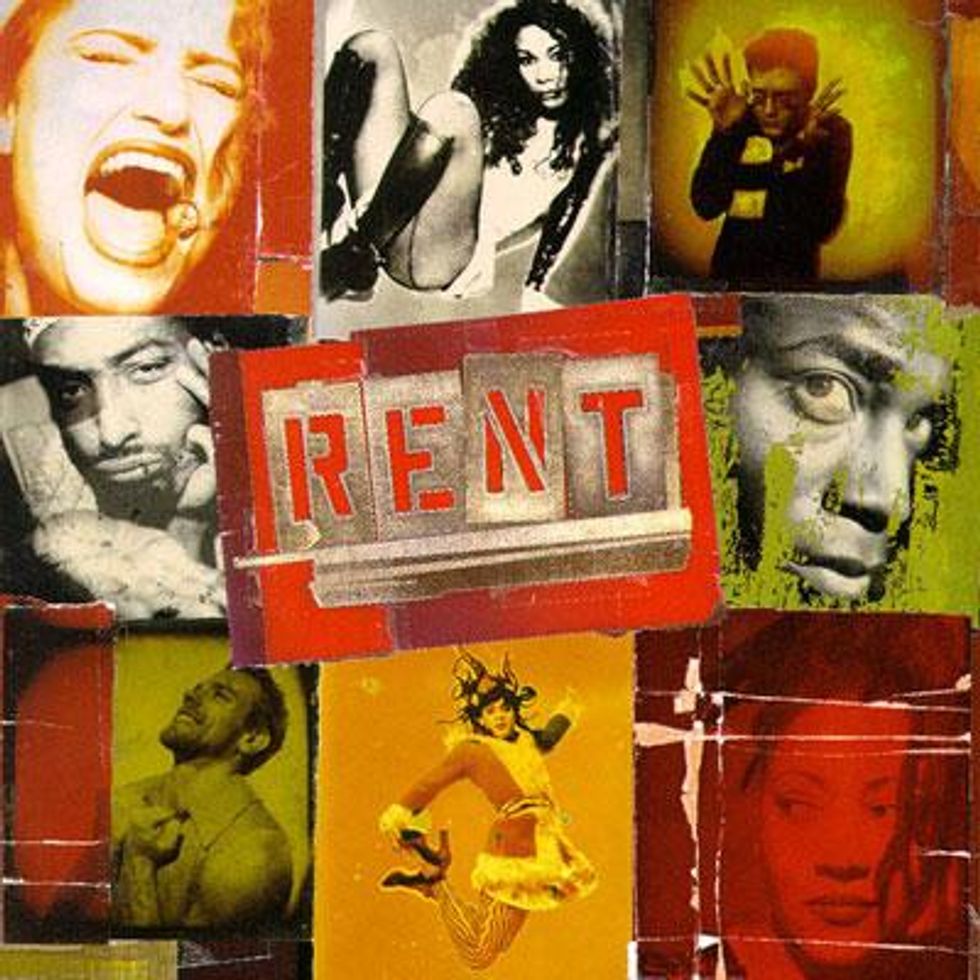
70. 'Rent' Original Broadway cast, 1996 http://www.out.com/sites/out.com/files/imagecache/slide-image/70_RENT.jpg 17535
Across the country in the late ’90s, about a hundred a cappella groups performed this album’s anthem, “Seasons of Love.” Kids from Iowa bought train tickets to New York City, humming “La Vie Boheme” all the way. And aspiring singers, dancers, and drama enthusiasts envisioned themselves under the bright beams of Broadway, belting out lyrics about poverty, drag queens, would-be rock stars, lesbian relationships, strippers, heroin addiction, HIV/AIDS, death, and the sanctuary of friendship.
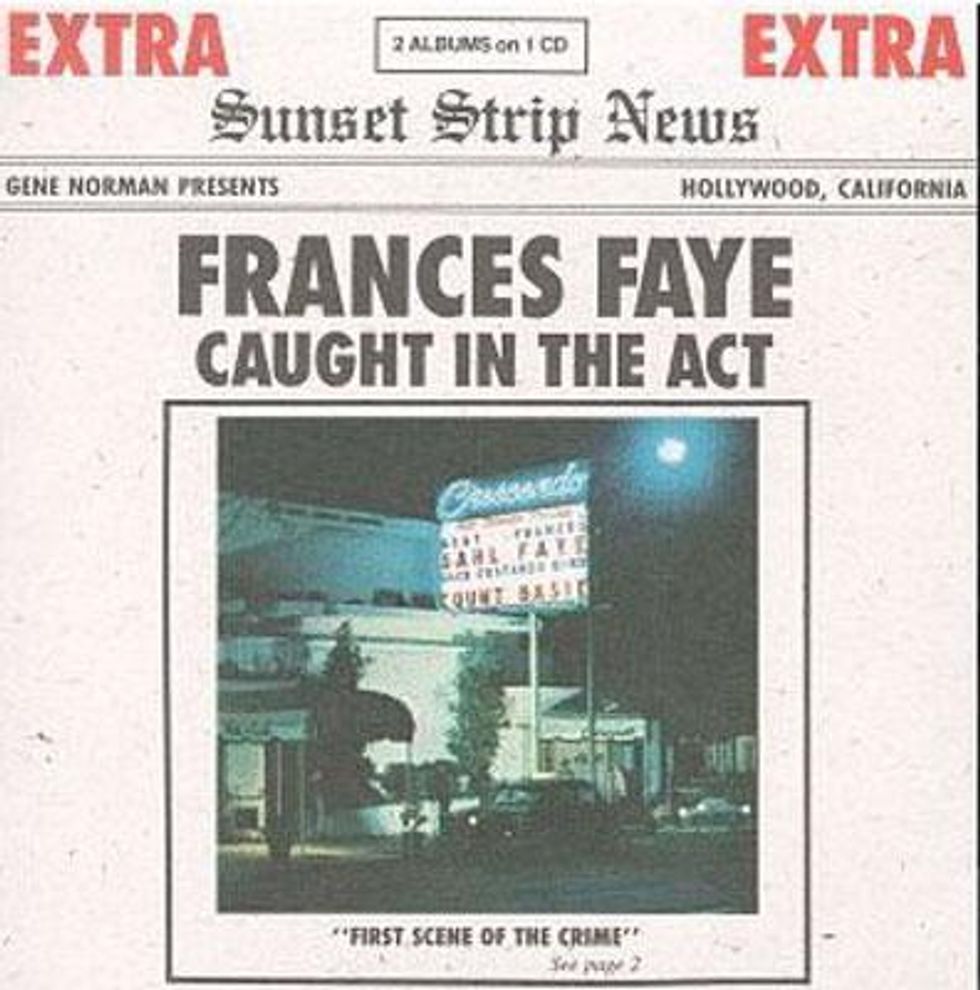
69. Frances Faye, 'Caught in the Act,' 1959 http://www.out.com/sites/out.com/files/imagecache/slide-image/69_CaughtInTheAct.jpg 17534
Perhaps the most unjustly forgotten nightclub singer in queer history, Frances Faye was a brassy bisexual broad whose act was equal parts cabaret and comedy, a mischievous love child of Mae West and Cole Porter. Caught in the Act -- a live recording from 1958 featuring her wild versions of 'Night and Day' and 'The Man I Love' -- is rare, undeniable evidence that her fans, including Rock Hudson, Barbara Stanwyck, and even Paul McCartney, were in on all the dirty jokes. In 'Frances and Her Friends' anything goes: 'I know a guy named Willie / Willie goes with Tilly / Tilly goes with Millie / What a ball!' And the crowd goes wild.
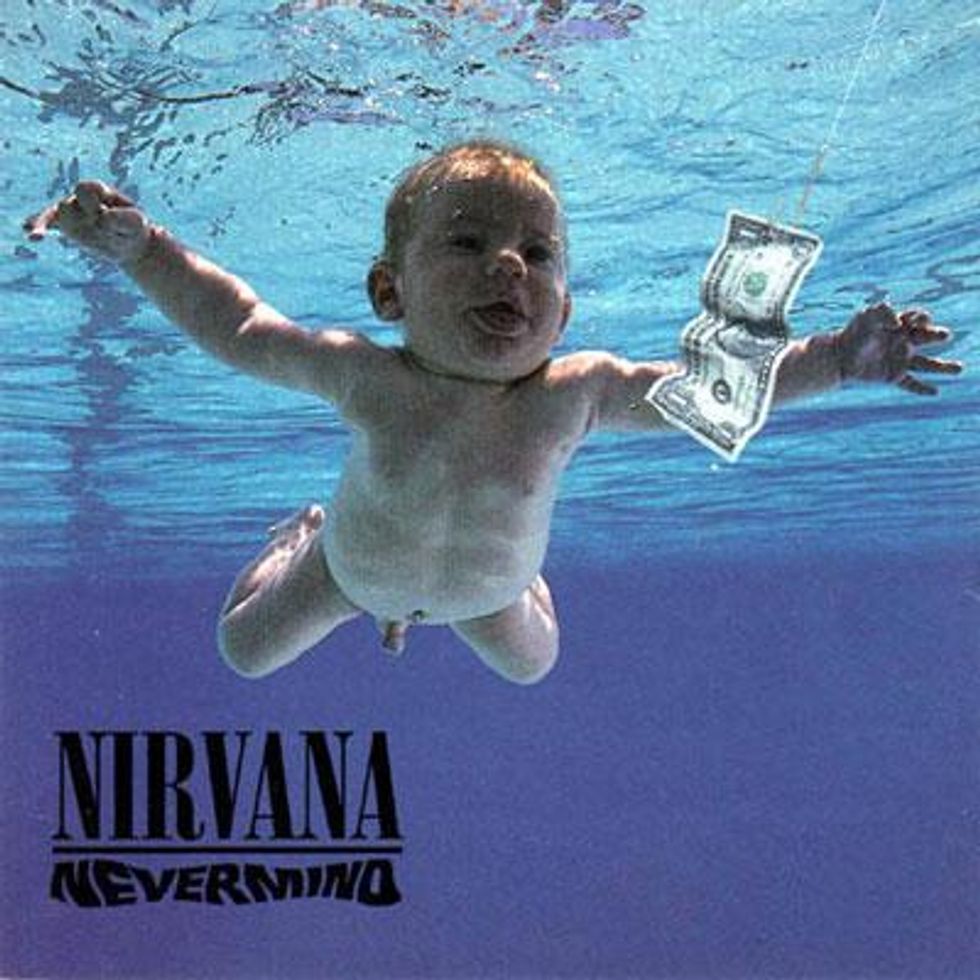
68. Nirvana, 'Nevermind,' 1991 http://www.out.com/sites/out.com/files/imagecache/slide-image/68_Nevermind.jpg 17533
“I found a gay friend who basically saved me from wanting to kill myself half the time. Apparently, everyone in high school knew he was gay, and they just didn’t bother to tell me or I just didn’t bother to notice until he decided to make a pass at me one night and I just flatly told him that I wasn’t gay but I’d still be his friend. After that, I just started to realize that people were looking at me even more peculiarly than usual and then I started getting harassed, especially in gym class. They felt threatened because they were naked and I was supposedly gay, so they either better cover up their penises or punch me... or both. But after that, I started being proud of the fact that I was gay, even though I wasn’t.”--Kurt Cobain
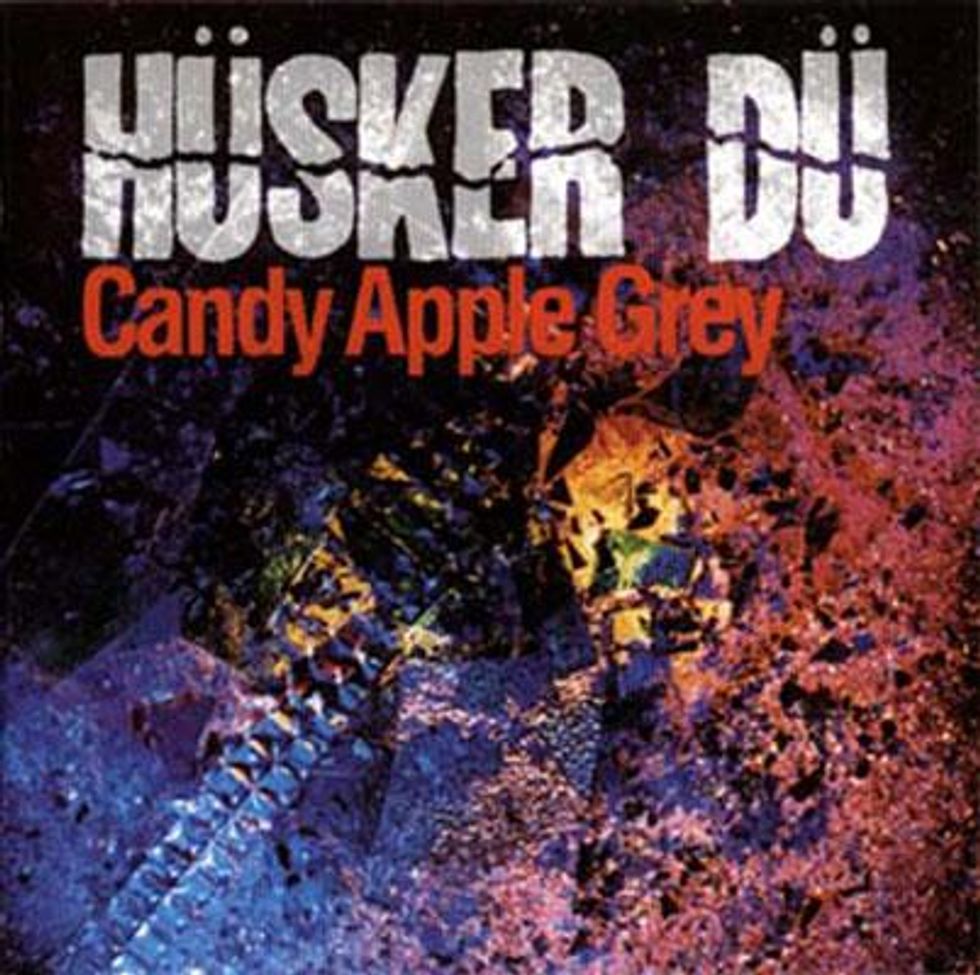
67. Husker Du, 'Candy Apple Grey,' 1986 http://www.out.com/sites/out.com/files/imagecache/slide-image/67_CandyAppleGrey.jpg 17532
The group’s first album under a major label, Candy Apple Grey pinpoints the band’s transition from hardcore punk to what would later be known as alternative or college rock. Lead singer Bob Mould came out of the closet in the early ’90s and in 2006 contributed to Wed-Rock, a compilation album promoting same-sex marriage.
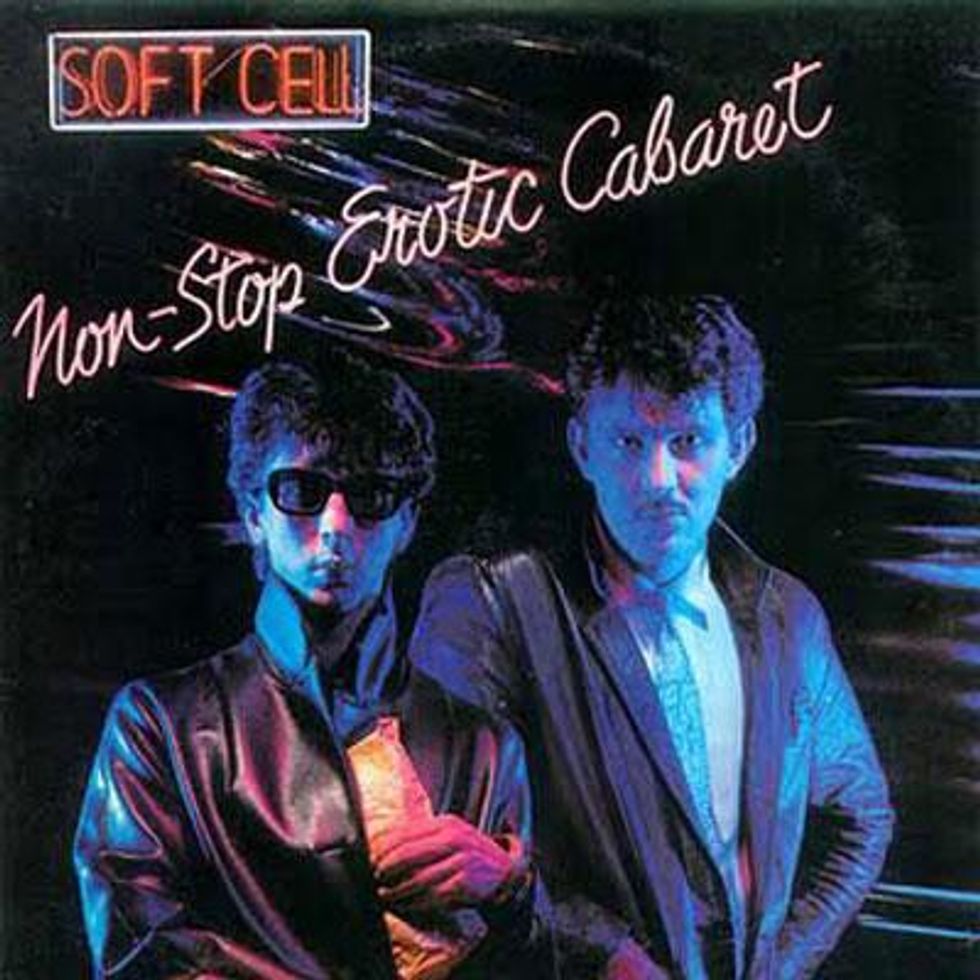
66. Soft Cell, 'Non-Stop Erotic Cabaret,' 1981 http://www.out.com/sites/out.com/files/imagecache/slide-image/66_NonStopEroticCabaret.jpg 17531
Of all the new wave albums to have conquered the charts, Soft Cell's debut is the most deliciously sleazy: It sounds as though it was recorded in a Times Square peep-show booth. Known primarily for the album's massive synth-pop reworking of Gloria Jones's cult soul classic 'Tainted Love,' the British duo of queer singer Marc Almond and keyboardist Dave Ball also documents the last gay gasp of pre-AIDS abandon in tracks like 'Seedy Films' and 'Sex Dwarf' as well as the sobering mornings after in 'Bedsitter.' Almond misses notes but, more important, nails the tenderness at the heart of the hedonism.
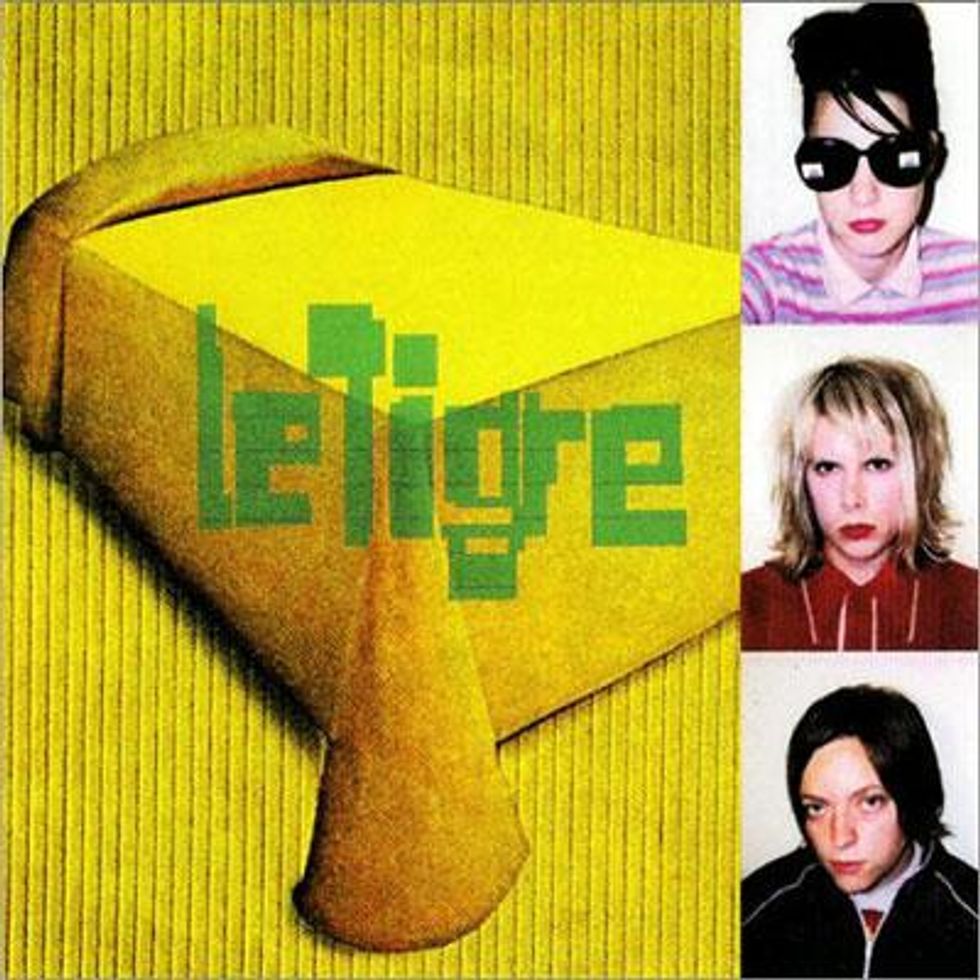
65. Le Tigre, 'Le Tigre,' 1999 http://www.out.com/sites/out.com/files/imagecache/slide-image/65_LeTigre.jpg 17530
"It was the soundtrack to the queer cultural landscape of the late '90s. It inspired countless girls to pick up instruments and give a shit about what was going on. It was riot grrrl with a bit more technology and dance appeal." -- Scream Club
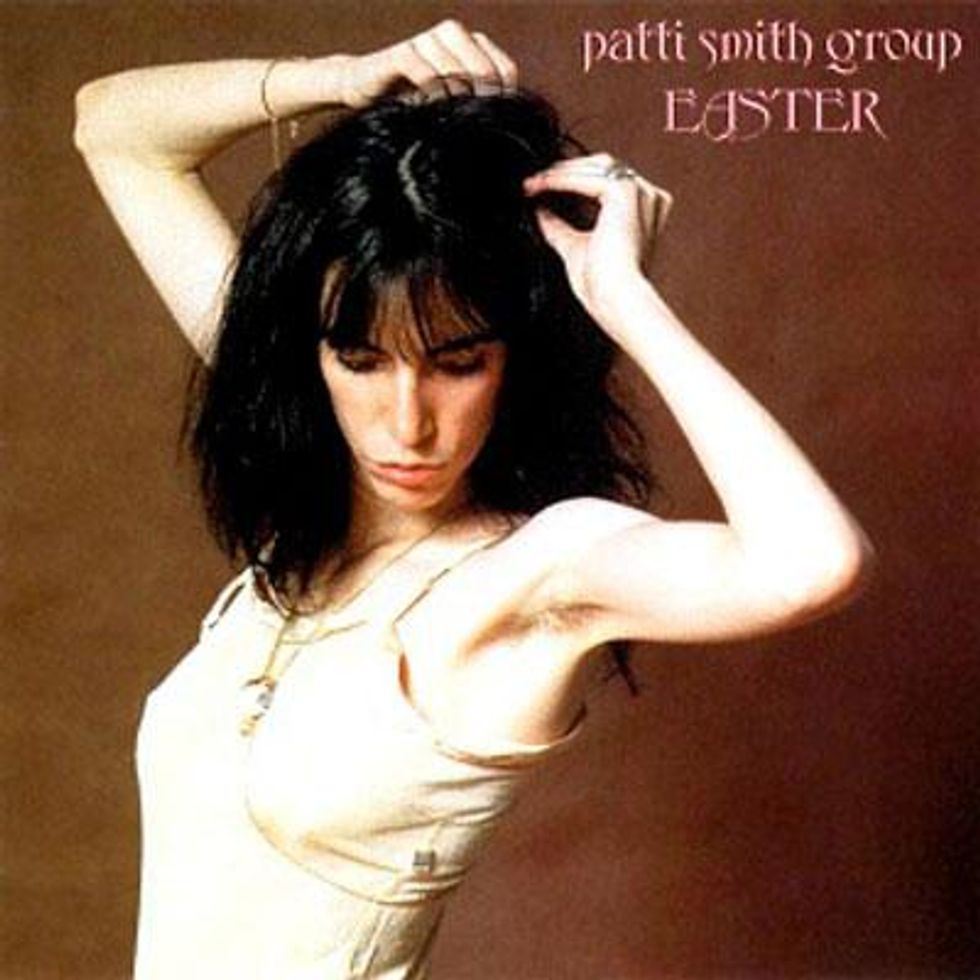
64. Patti Smith, 'Easter,' 1978 http://www.out.com/sites/out.com/files/imagecache/slide-image/64_Easter.jpg 17529
In the album’s liner notes, which feature photos of Smith taken by her former lover and lifelong friend, queer photographer Robert Mapplethorpe, Smith thanked both her boyfriend at the time, Blue Oyster Cult’s Allen Lanier (who sang on the album), and her secret lover, MC5 guitarist Fred “Sonic” Smith.
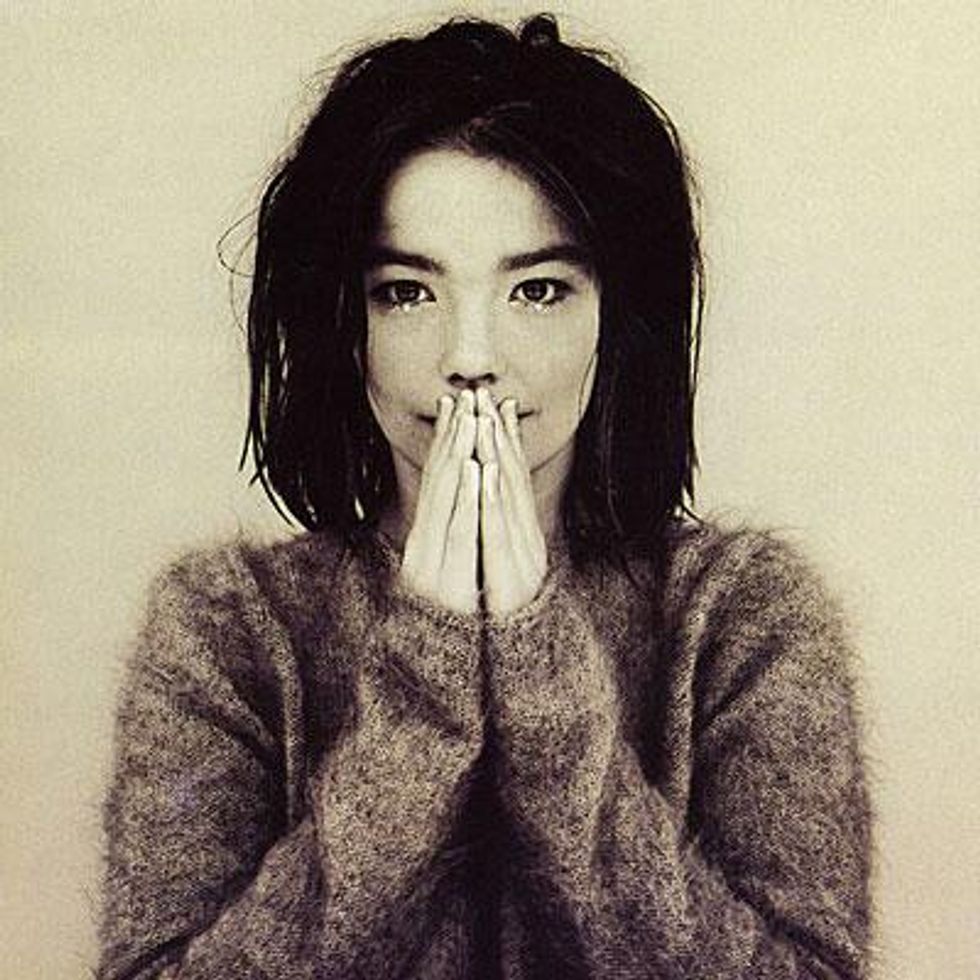
63. Bjork, 'Debut,' 1993 http://www.out.com/sites/out.com/files/imagecache/slide-image/63_Debut.jpg 17528
The enchanting album unleashed a string of superbly surreal music videos (“Human Behavior,” “Big Time Sensuality,” “Violently Happy”), but it wasn’t actually Björk’s debut. Her first album was 1977’s Björk, released when the singer was just 11 years old.
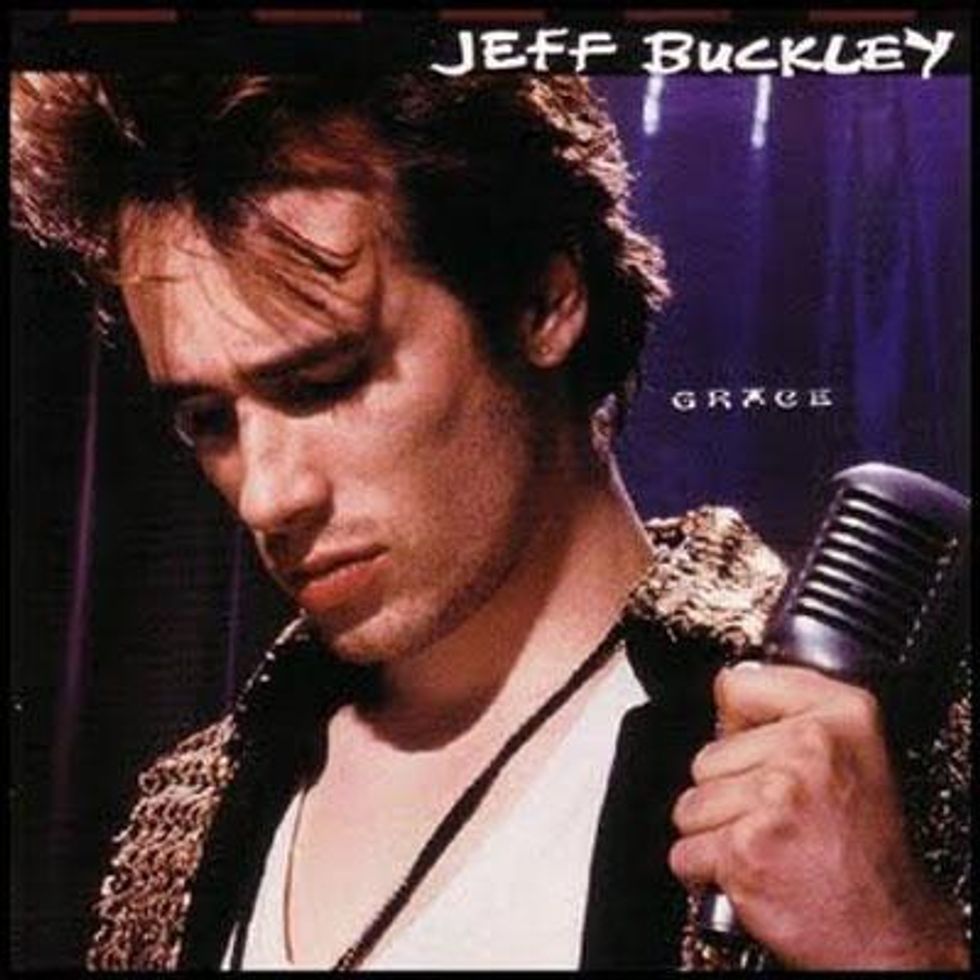
62. Jeff Buckley, 'Grace,' 1994 http://www.out.com/sites/out.com/files/imagecache/slide-image/62_Grace.jpg 17527
"My first boyfriend lived in New York City when we met, and he insisted I buy this cassette. Jeff's angelic voice and soul-wrenching lyrics touched my heart immediately. During my first trip to New York to visit said boyfriend, he and I got into a huge fight. While I was wandering alone around the East Village, I ran into Jeff outside a music venue. I told him I loved his music. He told me he loved my shirt. I immediately tracked down the boyfriend for make-up sex." -- Darryl Stephens, Noah's Arc
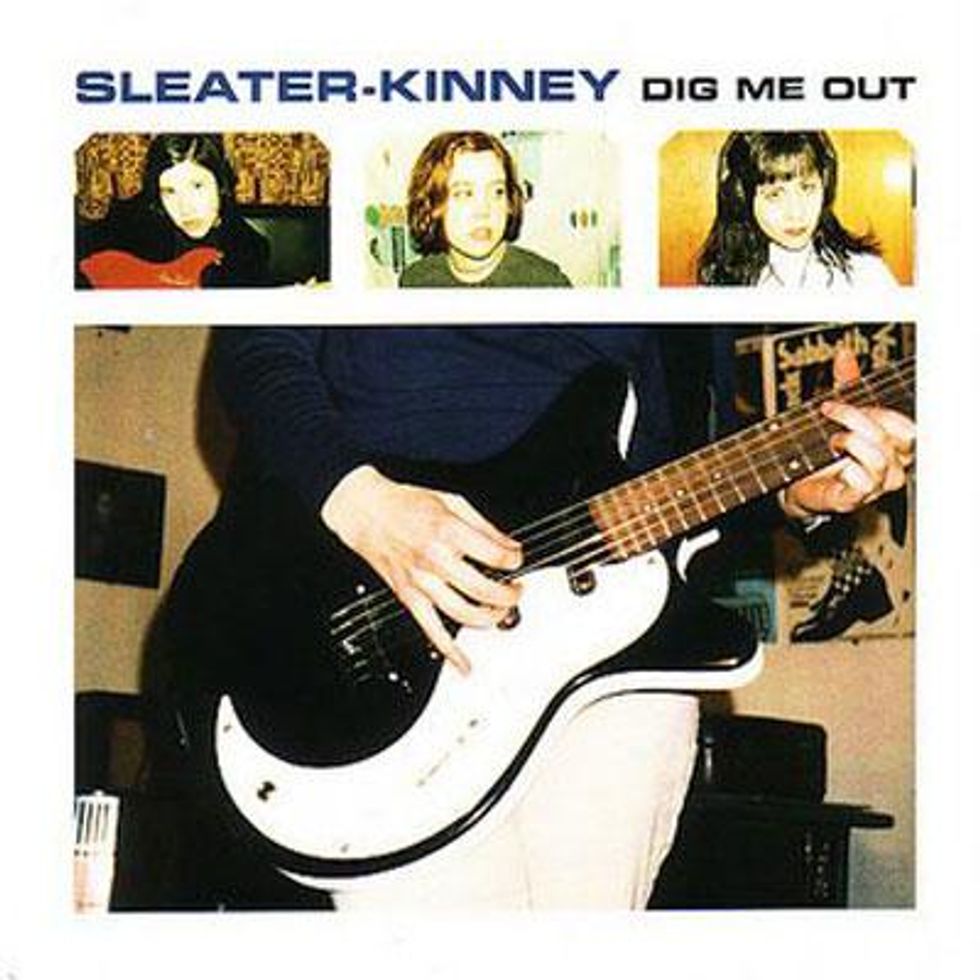
61. Sleater-Kinney, 'Dig Me Out,' 1997 http://www.out.com/sites/out.com/files/imagecache/slide-image/61_DigMeOut.jpg 17526
Hailing from Olympia, Wash., the scrappy rock goddesses served up quite the rarity for 1997: a celebratory punk album. On Dig Me Out they transitioned from riot grrrls to one of the most kick-ass rock groups around.
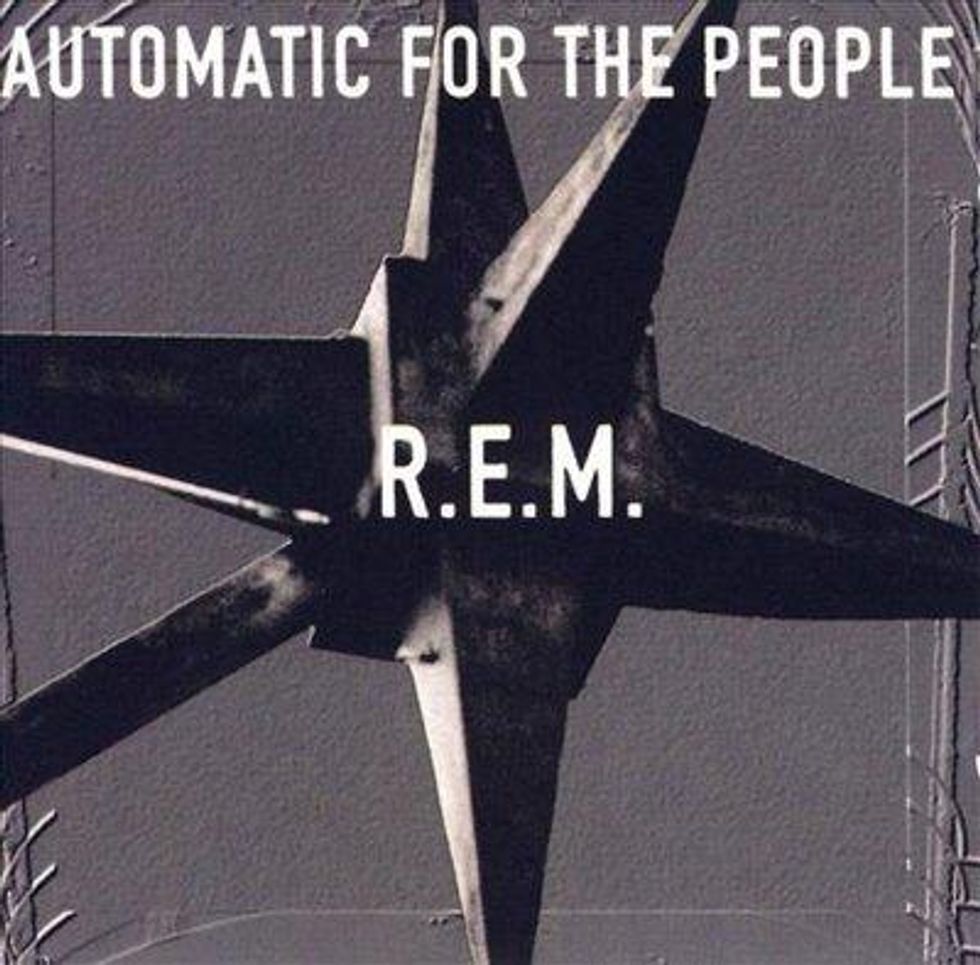
60. R.E.M., 'Automatic for the People,' 1992 http://www.out.com/sites/out.com/files/imagecache/slide-image/60_AutomaticthePeople.jpg 17525
Automatic For the People is quite possibly R.E.M.’s greatest album, and a brilliant display of “omnisexual” lead singer Michael Stipe’s lyrical genius.
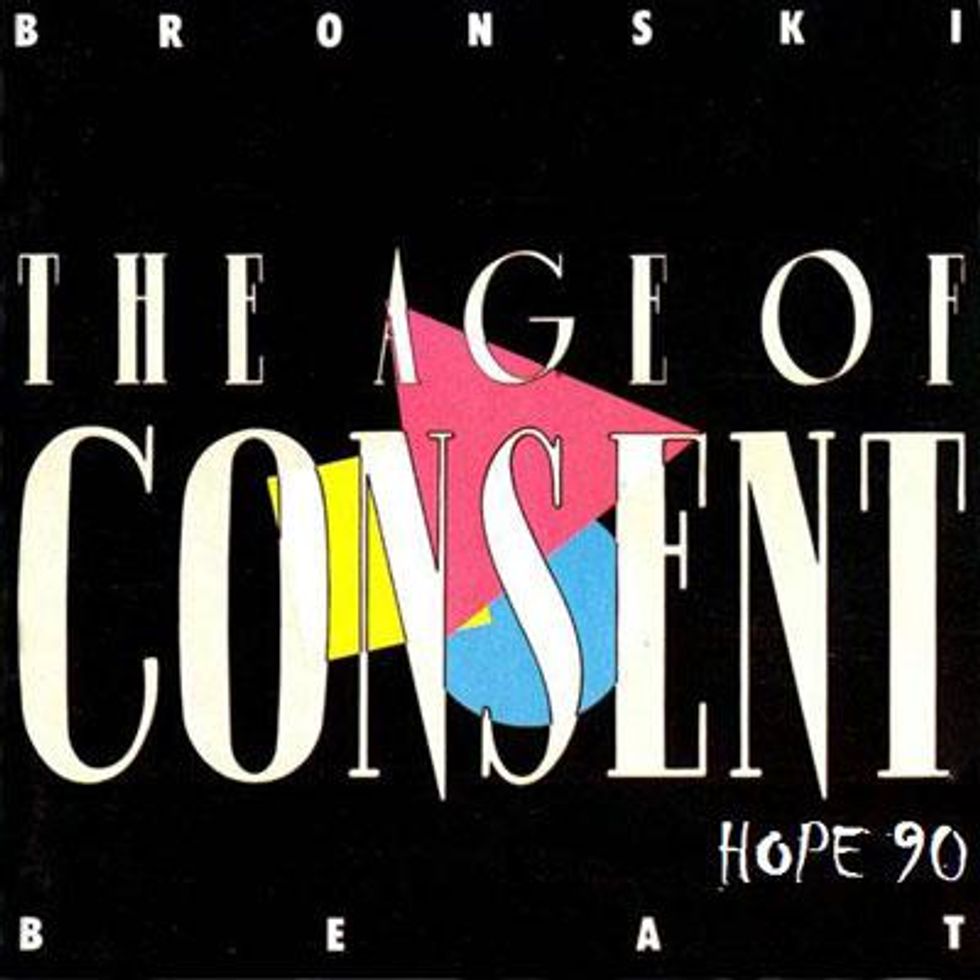
59. Bronski Beat, 'The Age of Consent,' 1984 http://www.out.com/sites/out.com/files/imagecache/slide-image/59_AgeOfConsent.jpg 17524
"It was the first overtly political queer album. It saved lives and broke hearts." -- Kiki and Herb's Justin Bond
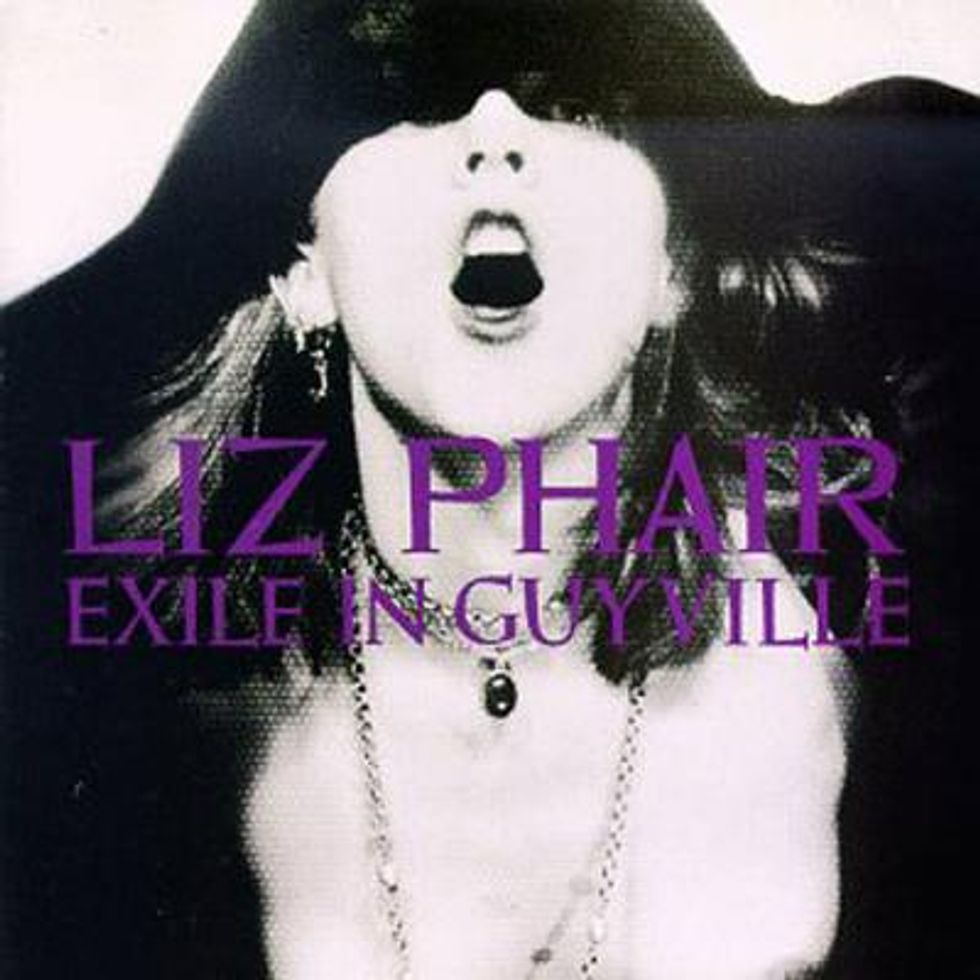
58. Liz Phair, 'Exile in Guyville,' 1993 http://www.out.com/sites/out.com/files/imagecache/slide-image/58_ExileinGuyville.jpg 17523
Celebrating its 15th anniversary last year, Phair’s album, rumored to be a track-by-track response to the Rolling Stones’ Exile on Main St., is still the 1990s Bible of feminine anguish, sexual frustration, and rebellion against the Chicago indie-rock scene. Doc Martens and lunch-box purses may come and go, but finding your fear and anger in one rock diary is forever.

“A lot of Guyville is about venting anger -- or frustration with men in general. That record could not have been more about the fact that, at that time, I wasn’t in control of my own sexuality as much as I was using it. And it was kind of using me too.”--Liz Phair
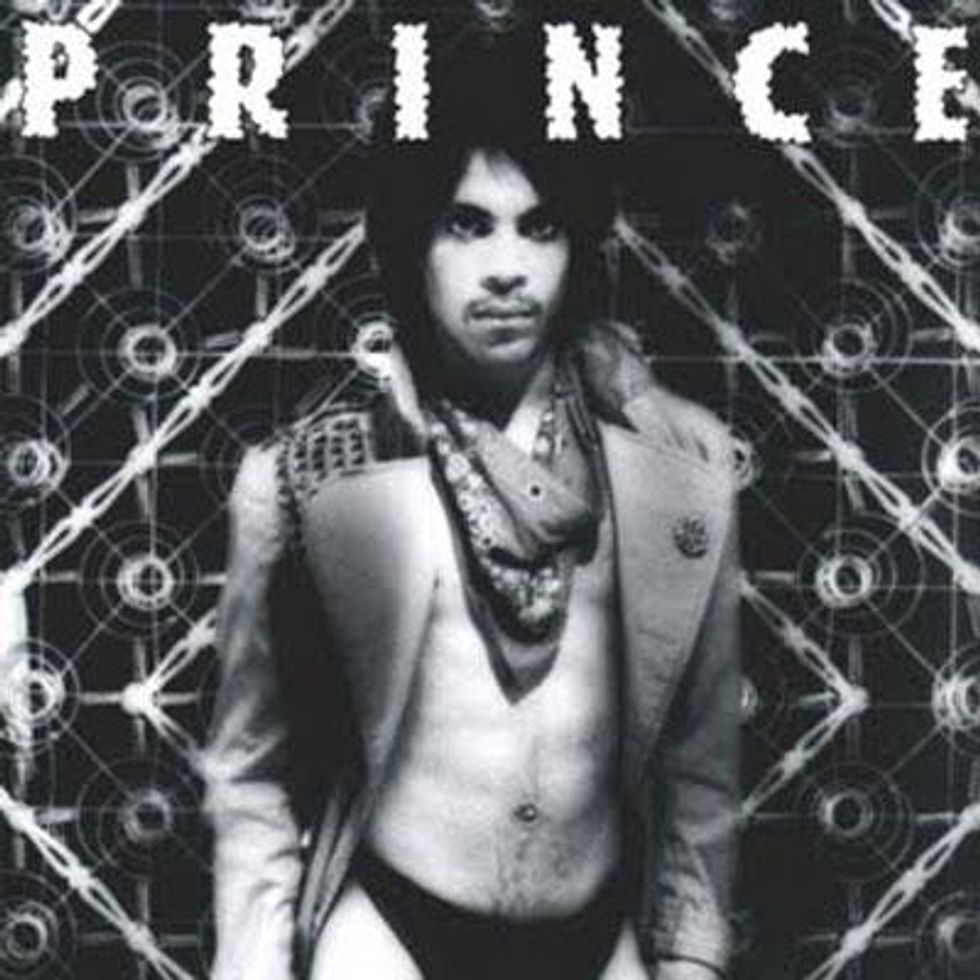
57. Prince, 'Dirty Mind,' 1980 http://www.out.com/sites/out.com/files/imagecache/slide-image/57_DirtyMind.jpg 17522
“The sticky beats, the nasty lyrics (check ‘Sister’ for incest and ‘Head’ for impromptu fellatio), and the early ’80s organ grinding make this a queer standout. And come on, he’s wearing panties and a trench coat on the cover.”--Darryl Stephens, Noah’s Arc
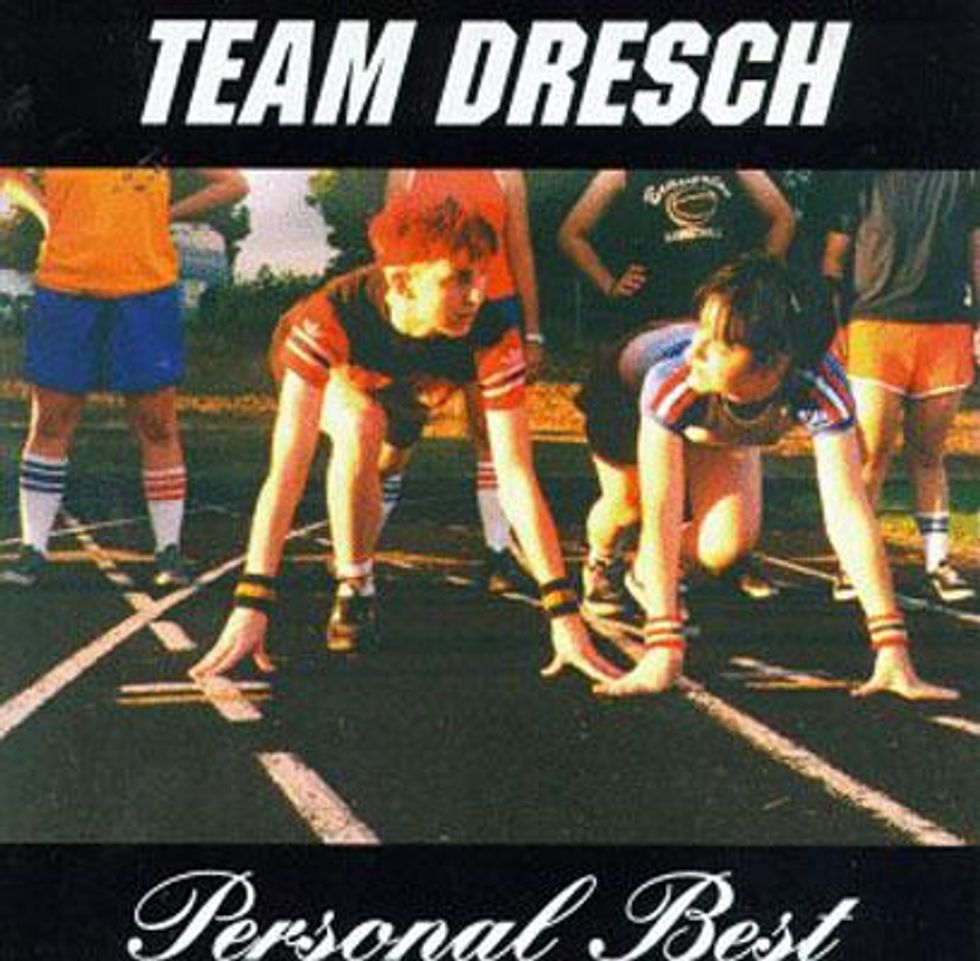
56. Team Dresch, 'Personal Best,' 1994 http://www.out.com/sites/out.com/files/imagecache/slide-image/56_PersonalBest.jpg 17521
“Even though I was in this band after this release, it has to be on my list. I remember when Kaia [Wilson, vocalist] called me to book her band, Team Dresch, a show in New York City. At the time I was in a local band called Vitapup and I had no idea who they were. She said she could send me a promo cassette ofPersonal Best. I remember putting it into my stereo and thinking, Holy shit, this is so good! A year or two later, I was in the band.”--Melissa York, drummer of Team Dresch
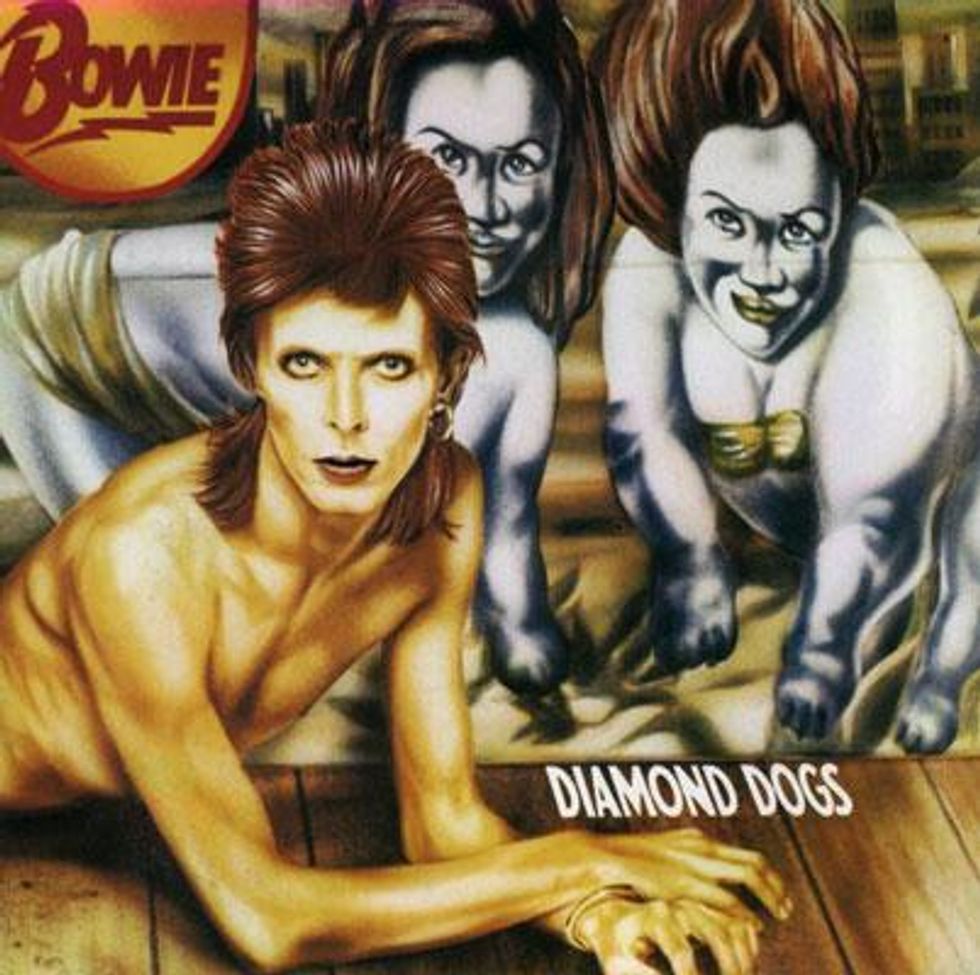
55. David Bowie, 'Diamond Dogs,' 1974 http://www.out.com/sites/out.com/files/imagecache/slide-image/55_Diamond-Dogs.jpg 17520
A conceptual album that was 50% George Orwell’s 1984 and 50% post-apocalyptic power-glam. The gender-bender “Rebel Rebel” (“You got your mother in a whirl / She’s not sure if you’re a boy or a girl”) is Bowie’s most covered track, and one of his last glam songs to make him an icon.
54. Tori Amos, 'Little Earthquakes,' 1992 http://www.out.com/sites/out.com/files/imagecache/slide-image/54_LittleEarthquakes.jpg 17519
"A song has the ability to convey so many emotions, and that's exactly what this exquisite album does. It takes you on a very powerful journey." -- Perez Hilton, blogger
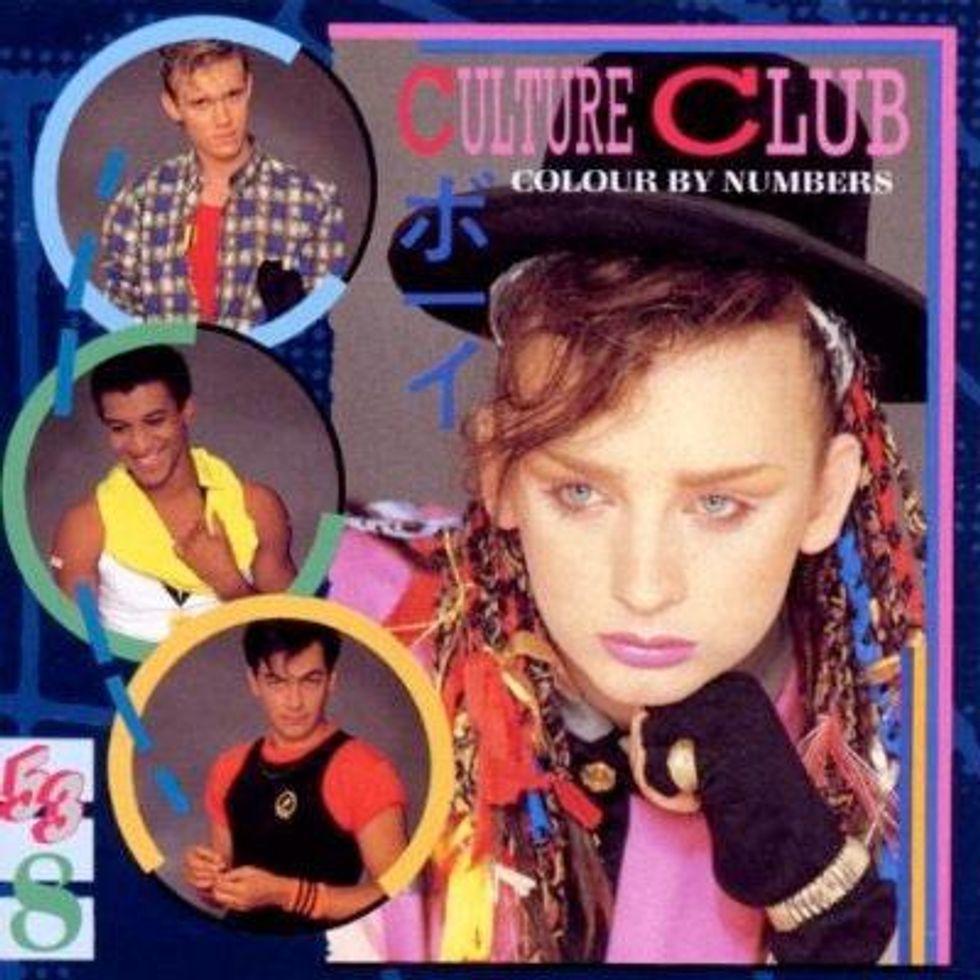
53. Culture Club, 'Colour by Numbers,' 1983 http://www.out.com/sites/out.com/files/imagecache/slide-image/53_ColourbyNumbers.jpg 17518
Led by flamboyant front man Boy George, Culture Club won a Grammy for best new artist after this album came out.
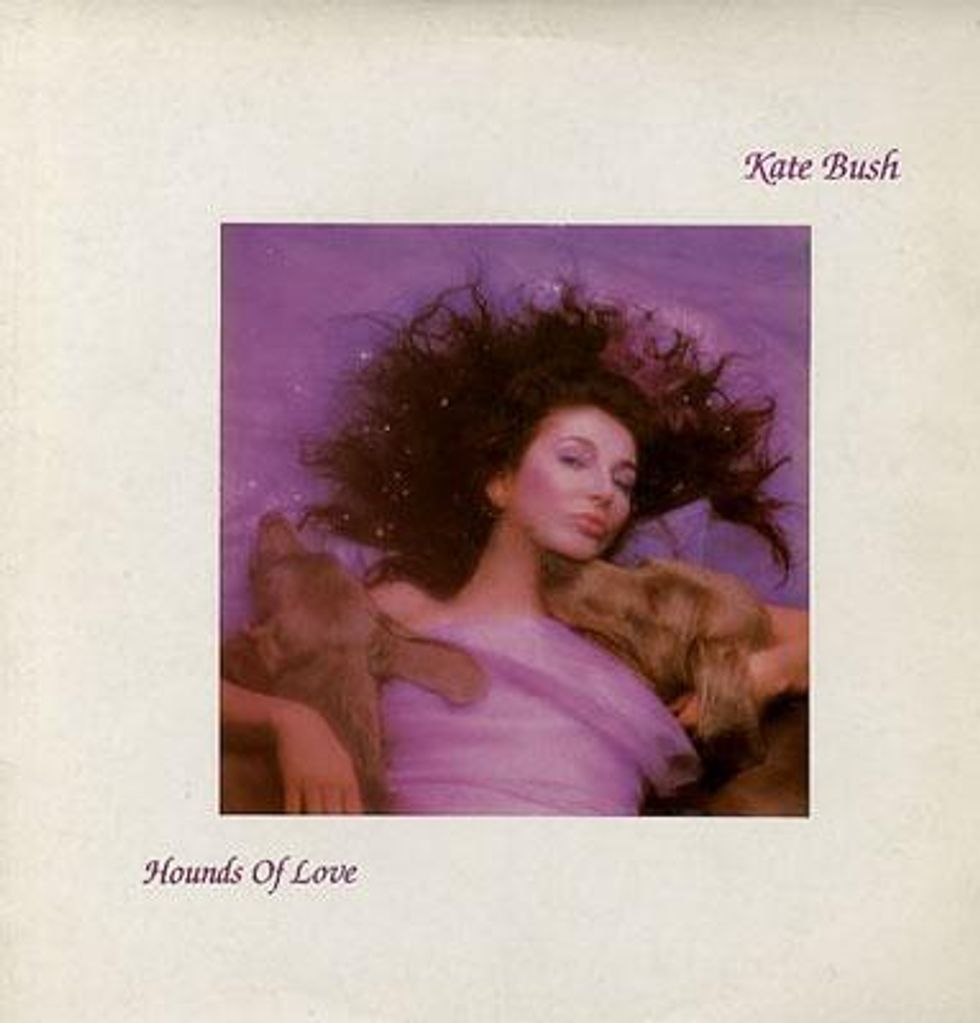
52. Kate Bush, 'Hounds of Love,' 1985 http://www.out.com/sites/out.com/files/imagecache/slide-image/52_HoundsOfLove.jpg 17517
"What I love about this album is essentially what I love about being gay. It's eccentric, wildly imaginative, and has a completely naive view of the world in which it exists. In Kate Bush's conceptual world the clouds make magical shapes in the sky, God can change the place of a man and a woman, and innocence is lost only to give way to the beauty of romance. I paint the memory of my coming out in similarly vibrant and violent colors." -- Darren Hayes, pop singer, formerly of Savage Garden
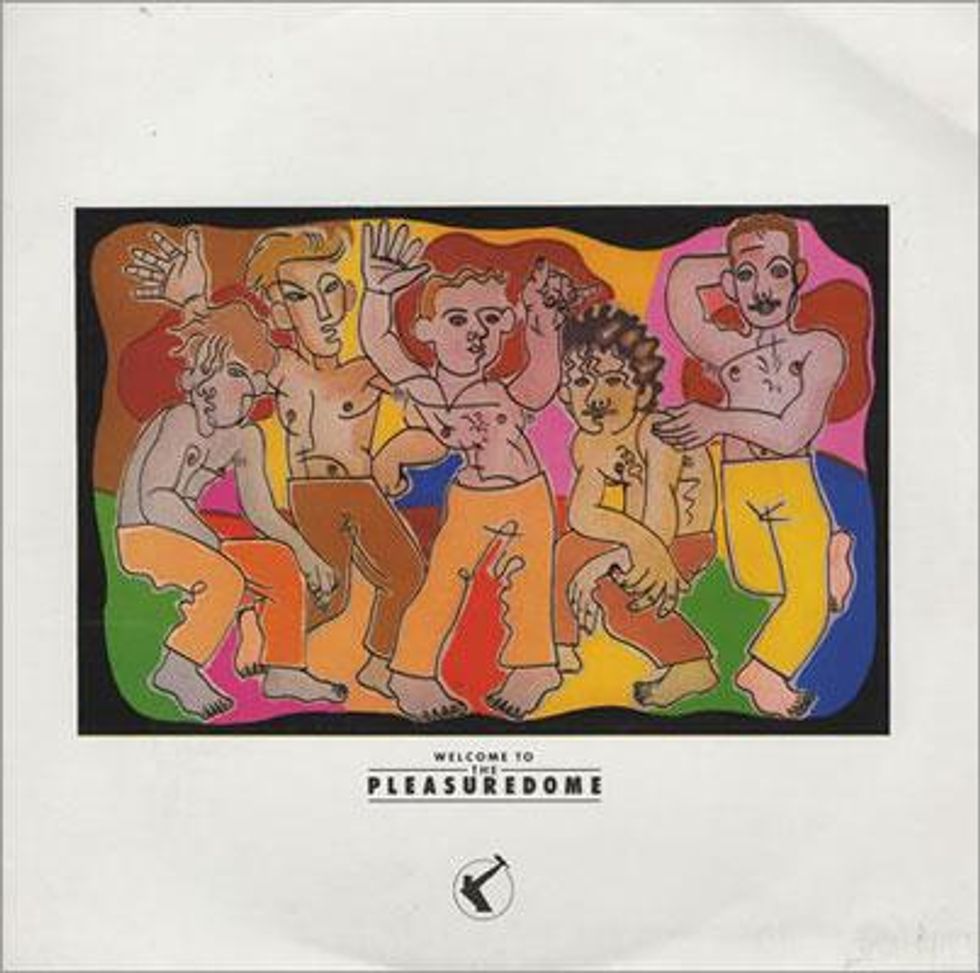
51. Frankie Goes to Hollywood, 'Welcome to the Pleasuredome,' 1984 http://www.out.com/sites/out.com/files/imagecache/slide-image/51_Pleasuredome.jpg 17516
Led by gay singer Holly Johnson, the band’s debut album contains classics “Relax” and “Born to Run” and also a killer remix of Burt Bacharach’s “Do You Know the Way to San Jose.” The original video for “Relax,” directed by Bernard Rose, depicted scenes from a gay S&M den (it was filmed in the unused East London theater Wilton’s Music Hall) and was consequently banned by both the BBC and MTV. It was later replaced by a tamer video directed by Brian De Palma.
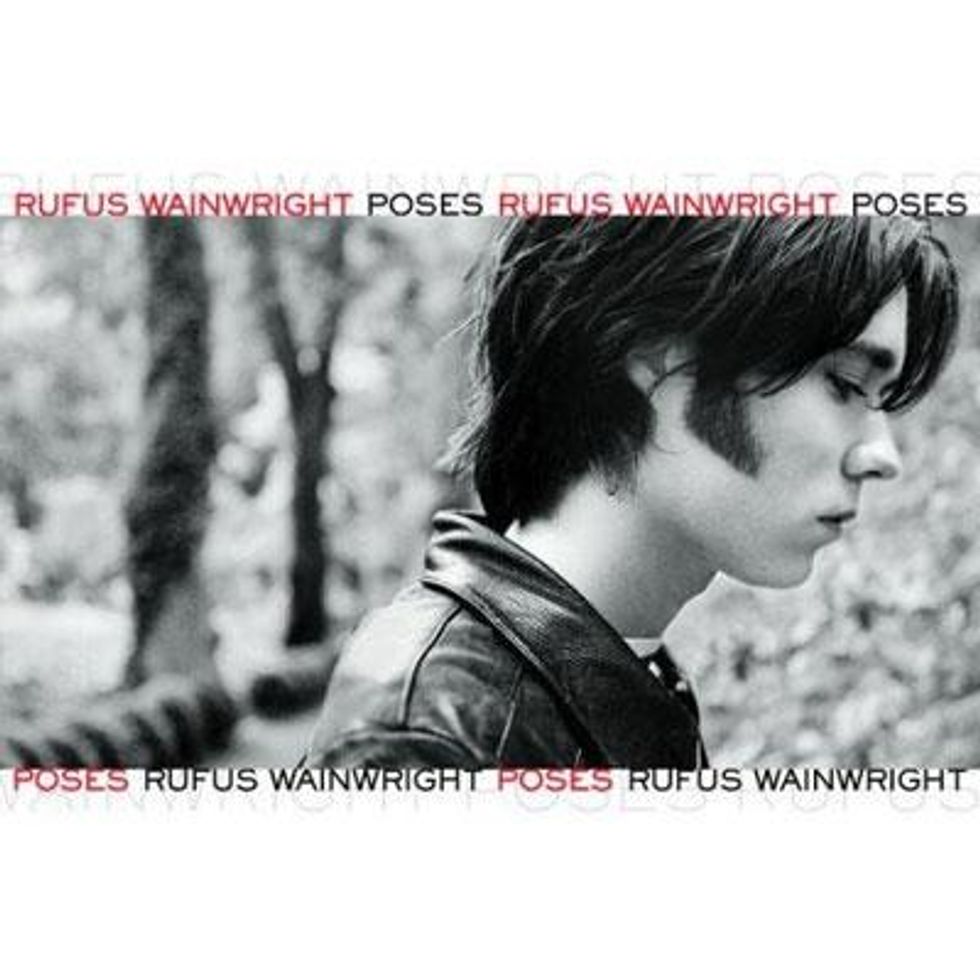
50. Rufus Wainwright, 'Poses,' 2001 http://www.out.com/sites/out.com/files/imagecache/slide-image/50_Poses.jpg 17515
“That line in the title track about being drunk and wearing flip-flops on Fifth Avenue is one of my favorite lyrics of all time. Wainwright really captures a beautiful moment in a young gay artist’s life on this record.”--Jen Foster, singer-songwriter
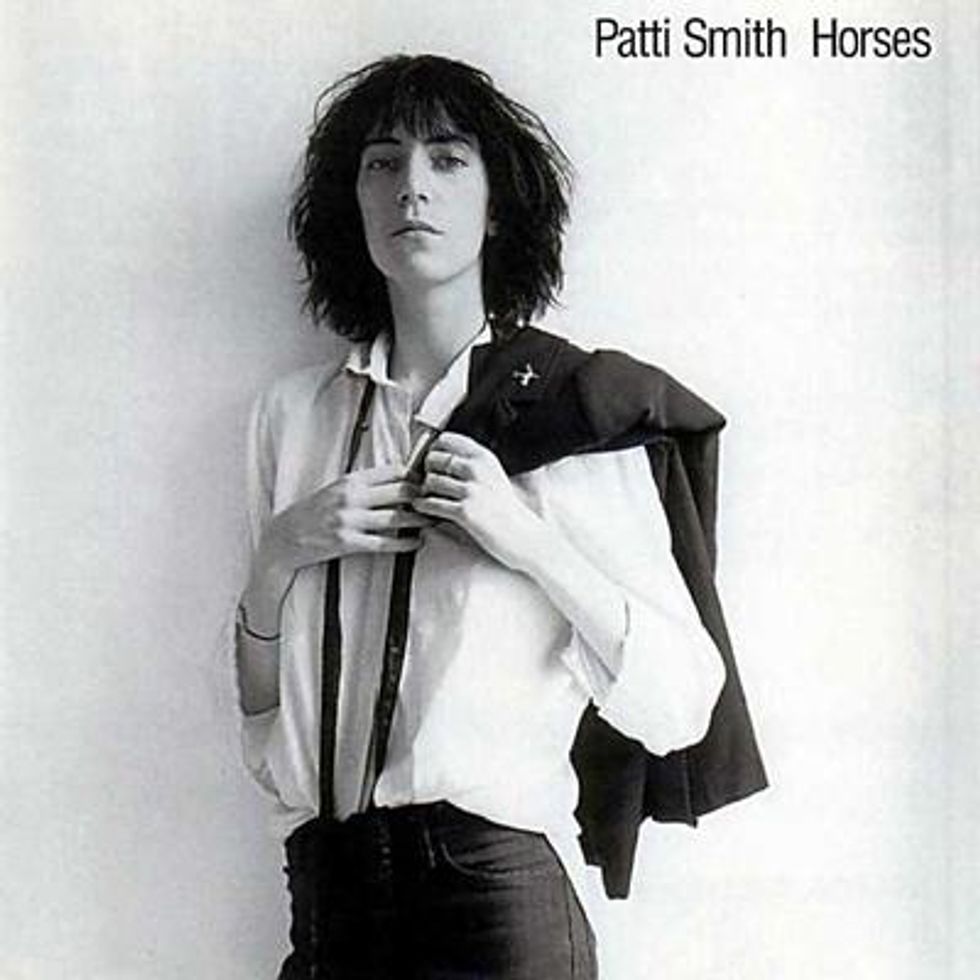
49. Patti Smith, 'Horses,' 1975 http://www.out.com/sites/out.com/files/imagecache/slide-image/49_Horses.jpg 17514
Every self-proclaimed definitive list of the “Greatest Albums of All Time Ever” has a place for Patti Smith’s punk-rock magnum opus. Record executives attempted to airbrush Smith’s mustache from the album’s cover photo, but the singer insisted that the now iconic shot remain untouched.
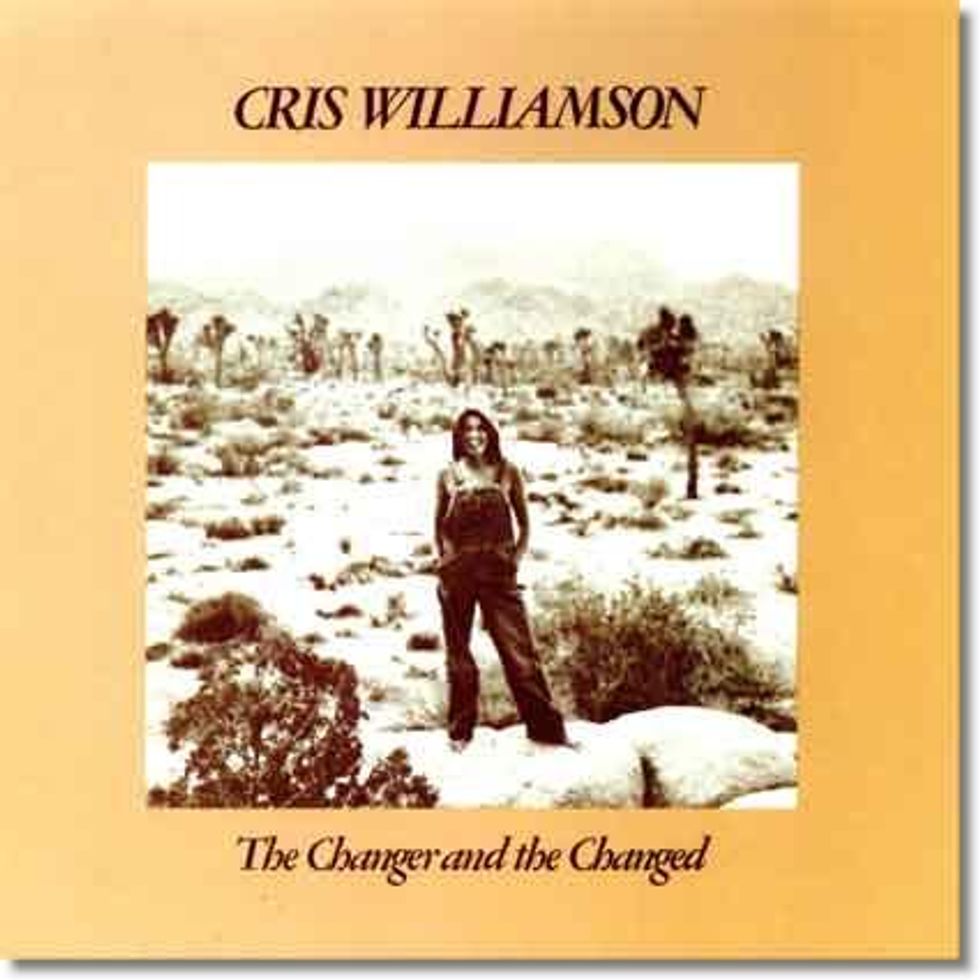
48. Cris Williamson, 'The Changer and the Changed,' 1975 http://www.out.com/sites/out.com/files/imagecache/slide-image/48_TheChangerandtheChanged.jpg 17513
“As a friend once said to me, ‘What self-respecting baby dyke coming out in the ’80s didn’t secretly listen to this seminal record, sporting an overall-clad Williamson on the cover, pining for the love that dare not speak its name? If she denies it, she’s lying!’ ”--Lisa Sherman, executive president and general manager, Logo
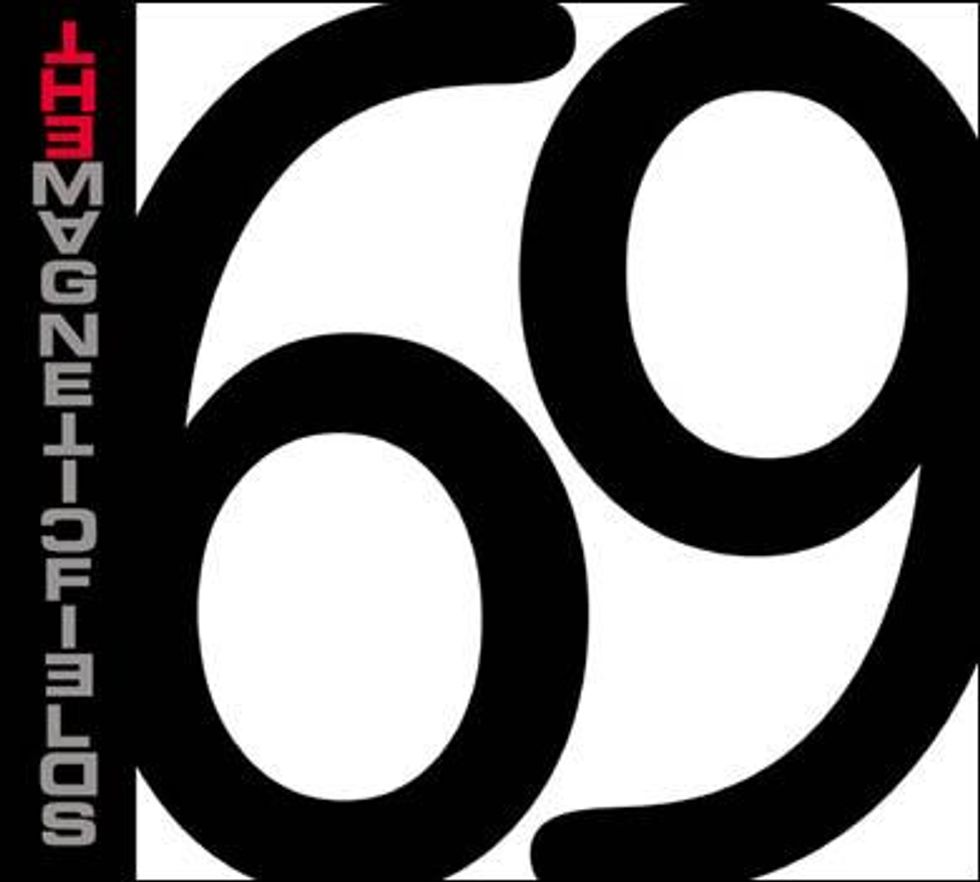
47. The Magnetic Fields, '69 Love Songs,' 1999 http://www.out.com/sites/out.com/files/imagecache/slide-image/47_69Lovesongs.jpg 17512
As the title indicates, the album is composed of 69 songs about that (in)famous four-letter word, including the kicky gender-bender “When My Boy Walks Down the Street.” Sample lyrics: “Amazing / He’s a whole new form of life / Blue eyes blazing / And he’s going to be my wife.”
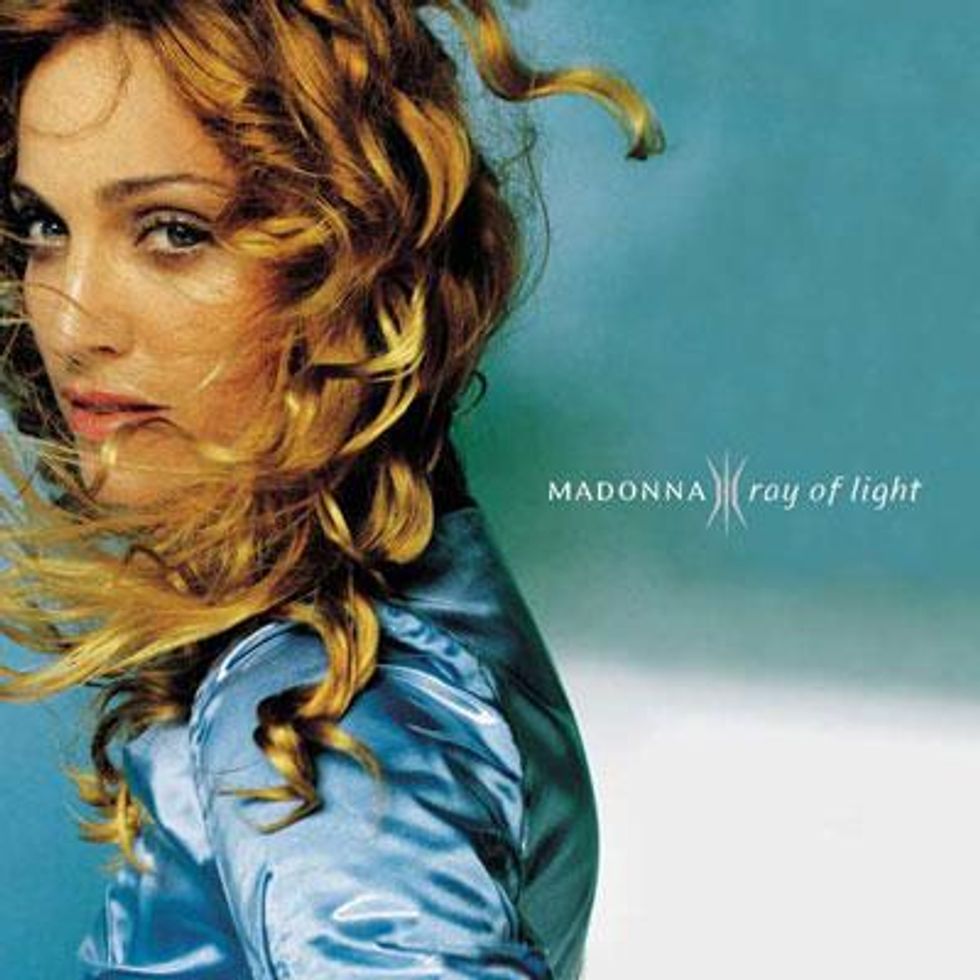
46. Madonna, 'Ray of Light,' 1998 http://www.out.com/sites/out.com/files/imagecache/slide-image/46_RayofLight.jpg 17511
Surely the Material Girl’s most adventurous album, Ray of Light is studded with ambient, electronica-driven singles like the title track and “Frozen,” Madonna’s attack on an emotionally icy man that uses strings and Middle Eastern–style percussion.

“Duh. She’s an icon and this album is feminist.”--Gina Bling, of queer rap duo Team Gina
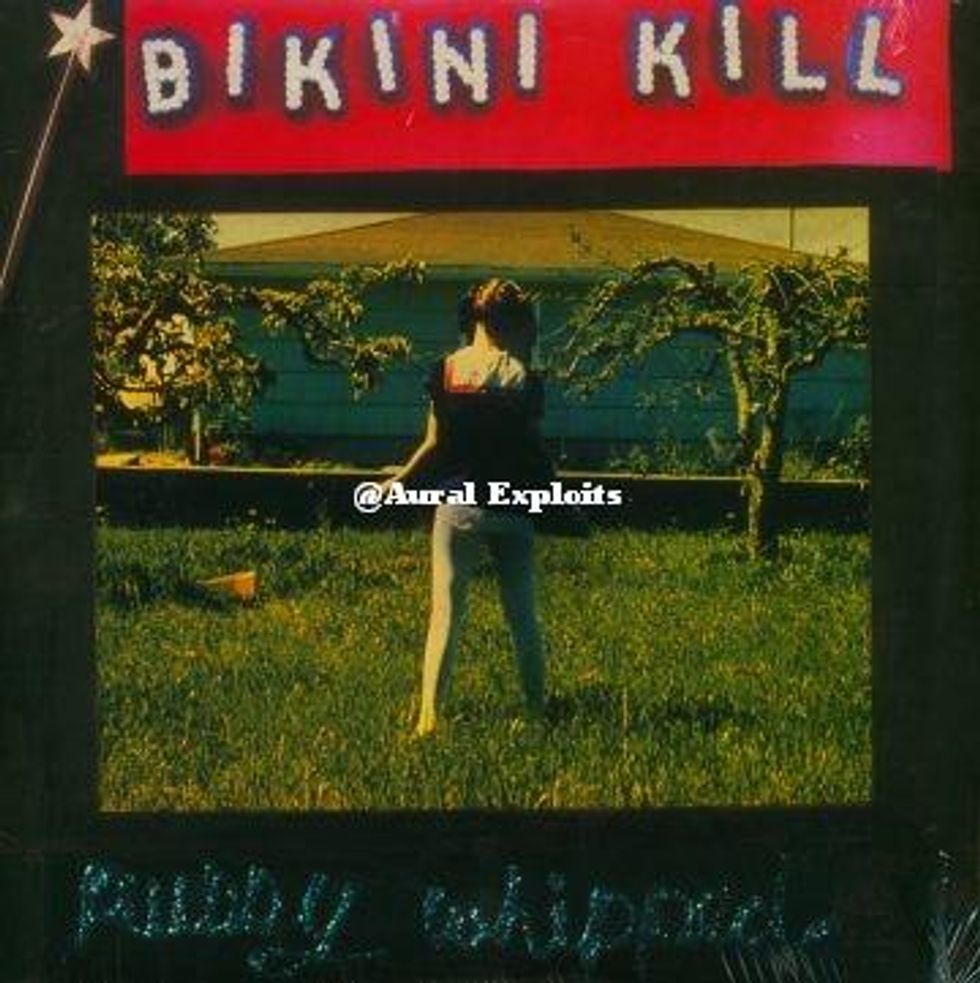
45. Bikini Kill, Pussy Whipped, 1993 http://www.out.com/sites/out.com/files/imagecache/slide-image/45_PussyWhipped.jpg 17510
“There were many riot grrrl bands and queercore bands that were all hugely influential (and part of the music scene I was involved in in the early ’90s.) This album was monumental, and although it wasn’t explicitly gay, the song ‘Rebel Girl’ -- with the lyrics ‘In her kiss I taste the revolution’ -- was, well, you know, pretty lezzy.”--Kaia Wilson, of queercore punk band Team Dresch
44. Pet Shop Boys, 'Very,' 1993 http://www.out.com/sites/out.com/files/imagecache/slide-image/44_Very.jpg 17508
The foppish synth-pop duo's coming-out album, released at such a politically charged era in queer history, unspools like an unabashed crash course in gay. Self-deception ('Can You Forgive Her?'), the AIDS crisis ('Dreaming of the Queen'), and feigned barroom indifference ('To Speak Is a Sin') all show up to the party, before Neil Tennant's tenor throws open the doors and summons us to a campy utopia in the bittersweet Village People remake 'Go West.'
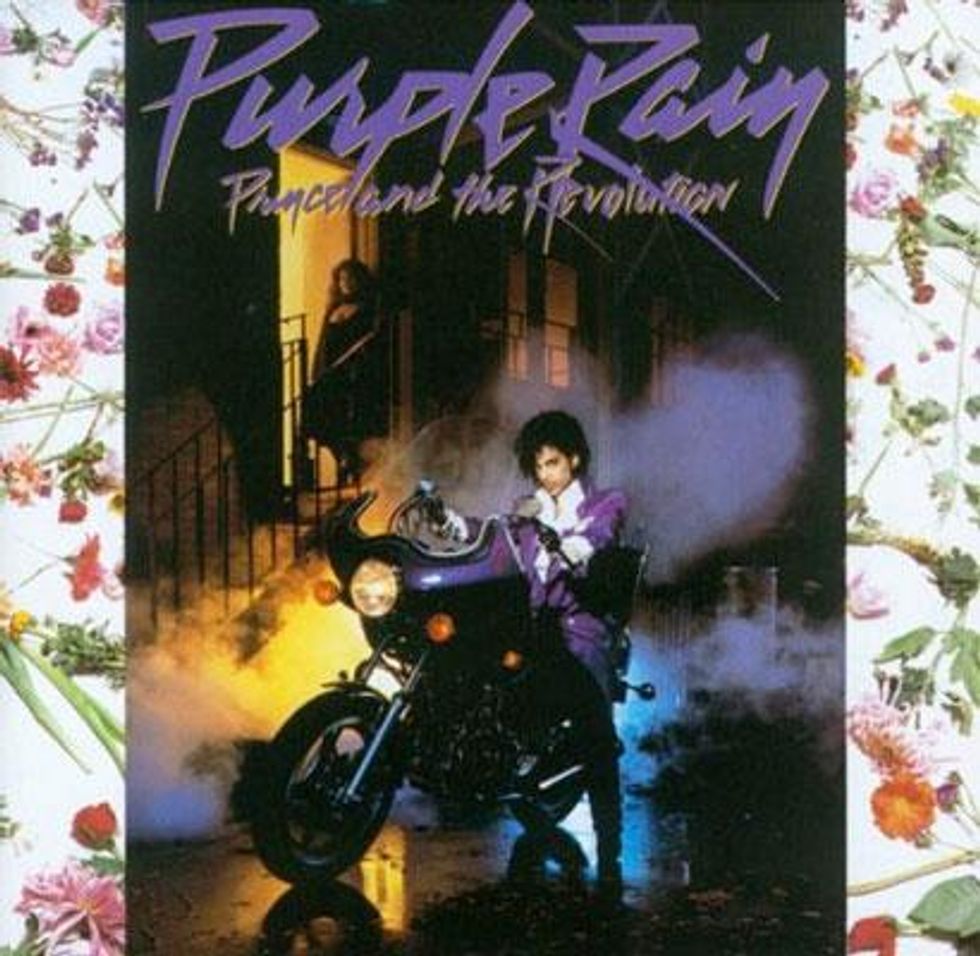
43. Prince, 'Purple Rain,' 1984 http://www.out.com/sites/out.com/files/imagecache/slide-image/43_PurpleRain.jpg 17507
Sex-soaked pop songs or not, “When Doves Cry,” “Darling Nikki,” and the epic title track are famously avant-garde. At the height of his popularity and the height of his artistic experimentation, his gender-bending Royal Badness made a masterpiece.
42. ABBA, 'Gold,' 1992 http://www.out.com/sites/out.com/files/imagecache/slide-image/42_Gold.jpg 17506
Mamma Mia! could only dream of being this good. The innocent melodies of the Scandinavian super troupers nearly mask the subject matter of these songs about one-night stands, (“Gimme! Gimme! Gimme!”), jailbait, (“Does Your Mother Know?”), and the devastating heartache of a failed relationship (“Knowing Me, Knowing You”). Then you go back and listen again and it’s all there in one bittersweet package. What young gay didn’t jump around his room belting out classics like “Take a Chance on Me” or “Dancing Queen” into his mother’s hairbrush?
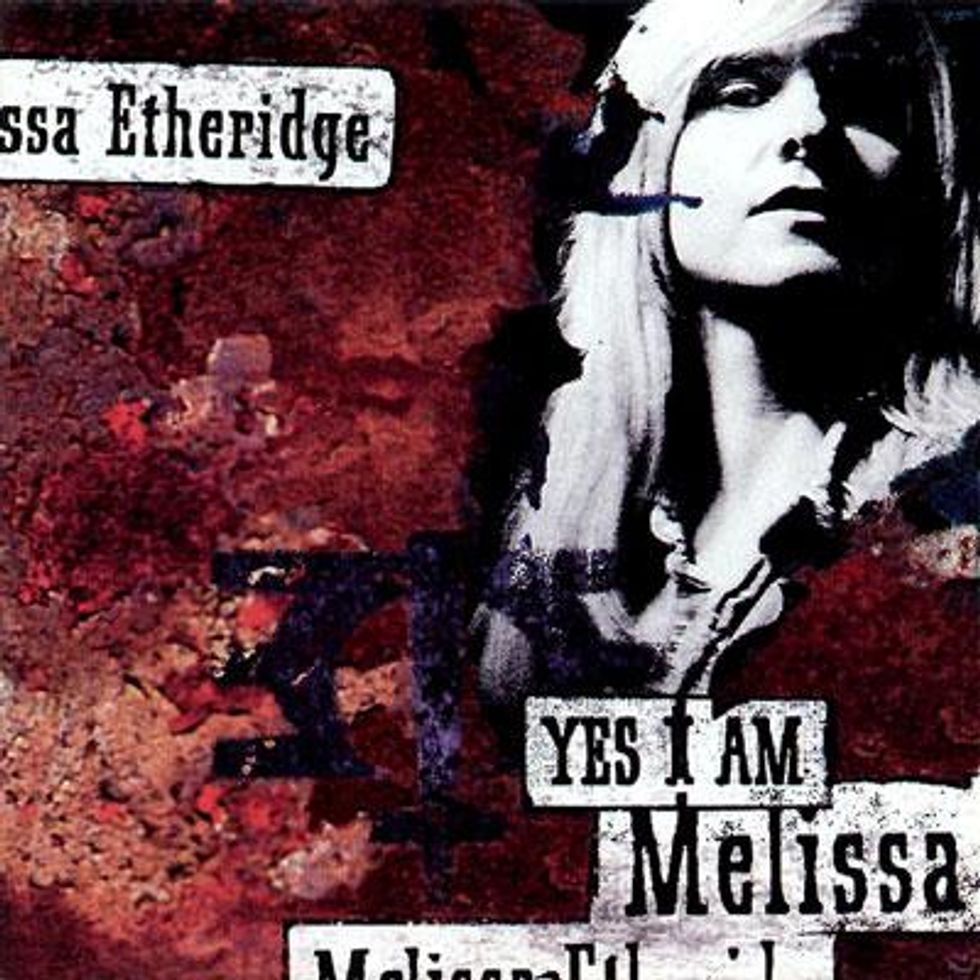
41. Melissa Etheridge, 'Yes I Am,' 1993 http://www.out.com/sites/out.com/files/imagecache/slide-image/41_YesIAm.jpg 17505
“She finally put herself out there. With ‘Come to My Window’ and ‘I’m the Only One,’ she was being her authentic self -- and so was I.”--Lisa Sherman, executive president and general manager, Logo
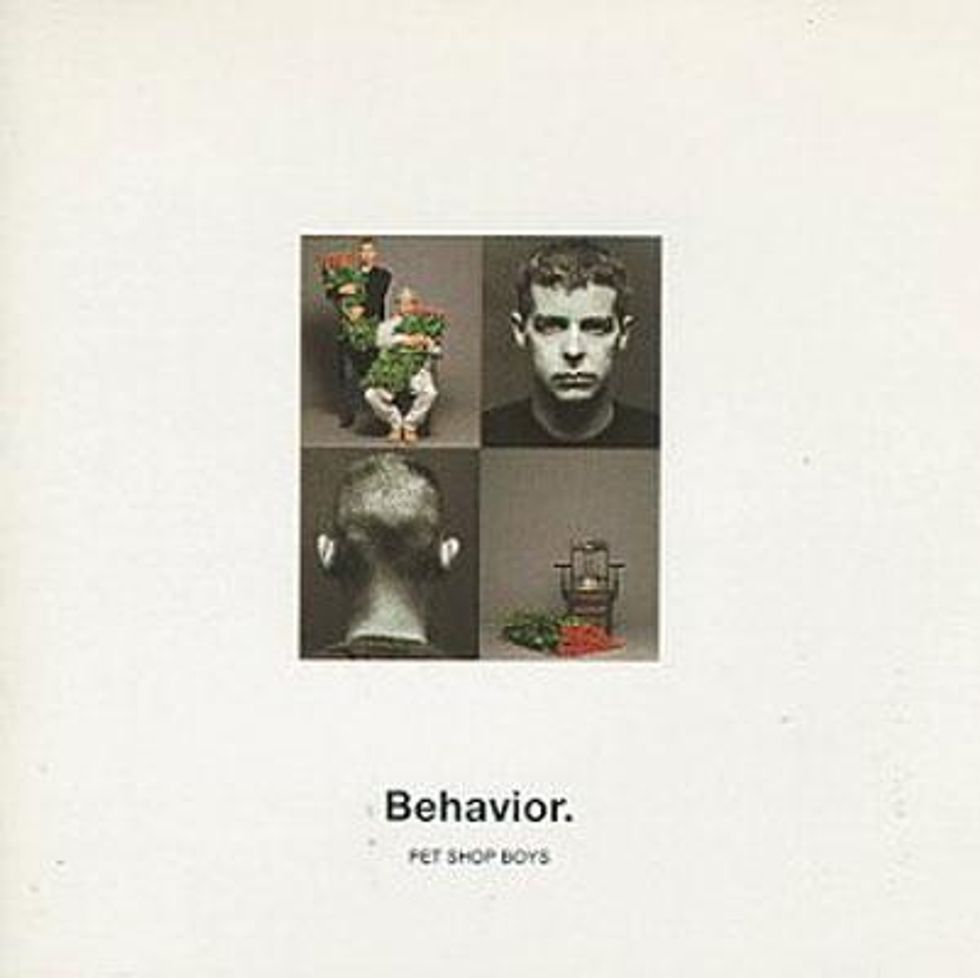
40. Pet Shop Boys, 'Behavior,' 1990 http://www.out.com/sites/out.com/files/imagecache/slide-image/40_Behavior.jpg 17504
“Suddenly people had a different idea of the Pet Shop Boys, cause we had these beautiful songs like ‘Being Boring’ and ‘Jealousy’ and ‘Nervously’… and basically, they’re all love songs. And I don’t think people expected that from us. ‘Being Boring’…was about a friend of mine. He was diagnosed with AIDS in 1986, at the time we’d become very, very successful. And then he died in 1989. And so it was just an autobiographical song, just trying to look at our lives and what we wanted to do. When we were 15, we used to say ‘When I grow up, I’m not going to do anything boring, I’m going to do something special,’ and it was just looking at the way our lives have gone since then. It was the first time I did a lyric that was completely autobiographical.”--Neil Tennant, Pet Shop Boys
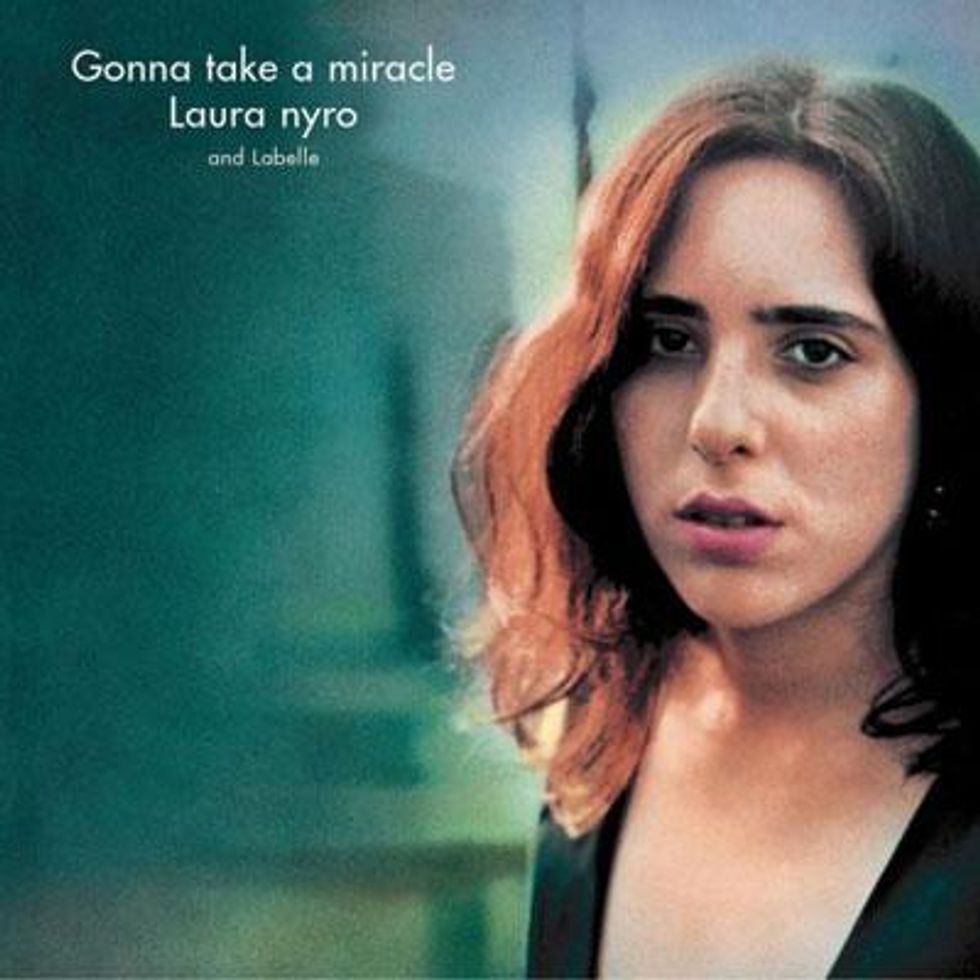
39. Laura Nyro and Labelle, 'Gonna Take A Miracle,' 1971 http://www.out.com/sites/out.com/files/imagecache/slide-image/39_GonnaTakeAMiracle.jpg 17503
'Nyro brought in Patti LaBelle, Nona Hendryx, and Sarah Dash (well before 'Lady Marmalade'), and the four voices are staggering, heartbreaking, and roof-shaking. It's simple music that was never written to be this complex, but these girls looked at it from another angle, which is the hallmark of the gay approach to life -- and which so often results in great art.' -- Bruce Vilanch, comedian
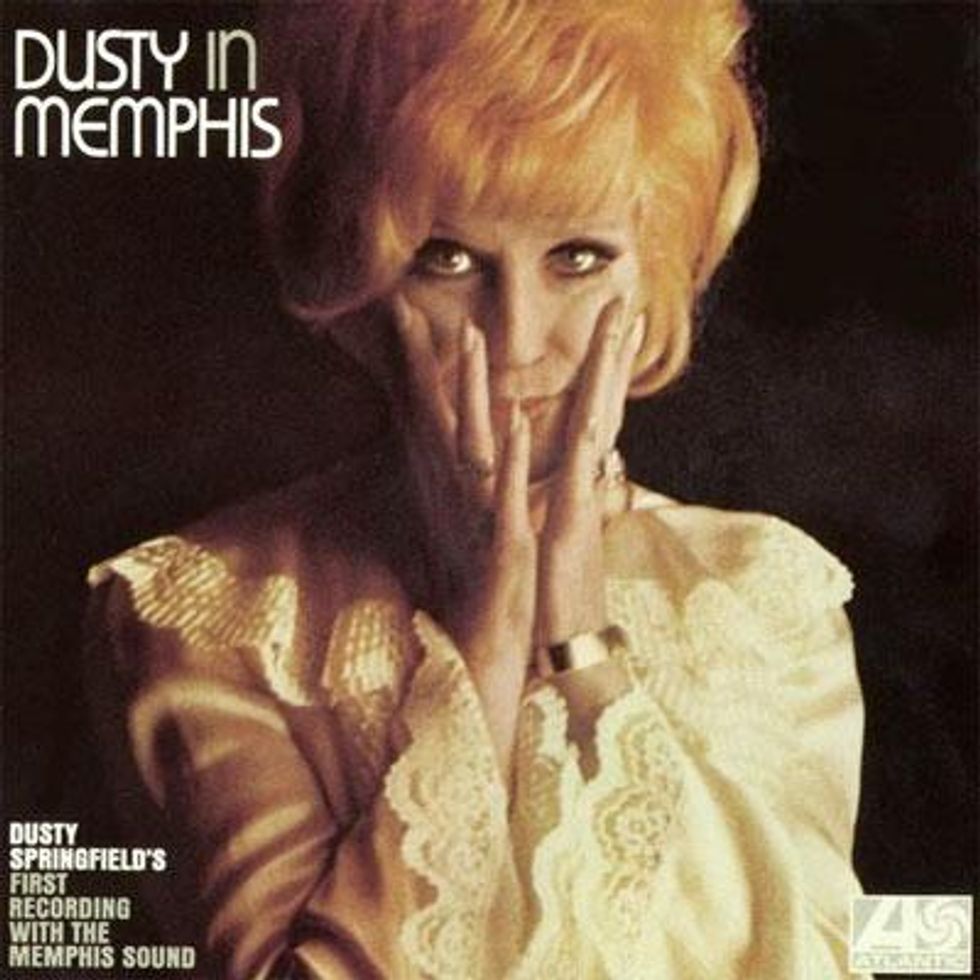
38. Dusty Springfield, 'Dusty in Memphis,' 1969 http://www.out.com/sites/out.com/files/imagecache/slide-image/38_Dusty-in-Memphis.jpg 17502
Despite its many songwriters, this exquisitely sequenced album by British songbird Dusty Springfield presents a unified statement on the tumultuous nature of love. It didn't sell spectacularly, even while yielding the instant classic 'Son of a Preacher Man,' but it has long been considered a pinnacle of white soul. When Springfield follows the philosophic 'No Easy Way Down' with the pleading 'I Can't Make It Alone,' the effect is softly devastating. A year later she spoke openly of her same-sex attractions.
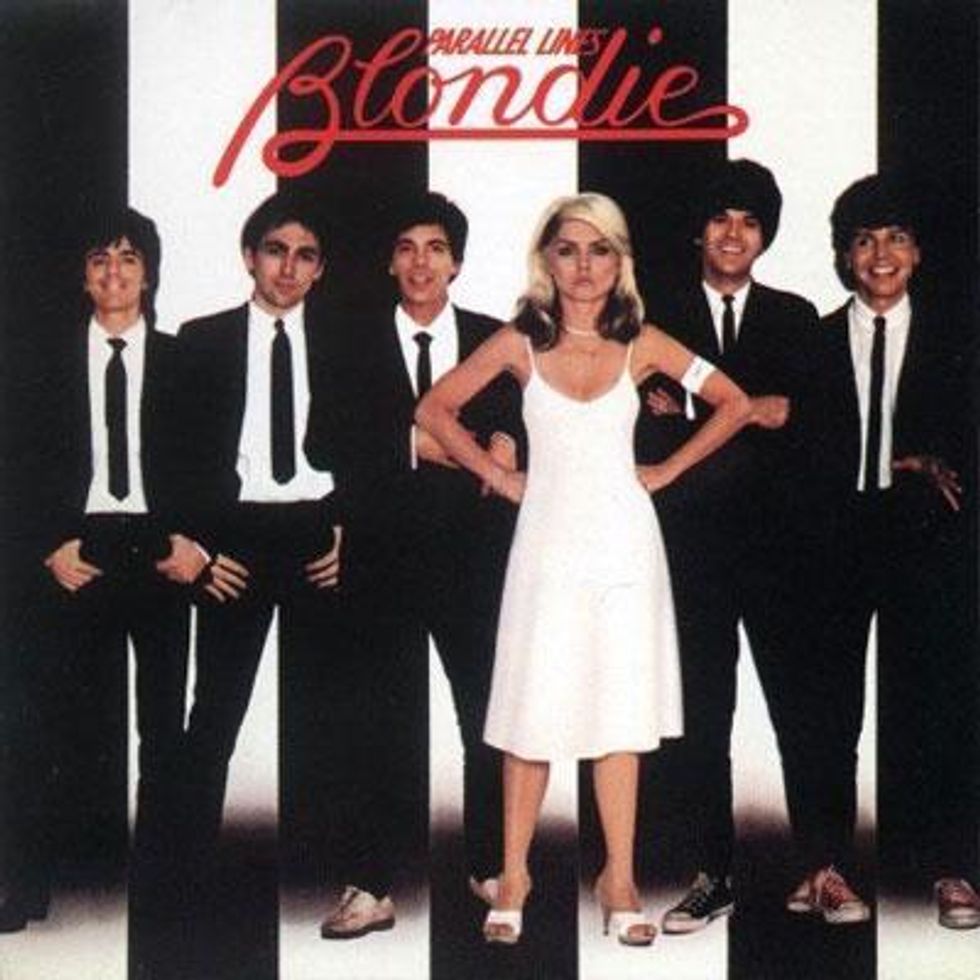
37. Blondie, 'Parallel Lines,' 1978 http://www.out.com/sites/out.com/files/imagecache/slide-image/37_ParallelLines.jpg 17501
Boasting some of Blondie’s best-known hits, like “Heart of Glass” and “Hanging on the Telephone,” Parallel Lines transformed the group -- led by the inimitable blonde bombshell Deborah Harry -- from British imports to major American superstars.

“This album bends sexuality and gender with no apologies. I can still listen to it beginning to end and fully enjoy the strength it gives me as a queer.”--Kate Bornstein, author of Hello, Cruel World: 101 Alternatives to Suicide for Teens, Freaks, and Other Outlaws
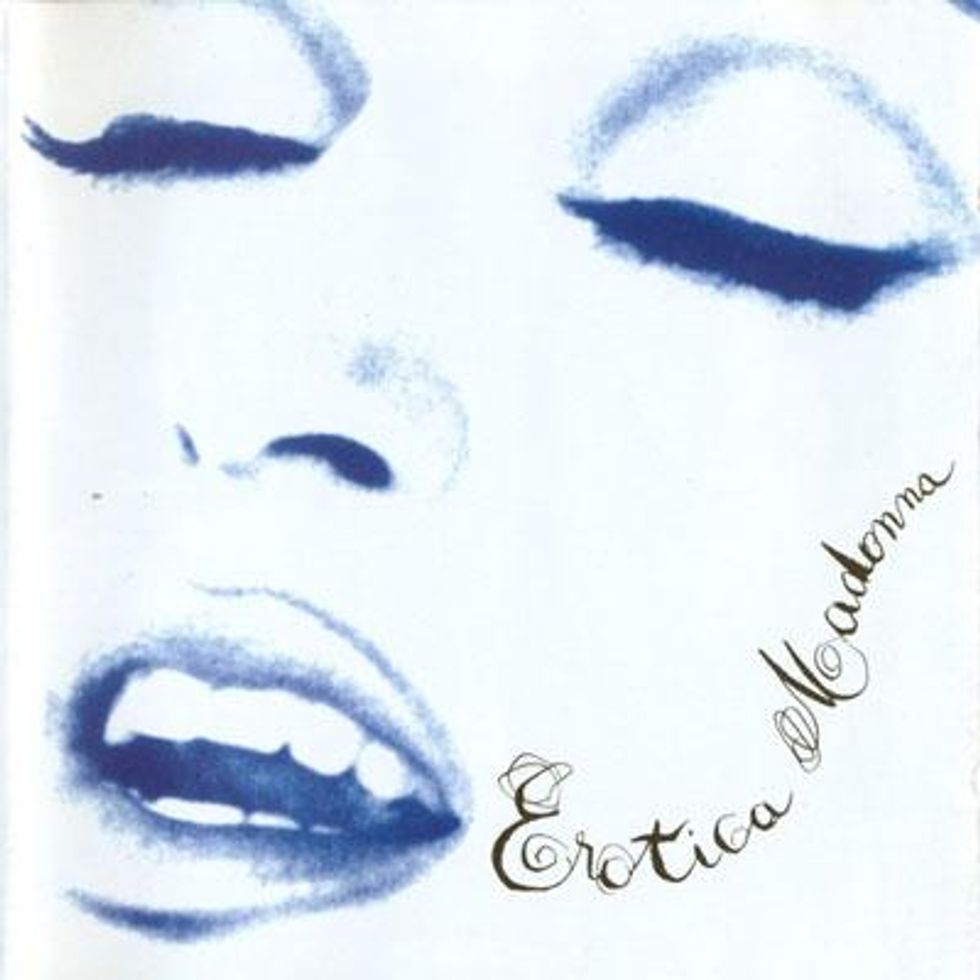
36. Madonna, 'Erotica,' 1992 http://www.out.com/sites/out.com/files/imagecache/slide-image/36_Erotica.jpg 17500
'Madonna was fully exploring her sexuality with the simultaneous release of Erotica and the Sex book, and as a budding young queer teen, I had never heard a mainstream artist tell me it was OK to love who I love and have sex with who I want.' -- Ari Gold, pop singer
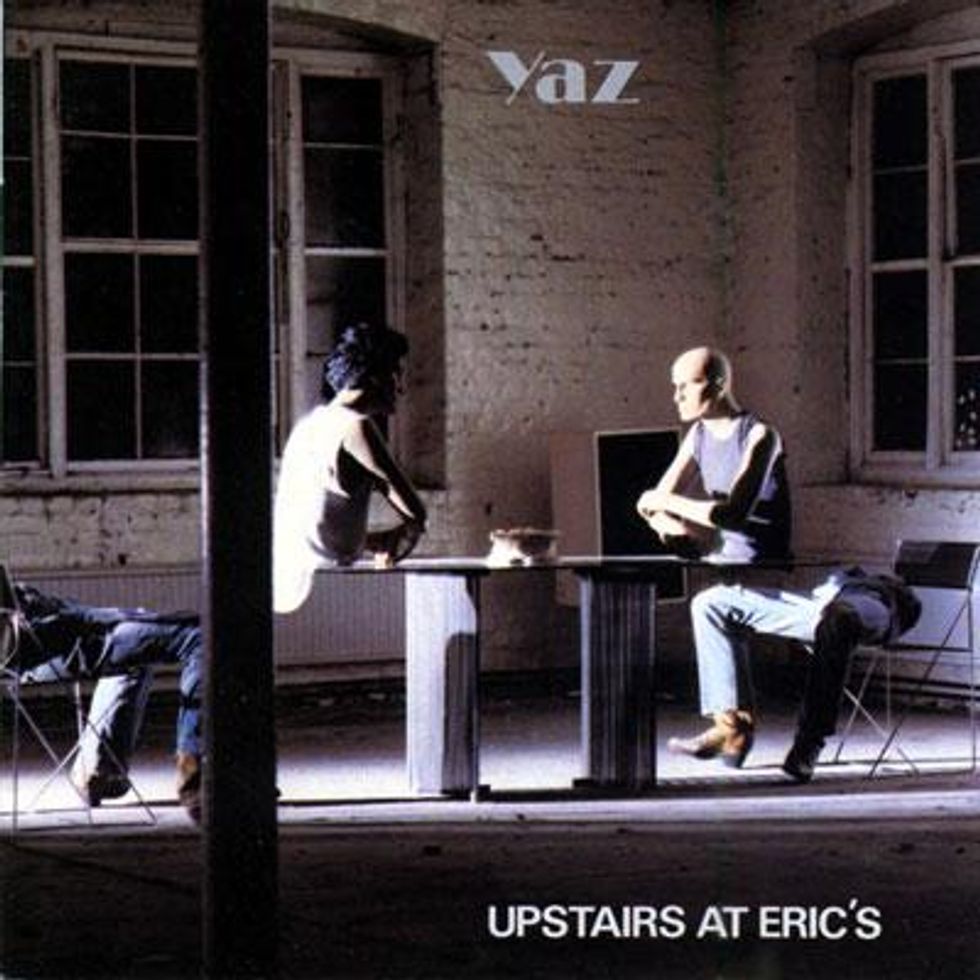
35. Yaz, 'Upstairs at Eric's,' 1982 http://www.out.com/sites/out.com/files/imagecache/slide-image/35_UpstairsatErics.jpg 17499
When this synth-pop duo first appeared, many thought its singer was a black gay man. In fact, Yaz (or Yazoo, outside the United States) was deep-voiced English chanteuse Alison Moyet and fellow Brit Vince Clarke (formerly of Depeche Mode). Together they merged hot soul and icy arpeggios not only for 'Situation,' one of the first new wave crossovers from gay clubs, but also for the album's equally explosive ballads. After one more album Moyet went solo, while Clarke created another pioneering synth-pop duo: Erasure.
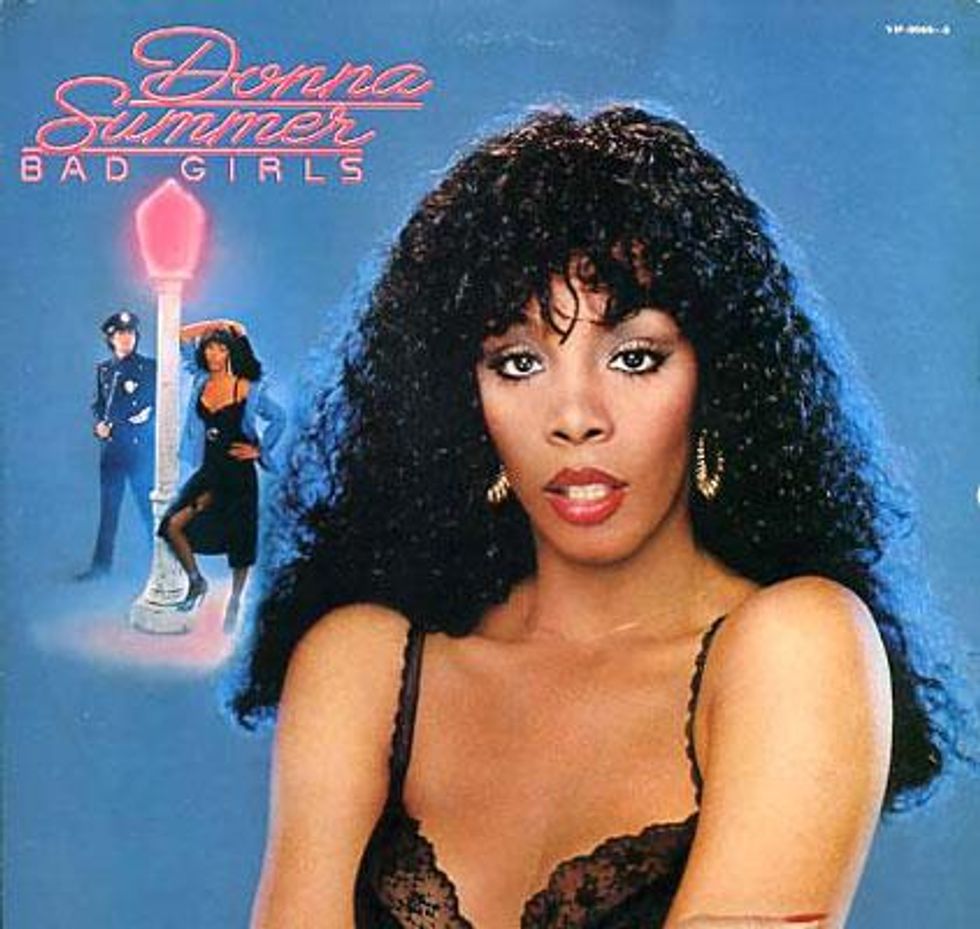
34. Donna Summer, 'Bad Girls,' 1979 http://www.out.com/sites/out.com/files/imagecache/slide-image/34_BadGirls.jpg 17498
“This album transports me to a time when my mother was in her 20s and I was her little boy. We would both sing these songs at the top of our lungs, and she would teach me to dance. I think to others it’s about a more innocent time when sexuality was fluid and irreverence was the rule.”--Wilson Cruz, actor
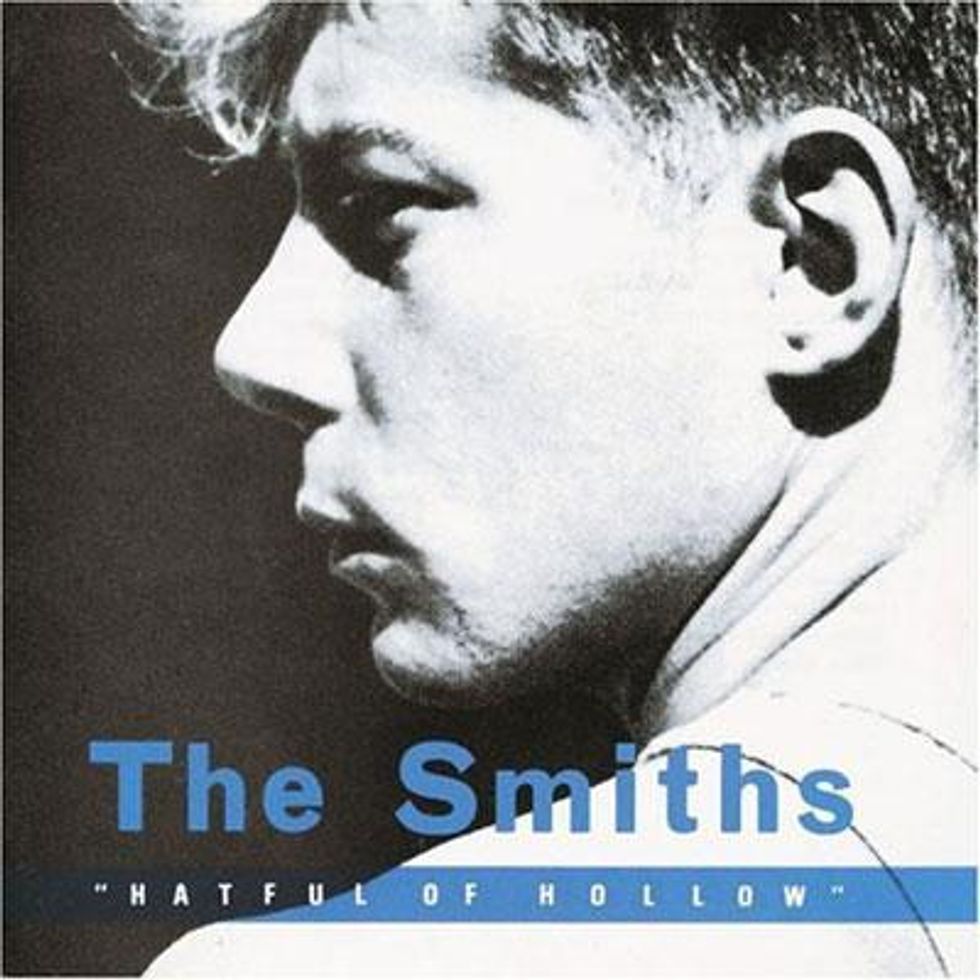
33. The Smiths, 'Hatful of Hollow,' 1984 http://www.out.com/sites/out.com/files/imagecache/slide-image/33_HatfulofHollow.jpg 17497
Wasn’t Hatful’s track “Accept Yourself” the soundtrack for so many lonesome, questioning gay teenagers? With the lyrics “Others conquered love, but I ran / I sat in my room and I drew up a plan,” how could it not be?
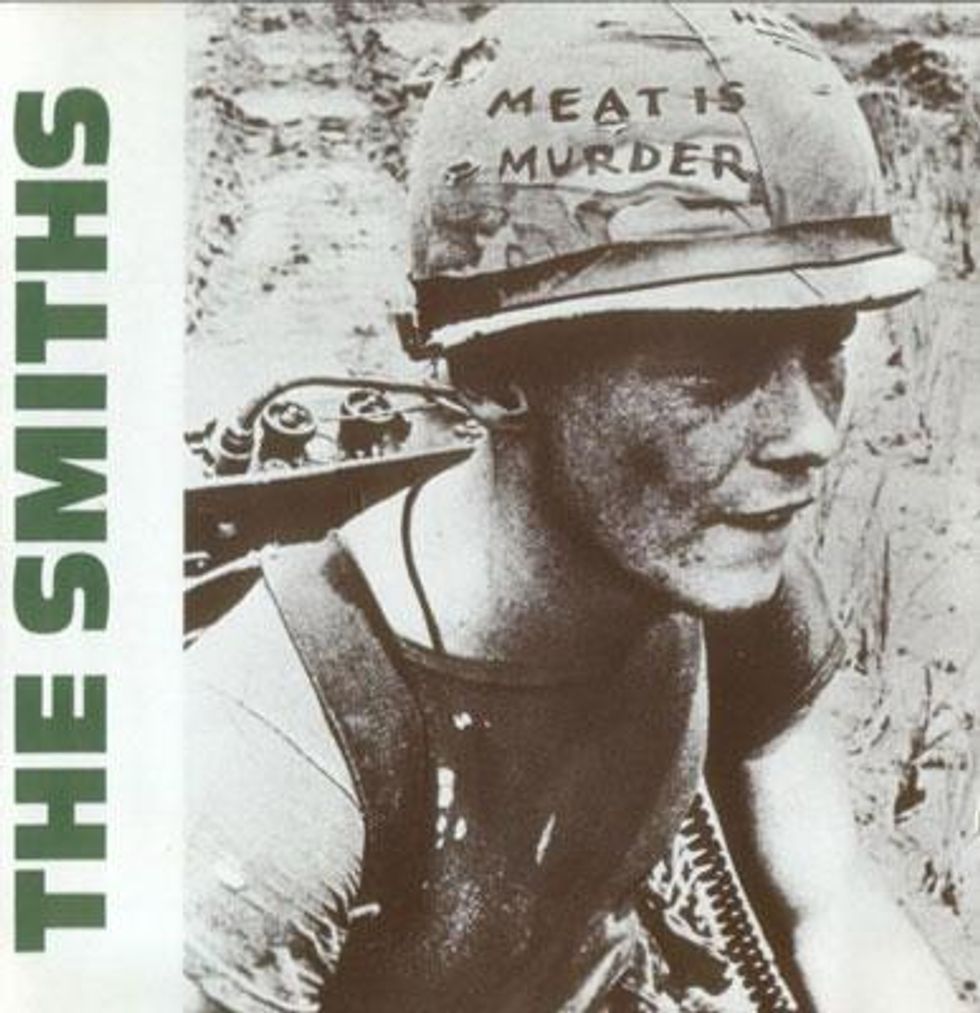
32. The Smiths, 'Meat Is Murder,' 1985 http://www.out.com/sites/out.com/files/imagecache/slide-image/32_MeatisMurder_0.jpg 17495
An eclectic mix of club-style dance music, punk, balladry, alt-rock, and militant vegetarianism, Meat is Murder is the Smiths at their most politically active. Conceived as an indictment of the Thatcher administration, Band Aid, and the meat industry, the record found lead singer Morrissey forbidding all members of the group from being photographed while eating meat.
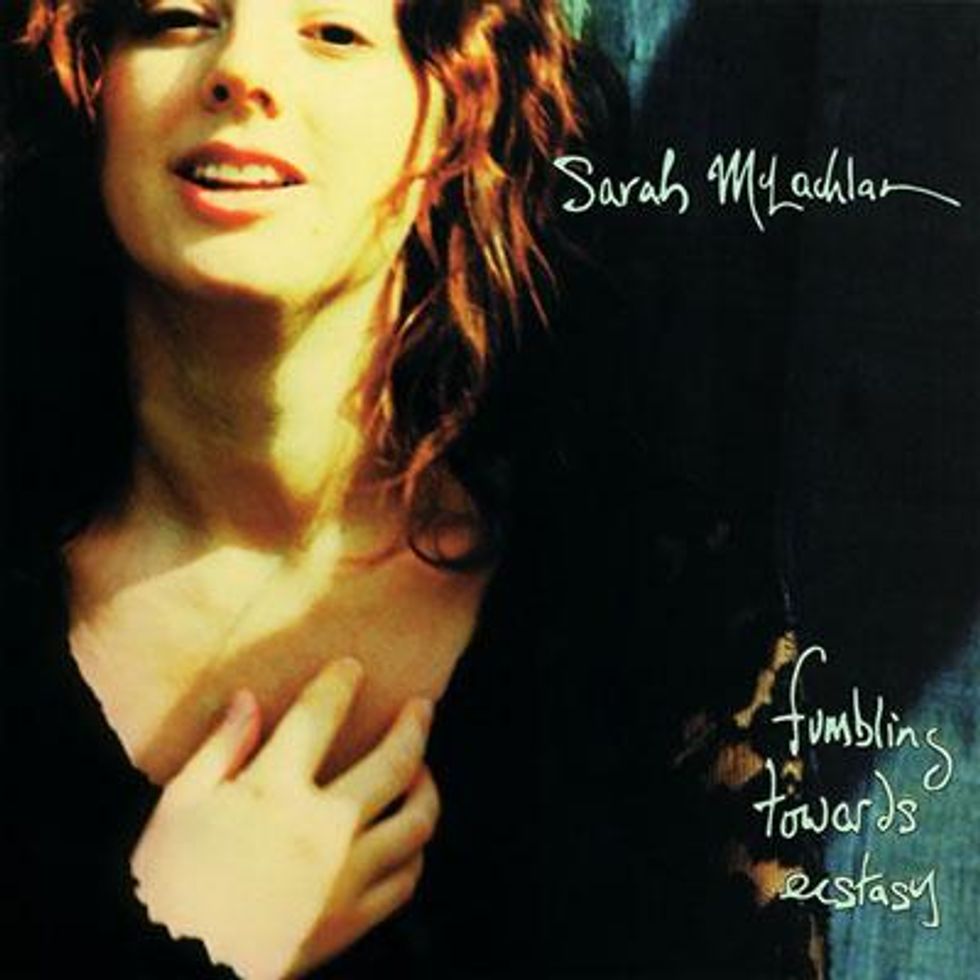
31. Sarah McLachlan, 'Fumbling Towards Ecstacy,' 1993 http://www.out.com/sites/out.com/files/imagecache/slide-image/31_FumblingTowardsEcstasy_0.jpg 17494
'Lesbians all across the world have had sex to this record. A lot of sex.' -- Jen Foster, folk musician
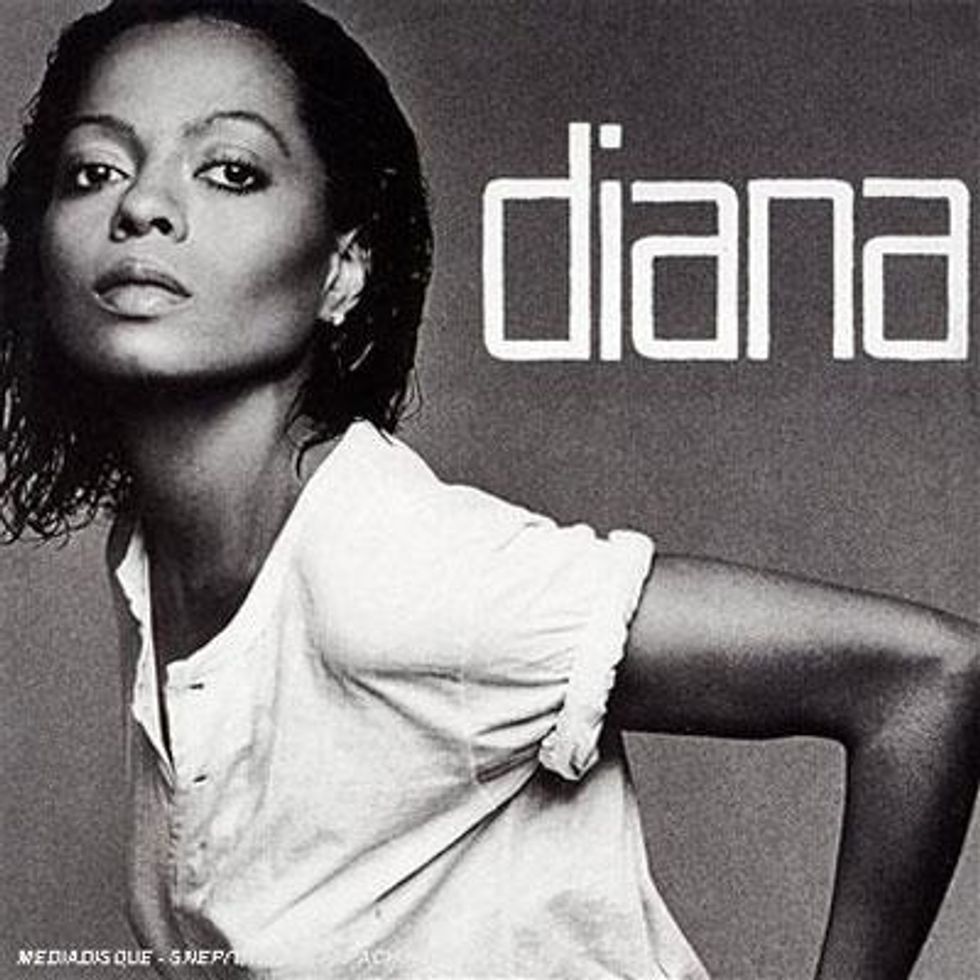
30. Diana Ross, 'Diana,' 1980 http://www.out.com/sites/out.com/files/imagecache/slide-image/30_Diana.jpg 17493
One of America’s first real divas, Diana Ross has produced 18 number 1 singles, and although Diana’s “I’m Coming Out” isn’t one of them, it has earned its place in the hearts of every gay man who wants “The world to know / Got to let it show.” Despite repeated arguments between Ross and the producers, who insisted the singer was singing flat, Diana was finished and became the best selling of the 61 albums she has released.
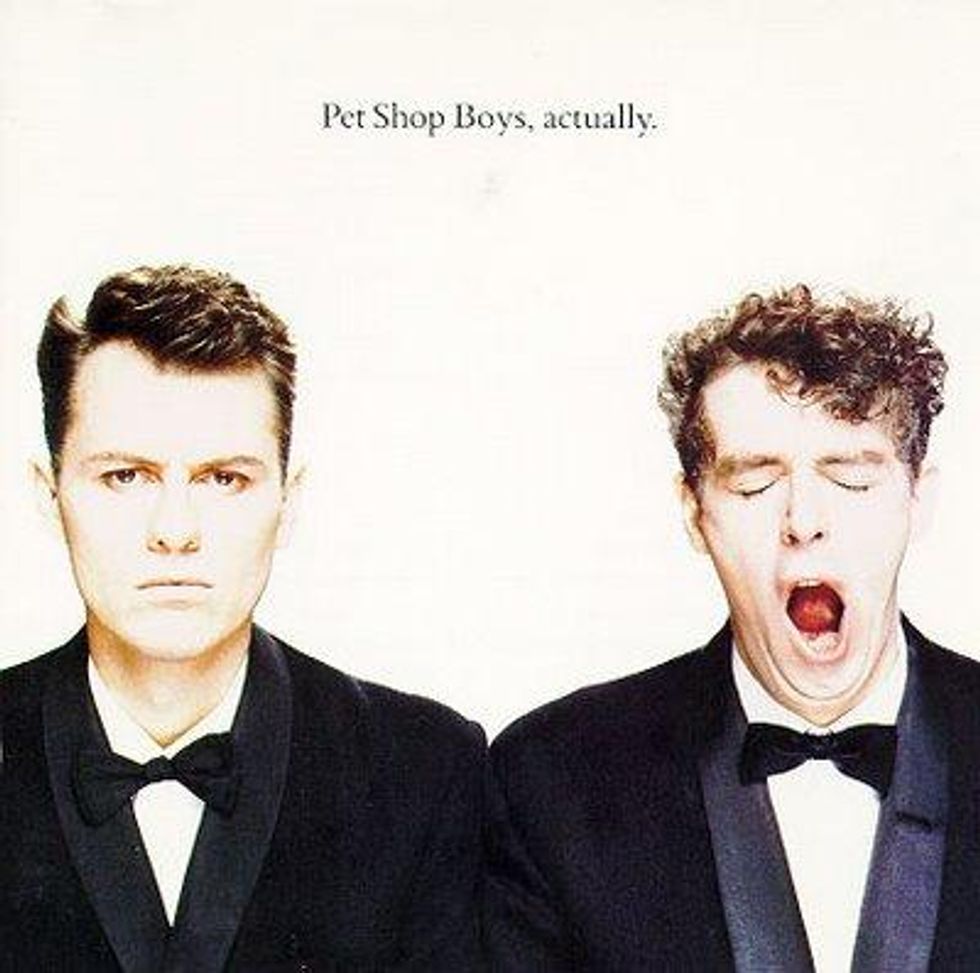
29. Pet Shop Boys, 'Actually,' 1987 http://www.out.com/sites/out.com/files/imagecache/slide-image/29_Actually.jpg 17492
The obvious standouts are still the orchestral disco gem “It’s a Sin” and “What Have I Done to Deserve This?” (a fabulous duet with Dusty Springfield that revived the long lost singer’s career). However, the Pet Shop Boys’ sophomore album also addresses the blurring of sexual and financial arrangements (“Rent,” later covered by Liza Minnelli) and features “It Couldn’t Happen Here,” a song based on a conversation singer Neil Tennant had with his friend in the early days of AIDS about how the disease wouldn’t affect Britain. Later, that same friend passed away from AIDS complications, inspiring Tennant to pen the sober track.
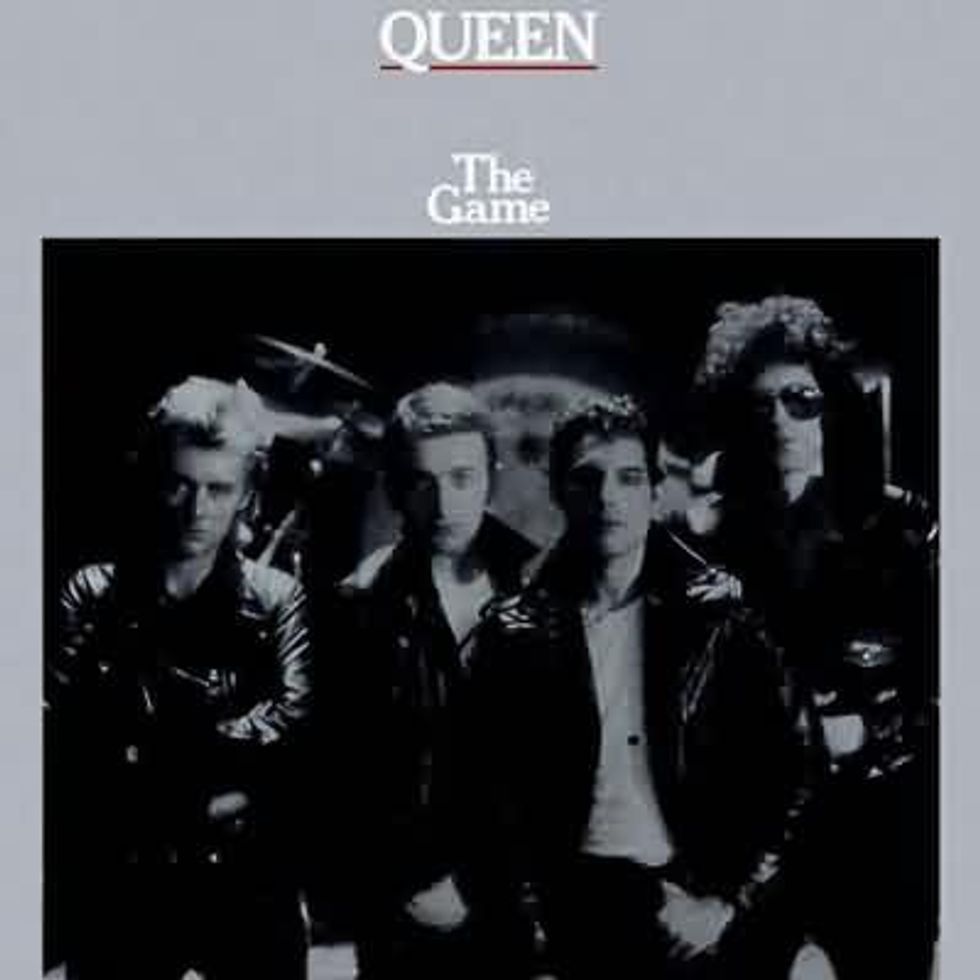
28. Queen, 'The Game,' 1980 http://www.out.com/sites/out.com/files/imagecache/slide-image/28_TheGame.jpg 17491
Definitely less campy than A Night at the Opera or Jazz, this album is what made it socially acceptable for your hetero friends to rock out to Queen in the locker room. The rockabilly “Crazy Little Thing Called Love” and “Another One Bites the Dust” are staples now, but if it hadn’t been for front man Freddie Mercury’s sheer bad-assery, would the queer community have paid attention to this one?
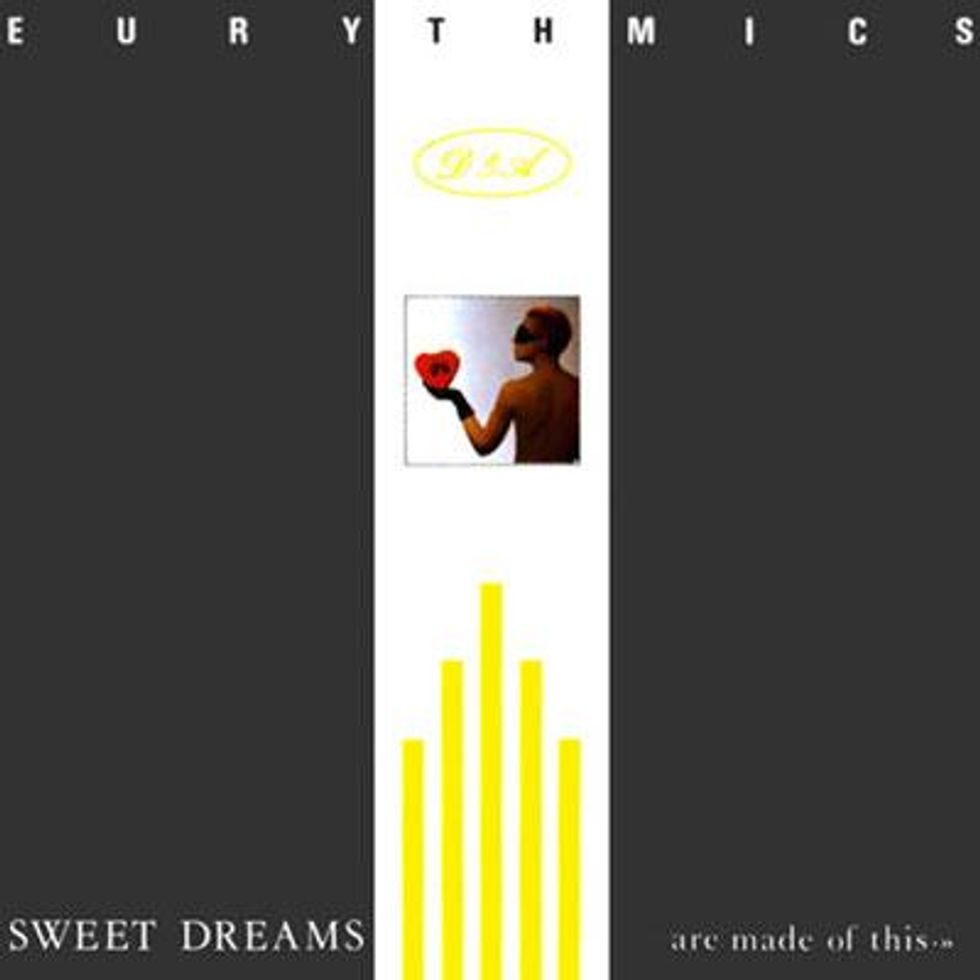
27. Eurythmics, 'Sweet Dreams (Are Made of This),' 1983 http://www.out.com/sites/out.com/files/imagecache/slide-image/27_SweetDreams.jpg 17490
Annie Lennox and Dave Stewart's romantic partnership had ceased by the time of its release, but that troubled relationship is at the core of Sweet Dreams. On the title track the yin/yang of Stewart's driving synths with Lennox's ethereal vocals is as electrifying today as it was 25 years ago, but while the single scored their first (and only) U.S. number 1, it's the spectral 'Love Is a Stranger' and 'This City Never Sleeps' that evoke the mood of foreboding and loneliness that came to dominate Lennox's solo career.
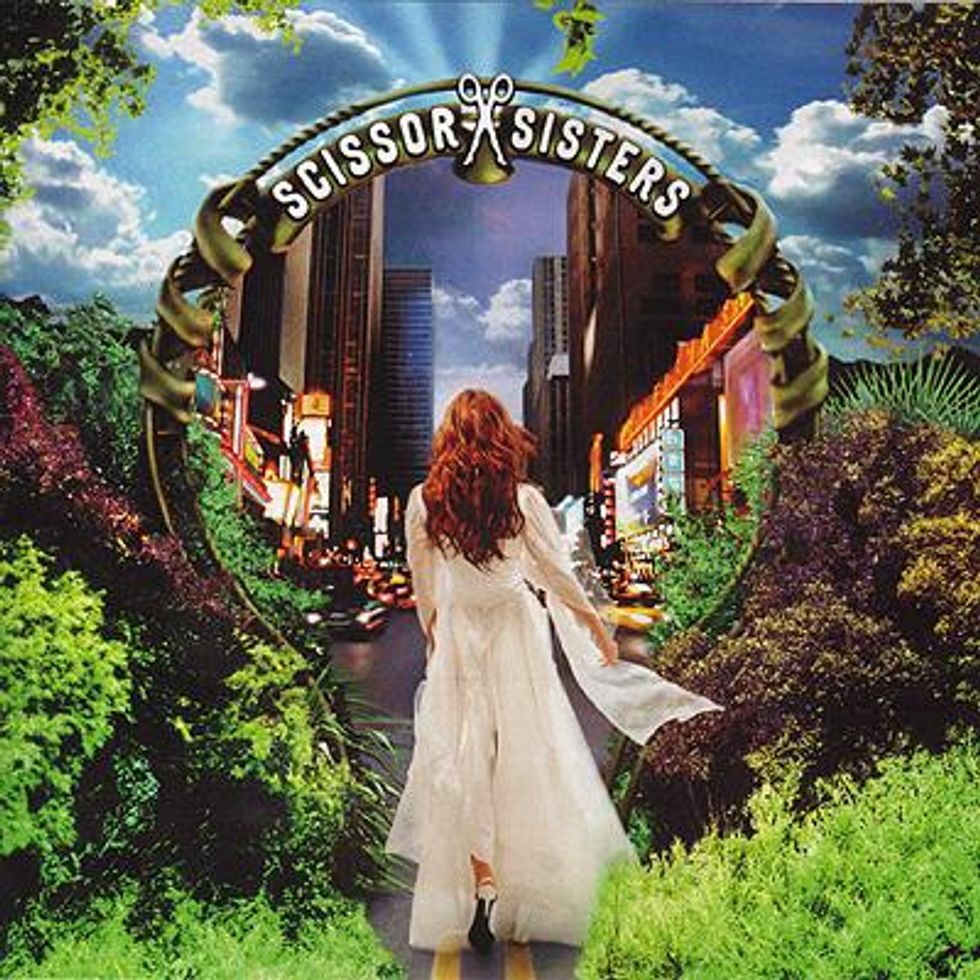
26. Scissor Sisters, 'Scissor Sisters,' 2004 http://www.out.com/sites/out.com/files/imagecache/slide-image/26_ScissorSisters.jpg 17489
“When Jake Shears and the rest of this band came on the scene, I was reminded of what I think was lacking in pop music: a confident, sassy, gay sensibility! It made me proud to be gay.”--Jamie Stewart, Xiu Xiu

“I still don’t think most people get their name.”--Chris March, Project Runway contestant
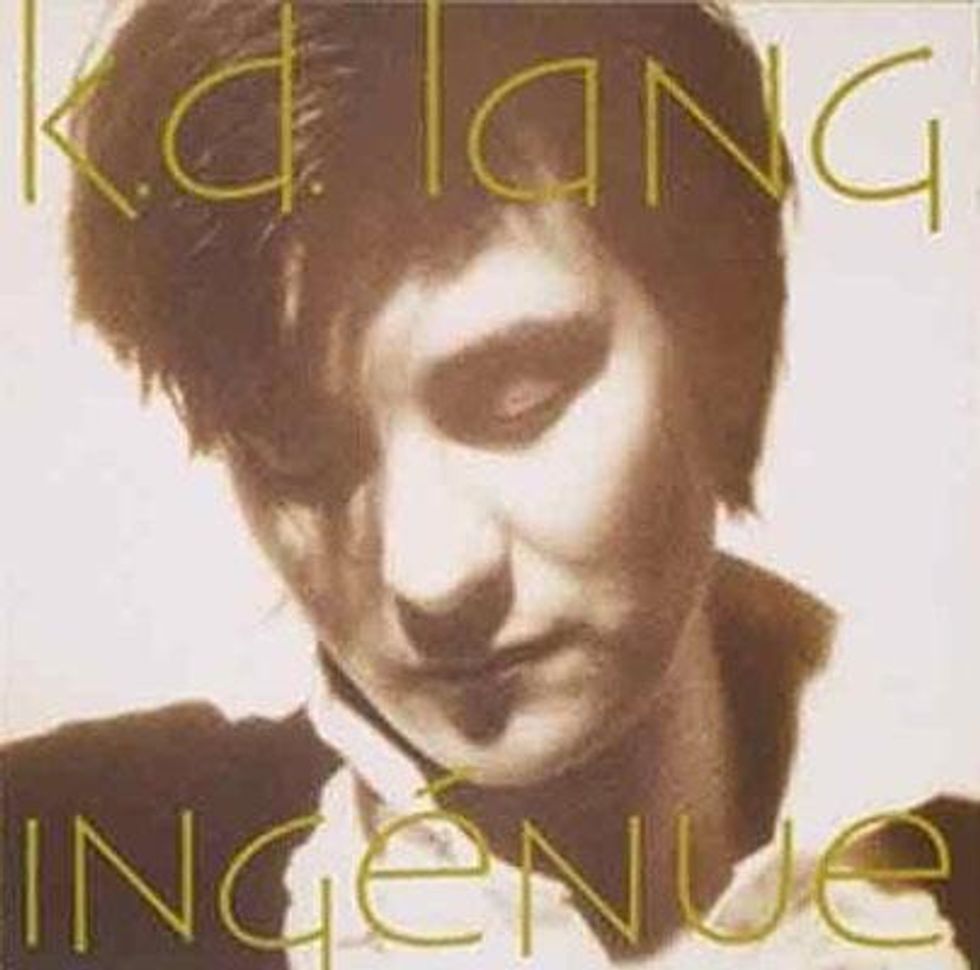
25. k.d. lang, 'Ingenue,' 1992 http://www.out.com/sites/out.com/files/imagecache/slide-image/ingenue.jpg 17488
With its silky textures and subtle, slinky rhythms, 1992's Ingenue shifted k.d. lang's musical focus from the prairie to a cabaret of her own design. 'Miss Chatelaine,' her dreamy Lawrence Welk tribute (as its video bears out), birthed a butch-goes-femme lesbian variation on camp that narrowed the aesthetic divide between lang's sapphic sisters and her gay brothers, while 'Constant Craving' wooed adult pop radio and scored lang her well-deserved third Grammy, transforming this Canadian country crooner into an unconventional mainstream icon. In live performance lang remained a wild thing, but on her fifth and most popular album, she's deliciously smooth -- nearly regal with poise.
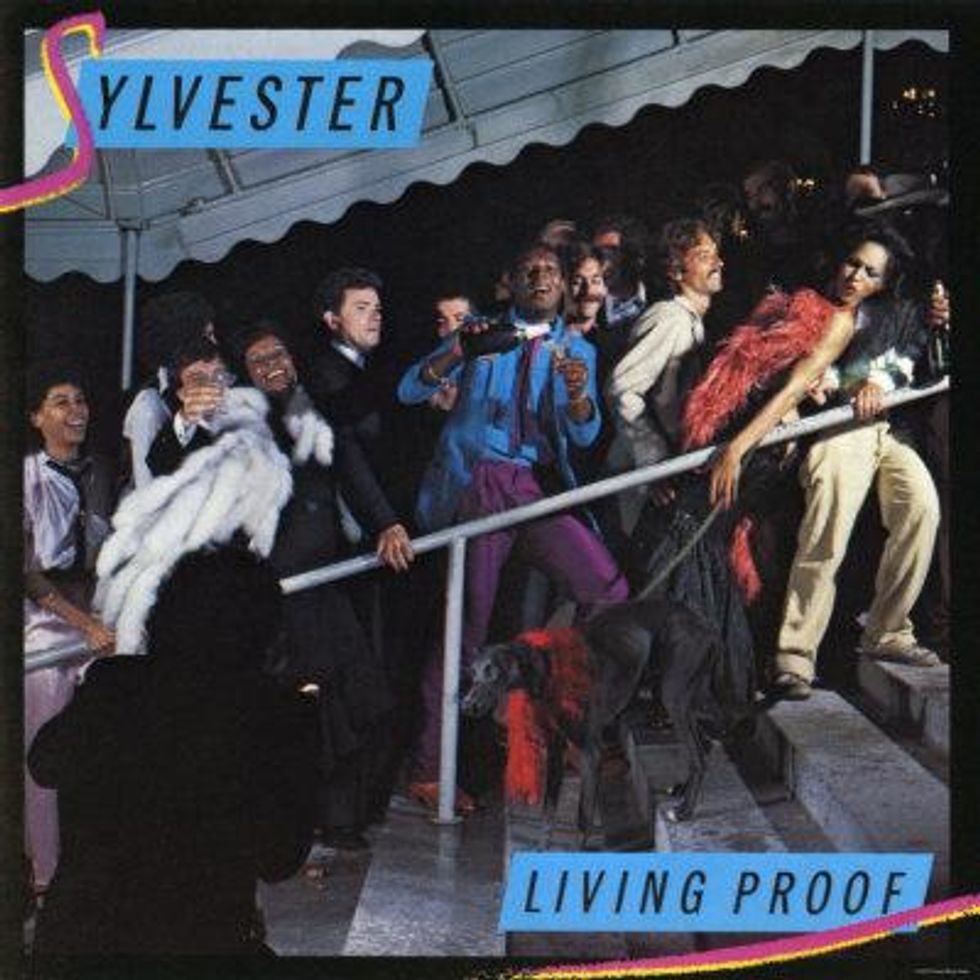
24. Sylvester, 'Living Proof,' 1979 http://www.out.com/sites/out.com/files/imagecache/slide-image/LivingProof.jpg 17487
“The first time a drag queen disco danced into your living room through the TV screen.”--Holly Johnson, formerly of Frankie Goes to Hollywood
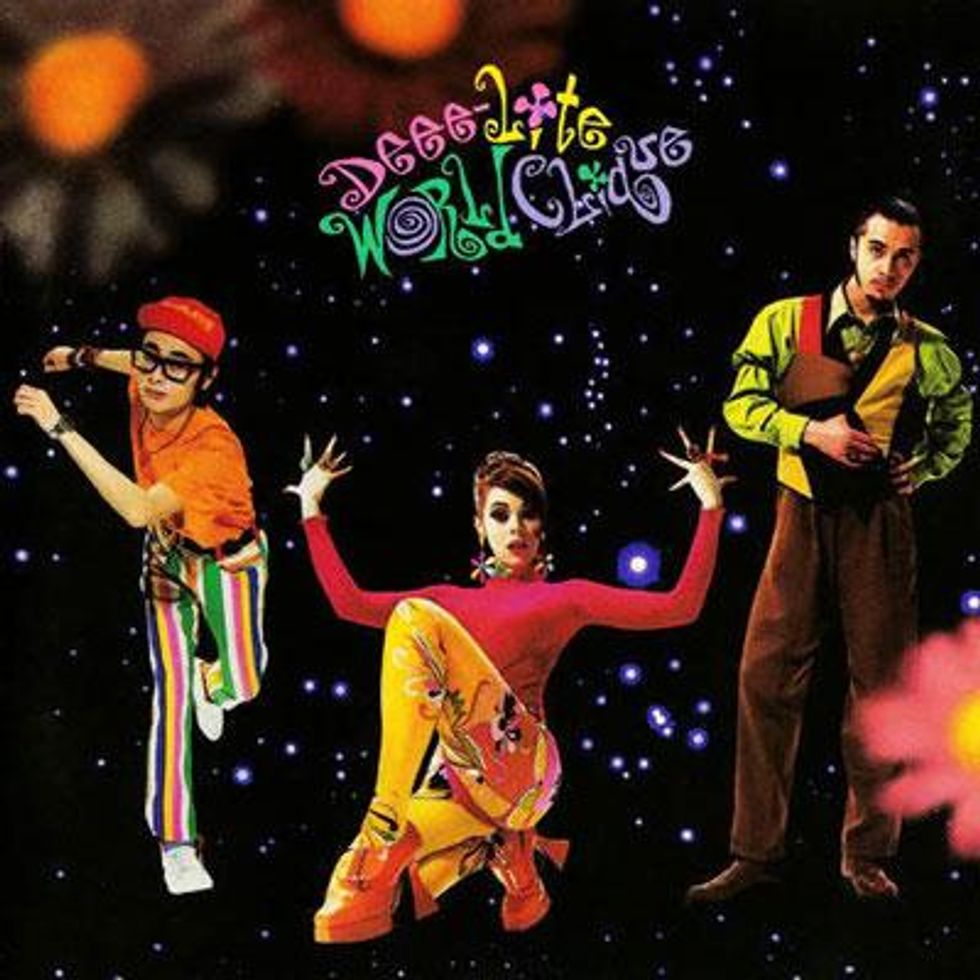
23. Deee-Lite, 'World Clique,' 1990 http://www.out.com/sites/out.com/files/imagecache/slide-image/WorldClique.jpg 17486
“I performed in drag as Lady Miss Kier in sixth grade. What can I say? I went to a liberal elementary school.”--Ed Droste, Grizzly Bear
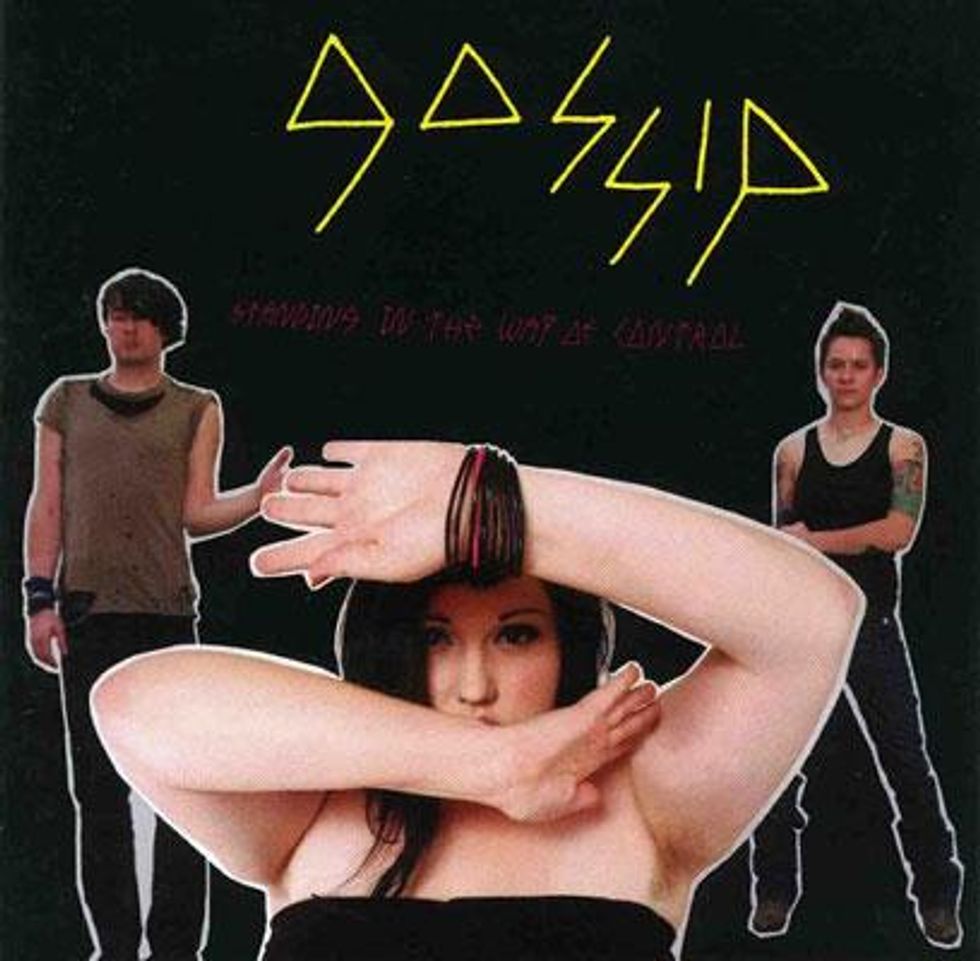
22. The Gossip, 'Standing in the Way of Control,' 2006 http://www.out.com/sites/out.com/files/imagecache/slide-image/StandingineWayControl.jpg 17485
The Gossip’s Standing in the Way of Control isn’t your typical riot grrrl album, probably because lead singer Beth Ditto isn’t your typical riot grrrl vocalist. The outspoken firebrand (who refuses to wear deodorant and has confessed to eating squirrels while growing up in Arkansas) doesn’t fill the record with political rants or power-lesbo rock statements. Ditto’s game is more focused on pithy lyrics and punk-infused blues. Check out “Yr Mangled Heart” for the rare punk song that takes on heartbreak without hyperbole. Sample lyrics: “If everything you do has got a hold on me / Then everything I do has got a hole in it.”
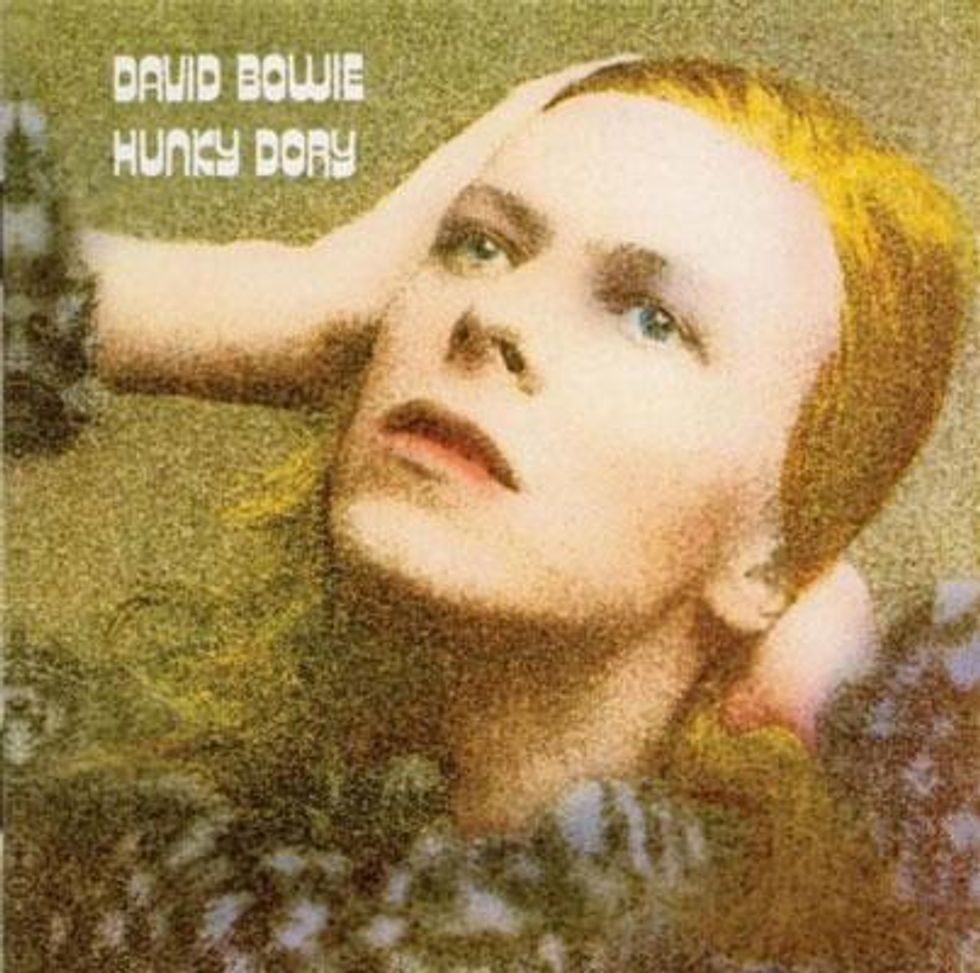
21. David Bowie, 'Hunky Dory,' 1971 http://www.out.com/sites/out.com/files/imagecache/slide-image/HunkyDory.jpg 17484
This isn’t the last time you’ll see Bowie on our list, but he really out-gayed himself on Hunky Dory. The light bulb instantly goes off in the rousing opener “Changes”: “So I turned myself to face me / But I’ve never caught a glimpse / Of how the others must see the faker.” Then Bowie follows this epiphany with “Oh! You Pretty Things,” exhorting a crusty old generation—one that must have taken in his painted-up mug and androgynous attire with sheer horror -- to “make way for the homo superior.” The sumptuous cabaret sci-fi of “Life on Mars?” still represents Bowie’s most exhilarating foray into grandiose balladry, Andy Warhol gets a nod in the record’s second half, and then comes the jealousy-soaked camp of “Queen Bitch,” with its swishy, slutty titular character in her “frock coat and bipperty-bopperty hat.” It may hint at the Great One’s masterpiece to come, but Hunky Dory is more than a preface -- it’s one of the finest, most accessible albums in the Bowie catalogue.
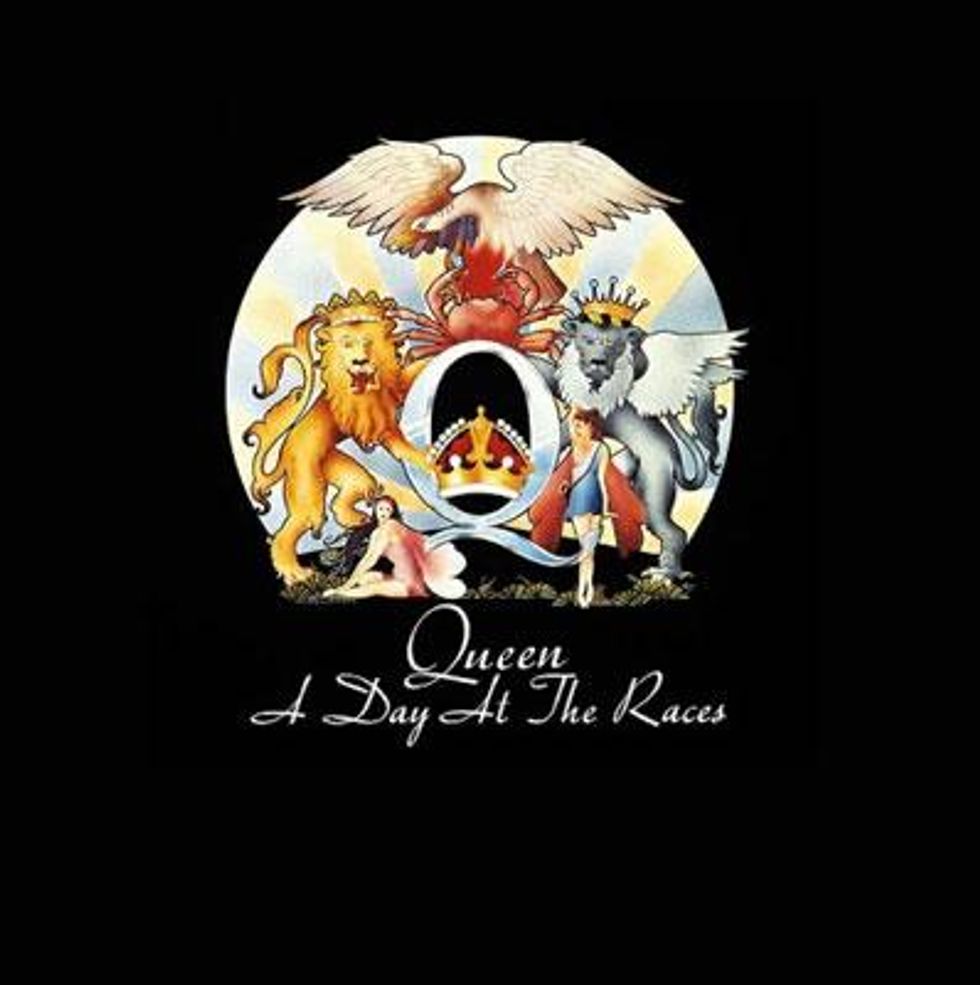
20. Queen, 'A Day at the Races,' 1976 http://www.out.com/sites/out.com/files/imagecache/slide-image/ADayAttheRaces.jpg 17483
Of course, the centerpiece of this album is the hit single “Somebody to Love,” apparently Freddie Mercury’s personal fave -- and rightly so. The singer’s own desperate search for love is poured straight into the pop rock ballad, which has been covered dozens of times and is easily one of Queen’s best.
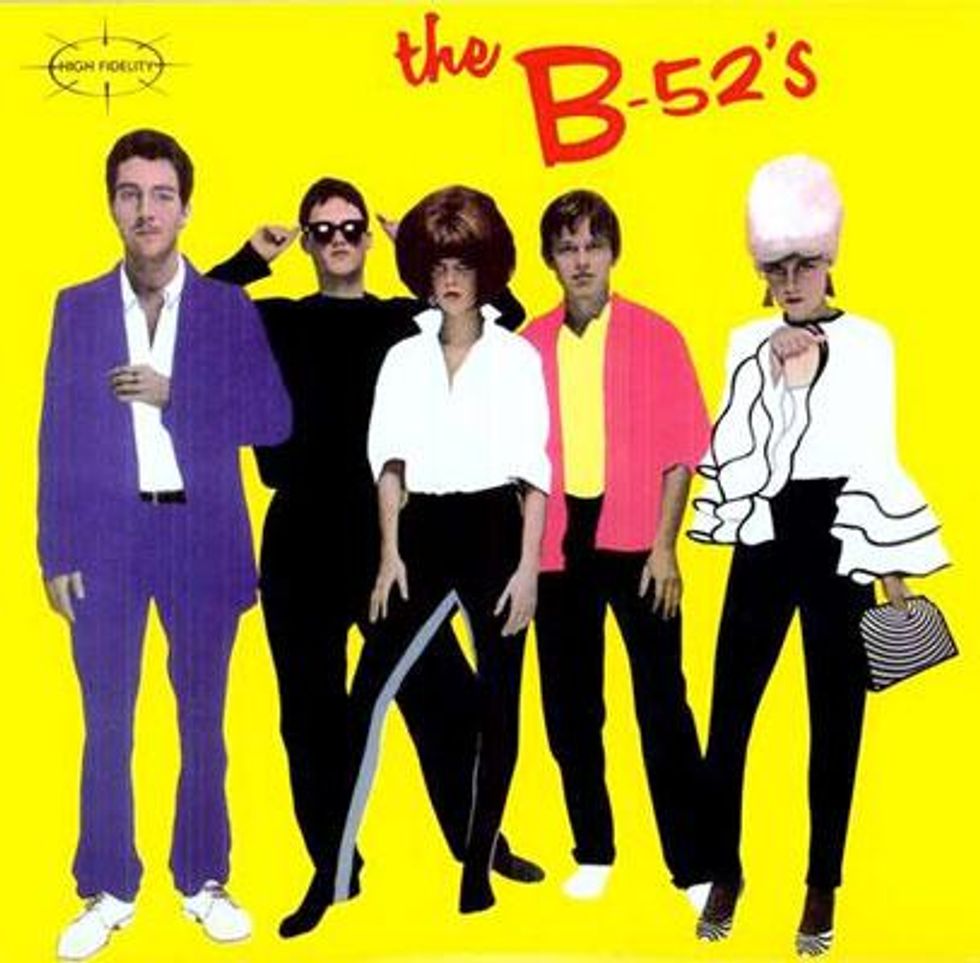
19. The B-52s, 'The B-52's,' 1979 http://www.out.com/sites/out.com/files/imagecache/slide-image/TheB52s.jpg 17482
"I remember auditioning for the character of Duckie in Pretty in Pink and bringing in 'Planet Claire' to dance to in front of the director. I still hate Jon Cryer.' -- John Cameron Mitchell
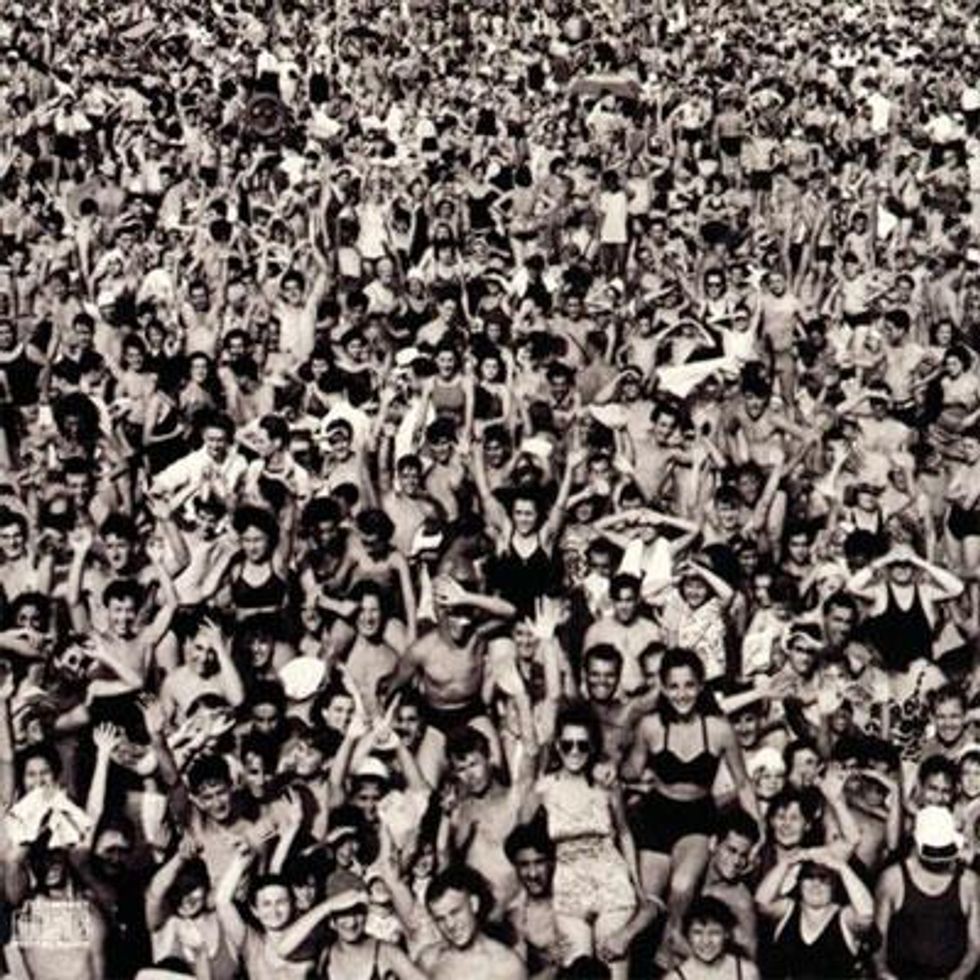
18. George Michael, 'Listen Without Prejudice, Vol. I,' 1990 http://www.out.com/sites/out.com/files/imagecache/slide-image/ListenWithoutPrejudice.jpg 17481
The 6 1/2-minute 'Freedom '90' was not only the first great pop song of that decade, it was George Michael's condensed autobiography -- the true story of a boy who had painted himself into a corner but was dying to come out. So he recast himself with lip-syncing supermodels, stopped touring, and began to quietly make good on his promise to 'take these lies and make them true somehow.' There are other excellent songs on Listen Without Prejudice (most notably the viciously political 'Praying for Time'), but it is the gospel choir-worthy 'Freedom' that will remain a queer anthem.
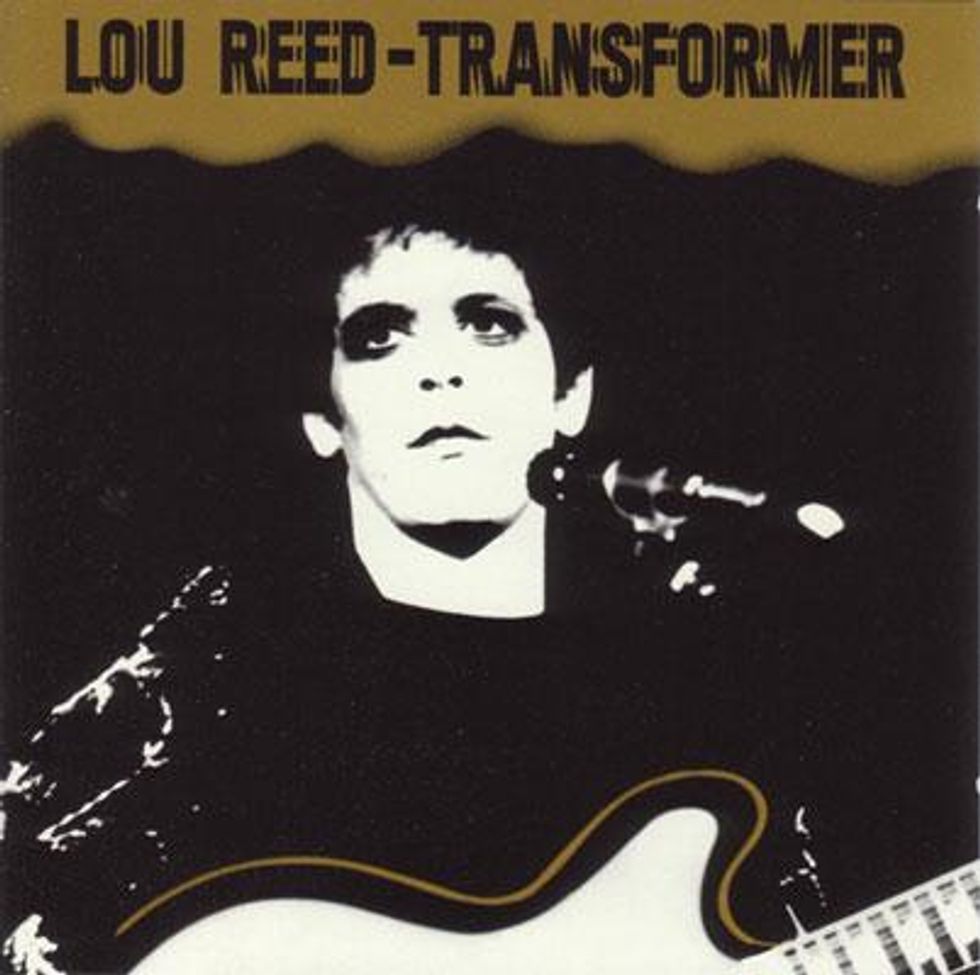
17. Lou Reed, 'Transformer,' 1972 http://www.out.com/sites/out.com/files/imagecache/slide-image/Transformer.jpg 17480
'The gender-bending 'Walk on the Wild Side' is (as far as we know) the only song about transsexuals, male prostitution, and blowjobs to hit the Top 40. Bonus points for the leather hunk with a giant hard-on on the back cover.' -- queer psych-prog band Mirror Mirror
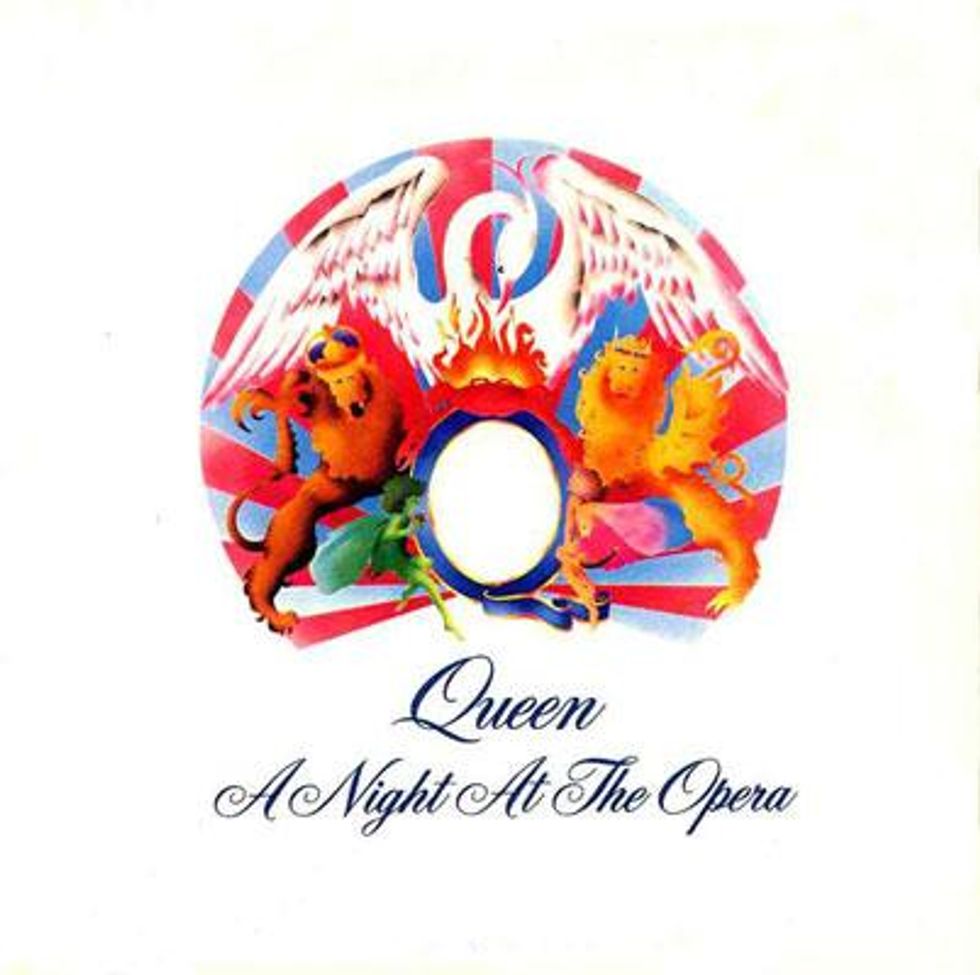
16. Queen, 'A Night at the Opera,' 1975 http://www.out.com/sites/out.com/files/imagecache/slide-image/NightAttheOpera.jpg 17479
“I thought up the name Queen. It’s just a name, but it’s very regal obviously, and it sounds splendid. It’s a strong name, very universal and immediate. It had a lot of visual potential and was open to all sorts of interpretations.”--Freddie Mercury, Queen
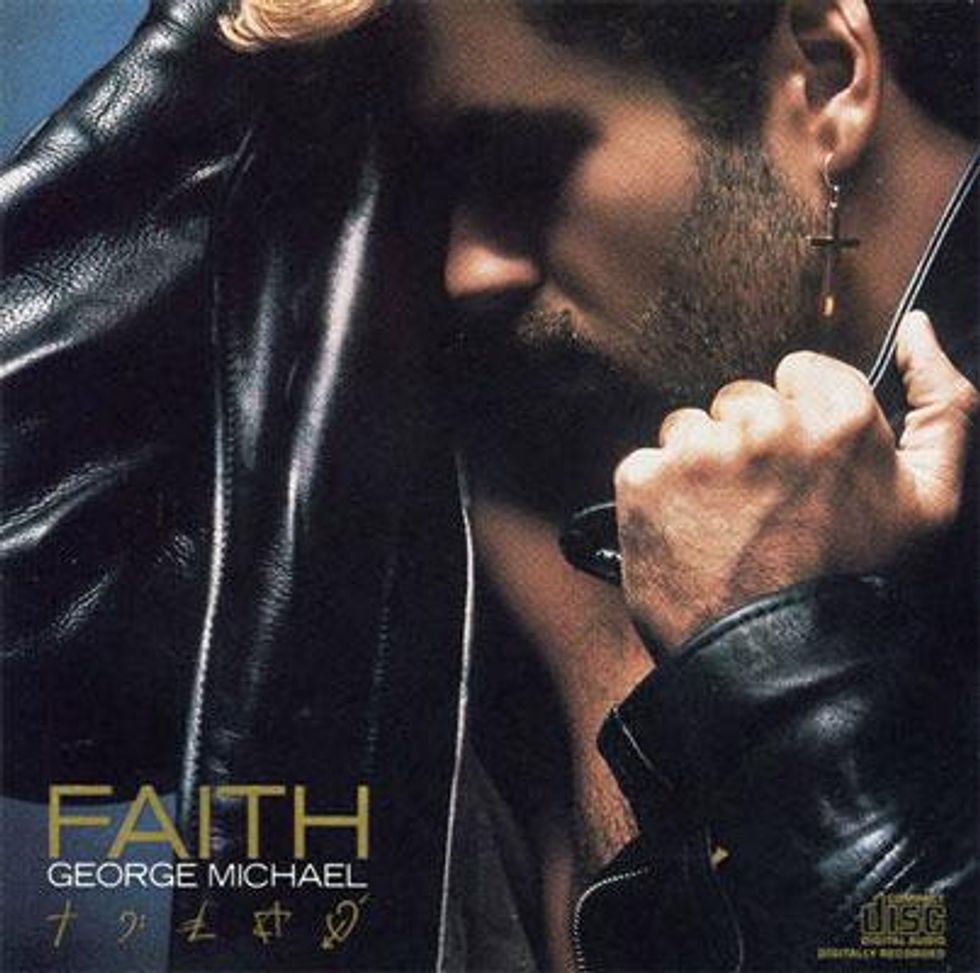
15. George Michael, 'Faith,' 1987 http://www.out.com/sites/out.com/files/imagecache/slide-image/faith.jpg 17478
“This was my first record ever. I got it for my 8th birthday, and I’m pretty sure it is the root of my queerness.”--Gina Bling, of queer rap duo Team Gina
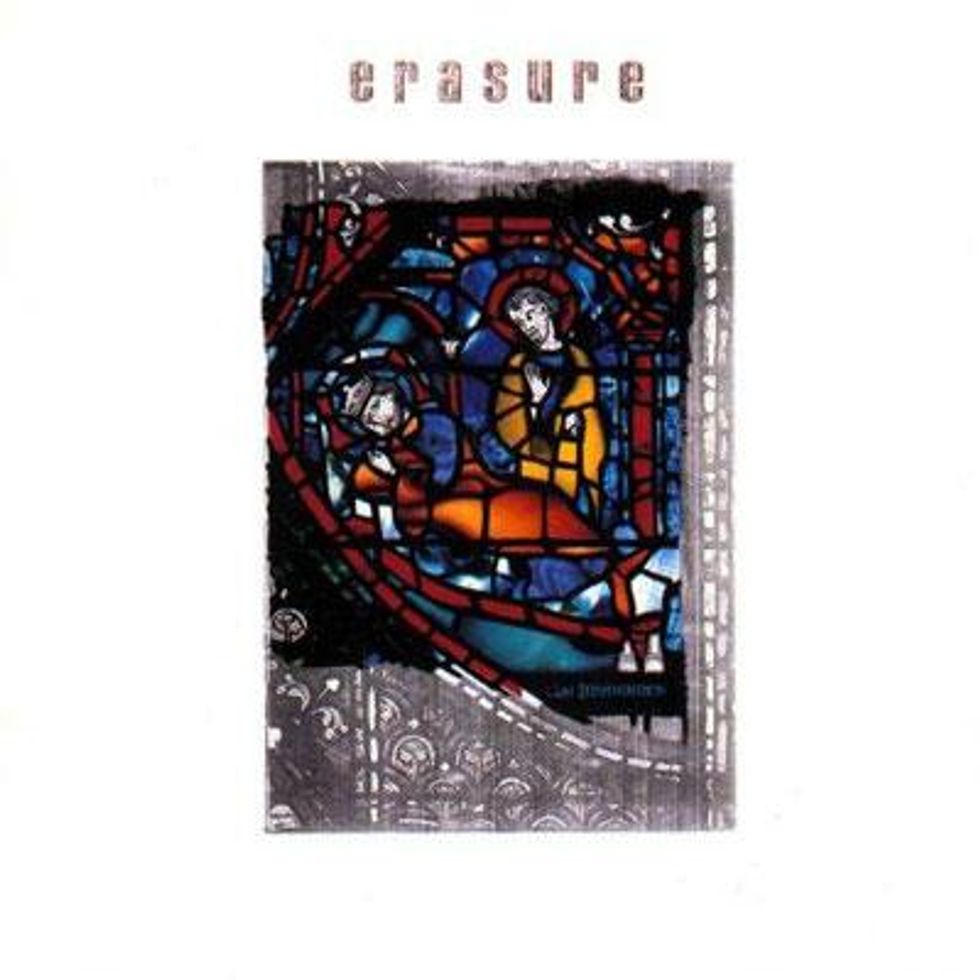
14. Erasure, 'The Innocents,' 1988 http://www.out.com/sites/out.com/files/imagecache/slide-image/ErasureTheInnocents.jpg 17477
“My first Erasure album. Later, I discovered Erasure songs like "Hideaway" and "Breath of Life," which kept me from jumping off that tall building at USC.”--Jesse Archer, actor and author of You Can Run
13. Ani DiFranco, 'Dilate,' 1996 http://www.out.com/sites/out.com/files/imagecache/slide-image/aniDilate.jpg 17476
'The record took me two years to digest; it overwhelmed me. Ani put words to experiences from my generation with poise and generosity I had never and still haven't heard.' -- Melissa Ferrick, folk musician
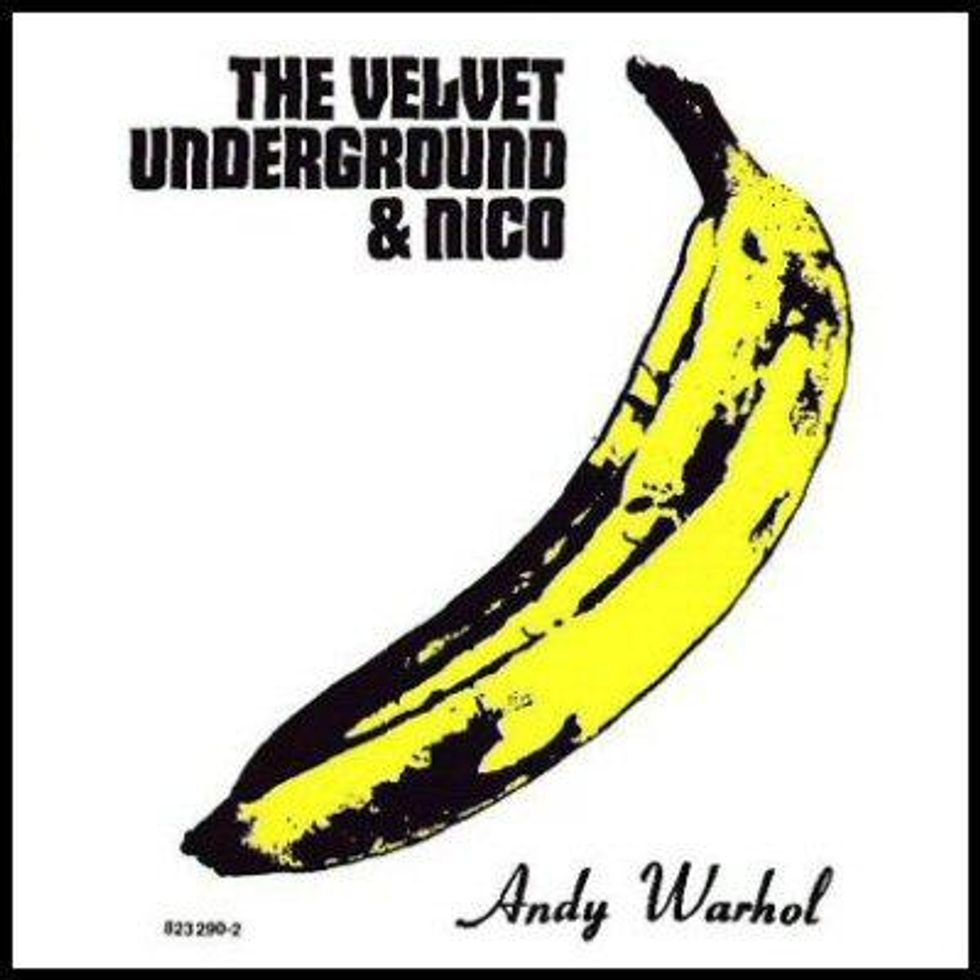
12. The Velvet Underground & Nico, 'The Velvet Underground & Nico,' 1967 http://www.out.com/sites/out.com/files/imagecache/slide-image/VelvetUndergroundNico.jpg 17475
Produced by Andy Warhol, the record was infamous at its release for addressing taboo subjects like drug abuse (“I’m Waiting for the Man,” “Heroin”) and S&M (“Venus in Furs,” “Femme Fatale”). A financial failure when it was released in 1967, it has since been lauded as the genesis of indie rock and one of the most groundbreaking albums ever crafted.
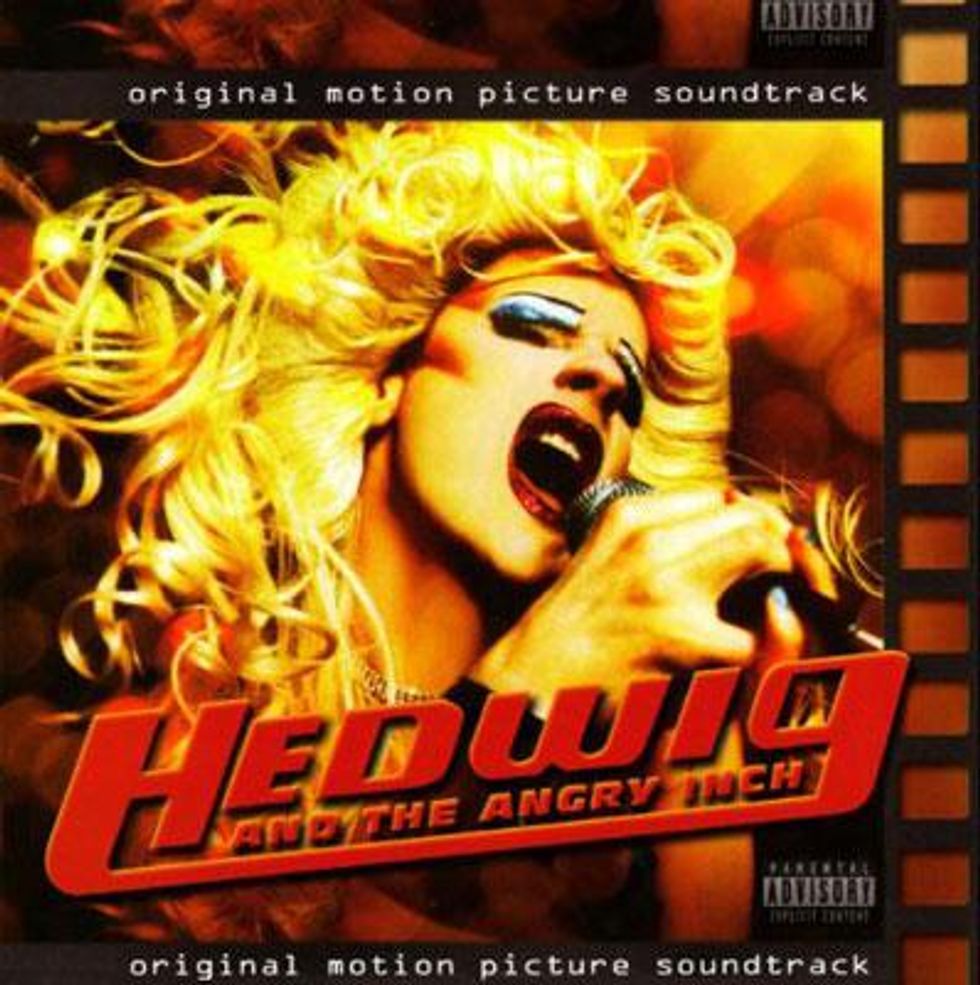
11. Various artists, 'Hedwig and the Angry Inch' soundtrack, 2001 http://www.out.com/sites/out.com/files/imagecache/slide-image/hedwig.jpg 17474
“My favorite musical of all time and a queer classic. Every gay boy or girl or transgender youth can relate to this story of an outsider looking for love and acceptance, and the music elevates that story to beautiful, epic heights.”--Perez Hilton
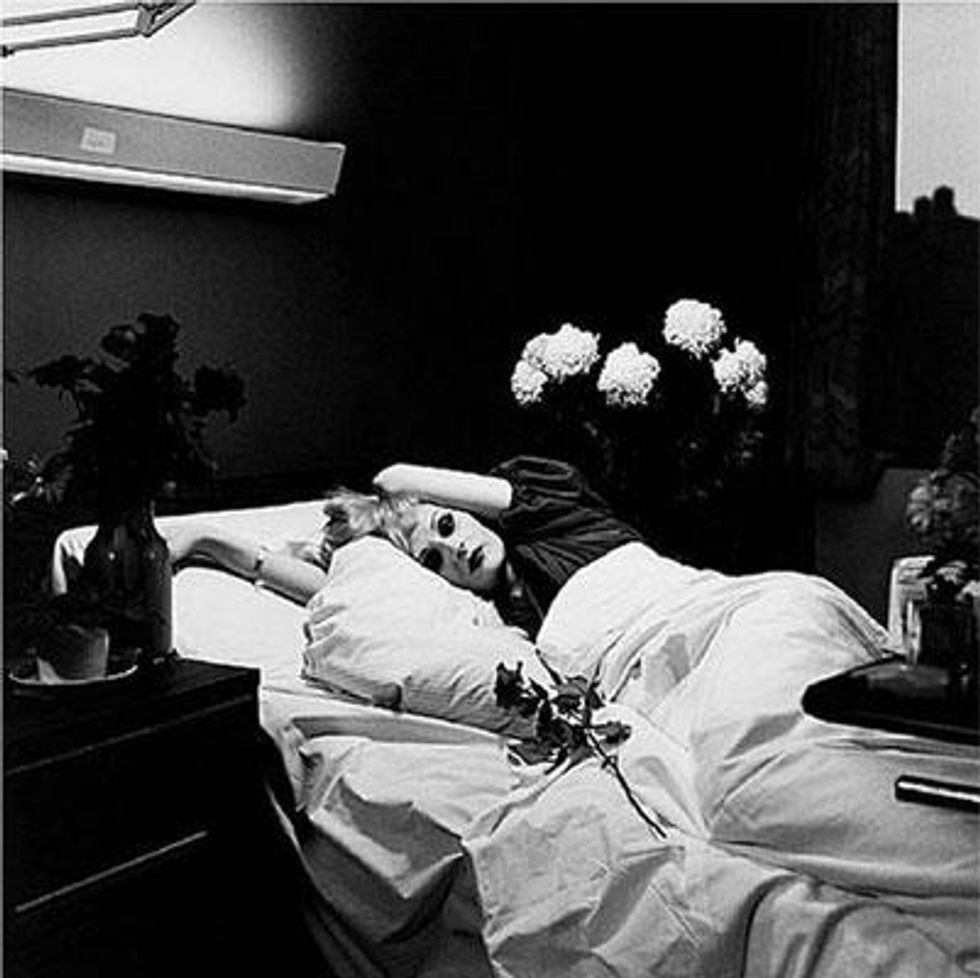
10. Antony and the Johnsons, 'I Am A Bird Now,' 2005 http://www.out.com/sites/out.com/files/imagecache/slide-image/iAmBird.jpg 17473
Unflinching passion, a desperate desire for human connection, a tremulous voice reminiscent of Nina Simone, and help from musical luminaries Lou Reed, Rufus Wainwright, and Boy George -- the makings of a gay classic were all there. This short, sparse set contains some of the saddest, rawest songs ever recorded. Over the course of I Am a Bird Now’s 10 humble tracks, the singer meditates on that lonesome “middle place” between life and nothingness (“Hope There’s Someone”); gender mutability (“For Today I Am a Boy”); sadomasochism (“Fistful of Love”); and, on the album’s transcendent climax, “Bird Gerhl,” the sublime freedom of flying alone.
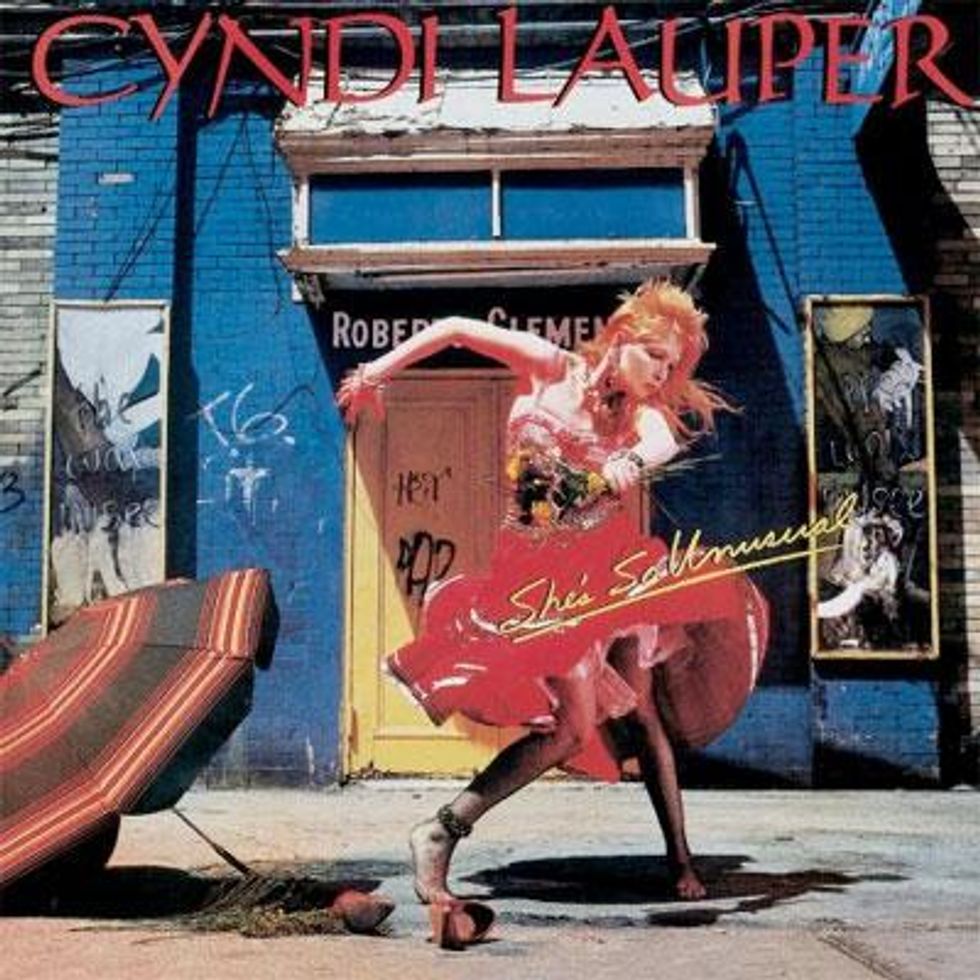
9. Cyndi Lauper, 'She's So Unusual,' 1983 http://www.out.com/sites/out.com/files/imagecache/slide-image/cyndiLauperUnusual.jpg 17472
Girl pop designed for early ’60s radio but updated for early ’80s MTV, Lauper’s 1983 solo debut remains a classic of New Wave feminism. Themes of social and sexual freedom animated hits like “Girls Just Want to Have Fun” and “She Bop” (still the best song ever about self-service) in ways more overt than even Donna Summer’s disco. Combining rock, pop, and R&B, this Queens-born Queen of Quirk embodied neon-bright ’80s nonconformity even as ballads like “Time After Time” became standards. Her ongoing LGBT/AIDS charity work proves her heart has remained as big as her voice.
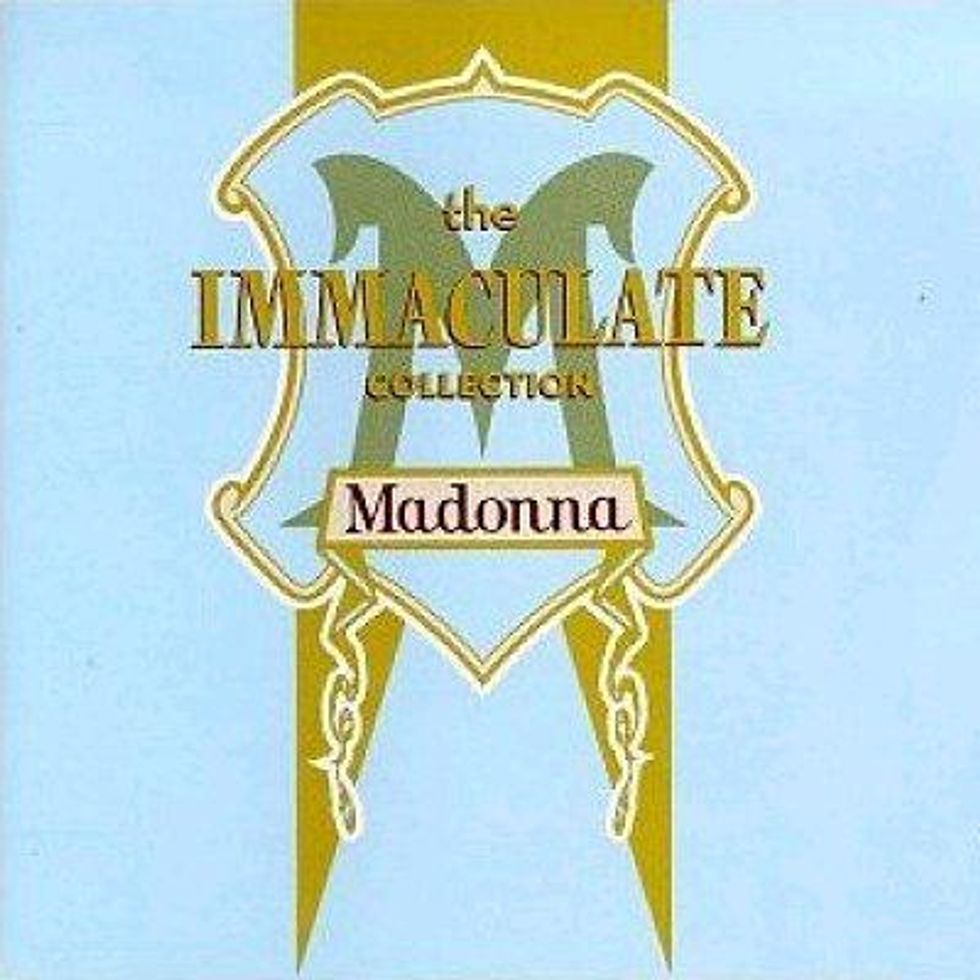
Madonna, 'The Immaculate Collection,' 1990 http://www.out.com/sites/out.com/files/imagecache/slide-image/8_The%20Immaculate%20Collection.jpg 17471
Encapsulating her 1983-1990 output (via sparkling Shep Pettibone remixes sprinkled with 3-D sound effects), Madonna’s initial greatest hits album remains the definitive document of her stratospherically successful first decade. Nearly all of its 17 tracks (including “Like a Virgin,” “Like a Prayer,” “Into the Groove,” and “Vogue”) were gay club staples: As such, it’s also a soundtrack of queer public life that got us through the worst of the AIDS epidemic. The singer’s sense of celebration and defiance so mirrors our own that even her song about unplanned pregnancy took on profound meaning for gay men of the Reagan era: “Papa don’t preach / I’m in trouble deep.” That’s the way we felt, but Madge still made our presence feel like a party.
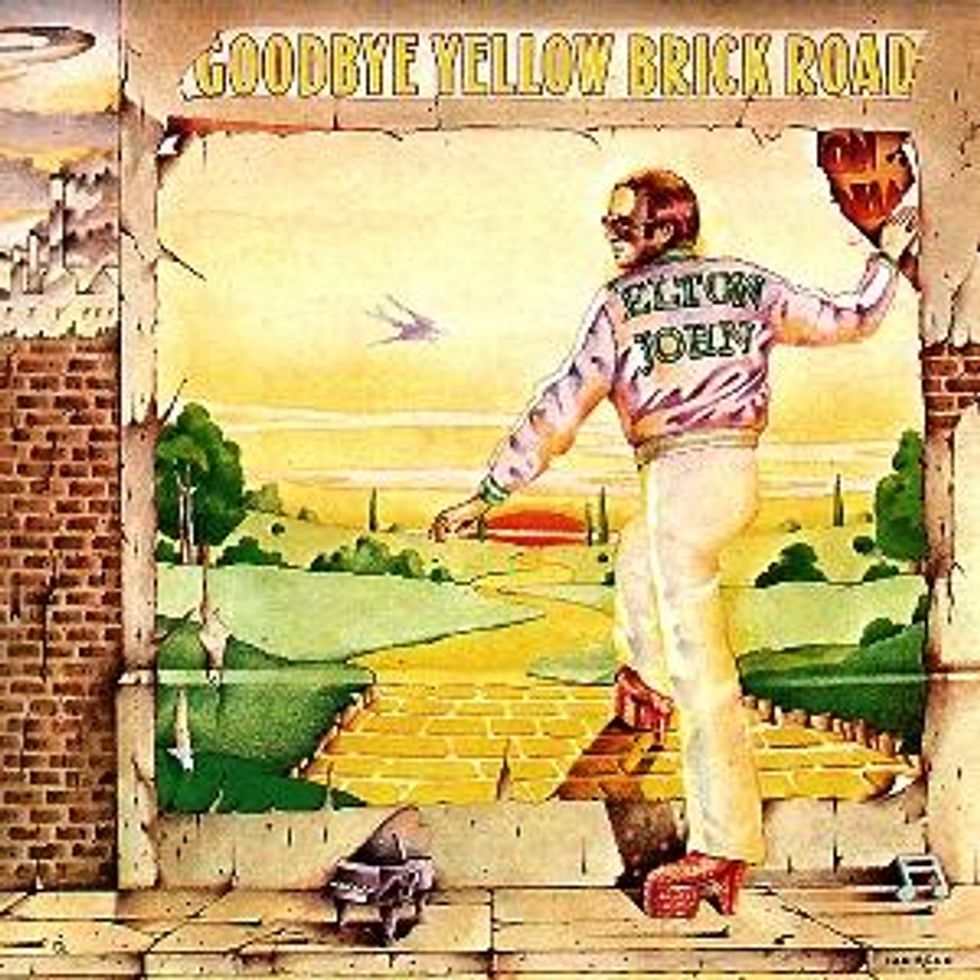
7. Elton John, 'Goodbye Yellow Brick Road,' 1973 http://www.out.com/sites/out.com/files/imagecache/slide-image/7_Goodbye%20Yellow%20Brick%20Road.jpg 17470
For his 18-track double album, England’s most successful solo singer-songwriter made his kaleidoscopic piano pop bigger, bolder, more varied, and more fantastical. Elton guides the listener through popular music’s gold-bricked byways without once getting lost, and his band swings on starry-eyed ballads and balls-out rockers with the same force. Production tricks explode like sugar bombs in a hyperactive toddler’s synapses. Meanwhile, lyricist Bernie Taupin conjures up equally vivid tales of gangsters, faded film stars, dance-floor violence, and, in “All the Girls Love Alice,” a pioneering, non-PC portrait of delectable lesbian jailbait.
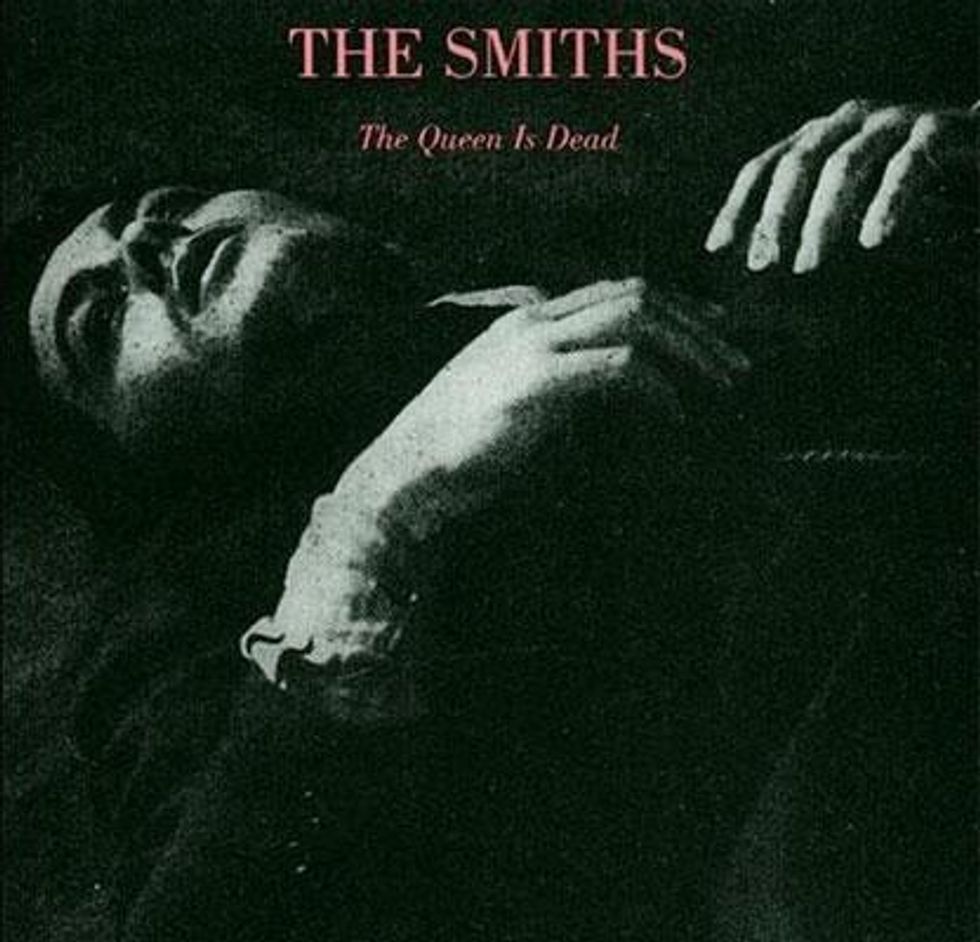
6. The Smiths, 'The Queen is Dead,' 1986 http://www.out.com/sites/out.com/files/imagecache/slide-image/smithsQueenIsDead.jpg 17469
After their sullen eponymous 1984 debut and strident 1985 successor Meat Is Murder, this guitar-based Manchester quartet turned soulful on its third album the following year -- albeit not in a traditional R&B sense, and certainly not thoroughly. The lightest, most music-hall-esque tunes are sequenced to set up songs of pure vulnerability. For penultimate track “There Is a Light That Never Goes Out,” Morrissey returns to the passenger seat first celebrated in “This Charming Man” to declare that death from collision with a 10-ton truck while in love is better than a miserable life at what was once home. What homo hasn’t felt like that?
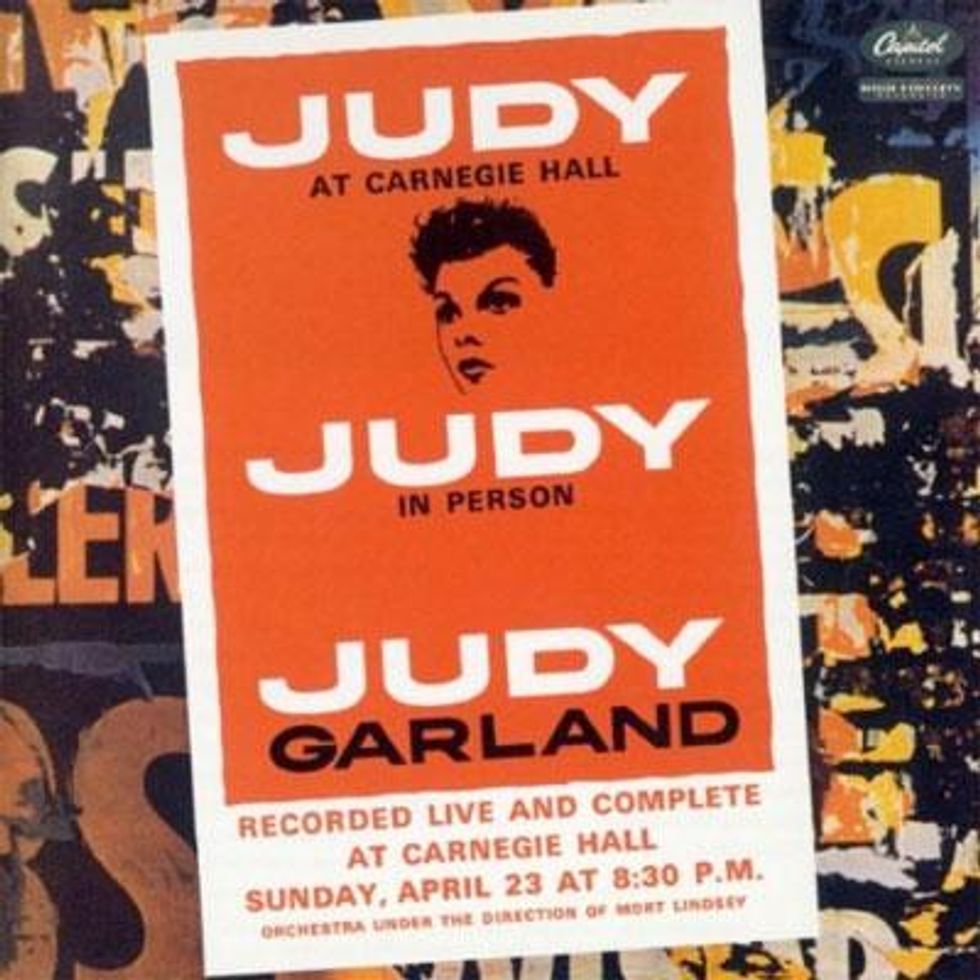
5. Judy Garland, 'Judy at Carnegie Hall,' 1961 http://www.out.com/sites/out.com/files/imagecache/slide-image/judyCarnegie.jpg 17468
You might think you’re too young or too butch or whatever for this 1961 chart-topper, but you’re wrong: This is one of the all-time greatest documents of old-school showbiz pizzazz: Just the energy exuded by this gay-icon-to-beat-all-gay-icons blows away all resistance, and her artistry is just as formidable. “The Man That Got Away” packs so much power and anguish that it feels as though Garland somehow discovers the emotional DNA of heartbreak, and, like a scientist in a low-budget movie lab, gets consumed by it to the point of madness. Happy or sad, every cut is that intense.

“She is a legend for a reason. That performance, at that time, by that woman, was clearly once in a lifetime. When I first heard it I wasn’t sure who needed whom more. Was it the gay men in the audience needing her, or was it her needing them?”--Wilson Cruz, actor
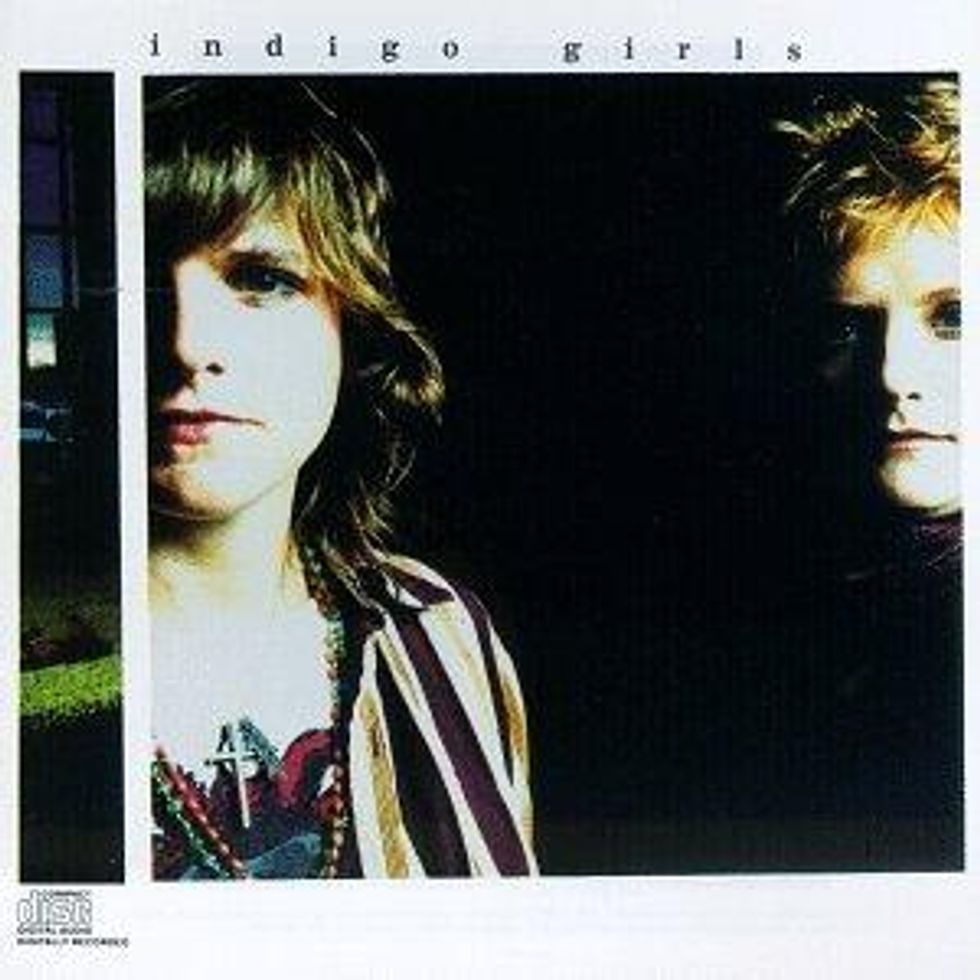
Indigo Girls, 'Indigo Girls,' 1989 http://www.out.com/sites/out.com/files/imagecache/slide-image/4_Indigo%20Girls.jpg 17467
Just as Soft Cell introduced a gay U.K. pop wave in the early ’80s, Athens, Ga.’s Indigo Girls helped lead the way at the decade’s end for a new generation of American female folkies that became increasingly mainstream and lesbian-identified. This pair came out and headlined the Lilith Fair women’s music festivals of the 1990s and even today, their classic-packed 1989 major-label debut provides their performance highlights. On timeless tracks like “Closer to Fine,” rocker Amy Ray and balladeer Emily Saliers generate soaring tunes, shamelessly sincere lyrics, and searing harmonies that have ignited many a sapphic sister campfire sing-along.
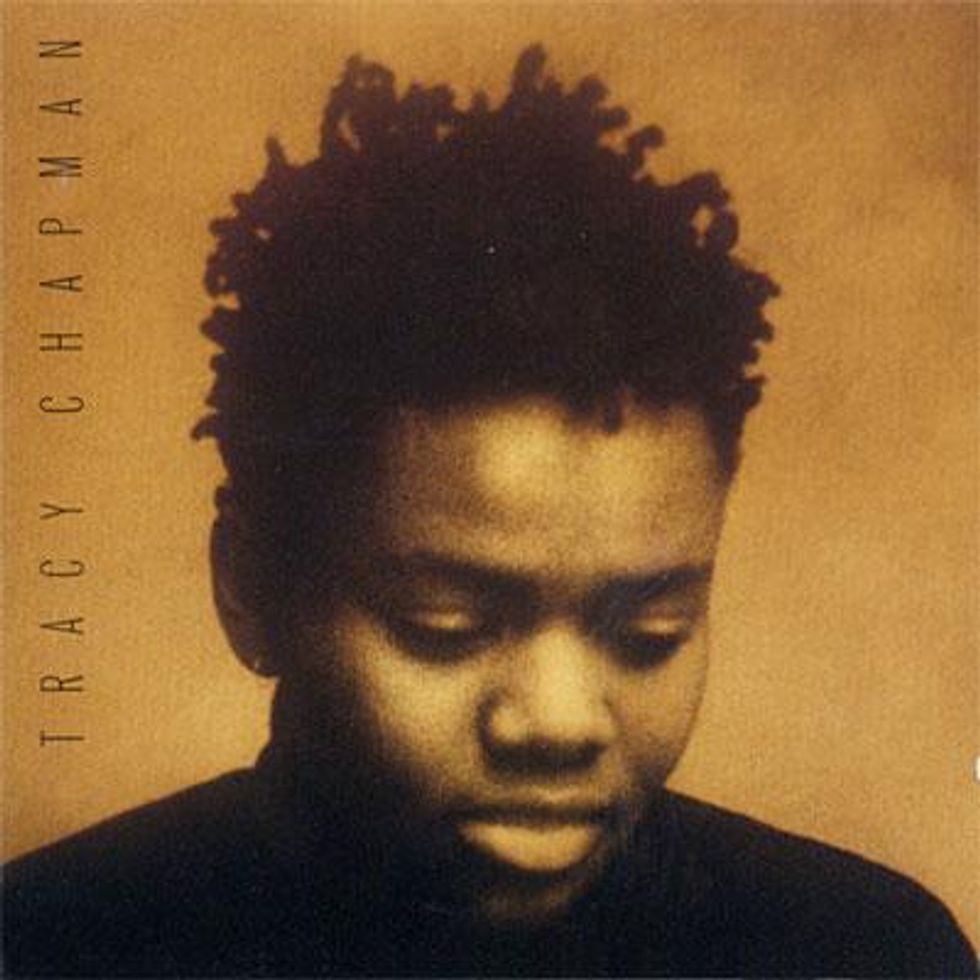
3. Tracy Chapman, 'Tracy Chapman,' 1988 http://www.out.com/sites/out.com/files/imagecache/slide-image/tracyChapman.jpg 17466
Announcing the arrival of an acoustic singer-songwriter defined by quiet alto anguish and lyrics that speak of social injustices from an insider's viewpoint, Tracy Chapman's 1988 debut is a revolution that sounds like a whisper. An eerily memorable chronicle of frustrated dreams, 'Fast Car' still seems to slow life down every time it's played, but the album's plainspoken love songs -- particularly 'Baby Can I Hold You' -- remain just as eloquent.
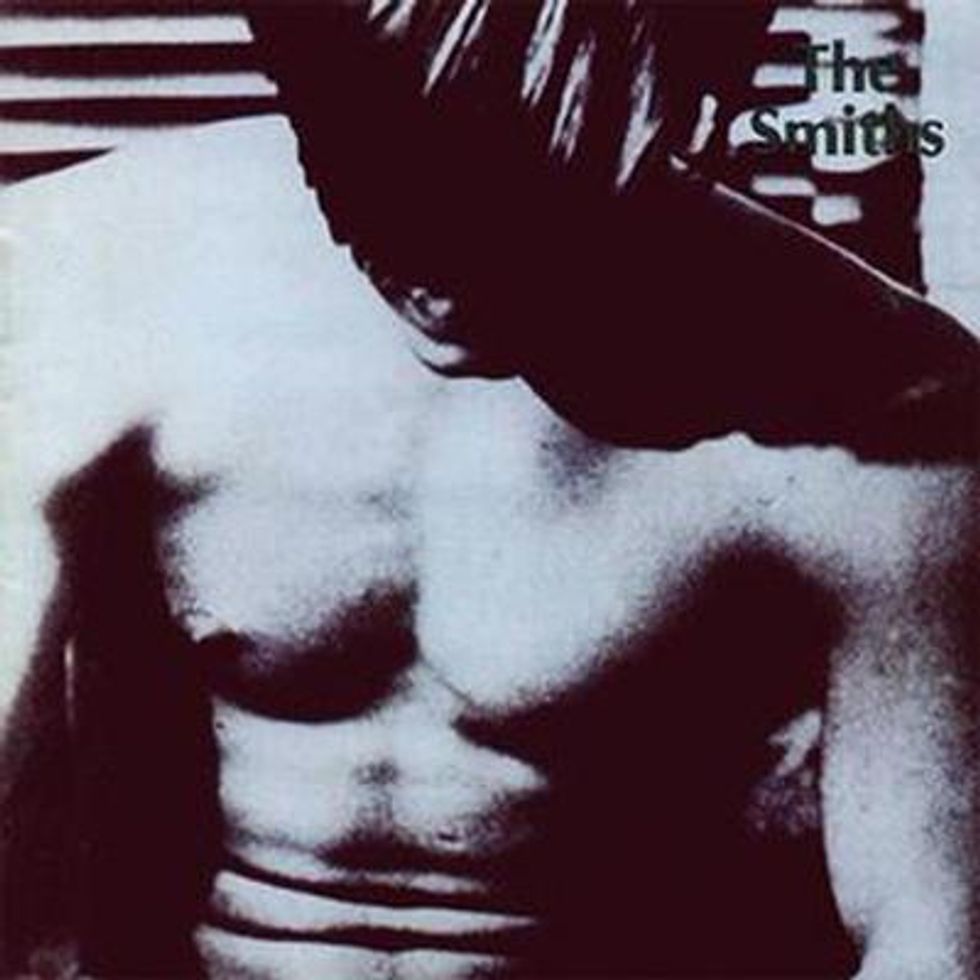
2. The Smiths, 'The Smiths,' 1984 http://www.out.com/sites/out.com/files/imagecache/slide-image/2_The%20Smiths.jpg 17465
After glam rock faded in the mid '70s, the gay sensibility so integral to British culture was redirected to its pop and dance music. But the Smiths proved the exception to that rule, particularly on the band's 1984 debut, with a front cover featuring Warhol hunk Joe Dallesandro. As the chiming guitars of Johnny Marr suggest both despair and its transcendence, singer Morrissey articulates alienated longings that gain extra poignancy if one understands them as queer. 'You can pin and mount me like a butterfly,' he croons on 'Reel Around the Fountain.' Many have dreamed variations on that theme.
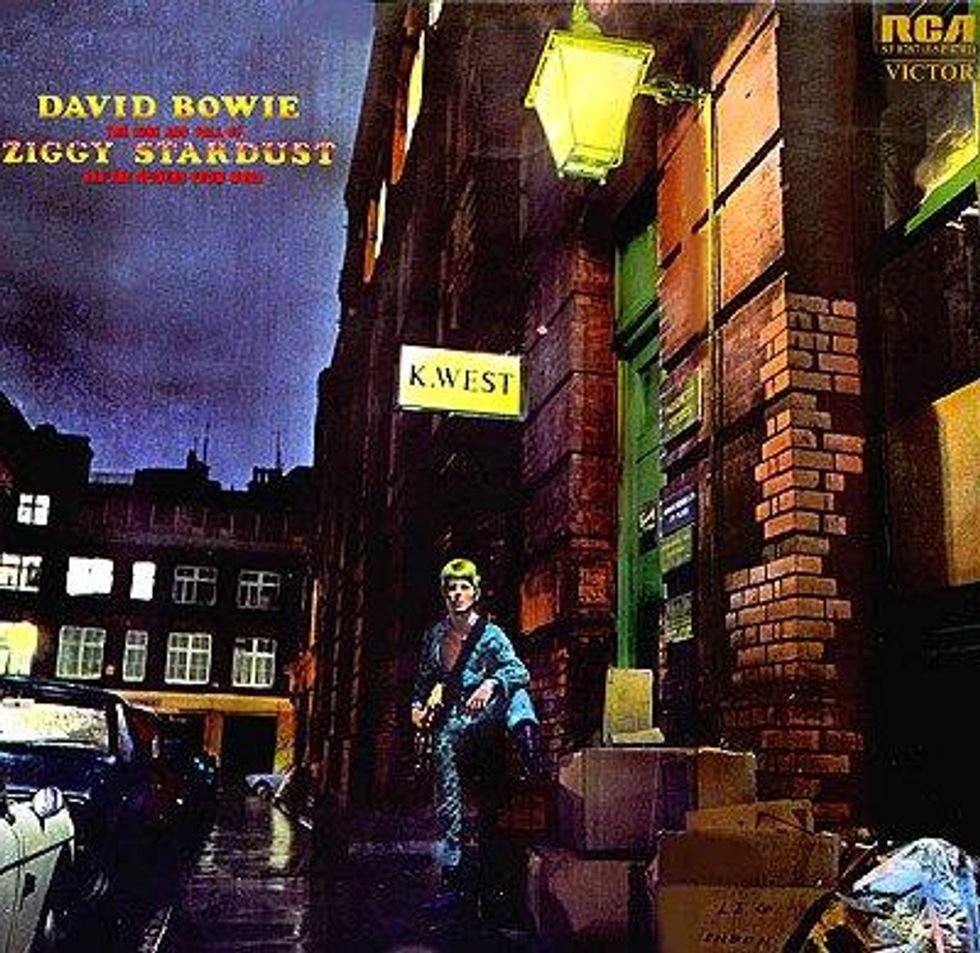
1. David Bowie, 'The Rise and Fall of Ziggy Stardust and the Spiders From Mars', 1972 http://www.out.com/sites/out.com/files/imagecache/slide-image/1_Ziggy%20Stardust....jpg 17464
It's ironic that an album with an opener forecasting Earth's expiration and a closer tackling celebrity excess and self-destruction remains one of the most liberating, uplifting records of all time -- about as ironic as a straight man topping this list. Robust, swaggering anthems 'Ziggy Stardust' and 'Suffragette City' prove this space odyssey is far from morbid or apocalyptic, yet it is on standouts like the languid, gender-flirting 'Lady Stardust' and brash come-on 'Moonage Daydream' -- in which the singer asks for a raygun to be placed to his head with almost masochistic sexual glee -- that Ziggy and his Spiders really shine. When in the grand finale, 'Rock 'n' Roll Suicide,' Bowie wails 'Oh no love! You're not alone!' over a sea of theatrical strings, you know he was singing for every exiled, dejected, sexually confused young kid who longed for a world of greater possibilities.

"At a time when social and sexual taboos were just starting to break down, Bowie as Ziggy created a world where the possibilities were limitless. You could be whatever you wanted to be.' -- Boy George

AddThis

  • Privacy Policy
  • User Agreement
  • Community Guidelines
  • Legal Notice
  • © 2013, Here Media Inc. All Rights Reserved