



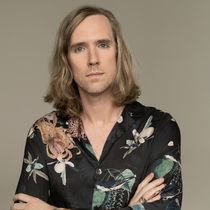
Bowen Yang has apologized for calling Regina Spektor "Zio."
The remark occurred during an October 14 episode of the Las Culturistas podcast, which the Saturday Night Live alum cohosts with Matt Rogers. During that episode, guest and Jury Duty star Edy Modica called the Jewish singer "a little Israel hardcore." To which Yang replied, "Yeah, she's Zio."
A resurfaced clip of the exchange sparked some online backlash. The View alum Meghan McCain criticized Yang for using a term associated with the far right and KKK leader David Duke — and also tagged Disney, which recently began streaming Yang's podcast through its streaming services, on X.
"Bowen Yang using antisemitic slang that was popularized and mainstreamed by KKK leader David Duke is really just chefs kiss for the guy who got Shane Gillis fired from SNL for racism," McCain wrote on the social media platform. "Well done buying this hate mongering podcast @Disney."
Actor Michael Rapaport called Yang out for hypocrisy. "LGBTQ members demand tolerance, acceptance & respect for themselves but apparently JEWS don't deserve the same," he wrote on Instagram.
"Zio" is a pejorative shortening of a Zionist, a supporter of the Jewish homeland in Israel. The American Jewish Committee classifies it as an antisemitic slur.
After the backlash, Yang released a statement Friday on Instagram. "I want to genuinely apologize for using a word on the podcast without knowing its antisemitic history, especially since we’ve repudiated antisemitism on the show as recently as the last two weeks," he wrote.
"Particularly upsetting to realize that I adopted language popularized by far-right movements whose rhetoric we should be wary of and act against."
In response, some commenters pushed back against the term's classification as a slur, noting a distinction between criticism of Israel's military actions in Palestine and antisemitism.
However, many in the comments appreciated Yang's apology. Transgender actress Shakina Nayfack praised, "You are a class act. I appreciate you making this statement. Sometimes we put our foot in it without knowing we misstepped (or misspoke), but hearing the feedback and taking accountability is how we learn, mend, and teach it forward."